
Solar in Connecticut: Costs, Incentives & Top Installers (2026)
Solar in Connecticut punches above its weight. Despite moderate sunshine, high retail electricity prices (Connecticut averaged among the highest in the U.S. in 2023, per EIA) and robust state programs make rooftop PV financially compelling for many households. This guide breaks down sun hours, costs, incentives, installer options, and payback—so you can decide if solar in Connecticut is right for your home in 2026.
By the numbers: Solar in Connecticut (2026)
- Peak sun hours: ~4.0–4.6 per day (NREL/PVWatts, Hartford–New Haven typical)
- Solar resource (GHI): ~4.0–4.5 kWh/m²/day (NREL)
- Typical residential capacity factor: ~15–18% with modern modules, fixed-tilt (NREL)
- Installed cost (pre-incentive): ~$3.40–$4.10/W DC for host-owned systems (LBNL Tracking the Sun 2023 medians; CT tends to run slightly above national average)
- Typical system size: 6–10 kW DC
- Electricity price: high relative to U.S. average (EIA Electric Power Monthly)
- Payback: ~7–10 years for well-sited homes under current rates and incentives (CT Green Bank program data; DigitalWindmill modeling)
Sources: NREL PVWatts; Lawrence Berkeley Lab “Tracking the Sun 2023”; EIA Electric Power Monthly; Connecticut Green Bank; PURA dockets for Residential Renewable Energy Solutions (RRES) & Energy Storage Solutions.
Solar energy potential in Connecticut: sun hours, irradiance, and climate factors
Connecticut’s solar resource is solid for the Northeast. NREL maps show global horizontal irradiance (GHI) of roughly 4.0–4.5 kWh/m²/day across the state—less than the Southwest, but ample for strong returns given CT’s electricity rates. Translated to system performance, a well-sited 7 kW residential array in Hartford typically produces about 8,000–9,500 kWh per year using NREL PVWatts assumptions (fixed-tilt roof, typical losses), corresponding to a capacity factor of ~15–18%.

Solar Pathfinder
View on Amazon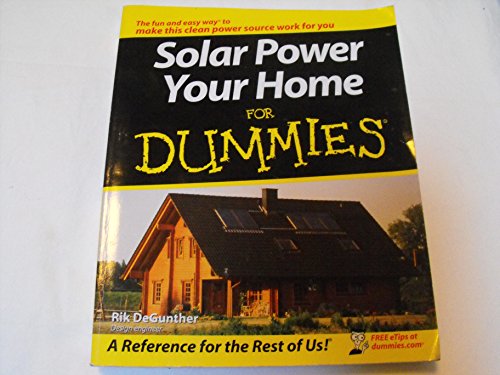
Solar Power Your Home For Dummies: DeGunther, Rik
Solar Power Your Home For Dummies [DeGunther, Rik] on Amazon.com. *FREE* shipping on qualifying offers. Solar Power Your Home For Dummies
Check Price on AmazonClimate considerations:
- Snow: NREL field research finds snow losses in the Northeast generally in the 1–5% range annually for tilted arrays; clearing events are episodic and mostly a winter factor. Module frames rated for local snow loads (often 35–50 psf in CT jurisdictions) and racking with adequate tilt help shedding.
- Temperature: PV efficiency declines slightly in summer heat, but Connecticut’s moderate summers keep temperature derate manageable compared to hotter climates. High-efficiency monocrystalline modules with favorable temperature coefficients (around −0.30 to −0.35%/°C) mitigate losses.
- Shading and trees: Mature tree cover is common. Use a shade analysis (e.g., Solmetric SunEye) to target annual solar access ≥80% for best economics; microinverters or DC optimizers can recover production on partly shaded roofs.
If you’re new to how PV works and the role of irradiance, our explainer can help: Solar Power Explained: How It Works, Costs, and Climate Benefits.
Average cost of solar panels in Connecticut and price-per-watt breakdown
Connecticut’s installed prices are typically a notch above national averages due to higher labor and permitting costs, but still competitive regionally thanks to mature installer networks.
- Typical 2026 range (host-owned): $3.40–$4.10 per watt DC
- Example 7.0 kW system: $23,800–$28,700 pre-incentive
- 30% federal tax credit (ITC): −$7,140 to −$8,610
- Net cost after ITC (before state tariff incentives): ~$16,700–$20,100
What drives price-per-watt in CT:
- Equipment: High-efficiency panels (400–440 W), microinverters/optimizers, and snow/wind-rated racking add cost but boost production and reliability in New England climates.
- Electrical scope: Panelboard/mast upgrades and AFCI/rapid-shutdown requirements per NEC can add $500–$2,000.
- Roof factors: Steep pitches, multiple planes, or reroofing (common for older housing stock) increase installation cost.
- Soft costs: Permitting and interconnection are streamlined but vary by municipality; installer overhead and sales channels also matter.
For a deeper dive on pricing levers and savings strategies, see our Solar Panel Cost Guide: How Much You'll Pay & How to Save.
Connecticut solar incentives: state tax credits, rebates, net metering, and SRECs
Connecticut has transitioned from legacy incentives (e.g., RSIP, ZREC/LREC) to tariff-based programs administered by utilities under PURA oversight.
Key incentives in 2026:
Sales and Property Tax Exemptions: Connecticut provides a 100% sales and use tax exemption for residential solar equipment and a property tax exemption so the added home value from PV isn’t taxed. Check your assessor for local implementation details (DSIRE; CT statutes).
Residential Renewable Energy Solutions (RRES): This is the successor to traditional net metering for Eversource and United Illuminating (UI) customers. Homeowners choose one of two options at interconnection, with fixed compensation terms for 20 years:
- Netting Tariff: Monthly "netting" of export/import with bill credits, plus a separate REC payment for every kWh your system produces (regardless of on-site consumption). The REC adder is set annually and differs by utility; it is paid for 20 years.
- Buy-All Tariff: The utility buys 100% of your solar production at a fixed rate; you buy all your consumption at retail. This is simpler for some customers and can pair well with renters or multifamily setups. Compensation levels are updated annually and may include location or low-income adders. Because rates vary by year and utility, ask your installer for the current RRES rates from Eversource/UI and model both options.
Energy Storage Solutions (battery incentive): Eversource and UI offer upfront incentives for qualifying home batteries, with higher incentives for income-eligible households and customers in vulnerable or high-outage areas. Typical incentives for standard residential customers are structured per kWh of storage capacity, with maximum caps; income-eligible incentives can be substantially higher. The program also offers ongoing performance payments for discharging during peak events. Check the current incentive tables with your utility or installer.
About SRECs in Connecticut: Traditional, tradable SREC programs for new residential systems have been replaced by the RRES structure, where the REC value is embedded in the tariff compensation you select at interconnection (REC payments under the Netting Tariff; bundled in the Buy-All rate). Commercial and community-scale projects participate in separate solicitations.
If you want to understand how monthly crediting works, we break it down in Net Metering Explained: How Solar Owners Get Credit for Excess Power.
Federal ITC and how it applies to Connecticut homeowners
The federal Investment Tax Credit (ITC) remains a cornerstone incentive for solar in Connecticut. Under the Inflation Reduction Act, qualifying residential solar installed through 2032 is eligible for a 30% tax credit on the total project cost, including panels, inverters, racking, balance-of-system, and labor. Batteries paired with solar (or installed standalone) also qualify at 30% if they meet capacity requirements.
- Example: A $26,000 system yields a $7,800 federal tax credit. If you add a $12,000 battery, that’s an additional $3,600 credit (subject to tax liability).
- The ITC is nonrefundable but can be carried forward to future tax years if you don’t have enough liability in year one.
Learn how to claim it step-by-step in our guide: Solar Tax Credit Explained: Save on Solar with the Federal ITC.
Best solar installers and companies serving Connecticut
Connecticut benefits from a mature residential solar market with both national players and long-standing local firms. Always compare multiple quotes and check NABCEP certification, equipment lines, workmanship warranty, and local permitting expertise.
Well-established providers serving much of CT:
- Trinity Solar (regional): Large Northeast presence; offers purchase, loan, and lease/PPA options; broad equipment catalog.
- Sunrun (national): Lease/PPA and loan options; battery pairing; strong monitoring app.
- SunPower dealers (authorized local partners): High-efficiency panel systems; premium pricing with integrated hardware and long warranties.
- Tesla (Tesla Energy): Streamlined ordering; standardized equipment bundles and the Tesla Powerwall for storage.
- Momentum Solar / Venture Solar (regional): Full-service EPCs active across CT; offer financing and energy management add-ons.
Notable Connecticut-based or regional installers with strong local track records:
- Earthlight Technologies (Ellington): Residential and C&I; known for roofing and solar integration.
- Aegis Solar Energy (Branford): Custom residential designs; coastal code familiarity.
- Sunlight Solar Energy (New Haven): Longstanding regional EPC; offers storage and EV charging.
- PurePoint Energy (Norwalk area; more C&I/community): Commercial specialists with engineering depth.
Evaluation checklist for CT homeowners:
- Local permitting savvy: Municipal processes vary; choose teams that routinely work in your jurisdiction.
- Snow/wind design: Confirm racking/snow load calcs meet local building code; ask for stamped structural letters when required.
- Equipment fit: Microinverters (e.g., Enphase) or DC optimizers (e.g., SolarEdge) are advantageous on complex, partly shaded roofs common in CT.
- Warranty & service: Seek 10–25 year workmanship coverage; clarify snow management and service response in winter.
Equipment picks that pair well with Connecticut roofs
- High-efficiency, black-on-black panels help maximize kWh on smaller roof planes. Based on efficiency and temperature coefficients, Qcells Q.TRON panels represent strong value for residential installations.
- For complex shading, Enphase IQ8 Microinverters offer module-level optimization and can support limited “sunlight backup” configurations when paired with proper controls.
- For backup and peak-shaving under CT’s battery incentives, the Tesla Powerwall 3 provides integrated inverter storage and robust cold-weather performance.
For panel shopping basics and spec comparisons, see our roundup: Best Solar Panels 2026: Top Picks, Specs & Buying Guide.
ROI and payback period for solar in Connecticut
Connecticut’s high electricity rates and 20-year RRES compensation make project economics attractive on well-sited homes.
Illustrative scenario (Hartford-area home):
- System: 7.2 kW DC, 18 high-efficiency modules, microinverters
- Installed price: $25,900 ($3.60/W)
- Federal ITC (30%): −$7,770
- Net upfront cost: $18,130 (excluding any loans/interest)
- Modeled year-1 production: ~8,800 kWh (NREL PVWatts, south-facing, ~30–35° tilt)
- Retail electricity offset value: If your all-in rate is $0.27/kWh, that’s ~$2,376 in avoided utility costs in year 1 (under Netting Tariff dynamics, actual bill crediting will vary by load shape and REC payments)
- RRES REC payment: Under the Netting Tariff, you receive an additional fixed payment per kWh generated for 20 years (utility- and year-specific). If, hypothetically, the REC adder were $0.02/kWh, that’s ~$176/year on 8,800 kWh. Actual values differ; ask for current rates.
Simple payback estimate: $18,130 net cost / ~$2,376–$2,550 in combined annual value ≈ 7.1–7.6 years. Many Connecticut projects under RRES model out in the 7–10 year range, with 20-year net present value (NPV) strongly positive given expected utility rates.
Notes that affect payback:
- Rate volatility: CT rates can swing seasonally; higher retail rates accelerate savings.
- Roof orientation and shading: East/west or shaded roofs increase payback time.
- Financing: Loans add interest but can be cash-flow positive if payments are below bill savings.
- Degradation: Modern modules degrade ~0.25–0.5%/year; include that in 25-year models.
- Battery economics: With upfront incentives plus performance payments, batteries can improve resilience and, in some cases, economics—especially on time-of-use or demand-based tariffs.
Connecticut-specific permitting, HOA rules, and interconnection process
Permitting
- Local building/electrical permits: Issued by your municipality. Turnaround for standard residential PV is often 2–6 weeks depending on staffing and completeness of the engineered planset.
- Inspection: Post-install building and electrical inspections typically occur within 1–2 weeks of scheduling.
- Fee structures: Some towns set flat PV fees; others base fees on project valuation. Ask your installer for your town’s latest fee schedule.
HOAs and solar access
- Connecticut recognizes solar easements and generally supports the right to install solar, although common-interest communities (condos/HOAs) can set reasonable restrictions on placement and aesthetics. Review your HOA covenants early and ask your installer for drawings that minimize street-facing visibility if required.
Interconnection (Eversource and UI)
- Application: Your installer submits an interconnection application with single-line diagrams, spec sheets, and your chosen RRES tariff option (Netting or Buy-All).
- Technical review: Level 1 (≤20 kW) residential systems typically clear quickly unless there are feeder constraints.
- Approval to install: Once granted, your installer schedules construction and municipal inspections.
- Meter swap and Permission to Operate (PTO): After passing inspections, the utility installs a bi-directional meter and issues PTO. Typical timeline from install to PTO is 1–4 weeks, but can vary by season and utility workload.
Pro tips specific to Connecticut
- Snow management: Ask about staggered row spacing and snow guards where appropriate; verify that clogged gutters/ice dams won’t be exacerbated.
- Roof age: CT’s older housing stock means many roofs are 15–20+ years old. If you’re within 5–8 years of reroofing, consider bundling a reroof to avoid future panel removal/reinstall.
FAQ: common questions about going solar in Connecticut
What size system do I need?
- Divide your annual kWh usage by expected production per kW. In much of CT, 1 kW of well-sited PV produces ~1,150–1,350 kWh/year. A 9,000 kWh/year home might need ~7 kW.
Does solar work with snow on the roof?
- Production pauses when panels are fully covered, but tilting and dark glass help snow slide off. NREL studies show annual snow losses are typically modest (1–5%). Most output still comes from spring–fall.
Can my HOA stop me from going solar?
- HOAs can set reasonable design standards but generally cannot impose blanket bans. Start early with architectural committees and provide clean drawings to speed approval.
Is battery storage worth it in CT?
- For backup power and peak savings, especially with the Energy Storage Solutions incentives and performance payments, many homeowners find batteries worthwhile. Add the 30% federal ITC and evaluate against your outage history and tariff.
What about leases/PPAs vs. ownership?
- Ownership captures the ITC and highest lifetime savings; leases/PPAs can offer $0-down simplicity and performance guarantees. Compare total 20–25 year costs and ask about escalators.
What happens to my credits if I produce more than I use?
- Under the RRES Netting Tariff, monthly netting applies and REC payments are based on total generation. Exact bill credit rollover rules and rates are utility-specific—review the current Eversource/UI tariff sheets.
Will solar increase my home value?
- Studies (e.g., Lawrence Berkeley Lab) find host-owned solar often correlates with higher resale value. Connecticut’s property tax exemption helps by excluding PV’s added value from assessment.
How long does the whole process take?
- From contract to PTO, expect 2–4 months in a typical case: design and permitting (3–6 weeks), installation (1–3 days), inspections (1–2 weeks), utility meter/PTO (1–4 weeks).
What maintenance is required?
- Minimal. Rain cleans panels; check annually for debris and have your installer perform a remote monitoring review. Inverter warranties are typically 12–25 years; panel warranties 25–30 years.
How do I choose equipment for New England weather?
- Look for panels with strong snow-load ratings and low temperature coefficients, and consider module-level power electronics for complex roofs. If you need backup, pair PV with a cold-weather-rated battery and a service panel that supports whole-home or critical-load backup.
Practical next steps for Connecticut homeowners
- Collect 2–3 quotes using the same assumptions (system size, panel wattage, inverter type) and request production estimates from NREL PVWatts.
- Ask each installer to model both RRES options (Netting vs. Buy-All) using your interval usage data, current tariff rates, and your load shape.
- Verify roof age, structural capacity, and potential tree work to lock in a realistic scope and avoid change orders.
- If considering batteries, get the latest Energy Storage Solutions incentive sheet and performance payment assumptions, then compare cash vs. loan scenarios with and without storage.

Emporia Gen 2 Smart Home Energy Monitor with 16 50A Circuit Level Sensors | Real Time Electricity Monitor/Meter | Solar/Net Metering - Amazon.com
View on AmazonWhere the market is heading
- Equipment: Panel efficiency gains (n-type TOPCon/heterojunction) and microinverter advances sustain strong production on smaller/complex CT roofs.
- Programs: PURA’s RRES and Energy Storage Solutions are designed as multi-year programs; expect annual rate updates and continued emphasis on resilience and peak reduction.
- Economics: As electrification (heat pumps, EVs) raises household kWh use, properly sized solar-plus-storage can offset more of the bill, improving long-term ROI—even in a moderate-sun state like Connecticut.
Recommended Products
Solar Power Your Home For Dummies: DeGunther, Rik
Solar Power Your Home For Dummies [DeGunther, Rik] on Amazon.com. *FREE* shipping on qualifying offers. Solar Power Your Home For Dummies
Solar Pathfinder
Check each product page for other buying options. Price and other details may vary based on product size and color · Luster Leaf 1875 Rapitest SunCalc Sunlight Calculator for Gardens – Measures Full S
Emporia Gen 2 Smart Home Energy Monitor with 16 50A Circuit Level Sensors | Real Time Electricity Monitor/Meter | Solar/Net Metering - Amazon.com
See how much electricity your home is using anywhere, anytime. ... <strong>Add individual 50A sensors to your Vue to monitor up to 16 individual circuits</strong> — providing accurate energy use for t