
Tesla Solar in Utah: Panels, Roof & Pricing Guide (2026)

Utah homeowners are adding solar faster than ever, and Tesla solar in Utah is a top search for good reason. Utah’s high-elevation sun and dry climate make for strong production, while the federal 30% tax credit keeps paybacks competitive even with the state’s lower electricity prices. The big shift to watch in 2026 is how Rocky Mountain Power’s export credit rates and battery incentives shape the economics of self-consumption versus exporting to the grid.
According to the U.S. Energy Information Administration (EIA), solar supplied roughly 10–12% of Utah’s in-state electricity generation in 2023, up from near-zero a decade earlier, with continued growth expected through 2030 as utility-scale and distributed projects expand. NREL’s PVWatts data indicates a typical fixed-tilt rooftop in Utah produces ~1,500–1,700 kWh per kW installed per year—well above many northern states—making well-sited systems in the Wasatch Front and southern Utah highly productive.
This guide breaks down Tesla’s products, pricing, installation process, incentives, warranty, and how Tesla stacks up against local Utah installers in 2026.
Tesla Solar in Utah: Products, Availability, and Fit
Tesla offers three core pieces for Utah homes:

Solar Electricity Handbook - 2023 Edition: A simple, practical guide to solar energy – designing and installing solar photovoltaic systems: Boxwell, Michael
Solar Electricity Handbook - 2023 Edition: <strong>A simple, practical guide to solar energy – designing and installing solar photovoltaic systems</strong> [Boxwell, Michael] on Amazon.com. *FREE* shi
Check Price on Amazon- Tesla solar panels (roof-mounted arrays)
- Tesla Solar Roof (building-integrated PV tiles replacing your roof)
- Tesla Powerwall battery (often bundled with panels or Solar Roof)
What’s in the box
- Panels: Tesla-branded, high-efficiency monocrystalline modules (typically 19–22% module efficiency), low-profile racking, and the Tesla Solar Inverter for DC-to-AC conversion with integrated rapid shutdown and monitoring. Expect black-on-black aesthetics.
- Solar Roof: Tempered glass active tiles plus non-active tiles for full-roof coverage; integrated flashings and underlayment; paired with a Tesla Solar Inverter and monitoring via the Tesla app.
- Powerwall (current gen): 13.5 kWh usable energy class with an integrated inverter in the latest model, higher power output than earlier versions, 10-year warranty, and storm watch/backup features. It can be installed with new or existing solar and participates in utility battery programs where available.
Performance in Utah’s climate
- Snow and cold: Panels can shed snow once sun returns; winter production dips but cool temperatures raise panel efficiency. South-facing arrays at 30–35° tilt help winter output. Solar Roof tiles are rated for snow load and hail; Utah installers add snow guards where needed.
- Heat: Utah’s summer heat slightly reduces panel efficiency (~0.4–0.5% per °C above 25°C), but the state’s strong irradiance more than compensates on annual totals.
When Solar Roof makes sense
- You already need a roof replacement in the next 5–10 years.
- You value integrated aesthetics and are comfortable with a longer timeline and higher upfront cost versus conventional panels.
When panels + Powerwall shine
- You want the fastest payback and highest kWh per dollar.
- You plan to self-consume more solar (EV charging, heat pump water heater, flexible loads) and want backup power.
Tesla Solar pricing in Utah: panels vs. Solar Roof cost comparison
Utah’s installed solar costs are among the lowest in the country, thanks to a competitive installer landscape and straightforward rooftops. EIA data shows Utah’s average residential electricity price hovering around 11–13¢/kWh in recent years—lower than the U.S. average—which lengthens paybacks slightly compared to high-cost states. But strong sun largely balances that out.
Typical 2026 price ranges we see in Utah quotes (before incentives):
- Tesla panels (rooftop): $2.15–$2.60 per watt (W)
- 7 kW system: $15,050–$18,200
- 10 kW system: $21,500–$26,000
- Tesla Solar Roof: highly site-specific; commonly $60,000–$90,000+ for a 1,800–2,500 sq. ft. simple roof that yields ~7–10 kW of PV capacity
- Effective $/W often lands in the $5–$8/W range when allocating part of the price to roofing and part to PV
- Powerwall (installed): $9,000–$12,000 per unit before incentives; net cost drops with the 30% federal tax credit and any utility battery incentives
After the 30% federal Investment Tax Credit (ITC):
- 7 kW Tesla panel system: roughly $10,500–$12,700 net
- 10 kW Tesla panel system: roughly $15,050–$18,200 net
- Powerwall: roughly $6,300–$8,400 net per unit; standalone batteries also qualify for the 30% ITC under the Inflation Reduction Act
Solar Roof pricing varies the most. If you were already budgeting $12,000–$20,000 for an asphalt roof replacement, the “incremental” Solar Roof premium vs. a new roof plus panels narrows. But for pure payback speed, conventional panels beat Solar Roof in Utah.
By the Numbers: Utah production, savings, and payback
- Solar resource (NREL PVWatts): ~1,500–1,700 kWh per kW-year for well-sited Utah rooftops
- Annual production estimate: 7 kW system → ~10,500–11,900 kWh/year
- Utah residential electricity price (EIA): ~11–13¢/kWh
- Export Credit Rate (Rocky Mountain Power): credits for exported solar typically average ~5–6¢/kWh in recent years, with month-by-month variability set by the Utah Public Service Commission
- Self-consumption target: 60–85% without vs. with battery, depending on load shifting and EV charging
- Simple payback (panels only): often 8–12 years for 6–10 kW systems, depending on roof, shading, consumption, and export rate
- Simple payback (panels + Powerwall): 10–14 years typical; batteries add resilience and can improve economics when paired with EV charging, time-of-use rates, or utility battery incentives
Illustrative savings example (panels only)
- 7 kW system at $2.35/W → $16,450 before ITC; ~$11,515 net after 30% ITC
- Production: 11,200 kWh/year (midpoint)
- If 60% self-consumed at 12¢/kWh → $806/year; 40% exported at 5.5¢/kWh → $246/year; total ≈ $1,052/year → ~10.9-year simple payback
- Increase self-consumption (EV charging, smart water heating) to 75% and savings rise to ≈$1,176/year → ~9.8-year payback
Note: These are ballpark numbers; use a site-specific model (NREL PVWatts or your installer’s design) to refine estimates.
How to order Tesla Solar in Utah: timeline, site assessment, and installation
Tesla’s ordering flow is standardized, but Utah permitting and Rocky Mountain Power interconnection steps shape the timeline.
- Online design and quote
- Enter your address, monthly bill, and roof style. Tesla generates a preliminary layout, system size, and price. A small deposit locks pricing.
- Remote/onsite assessment
- Tesla verifies roof measurements (satellite/LiDAR) and may schedule a site visit for attic/roof structure checks, main panel capacity, and shading. Snow load considerations are standard in Utah’s mountain counties.
- Final design and permits
- You review the final layout and equipment (panel count, inverter, Powerwall location). Tesla or its certified partner pulls city/county permits. Utah municipalities typically turn permits in 1–3 weeks.
- Installation day(s)
- Panels: 1–2 days for most 6–10 kW rooftops.
- Solar Roof: 4–10+ days depending on complexity, with possible weather windows.
- Utility inspection and interconnection
- City inspection clears the way for Rocky Mountain Power’s meter swap and interconnection approval. Expect 1–3 weeks depending on queue and season.
- Permission to Operate (PTO)
- Once PTO is granted, your system can export energy and your Tesla app will show live production/consumption. Tesla’s app enables load monitoring, battery modes, and Storm Watch.
Typical end-to-end timeline in Utah
- Panels: 6–10 weeks from order to PTO, barring winter storms or rework.
- Solar Roof: 10–16+ weeks, with roof lead times and weather the main variables.
- Powerwall additions to existing solar: 4–8 weeks.
Practical add-ons for better outcomes
- Smart energy monitor: Based on ease of use and appliance detection accuracy, the Sense Home Energy Monitor is a strong value to dial in self-consumption and battery sizing.
- EV charging alignment: A flexible Level 2 charger like the ChargePoint Home Flex EV Charger lets you automate daytime charging to soak up solar.
For deeper battery pricing, eligibility, and program details specific to the state, see our dedicated guide: Tesla Powerwall in Utah: Cost, Availability & Is It Worth It?
Utah solar incentives that apply to Tesla installations
The big one: Federal Investment Tax Credit (ITC)
- Amount: 30% of total installed cost for residential solar and batteries (standalone batteries qualify) through at least 2032 under the Inflation Reduction Act.
- Source: U.S. Department of Energy and IRS guidance.
Utah state incentives
- Residential state tax credit: Utah’s legacy Residential Renewable Energy Systems Tax Credit for PV stepped down and sunset in recent years; as of 2026, most homeowners should not expect a statewide residential PV tax credit. Verify current-year policy with the Utah State Tax Commission in case of any updates.
Utility programs (Rocky Mountain Power)
- Export Credit Rate (ECR): Newer customers are credited for exported kWh at a variable rate that has averaged about 5–6¢/kWh in recent years, set periodically by the Utah Public Service Commission based on avoided costs. This is not 1:1 net metering; shifting usage to solar hours increases your savings.
- Wattsmart Battery program: Incentivizes enrolling Powerwalls in a virtual power plant (VPP). Terms change over time, but have included upfront incentives (often sized per kW of battery contribution) and/or annual bill credits for allowing the utility to dispatch your battery during grid peaks. Many Utah Powerwall owners reduce net costs by thousands via this program. Check current program details with Rocky Mountain Power or your installer.
Local policies and sales tax
- Utah generally applies state and local sales tax on equipment; property tax treatment varies by jurisdiction. Ask your installer about any municipal permitting fee caps or local incentives.
For broader state context on rates, installers, and incentives, see: Solar in Utah: Costs, Incentives & Top Installers (2026)
Tesla Solar reviews from Utah customers: what owners actually report
What we hear repeatedly from Utah owners and see echoed in national review data (SolarReviews, BBB, and forum threads):
Pros
- Competitive pricing and transparent online quotes; Tesla often undercuts local bids for straightforward rooftops.
- Clean aesthetics: black integrated look, concealed conduit where feasible.
- App experience: real-time production, consumption, and battery controls are intuitive.
- Performance vs. projections: Systems typically meet or exceed modeled kWh when designs are conservative and shading is addressed.
Cons
- Scheduling and communication: Customers occasionally report longer-than-expected timelines, reschedules due to crew availability or weather, and slower customer service responses during peak season.
- Solar Roof complexity: More moving parts means more chances for timeline changes; roof tear-off and structural surprises can extend projects.
- Service after PTO: Warranty service can involve multi-week queues; third-party installers may service faster for their own customers.
Takeaway: If your roof is simple and you value price transparency and the Tesla ecosystem, Tesla is compelling. If your roof is complex (multiple planes, dormers, tile/slate), or you prioritize white-glove project management, a top-tier local installer may deliver a smoother experience—with a price premium.
Tesla vs. local Utah installers: pros, cons, and price comparison
Price per watt (2026 typical quotes)
- Tesla panels: ~$2.15–$2.60/W
- Local Utah installers: ~$2.40–$3.00/W for Tier-1 modules with Enphase or SolarEdge, depending on roof, service, and component choices
Pros of going with Tesla
- Often lower upfront price on standard rooftops
- Integrated ecosystem (panels, inverter, Powerwall, app)
- Strong brand, bankable warranties
Pros of going with a local installer
- More inverter and panel options (e.g., microinverters, optimizer systems, premium modules)
- Potentially faster service response and local office support
- Custom roof work and specialty mounts (e.g., complicated snow retention, aesthetic conduit runs)
When local may be worth the premium
- Complex roofs, heavy shading, or need for module-level shutdown/monitoring (microinverters)
- Historic districts or HOA-driven aesthetics where custom racking and conduit routing matter
Price-shopping tip: Ask for itemized proposals (modules, inverter, racking, electrical upgrades, monitoring, battery) and consistent system sizes so you can compare apples-to-apples at the $/W level and at the net present value of 25-year cash flows.
A smart home electrical upgrade like the Span Smart Panel can also improve whole-home backup behavior and load shedding if you plan multiple Powerwalls.
Tesla Solar warranty and what it covers in Utah
- Panels
- 25-year performance warranty: typical output guarantees with annual degradation under ~0.5–0.6% after the first year
- 12–25-year product warranty on workmanship/materials (Tesla currently advertises 25-year on panels and racking; check your agreement)
- 10-year roof/penetration warranty covering mounting points
- Inverter
- Typically 10–12 years, with options for extended coverage
- Solar Roof
- 25-year tile and weatherization warranty; energy production warranty on active tiles
- Powerwall
- 10-year warranty, typically guaranteeing a percentage of original usable capacity at year 10; includes unlimited cycles for home use per current terms
Always review your final contract; Tesla updates warranty language periodically, and specific terms (e.g., workmanship coverage) can vary.
FAQ: common questions about Tesla Solar in Utah
Is Tesla Solar available across Utah?
- Yes. Availability is strongest along the Wasatch Front (SLC, Ogden, Provo), with service in many surrounding counties. Remote/rural installs may have longer timelines.
How does Rocky Mountain Power’s Export Credit Rate affect savings?
- You receive credit for exported kWh at a rate that’s typically ~5–6¢/kWh on average over a year—less than retail. That makes using your solar in real time (or storing it in a battery) more valuable than exporting. Design your system with self-consumption in mind.
Do I need a Powerwall in Utah?
- Not strictly, but many Utah homes add one for outage protection (windstorms, winter storms) and to boost self-consumption. With battery incentives (Wattsmart Battery program) plus the 30% ITC, net costs can be significantly reduced.
What size system do most Utah homes need?
- A common range is 6–10 kW. NREL PVWatts suggests each kW yields ~1,500–1,700 kWh/year; match that to your annual usage. Utah’s average home uses roughly 800–900 kWh/month, but EVs or electric heat pumps can increase that.
How long will installation take in winter?
- Crews install year-round, but heavy snow/ice can push roof work or inspections. Expect more schedule variability December–March, especially in mountain counties.
Will snow destroy my production?
- Snow temporarily blocks output, but Utah’s sun and roof pitch usually clear panels quickly. Yearly losses from snow are often modest on south-facing arrays; winter production is lower but not zero.
Is the Tesla Solar Roof good for Utah’s climate?
- Yes, it’s rated for snow, hail, and wind loads common in Utah. The value case is strongest if you already need a roof replacement and want integrated aesthetics.
Can I go off-grid with Tesla in Utah?
- Tesla designs are primarily grid-tied. Whole-home backup is feasible with multiple Powerwalls, but true off-grid requires careful load design and often more storage and generation than typical residential systems.
Practical implications for Utah homeowners
- Prioritize self-consumption: Align EV charging, laundry, dishwashing, and water heating to solar hours. Smart controls plus a battery can add 10–25% to annual savings under Utah’s ECR regime.
- Right-size your system: Oversizing to export may not pencil as well with export credits near half of retail energy value. Model 12-month load and consider future EVs or heat pumps.
- Consider a battery if you value resilience: Outage minutes in Utah are low on average, but extreme weather events happen. With the 30% ITC and potential Wattsmart incentives, the resilience premium shrinks.
- Monitoring matters: A device like the Emporia Vue Smart Energy Monitor gives circuit-level insights to keep your payback on track.
Where Utah solar is heading
- More batteries, smarter grids: Utah’s growth in distributed solar and utility-scale renewables is pushing utilities toward virtual power plants and demand flexibility. Expect the Wattsmart Battery program to evolve and likely expand in value over time as peak capacity needs grow.
- Incremental ECR adjustments: The Utah Public Service Commission periodically reviews export credit rates. While exact values change, the long-term direction is toward time-aligned value—reinforcing the case for self-consumption and storage.
- Electrification tailwinds: EV adoption and heat pump water heaters add daytime and flexible loads that pair perfectly with rooftop solar. These shifts can materially improve the economics of Tesla solar in Utah over the next decade.
Final word: With strong sun, competitive installed costs, and the 30% federal ITC, Tesla panels deliver compelling paybacks in Utah—especially if you optimize for self-consumption. A Solar Roof is a premium path that shines when a roof replacement is already on the table. Batteries add resilience and can tap utility incentives. Shop multiple quotes, model your loads carefully, and leverage Utah’s climate to your advantage.

Sense Energy Monitor with Solar – Track Electricity Usage and Solar Production in Real Time
View on Amazon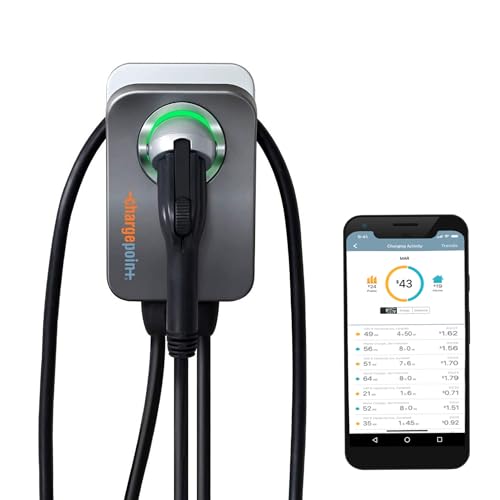
ChargePoint HomeFlex Level 2 EV Charger J1772
View on AmazonRecommended Products
Solar Electricity Handbook - 2023 Edition: A simple, practical guide to solar energy – designing and installing solar photovoltaic systems: Boxwell, Michael
Solar Electricity Handbook - 2023 Edition: <strong>A simple, practical guide to solar energy – designing and installing solar photovoltaic systems</strong> [Boxwell, Michael] on Amazon.com. *FREE* shi
Sense Energy Monitor with Solar – Track Electricity Usage and Solar Production in Real Time
KNOW WHAT’S ON: Track how much electricity you’re using, what time your kids got home, or when someone leaves the basement light on. Sense <strong>identifies patterns in your energy use to help your f
ChargePoint HomeFlex Level 2 EV Charger J1772
Discover the latest in EV charging technology. Explore a diverse selection of smart, efficient, and compatible charging solutions for your electric vehicle.