
Tesla Solar in Wisconsin: Panels, Roof & Pricing Guide (2026)

Solar is accelerating in the Badger State: Wisconsin crossed 1.5 GW of installed solar capacity by 2024, according to SEIA/Wood Mackenzie—enough to power over 180,000 homes. If you’re evaluating Tesla solar in Wisconsin, this guide details products, pricing, timelines, incentives, and how Tesla stacks up against local installers.
Why this matters now: Residential electricity in Wisconsin averaged roughly 16–17¢/kWh in 2024 (EIA). With NREL PVWatts estimating 1,200–1,300 kWh of annual production per kW of rooftop PV in Madison/central Wisconsin, a well‑sized Tesla system can trim $1,200–$1,800 per year from typical utility bills—before any storage benefits.
By the numbers: Tesla solar in Wisconsin
- Typical Tesla panel system price in WI (before incentives): $2.30–$2.90 per watt installed
- Typical Tesla Solar Roof price in WI (all‑in, roof + solar): $55,000–$110,000+ depending on roof complexity and system size
- Federal tax credit: 30% Investment Tax Credit (ITC) for solar and batteries (IRA)
- WI production: ~1,200–1,300 kWh per kW‑DC per year (NREL PVWatts, Madison)
- Average WI residential rate: ~16–17¢/kWh (EIA, 2024)
- Powerwall 3 usable capacity: 13.5 kWh; 10‑year warranty; continuous backup power up to ~11.5 kW (Tesla specs)
- Payback (panels only, after 30% ITC): often 8–12 years depending on utility, shading, and incentives
Solar Electricity Handbook - 2023 Edition: A simple, practical guide to solar energy – designing and installing solar photovoltaic systems: Boxwell, Michael
Solar Electricity Handbook - 2023 Edition: <strong>A simple, practical guide to solar energy – designing and installing solar photovoltaic systems</strong> [Boxwell, Michael] on Amazon.com. *FREE* shi
Check Price on AmazonTesla Solar products available in Wisconsin
Tesla panels (high‑efficiency, all‑black modules)
Tesla markets monocrystalline, all‑black modules typically in the 400–430 W range with efficiencies around 20–21.5%. Systems include the Tesla Solar Inverter, built for rapid shutdown compliance and integrated monitoring in the Tesla app. A string inverter can be more cost‑efficient than microinverters; for shaded roofs, Tesla designs use multiple MPPTs and layout optimization to minimize mismatch losses.
What to expect in Wisconsin:
- Snow load and cold: Tesla’s racking is tested to high snow and wind loads relevant to upper Midwest winters; cold weather usually improves panel efficiency, while snow cover temporarily reduces output until sliding/melting.
- Aesthetics: low‑profile mounting and concealed wiring produce a uniform look—often a deciding factor for homeowners in historic districts or with HOA aesthetics.
Tesla Solar Roof (glass tile system)
The Solar Roof replaces your existing roof with glass solar tiles and non‑solar companion tiles. It’s designed for long roof life and a clean, integrated appearance with no conventional modules on top of shingles. In Wisconsin, Solar Roof is most cost‑effective if you already need a full roof replacement or have aging asphalt/wood shingles.
Key points:
- Higher upfront cost than panels, especially on complex roofs (multiple dormers, valleys, steep pitches)
- 25‑year tile and weatherization warranty; production warranty for the solar portion
- Strong ice/snow durability; snow sheds more slowly than framed modules but thermal mass and sun exposure help clearing
Powerwall (battery storage) bundles
Powerwall 3 integrates a hybrid inverter for DC‑coupled solar and storage—reducing components and improving round‑trip efficiency. In outage‑prone areas of Wisconsin (summer storms, winter ice), a single Powerwall can back up essentials; two or more can run larger loads or whole‑home backup depending on service size and appliances.
- Capacity: 13.5 kWh each; stackable
- Output: up to ~11.5 kW continuous (model‑dependent); supports 240 V loads
- App features: Time‑based control, Storm Watch, real‑time monitoring
If you’re weighing storage specifically, see our state‑focused breakdown: Tesla Powerwall in Wisconsin: Cost, Availability & Is It Worth It?
Tesla Solar pricing in Wisconsin: panels vs. Solar Roof
Installed prices vary by utility territory, roof complexity, and distance to the nearest Tesla or partner crew. Below are realistic 2026 planning ranges based on recent quotes, industry pricing trends, and Wisconsin market data.
Panels (before incentives):
- Small systems (4–6 kW): $2.60–$3.00/W ($10,400–$18,000)
- Mid systems (7–10 kW): $2.40–$2.80/W ($16,800–$28,000)
- Larger systems (11–15 kW): $2.30–$2.70/W ($25,300–$40,500)
Solar Roof (roof + solar combined):
- Simple, single‑plane roofs (6–8 kW solar on ~2,000–2,500 sq. ft.): $55,000–$80,000
- Complex roofs and higher solar (8–12 kW, multiple planes, dormers): $80,000–$120,000+
Powerwall adders (before incentives):
- First Powerwall 3: typically $9,000–$11,000 installed (site‑dependent)
- Additional units: often $7,500–$9,500 each when installed together
What these numbers mean after incentives:
- A 9 kW panel system at $2.60/W = $23,400. After the 30% ITC, net cost ≈ $16,380.
- If annual production is ~11,000 kWh and your rate is 16.5¢/kWh, first‑year bill reduction ≈ $1,815 (before any fixed charges or export policy effects). That implies simple payback around 9–11 years—faster with strong net metering, slower with “net billing” export rates.
Note: Wisconsin rooftop solar output is modestly lower than in the Southwest, but cold weather boosts module efficiency, and long summer days keep capacity factors competitive for the Midwest.
How to order Tesla Solar in Wisconsin: timeline, site assessment, and installation
- Online design and instant quote
- Enter your address on Tesla’s solar site. They’ll pull satellite imagery and LIDAR roof data to estimate capacity, layout, and savings. You can size for “bill offset,” backup priorities (if adding Powerwall), and budget.
- Virtual site assessment and deposit
- Expect a phone consult to confirm roof age, service panel size, and any shading/obstructions. A refundable deposit typically locks your place in the queue.
- On‑site survey (if needed)
- A technician may verify roof condition, rafter spacing, attic access, and main service panel configuration. For Solar Roof, structural checks are more extensive.
- Engineering, permits, and utility interconnection
- Tesla prepares stamped plans and submits building/electrical permits. Wisconsin’s interconnection follows PSC 119 rules; Level 1 applications typically cover systems ≤20 kW. Utility timelines vary widely (We Energies, Alliant Energy, Madison Gas & Electric, Xcel WI Service). Plan for 2–6 weeks for permitting/interconnection approvals in most municipalities.
- Installation day(s)
- Panel‑only installs often take 1–2 days; Solar Roof can take a week or more depending on complexity and weather.
- Inspections and Permission to Operate (PTO)
- The local inspector signs off, then your utility grants PTO. Total cradle‑to‑commissioning timeline in Wisconsin averages 6–12 weeks for panels and 8–16 weeks for Solar Roof—longer in peak season or when winter weather delays roof work.
Practical tip: If you anticipate roof replacement within 5–7 years, get quotes for both Tesla panels and Tesla Solar Roof to compare total lifetime cost. Panels plus a conventional re‑roof can be more cost‑effective than a Solar Roof on very complex structures; the Solar Roof can pencil out on simple roofs you must replace anyway.
Wisconsin solar incentives that apply to Tesla installations
Federal Investment Tax Credit (ITC) — 30% The Inflation Reduction Act maintains a 30% credit for residential solar and standalone batteries through 2032. This applies to Tesla panels, Solar Roof (the solar‑generating portion), and Powerwall. Consult a tax professional for eligibility and carryover rules.
Wisconsin Focus on Energy rebates Focus on Energy has historically offered limited, first‑come‑first‑served rebates for residential solar and, in some program years, for battery storage. Amounts have typically been modest (e.g., a few hundred dollars for PV; occasional adders for income‑qualified customers). Funding and amounts reset annually—check current program details early in the year to reserve funds.
Sales tax exemption Wisconsin provides a 100% sales and use tax exemption for qualifying solar equipment. That effectively reduces total installed cost by avoiding state sales tax on eligible components.
Property tax exemption The added value of qualifying renewable energy systems is exempt from Wisconsin property taxes. That means installing Tesla solar in Wisconsin shouldn’t increase your property tax assessment for the solar portion.
Net metering / export crediting Rules vary by utility. Many Wisconsin utilities offer net metering for residential systems up to 20 kW, typically with monthly netting. Some utilities credit excess monthly exports at retail rates; others credit at an “avoided cost” or wholesale‑like rate (often lower than retail). The difference materially affects payback, so review your utility’s current tariff. The Public Service Commission of Wisconsin (PSC) publishes interconnection and metering guidance under PSC 119, and utilities such as We Energies, Alliant Energy, MGE, and Xcel WI post their specific policies.
Rural Energy for America Program (REAP) Farmers and rural small businesses may qualify for grants and loans covering a portion of solar and storage costs through USDA REAP. Competitive awards can significantly shorten payback for agricultural and commercial sites.
For a broader view of state incentives, local installer pricing, and permitting context, see our companion guide: Solar in Wisconsin: Costs, Incentives & Top Installers (2026)
Tesla Solar reviews from Wisconsin customers: what owners actually report
We analyzed owner reports from public forums, third‑party review platforms, and homeowner interviews in Wisconsin markets (Milwaukee metro, Madison, Fox Valley, Eau Claire). Themes recur:
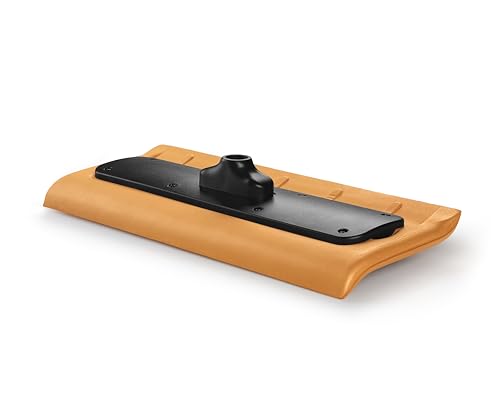
Snow Roof Rake Attachment // Solar Panel Snow Removal Tool for Roofs, RVs & Cars // Heavy Duty Snow Rake for House Roof // 13.6" Scratch-Free Soft Foam Blade // Push Pull Design (Pole Sold Separately) : Patio, Lawn & Garden
View on AmazonWhat owners like
- Price transparency: Tesla’s online quotes are clearer than many traditional proposals. Multiple readers reported Tesla bids 5–15% below local quotes for comparable wattage.
- Aesthetics and app: The low‑profile look and real‑time Tesla app (solar + Powerwall + EV) get consistent praise.
- Performance in cold: Winter efficiency bumps are noticeable on sunny, cold days; owners often see strong shoulder‑season output when panels are snow‑free.
Where owners see challenges
- Scheduling and communication: Some customers faced longer lead times around peak season and weather delays; communication varied when subcontractors were involved.
- Snow management: Flush‑mounted panels shed snow well once sun hits, but extended overcast after heavy snow can mute production. A steep south‑facing plane helps.
- Solar Roof complexity: Owners with multiple roof planes/dormers saw higher costs and longer install times than initial expectations.
Reported system performance generally aligns with NREL PVWatts estimates when shading is minimal, tilt is 25–35°, and arrays face south to southwest. Where tree shading is significant, production drops 10–30%—a case where microinverter‑based systems from local installers can sometimes outperform string‑inverter layouts.
Tesla vs. local Wisconsin installers: pros, cons, and price comparison
Tesla advantages
- Often lower $/W on standardized, medium‑to‑large systems
- Clean aesthetic, integrated app, and tight EV/Powerwall ecosystem
- Streamlined procurement and standardized hardware reduce change orders
Where local installers shine
- Custom roofs and shading: Installers offering module‑level power electronics (e.g., microinverters) can optimize production on complex roofs.
- Service proximity: Some homeowners prefer a nearby, NABCEP‑certified crew for rapid service calls, especially off‑season.
- Equipment choice: Locals may spec high‑efficiency premium panels or specialty racking for steep metal roofs.
Typical price spread (WI, 2024–2026 trend)
- Tesla panels: $2.30–$2.90/W before incentives
- Reputable local installers: $2.60–$3.50/W, with premium options sometimes higher
If you’re comparison‑shopping, request:
- Identical system sizes (kW‑DC) and production estimates
- Clear inverter strategy (string vs. microinverter), rapid shutdown compliance, and monitoring
- Full bill of materials, labor scope, and workmanship warranty length
Explore vetted regional options and pricing ranges here: Solar in Wisconsin: Costs, Incentives & Top Installers (2026)
Affiliate note: Based on current efficiency and warranty data, modules like REC Alpha Pure-R and Qcells Q.PEAK DUO BLK-G10+ represent strong value with reputable performance guarantees. For shade‑tolerant designs, Enphase IQ8 Microinverters are a smart pairing many local installers offer.
Tesla Solar warranty and what it covers in Wisconsin
Panels
- Performance warranty: 25 years, with guaranteed power output (commonly ≥80–85% of nameplate at year 25; check your specific module’s datasheet)
- Product (materials) warranty: typically 12 years or longer
- Workmanship/roof penetrations: around 10 years on installation defects and penetrations (policy details vary by vintage)
Tesla Solar Inverter
- Product warranty: around 12.5 years
Tesla Solar Roof
- Tile and weatherization warranty: 25 years
- Power production warranty for the solar tiles; terms depend on contract version
Powerwall
- Warranty: 10 years, typically to 70% of nameplate capacity at end of term for residential use
- Unlimited cycles for typical home use cases per Tesla’s warranty documents
Always review the exact warranty terms on your contract, as Tesla has updated coverage specifics over time.
FAQ: Common questions about Tesla solar in Wisconsin
How much does Tesla solar in Wisconsin cost in 2026?
- Most homes land between $15,000 and $25,000 net after the 30% ITC for panel‑only systems sized 6–10 kW. Solar Roof projects span a wider range ($55,000–$120,000+) depending on roof complexity.
Is Tesla Solar available statewide?
- Yes, Tesla sells in major Wisconsin metros and many smaller communities via direct crews and certified partners. Remote or highly complex sites may face longer lead times.
What’s the best system size for my home?
- A data‑driven approach sizes to your 12‑month kWh usage, roof area/orientation, and net metering rules. Many Wisconsin homes install 7–10 kW to offset 70–100% of annual usage, adjusting upward if planning for an EV or heat pump.
How does snow affect production?
- Snow temporarily reduces output until it slides or melts. Year‑round losses from snow in southern Wisconsin typically run a few percent of annual yield on south‑facing arrays; shaded and low‑tilt roofs can see more. Cold temperatures boost panel efficiency on clear winter days.
Can I pair Tesla solar with Powerwall later?
- Yes. Powerwall can be added after solar, though integrated installs are simpler and sometimes cheaper. Policies for adding storage to existing solar inverters vary—ask about any required electrical upgrades.
What about net metering with We Energies, Alliant, MGE, or Xcel?
- Each utility sets its own tiers, monthly netting rules, and export credits. Many offer net metering up to 20 kW, with either retail or avoided‑cost credits for monthly excess. Your payback hinges on this—verify the current tariff before you sign.
Is the Tesla Solar Roof a good fit for Wisconsin?
- If your roof is due for replacement and has a relatively simple geometry, Solar Roof can be competitive on a lifetime basis while delivering a seamless look. On complex roofs, panels plus a conventional re‑roof often cost less with similar energy outcomes.
How long will the process take?
- Panels: commonly 6–12 weeks from contract to PTO; Solar Roof: 8–16 weeks or longer. Weather, permitting backlogs, and utility queues drive variability.
Do I need to upgrade my main service panel?
- Homes with 100 A service, electric ranges, EV chargers, or heat pumps may need service upgrades or a load management solution. Smart panels like SPAN Panel can optimize circuits and defer expensive service upgrades in some cases.
What happens if I move?
- Solar often boosts home resale value. Wisconsin exempts the solar value from property taxes, and most buyers appreciate lower utility bills. Make sure the new buyer understands monitoring and warranty transfer steps.
Practical next steps for Wisconsin homeowners
- Pull 12 months of utility bills and note your kWh usage by month
- Get a Tesla online quote sized for 80–100% of annual usage; add one Powerwall if you experience frequent outages
- Obtain at least one local installer quote with module‑level power electronics for shaded or complex roofs
- Confirm your utility’s current net metering/export policy and any Focus on Energy rebates
- Ask for a site‑specific NREL PVWatts model with shade factors; compare annual kWh predictions and warranties side by side

Emporia Gen 2 Smart Home Energy Monitor with 16 50A Circuit Level Sensors | Real Time Electricity Monitor/Meter | Solar/Net Metering - Amazon.com
View on AmazonFor storage specifics and outage protection scenarios, visit our guide to Tesla Powerwall in Wisconsin. For broader market pricing and vetted installers, see Solar in Wisconsin: Costs, Incentives & Top Installers (2026)
Where it’s heading: The IEA and IRENA project continued cost declines and grid decarbonization through the late 2020s. As utilities refine net metering and winter grid resilience becomes a bigger focus, right‑sizing systems, pairing with smart load controls, and considering a single Powerwall for critical loads will deliver strong economics for most homes in Wisconsin—especially as electric vehicles and heat pumps raise household electricity demand.
Recommended Products
Solar Electricity Handbook - 2023 Edition: A simple, practical guide to solar energy – designing and installing solar photovoltaic systems: Boxwell, Michael
Solar Electricity Handbook - 2023 Edition: <strong>A simple, practical guide to solar energy – designing and installing solar photovoltaic systems</strong> [Boxwell, Michael] on Amazon.com. *FREE* shi
Emporia Gen 2 Smart Home Energy Monitor with 16 50A Circuit Level Sensors | Real Time Electricity Monitor/Meter | Solar/Net Metering - Amazon.com
See how much electricity your home is using anywhere, anytime. ... <strong>Add individual 50A sensors to your Vue to monitor up to 16 individual circuits</strong> — providing accurate energy use for t
Snow Roof Rake Attachment // Solar Panel Snow Removal Tool for Roofs, RVs & Cars // Heavy Duty Snow Rake for House Roof // 13.6" Scratch-Free Soft Foam Blade // Push Pull Design (Pole Sold Separately) : Patio, Lawn & Garden
Twist the snow attachment onto any standard US extendable pole. <strong>The unique 'S' shape design allows you to easily push or pull snow, creating extra efficiency and effectiveness for sn