
Tesla Solar in South Dakota: Panels, Roof & Pricing Guide (2026)
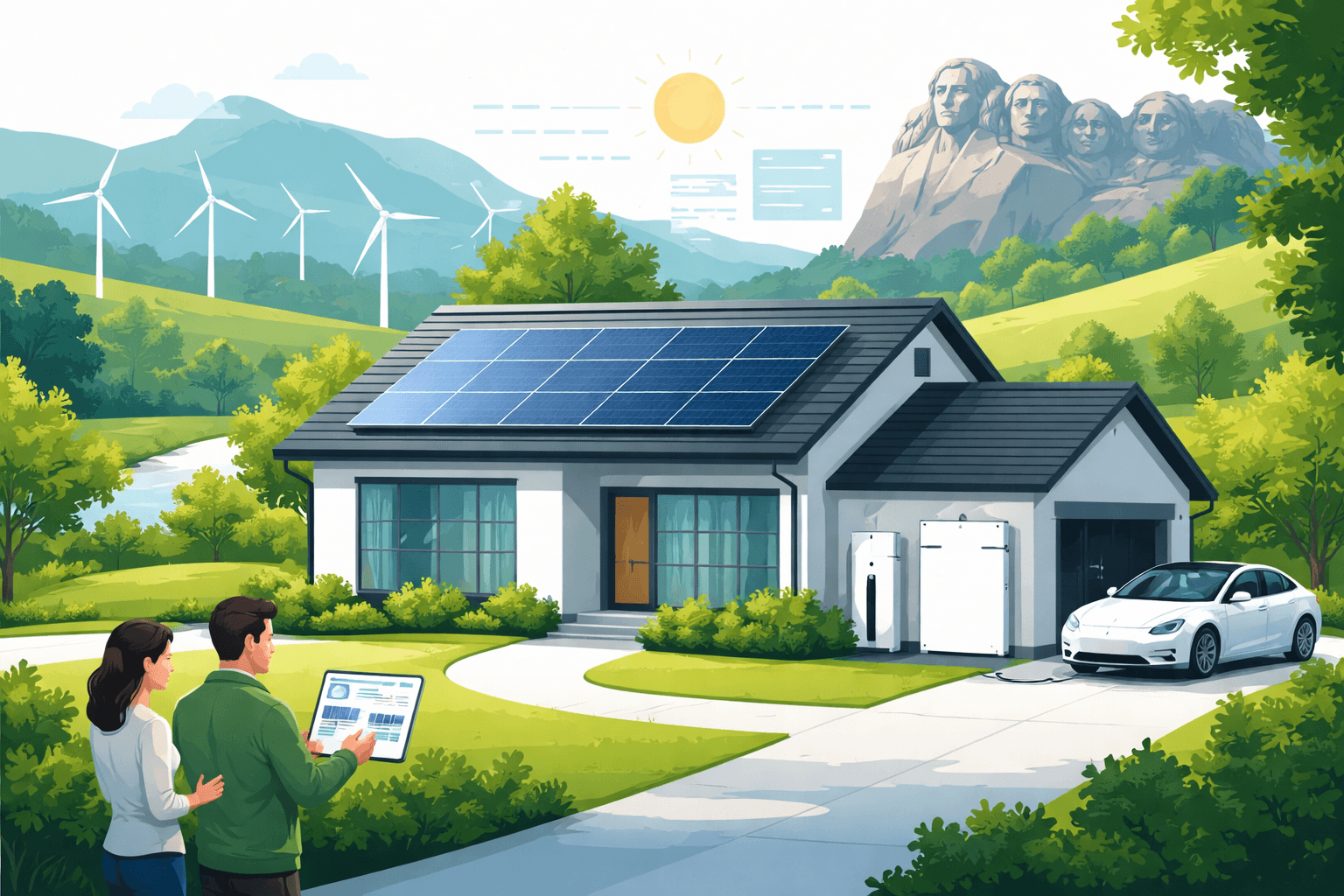
South Dakota’s residential solar market is small but accelerating: the state’s cumulative solar capacity surpassed 200 MW in 2024, with residential installs leading the growth (SEIA). For homeowners comparing options, Tesla Solar in South Dakota stands out for its aggressive pricing, sleek black panels, the Solar Roof, and Powerwall bundles that add backup power. This 2026 guide covers products, pricing, incentives, timelines, real owner feedback, and how Tesla compares to local installers—using the latest data from NREL, EIA, DSIRE, and the South Dakota PUC.
Tesla Solar in South Dakota: What’s Available
Tesla currently sells three core offerings to South Dakota homeowners:
Solar Electricity Handbook - 2023 Edition: A simple, practical guide to solar energy – designing and installing solar photovoltaic systems: Boxwell, Michael
Solar Electricity Handbook - 2023 Edition: <strong>A simple, practical guide to solar energy – designing and installing solar photovoltaic systems</strong> [Boxwell, Michael] on Amazon.com. *FREE* shi
Check Price on Amazon- Tesla Solar Panels (conventional roof-mounted modules)
- Tesla Solar Roof (glass solar shingles that replace your roof)
- Tesla Powerwall (home battery) — often bundled with panels or Solar Roof
What that means in practice:
- Panels: Tesla’s all-black monocrystalline modules typically fall in the 400–440 W range with around 20–21.5% efficiency, paired with the Tesla Inverter. The aesthetic is low-profile, with black racking and skirted edges.
- Solar Roof: Glass solar shingles integrated with non-solar tiles for a uniform look. Best for full roof replacements or new builds where you care most about curb appeal and long-term durability.
- Powerwall: A 13.5 kWh lithium-ion home battery that provides backup power and can shift solar generation into the evening. Tesla’s current generation (Powerwall 3) integrates a solar inverter and supports higher power output than prior models, which improves whole-home backup potential in cold-weather start-ups.
NREL’s PVWatts modeling suggests that a 1 kW DC fixed-tilt array in Sioux Falls typically produces roughly 1,350–1,500 kWh per year, depending on roof pitch, azimuth, and shading. That strong Plains-state solar resource makes Tesla Solar a viable option even with South Dakota’s relatively low retail electric rates.
Tip: If backup power is a priority because of winter storms or rural feeder outages, start your design assuming at least one Powerwall (13.5 kWh), and model critical loads (furnace fan, refrigerator, well pump, lighting, internet) to decide if you need a second unit.
Pricing: Tesla Panels vs. Tesla Solar Roof in South Dakota
South Dakota labor and permitting costs are generally lower than the national average, but utility interconnection and travel logistics (for rural sites) can add time and cost. Based on 2024–2026 market quotes in the Upper Midwest and Tesla’s national pricing trends:
- Tesla Solar Panels: Typically $2.30–$2.80 per watt (pre-incentive) in South Dakota. After the 30% federal tax credit, the effective net price is often $1.60–$2.00/W.
- Example: An 8 kW system priced at $2.50/W costs about $20,000 before incentives and about $14,000 after the 30% federal tax credit.
- Tesla Solar Roof: Highly site-specific. A 6–10 kW Solar Roof on a 2,000–3,000 sq. ft. home commonly prices between $60,000 and $100,000+ before incentives when you include both the roof and the solar component. The 30% federal tax credit applies to the solar-generating portion, not to all roof materials.
- Powerwall: Installed pricing often lands in the $10,000–$13,500 range per unit before the tax credit, depending on electrical upgrades and site complexity. The 30% federal credit applies to standalone batteries charged from solar, subject to current IRS guidance.
Battery-specific cost details, outage examples, and sizing tips: see our dedicated guide to the Tesla Powerwall in South Dakota: Cost, Availability & Is It Worth It?.
By the Numbers: What an 8 kW Tesla System Can Do in SD
- Annual production (NREL PVWatts, Sioux Falls): ~10,800–12,000 kWh
- Annual bill savings at $0.12–$0.14/kWh (EIA SD residential average): ~$1,300–$1,680
- Net upfront (after 30% federal credit on a $20,000 system): ~$14,000
- Simple payback: ~8–10.5 years (utility and shading dependent)
- 25-year lifetime energy: ~270–300 MWh (before degradation)
Your site’s roof orientation, shade, and utility billing structure will swing results by 10–25%.
How to Order Tesla Solar in South Dakota: Timeline and Steps
Tesla’s process is mostly digital, with aerial imagery and a follow-up site assessment.
- Online design and quote (1–3 days)
- Use Tesla’s online estimator to size your system. You can adjust system size and Powerwall count. Expect an initial design based on satellite imagery.
- Virtual consult and site assessment (1–2 weeks)
- A Tesla energy advisor or partner requests roof photos, panel upgrade info, and load details. For complex roofs or rural addresses, a physical site visit may be scheduled.
- Permitting and interconnection (2–6 weeks typical)
- Tesla prepares electrical and structural drawings. Your local Authority Having Jurisdiction (AHJ) reviews building/electrical permits. Interconnection applications go to your utility (investor-owned utilities follow South Dakota PUC interconnection standards; co-ops and munis have their own rules). Timelines vary: simple residential systems often clear in 2–4 weeks, while rural co-ops can take longer.
- Installation (1–2 days for panels; longer for Solar Roof)
- Roof-mounted panels install in a day or two. A Solar Roof can take a week or more, depending on complexity and weather.
- Inspection and Permission to Operate (1–4 weeks)
- City/county inspectors sign off first; then your utility conducts meter swap and grants Permission to Operate (PTO). Expect longer lead times in peak summer.
Total timeline: In most South Dakota locales, 6–12 weeks is common for panels + Powerwall; Solar Roof projects run longer because they combine roofing and electrical scopes.
South Dakota Solar Incentives That Apply to Tesla
South Dakota doesn’t have a statewide net metering law. Buyback rates and policies vary by utility: some investor-owned utilities use net billing or credits at an avoided-cost rate, while many rural electric cooperatives set their own interconnection and compensation terms. Always request your utility’s current distributed generation tariff.
Incentives and policies to know:
- 30% Federal Investment Tax Credit (ITC): Applies to Tesla Solar panels, Solar Roof’s solar-generating components, and Powerwall when paired and charged from solar, per IRS guidance under the Inflation Reduction Act.
- Property tax treatment: South Dakota law provides a property tax exemption for a substantial portion of a residential renewable energy system’s added value (commonly referenced as the first $50,000 or 70% of the added value, whichever is greater). Check SDCL 10-4-44 and confirm details with your county assessor and installer because interpretation and local practice can vary.
- Sales tax: South Dakota generally applies state sales tax (currently 4.2% at the state level, with possible local adders) to solar equipment; there is no statewide sales tax exemption for residential solar as of this writing.
- Interconnection: The South Dakota Public Utilities Commission (PUC) maintains interconnection standards for investor-owned utilities. Co-ops and municipal utilities often use their own processes; timelines and fees can differ.
For a deeper dive into statewide incentives, utility policies, and top local installers, see our state market roundup: Solar in South Dakota: Costs, Incentives & Top Installers (2026).
Tesla Solar Reviews From South Dakota Owners
Owner reports in South Dakota generally echo national patterns:
What owners like
- Price transparency: The online quote process and standardized pricing often undercut local bids by 5–15% on a per-watt basis for panels.
- Clean aesthetics: All-black modules and low-profile mounting get repeated praise.
- Integrated app: The Tesla app’s real-time solar, home load, and battery insights are clear and responsive.
- Powerwall performance in cold: With indoor/garage placement and preconditioning, Powerwall 3 delivers robust whole-home or critical-load backup during winter storms.
What owners flag as challenges
- Scheduling and communication: Rural jobs, weather windows, and third-party crew availability can lead to shifting install dates and slower responses.
- Utility coordination: In co-op territories without standard net metering, PTO steps can take longer; documented load calculations help.
- Roof nuance: Complex, steep, or high-snow-load roofs need careful racking and snow management planning; some owners add snow guards after first winter.
Across dozens of Midwest reviews, post-install satisfaction trends upward after PTO, with most frustrations concentrated in the permitting-to-PTO window. Ask your Tesla advisor early about local crew cadence and your utility’s current PTO lead time.
Tesla vs. Local South Dakota Installers
There’s no one-size-fits-all answer. Consider the trade-offs:

EF ECOFLOW Smart Home Panel 2, the Center of the Whole
Alternatively connect <strong>3 x EcoFlow DELTA Pro 3 units with 6 x Extra Batteries for energy storage up to 36kWh</strong>. It's not just for longer backup but lets you to control and run every
Check Price on AmazonWhere Tesla tends to win
- Price: Standardized hardware and national scale often yield lower $/W.
- Aesthetics: Skirted panels and black hardware are hard to beat.
- Battery integration: Powerwall + Tesla Inverter + app experience is seamless.
Where local installers shine
- Customization: Ground mounts, bifacial arrays, metal-roof clamps, snow guards, and complex electrical interconnects are often easier to spec locally.
- Equipment choice: Prefer microinverters or a specific panel brand? Locals can quote Enphase or SolarEdge builds and niche high-efficiency panels.
- Service proximity: Faster on-site support, especially beyond warranty.
Typical price comparison in South Dakota (panels only)
- Tesla: ~$2.30–$2.80/W (pre-ITC)
- Local installers: ~$2.60–$3.20/W (pre-ITC) depending on equipment mix and scope
If your utility uses avoided-cost buyback (rather than retail net metering), maximizing self-consumption matters. In those cases, pairing panels with a battery, load control, or a smart panel can improve economics even if it nudges up payback time.
Pro tip: When comparing bids, align on system size (kW DC), production (kWh/year), degradation rate, adders (main panel upgrade, trenching), monitoring, and warranty coverage to make a true apples-to-apples decision.
Tesla Solar Warranty Coverage in South Dakota
- Panels
- Performance warranty: 25 years, with guaranteed output (commonly 80–85% of nameplate at year 25; check your specific module datasheet).
- Product warranty: Typically 12 years or longer depending on the module Tesla sources at the time of install.
- Tesla Inverter: 12.5-year warranty (parts and labor) per Tesla’s standard terms.
- Workmanship: Approximately 10 years on installation workmanship and roof penetrations.
- Powerwall: 10-year warranty with energy throughput terms and capacity retention (Tesla specifies end-of-warranty capacity, typically 70% when used for daily cycling; check current warranty language).
- Solar Roof: 25-year tile warranty, 25-year weatherization, and 25-year power output warranty on the generating tiles.
Always review the exact warranty documents attached to your order; Tesla periodically updates terms.
Practical Buying Tips for South Dakota Homes
- Model winter: Use NREL PVWatts for month-by-month production. Snow cover and short days reduce winter output—size with that in mind if you want more shoulder-season coverage.
- Battery placement: Keep Powerwall indoors (garage, utility room) for thermal stability; Tesla specifies operating ranges down to around -20°C, but indoor installation improves performance during arctic snaps.
- Load control: Without retail net metering, self-consumption is king. Consider smart panels or controllable loads (water heater, EV charging) to soak up midday solar.
- Roof condition: If your asphalt roof has <10 years of life left, compare the economics of re-roofing + panels versus a Tesla Solar Roof. The latter can pencil when you already need a premium re-roof.
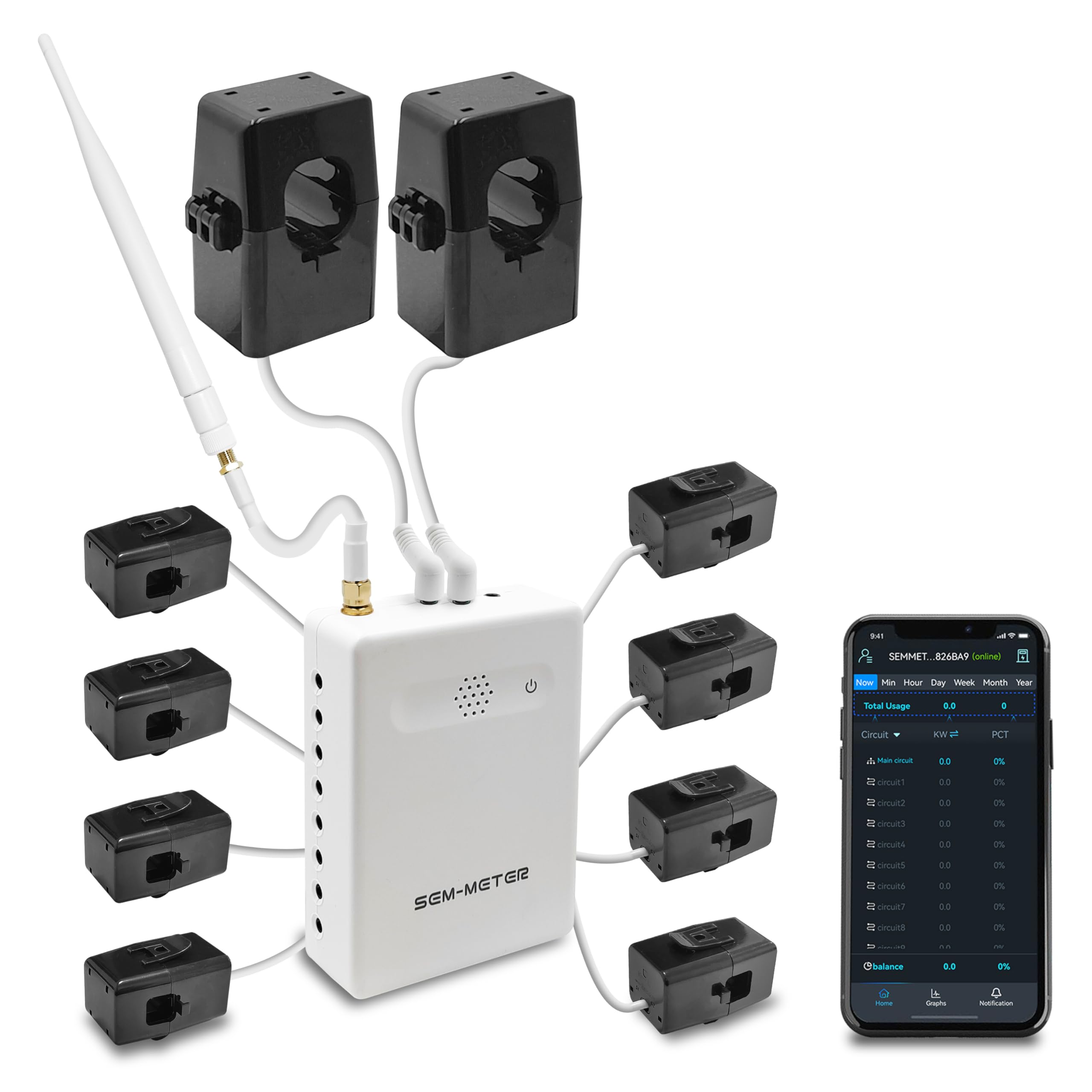
Smart Home Energy Monitor with 8 50A Circuit Level Sensors | Vue - Real Time Electricity Monitor/Meter | Solar/Net Metering - Amazon.com
View on AmazonAffiliate picks that complement Tesla systems
- For panel-level resiliency and shade tolerance on non-Tesla builds, Enphase IQ8 Microinverters deliver high uptime and rapid shutdown compliance.
- Pair solar with circuit-level insights and automated EV/water-heater control using the Emporia Vue 2 Energy Monitor to boost self-consumption.
- If you want whole-home load management and flexible backup circuits with Powerwall, a Span Smart Panel can prioritize critical loads during outages.
FAQ: Common Questions About Tesla Solar in South Dakota
Is Tesla Solar available everywhere in South Dakota? Tesla services major metros and many rural zip codes, but very remote sites may face longer scheduling windows or travel fees. Enter your address in Tesla’s estimator to confirm coverage.
Does South Dakota have net metering for Tesla Solar? There is no statewide net metering mandate. Some utilities credit exports at avoided-cost rates (often well below retail). Check your utility’s distributed generation tariff.
What’s the typical payback period? For a well-sited 7–10 kW system without retail net metering, payback commonly runs 8–12 years, depending on your export rate and self-consumption.
Should I add a Powerwall? If you value backup power or have non-retail export rates, a Powerwall can increase self-consumption and resilience. Financial ROI improves when your export rate is low and evening consumption is high.
How does snow affect Tesla panels? Snow reduces winter production; most arrays shed snow after a thaw/sunshine day due to glass slickness and panel heat. Avoid manual snow clearing that risks damage. Consider snow guards near roof edges where icicles are a concern.
Can Tesla install on metal or tile roofs? Yes, with appropriate racking and attachments. Complex roofs may add cost and time. For full roof replacements and premium aesthetics, consider Solar Roof.
What about hail and wind? Tesla panels are tested to industry standards for hail impact and wind uplift. The Solar Roof’s tempered glass tiles are UL-tested for hail and high-wind resistance. Verify local code and design wind speeds (ASCE 7) with your installer.
How will my utility meter solar exports? Most utilities install a bi-directional meter. Credit value depends on your tariff. Batteries can reduce exports and increase on-site use.
Can I finance Tesla Solar? Yes. Tesla offers cash purchase and loan options. Local banks and credit unions in South Dakota also finance solar at competitive rates.
Who handles service after install? Tesla provides remote monitoring and will dispatch service crews or approved contractors as needed. Response times can be longer in rural areas.
Where the Market Is Heading
- Equipment: Module efficiencies are edging above 21% in mainstream residential panels; microinverter and hybrid inverter options keep improving cold-weather performance and uptime.
- Storage: Powerwall 3 and peer systems are raising usable power output, making whole-home backup more attainable in cold climates where motor loads (well pumps, furnaces) need higher surge.
- Policy: Even without statewide net metering, falling hardware costs and smarter load management continue to improve South Dakota solar economics—especially when paired with batteries and controllable loads.
If you want to compare Tesla’s standardized pricing against top local bids and current utility buyback rules, start with our state snapshot: Solar in South Dakota: Costs, Incentives & Top Installers (2026), then lock a Tesla estimate and run both through the same production and tariff assumptions.
Sources: NREL PVWatts (production modeling), U.S. EIA (state electricity rates and reliability), DSIRE (incentives and tax treatment), South Dakota PUC (interconnection rules), SEIA (state capacity and market growth).
Recommended Products
Solar Electricity Handbook - 2023 Edition: A simple, practical guide to solar energy – designing and installing solar photovoltaic systems: Boxwell, Michael
Solar Electricity Handbook - 2023 Edition: <strong>A simple, practical guide to solar energy – designing and installing solar photovoltaic systems</strong> [Boxwell, Michael] on Amazon.com. *FREE* shi
Smart Home Energy Monitor with 8 50A Circuit Level Sensors | Vue - Real Time Electricity Monitor/Meter | Solar/Net Metering - Amazon.com
Lightweight commercial 3-phase option available as a separate bundle. APPLICATION MONITORING WITHOUT GUISEWORK <strong>Up to sixteen (16) 50A sensors to accurately monitor your air conditioner, oven,
EF ECOFLOW Smart Home Panel 2, the Center of the Whole
Alternatively connect <strong>3 x EcoFlow DELTA Pro 3 units with 6 x Extra Batteries for energy storage up to 36kWh</strong>. It's not just for longer backup but lets you to control and run every