
Best Electric Vehicles for Families: Top EVs for Safety, Space, Range, and Value
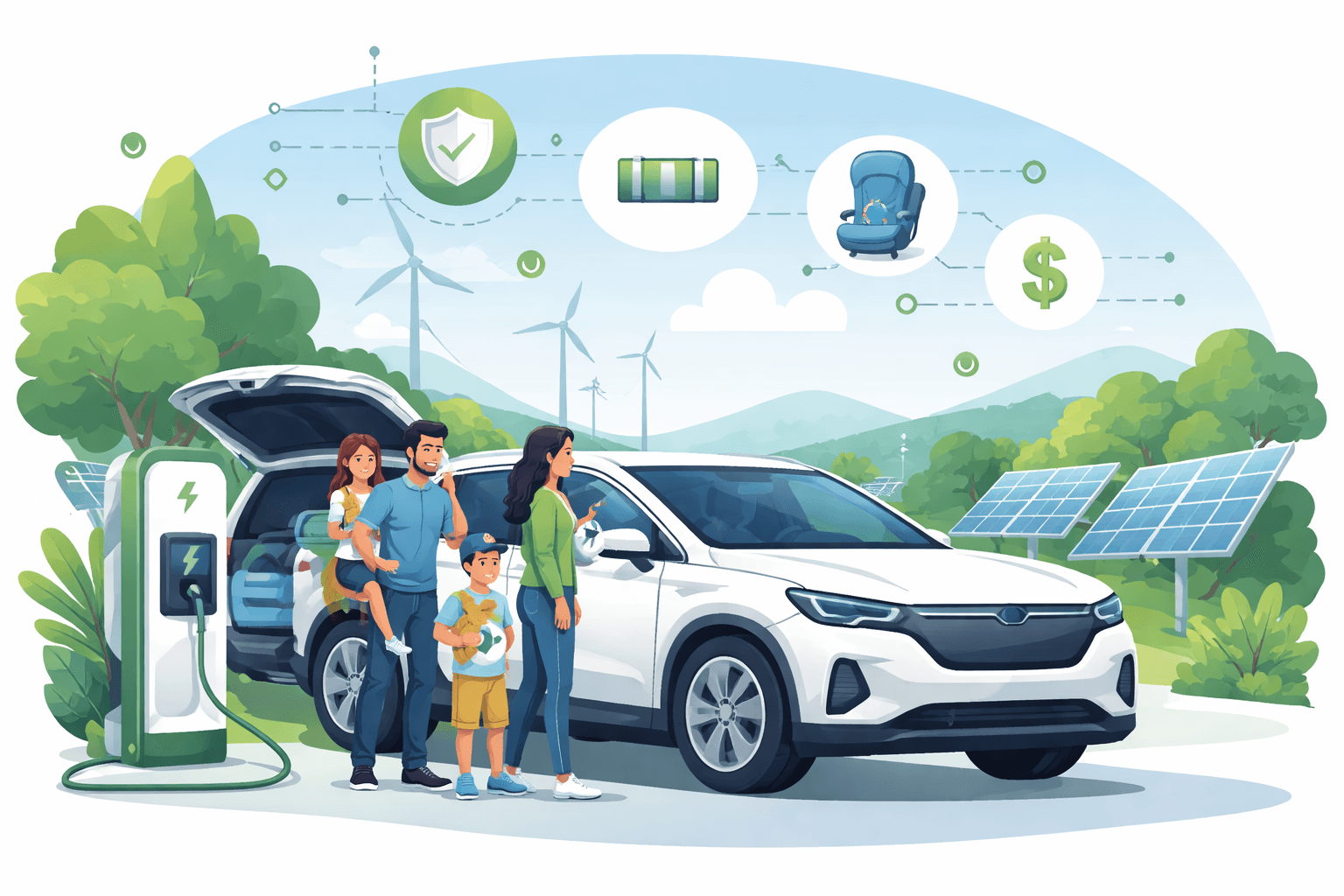
Families ask different questions about EVs than solo commuters do. The best electric vehicles for families need verified crash safety, real child‑seat fit, generous cargo, and painless charging—plus realistic ownership costs. This guide uses hard data from the EPA, IIHS, NHTSA, Consumer Reports, and automaker specs to help you pick an EV that fits your people, your trips, and your budget.
Note: Specifications and incentives here reflect publicly available data through late 2024. Always verify current ratings, pricing, and credits before buying.
How we evaluate family EVs
What makes an EV truly family‑friendly is broader than a long EPA range. We weigh:
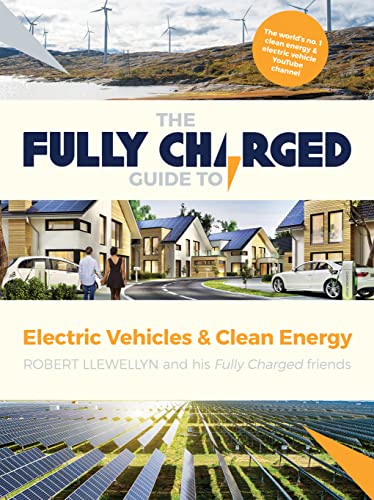
The Fully Charged Guide to Electric Vehicles & Clean Energy
Read it now. Fully Charged is a YouTube show produced and hosted by Robert Llewellyn (Red Dwarf, Scrapheap Challenge, Carpool), which <strong>focuses on electric vehicles and renewable energy</strong>
Check Price on Amazon- Safety: crashworthiness and crash avoidance from IIHS and NHTSA; availability of automatic emergency braking with pedestrian/cyclist detection; rear‑seat reminders; robust driver‑monitoring; and good LATCH accessibility for car seats (IIHS LATCH ease‑of‑use ratings).
- Seating layout and car‑seat fit: two vs. three rows; second‑row width; third‑row usability for real kids; number and placement of LATCH anchors and top tethers; flat floors for boosters.
- Cargo space: usable volume behind the second and third rows, plus frunk storage; load floor height and lift‑over.
- Comfort and family features: rear climate zones, heated rear seats, sunshades, plentiful USB‑C power, durable upholstery, and quiet cabins.
- Accessories: factory roof rails and crossbars; tow packages; integrated hitches; spare‑tire availability (rare) or space‑saver provisions.
- Usability tech: clear physical controls for essentials, quick defog/defrost, and reliable phone‑as‑key or key fobs. OTA (over‑the‑air) software support is a plus for longevity.
Real‑world practicality: range, charging, towing, reliability
- EPA vs. real driving: EPA range is a mixed city/highway test under mild conditions. Highways at 70+ mph, winter cold, and roof boxes all reduce range. Consumer Reports’ winter testing finds EVs typically lose 25% range in cold with cabin heat, though heat‑pump systems mitigate losses; AAA (2019) measured up to 41% loss at 20°F with heat on. Plan for 20–30% buffers for winter road trips and sustained highway speeds.
- Charging speed: Look beyond peak kW to 10–80% charge time. 800‑V platforms (Hyundai Ioniq 5/Kia EV6/EV9) routinely deliver 10–80% in ~18–25 minutes on 350‑kW stations (manufacturer claims; independent tests often see 20–30 minutes). Best Electric SUVs: Top Picks, Key Features, and What to Know Before You Buy on V3 Superchargers (250 kW peak) typically needs ~25–30 minutes 10–80% in warm conditions. VW ID.4’s 82‑kWh pack peaks at ~175 kW, about 28–32 minutes 10–80%.
- Home charging needs: A 240‑V Level 2 charger at 32–48 A (7.7–11.5 kW) adds roughly 25–45 miles of range per hour depending on vehicle efficiency. The U.S. DOE reports most EV charging happens at home; installation typically runs $800–$2,000 for a garage‑mounted unit, but can be higher if panel upgrades are needed.
- Towing and roof loads: Family haulers often tow small campers or carry bikes/skis. Typical ratings: Tesla Model Y (3,500 lb with factory hitch), VW ID.4 (2,700 lb), Hyundai Ioniq 5 (2,000 lb U.S.), Kia EV6 (2,300 lb), Kia EV9 (up to 5,000 lb), Tesla Model X (5,000 lb), Rivian R1S (7,700 lb). Roof loads vary: many factory racks are 150–220 lb dynamic. Always check your specific trim’s rating.
- Reliability and maintenance: Consumer Reports’ 2023–2024 surveys show EVs currently have more reported problems on average than gas models—driven mostly by software and electronics—though powertrains remain simple and durable. Battery warranties are typically 8 years/100,000 miles; Hyundai/Kia offer long powertrain coverage (10 years/100,000 miles for original owners). Battery health data from Recurrent (2024) shows most modern EVs retain 85–95% capacity at ~100,000 miles, with fastest loss in the first years then gradual decline.
By the numbers: family‑relevant metrics
- Range (EPA combined):
- Small/compact family EVs: ~240–330 miles
- Three‑row SUVs: ~240–330 miles depending on pack and drivetrain
- Real highway range rule‑of‑thumb: 70–80% of EPA at 70 mph in mild weather; 60–75% in winter with heat.
- Charging times (10–80%):
- 800‑V systems (Ioniq 5/EV6/EV9): ~18–25 minutes under ideal conditions
- Tesla Model Y: ~25–30 minutes on V3 Superchargers
- VW ID.4: ~28–32 minutes on 175‑kW DC fast chargers
- Cargo volume (approx., seats up/maximum):
- Tesla Model Y: ~30/76 cu ft
- VW ID.4: ~30/64 cu ft
- Hyundai Ioniq 5: ~27/59 cu ft
- Kia EV9 (3‑row): ~20 behind row 3/~82 max
- Rivian R1S (3‑row): small behind row 3/~105 max + large frunk
- Energy cost per mile (home charging at ~$0.156/kWh, EIA 2024 avg):
- Efficient compacts (28 kWh/100 mi): ~$0.044/mi
- Mid‑size SUVs (34 kWh/100 mi): ~$0.053/mi
- Large 3‑row SUVs (40–50 kWh/100 mi): ~$0.06–$0.08/mi
Total cost of ownership: price, incentives, energy, and resale
- Purchase price: As of late 2024, family‑oriented EV MSRPs often land between $38,000 and $55,000 for compact/mid‑size SUVs; three‑row EVs start around the mid‑$50,000s and can exceed $80,000 with options.
- Incentives: The federal clean vehicle credit (up to $7,500) applies only to models meeting final assembly and battery sourcing rules; eligibility shifted multiple times in 2024. Several U.S.‑built models like the VW ID.4 and certain Tesla Model Y trims have qualified at various points, while others (e.g., Hyundai/Kia imports) often qualify via leasing. Many states add rebates or tax credits. Use our state‑by‑state guide to confirm current benefits and income/price caps: Electric Car Comparison: Find the Best EV for Your Budget & Needs.
- Used Electric Car Buying Guide: What to Check Before You Buy: The used clean vehicle credit (up to $4,000) can apply to EVs under $25,000 meeting age and income rules. Rapid price declines since 2023 mean strong value in 2–4‑year‑old EVs, though battery warranty status matters.
- Energy and maintenance: Home charging usually beats gas by 50–70% per mile at average electricity prices. Public fast charging can cost 2–3× home rates; plan to do most fueling at home if possible. EV maintenance (no oil changes, fewer moving parts) is typically lower, though tires on heavier EVs may wear faster.
- Depreciation: Market research in 2023–2024 (iSeeCars, Recurrent) shows higher early depreciation for EVs than comparable ICE models—driven by rapid new‑car price cuts and tech turnover—then stabilization. Choosing models with strong demand, long OTA support, and robust charging access can protect resale value.
For a refresher on EV tech and charging basics, see Electric Vehicles Explained: Types, Costs, Benefits & Impact.
Best electric vehicles for families: top picks by need and budget
These recommendations prioritize safety ratings where available, usable space, charging competence, and value. Always verify current IIHS/NHTSA scores for your exact trim and headlights; ratings can vary within a model line.
Small‑family hatchbacks and compact crossovers (2 rows)
Tesla Model Y (5 seats)
- Why it works: Among the roomiest 2‑row EVs with ~30 cu ft behind the second row and a deep underfloor bin plus frunk; strong real‑world efficiency (~28 kWh/100 mi EPA). NHTSA 5‑star overall; IIHS has awarded Top Safety Pick+ to the Model Y under recent protocols. Supercharger access reduces road‑trip friction. Tow rating up to 3,500 lb with factory hitch.
- Watch‑outs: Minimalist interior controls may be a learning curve. Ride can feel firm on 20–21" wheels; consider smaller wheels for comfort and winter tires.
Hyundai Ioniq 5 (5 seats)
- Why it works: Family‑friendly cabin with sliding rear seats, flat floor, and generous legroom. 800‑V charging enables ~18–25 min 10–80% in good conditions. EPA range up to ~303 miles (RWD). Often earns top crash scores; check current IIHS listing. Practical 27/59 cu ft cargo.
- Watch‑outs: Federal purchase credit availability has varied due to assembly location; leasing often preserves incentives.
Kia EV6 (5 seats)
- Why it works: Shares Ioniq 5’s 800‑V fast charging and road‑trip readiness; EPA range up to ~310 miles (RWD). Sportier chassis but still practical for small families. Tow rating up to ~2,300 lb (trim‑dependent).
- Watch‑outs: Sloped rear hatch limits bulky cargo vs. boxier rivals; rear headroom tighter for tall teens.
Volkswagen ID.4 (5 seats)
- Why it works: U.S. assembly brings frequent eligibility for federal credits; spacious back seat and squared‑off cargo area (~30/64 cu ft). Updated infotainment and 82‑kWh pack versions charge at up to ~175 kW. EPA range up to ~291 miles (RWD).
- Watch‑outs: Infotainment has improved but still not best‑in‑class. Test the interface and driver‑assist behavior.
Ford Mustang Mach‑E (5 seats)
- Why it works: Comfortable, quiet cruiser with competitive range (up to ~320 miles on select trims) and solid driver assistance. Good cargo versatility and available tow rating (1,500–3,300 lb depending on market/trim).
- Watch‑outs: Eligibility for federal credits has shifted with sourcing rules; verify current status. Some trims prioritize style over rear‑seat headroom.
Chevrolet Equinox EV (5 seats)
- Why it works: Targeted as a value family EV with competitive range (FWD models around 300+ miles EPA) and DC fast charging (~150 kW). Designed to meet federal credit criteria, bringing effective transaction prices into the high‑$20,000s to low‑$30,000s for many households when credits apply.
- Watch‑outs: First‑model‑year software maturity and dealer availability can vary. Confirm heat pump availability in colder regions.
Budget‑friendly alternatives: Hyundai Kona Electric (redesigned, ~261‑mile EPA range, compact but efficient), Nissan Ariya (spacious 2‑row, wide price band). For older kids only, liftback sedans like Polestar 2 or Tesla Model 3 can work but are tighter for rear‑facing seats.
Three‑row options (6–7+ seats)
Kia EV9 (3 rows)
- Why it works: One of the most family‑centric three‑row EVs, with adult‑usable second row, child‑usable third row, and smart cabin storage. 800‑V DC fast charging (~18–25 min 10–80%). EPA range varies by trim; up to ~300+ miles on RWD long‑range, ~270–290 on AWD. Tow rating up to 5,000 lb. IIHS has recognized the EV9 with strong crashworthiness (check current award level by trim/year).
- Watch‑outs: Heavier and less efficient than 2‑row EVs (expect ~40 kWh/100 mi). Federal purchase credits have been limited; leasing may be more favorable.
Rivian R1S (3 rows)
- Why it works: Adventure‑ready family hauler with real off‑road capability, cavernous max cargo (~105 cu ft with rows folded), a large frunk, and a 7,700‑lb tow rating. EPA ranges vary widely by pack/trim; large‑pack variants exceed 300 miles. Excellent crash test results reported; verify latest IIHS/NHTSA data for your build year.
- Watch‑outs: Efficiency is lower than mainstream SUVs (often ~45–50 kWh/100 mi in mixed use). Urban tight spots and parking garages can feel snug due to height and width.
Tesla Model X (3 rows)
- Why it works: Long highway range on many trims, strong efficiency for its size, robust Supercharger access, and 5,000‑lb towing. The flat load floor and deep underfloor storage are road‑trip assets. Historically strong crash scores.
- Watch‑outs: Falcon‑wing doors complicate some roof‑rack options and can be sensitive in low ceilings/garages. High purchase price.
Premium 3‑row alternatives: Mercedes‑Benz EQS SUV (optional third row, luxury focus), Volvo EX90 (software‑staggered launch; emphasis on safety sensors and driver monitoring). Always check latest safety test results and software update status.
Premium two‑row family EVs (if you don’t need a third row)
- BMW iX (2 rows)
- Why it works: Quiet, efficient for its size, and exceptionally comfortable on long drives; strong crash‑avoidance tech and driver‑assist tuning. Spacious rear seating and cargo for a two‑row luxury SUV.
- Watch‑outs: Options can drive prices very high; confirm home charging setup to avoid pricey public charging.
Safety, seating, and child‑seat compatibility: what to check in person
- LATCH and tethers: Count lower anchors and top tethers; ideally, you’ll get three top tethers across the second row. IIHS publishes LATCH ease‑of‑use grades (Good/Acceptable/Marginal/Poor). Anchors buried deep behind trim complicate installs.
- Three‑across reality: Measure second‑row hip room and bring your car seats. Many compact EVs fit two full‑size seats plus a booster, but true three‑across often requires narrow seats or a wider SUV.
- Third‑row usability: In three‑row EVs, try climbing into the third row with a child seat installed in the second row; look for tilt‑and‑slide seats that work with a LATCHed child seat (varies by model).
- Visibility and mirrors: Thick EV pillars can reduce rear visibility; ensure camera and parking sensors feel natural.
- Driver assist: Test adaptive cruise and lane centering on a familiar route. Some systems track attention via cameras for safety; confirm they’re not overly intrusive.
Charging and road‑trip planning for families
- Home baseline: If you drive 30–50 miles/day, a 32–40 A Level 2 charger covers nearly all needs overnight. At 11 kW, expect ~35–40 miles added per hour on efficient SUVs. Coordinate with your electrician for load calculations; panel upgrades may be required in older homes.
- Public networks: Verify your model’s access to Tesla Superchargers (NACS) and whether you need an adapter. Non‑Tesla networks (Electrify America, EVgo, etc.) vary by region; test a local station before your first trip.
- Route buffers: For winter trips or towing, plan to charge earlier and more often. A 20–30% state‑of‑charge arrival target provides cushion for closed chargers or detours.
- Roof boxes and bikes: Expect 10–25% range penalties for roof boxes and 20–40% for vertical bike racks at highway speeds. Consider hitch‑mount trays to reduce drag.
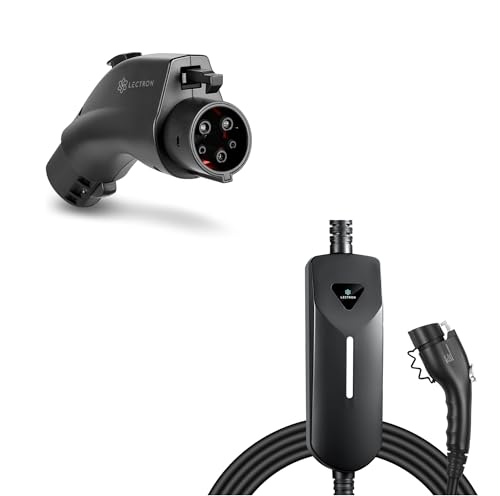
Lectron Tesla to J1772 EV Charging Adapter – NACS ...
View on Amazon
EMPORIA Level 2 EV Charger - NEMA 14-50 EVSE w/ J1772 Connector - 48 amp EV Charger Level 2, 240v WiFi Enabled Electric Vehicle Charging Station, 25ft Cable, White : Automotive
View on AmazonFor a deeper primer on EV charging types and speeds, see Electric Vehicles Explained: Types, Costs, Benefits & Impact.
Affordability checklist and incentives
- Price the whole package: Compare trims that include heat pumps (for cold climates), tow packages, roof rails, and driver‑assist suites. Dealer inventory often bundles features.
- Stack incentives: Combine federal, state, utility, and employer benefits. Many utilities offer $300–$1,000 for home charger installs and time‑of‑use rates that can halve overnight charging costs. Start here: Electric Vehicle Incentives by State: What’s Available, Who Qualifies, and How to Claim It.
- Lease vs. buy: Leasing can pass through the federal credit even when a model isn’t eligible for the purchase credit due to sourcing rules. Confirm the discount is explicitly applied to the capitalized cost.
- Insurance: Quote policies before buying; some EVs carry higher premiums due to parts and repair networks. Advanced driver‑assist can reduce accident rates but is costlier to repair.
Buying tips and local‑impact factors
- Charging infrastructure at home: Check panel capacity and parking logistics before committing. Townhouse/condo HOAs may require approvals—start early.
- Warranty and recalls: Review battery and power electronics coverage. Search your VIN for open recalls and service campaigns; OTA‑capable models may fix software issues without dealer visits.
- Used‑EV caveats: Scan for DC‑fast‑charge‑heavy histories (some apps and sellers disclose), check remaining battery warranty, inspect tires and brake rotors (rust from light use can occur), and verify included charge cables/adapters.
- Test‑drive with your gear: Bring strollers, sports equipment, and your child seats. Try loading with one hand; assess lift‑over height and underfloor storage. Sit in the third row with a front passenger seat set for a tall adult.
- Climate match: Heat pumps, heated seats/wheels, and efficient defrost matter in cold regions. In hot climates, strong cabin preconditioning and tinted glass reduce energy use.
- Dealer/service access: Especially for newer brands, check proximity of authorized service centers and mobile service coverage.
Where the market is heading
- More three‑row choices: Multiple automakers are scaling dedicated EV platforms for family SUVs, expanding beyond today’s short list. Expect more 3‑row entries with 300‑mile EPA ranges and 350‑kW charging by mid‑decade.
- NACS and charging reliability: With most North American brands adopting the Tesla (NACS) connector, cross‑brand access to the Supercharger network should simplify family road trips. Non‑Tesla networks are also upgrading hardware and software to improve uptime.
- Smarter energy use: Vehicle‑to‑load (V2L) for camping or power outages is spreading; some models will add vehicle‑to‑home (V2H) for whole‑home backup and time‑of‑use bill savings, though standards and warranties are still maturing.
- Safety tech: Better driver monitoring, child‑presence detection, and rear‑seat reminders are proliferating and should become standard across family‑focused trims.
Families have never had more capable EV options. Start by mapping your daily miles, road‑trip cadence, seating and cargo needs, and home charging situation. Then shortlist two‑row and three‑row candidates that fit—test them with your kids and gear, verify safety ratings for your exact trim, and let incentives and energy costs close the value gap.
Recommended Products
The Fully Charged Guide to Electric Vehicles & Clean Energy
Read it now. Fully Charged is a YouTube show produced and hosted by Robert Llewellyn (Red Dwarf, Scrapheap Challenge, Carpool), which <strong>focuses on electric vehicles and renewable energy</strong>
EMPORIA Level 2 EV Charger - NEMA 14-50 EVSE w/ J1772 Connector - 48 amp EV Charger Level 2, 240v WiFi Enabled Electric Vehicle Charging Station, 25ft Cable, White : Automotive
Buy EMPORIA Level 2 EV Charger - NEMA 14-50 EVSE w/ J1772 Connector - 48 amp EV Charger Level 2, <strong>240v WiFi Enabled Electric Vehicle Charging Station, 25ft Cable, White</strong>: Charging Stati
Lectron Tesla to J1772 EV Charging Adapter – NACS ...
Get Tesla to J1772 adapters with premium connectors and safety features. Compatible with various EV brands including Ford, Hyundai, and Chevrolet.