
Best Practices for Sustainable Transport: Practical Strategies for Low‑Carbon, Equitable Mobility
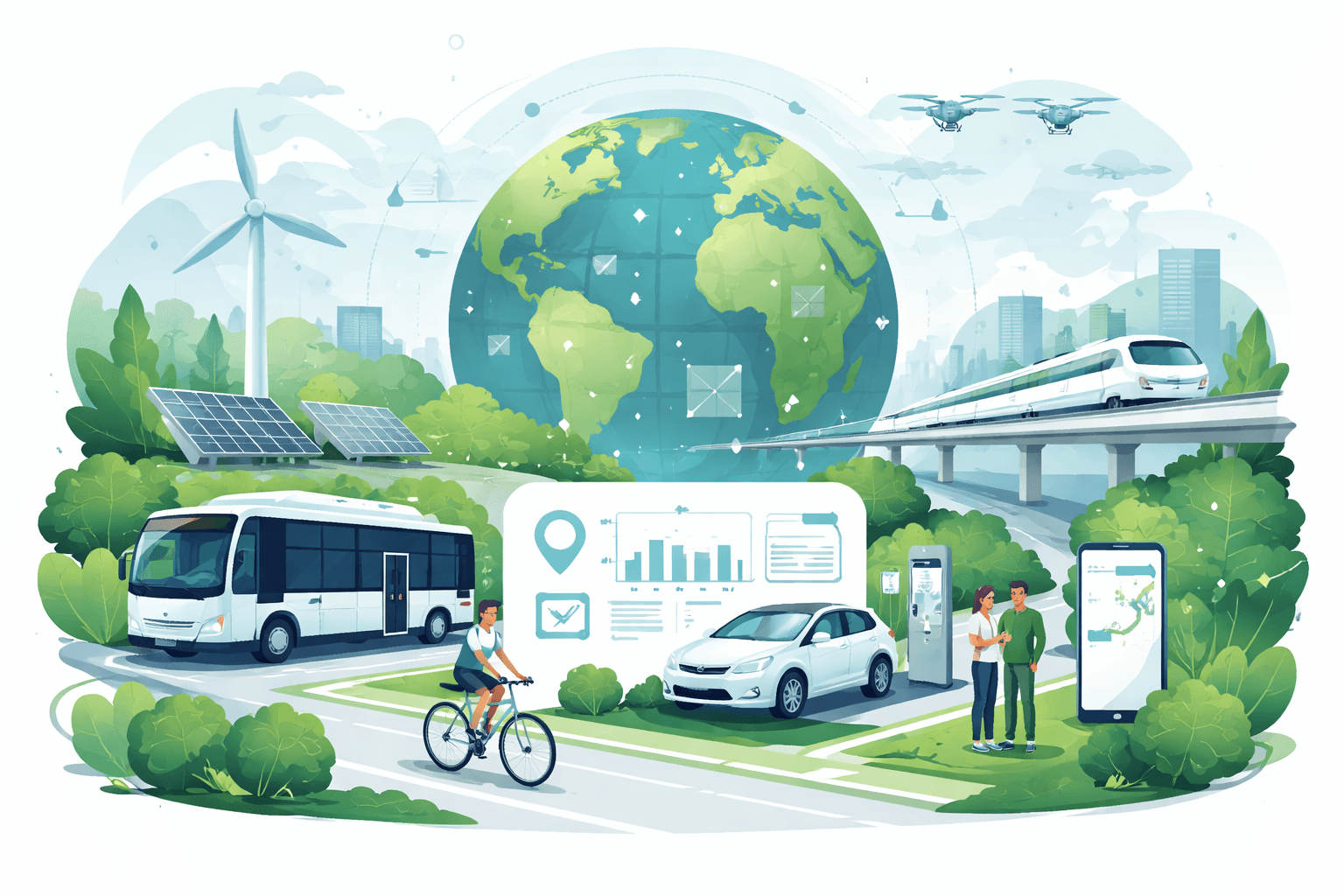
Transport accounts for roughly 23% of global energy-related CO2 emissions—about 7.7–8.1 gigatonnes in 2022—driven mostly by road vehicles (≈75% of transport emissions) with passenger cars alone responsible for ~45% (IEA 2023–2024). That scale makes getting best practices for sustainable transport right one of the most leveraged climate and public-health actions cities, companies, and countries can take this decade.
This guide distills evidence-based strategies—mode shift, network planning, electrification, pricing, and equity frameworks—into an implementation-ready playbook, with the KPIs to track progress.
By the numbers: why transport is the pivotal sector
- 23%: Share of global energy-related CO2 from transport (IEA 2024)
- 75%: Share of transport CO2 from road vehicles; trucks ≈29%, cars ≈45% (IEA 2024)
- 4.2 million: Annual premature deaths from ambient air pollution; road transport is a major urban NOx source (WHO 2022; EEA 2023)
- 18%: Share of global car sales that were electric in 2023; 14 million EVs sold, >40 million on the road (IEA, Global EV Outlook 2024)
- 60–70%: Typical lifecycle GHG reduction of a battery-electric car vs. gasoline on today’s grids, higher on cleaner grids (ICCT 2021–2023)
- 15–30%: Congestion/pricing schemes’ traffic reduction in London/Stockholm; inner-city CO2 down 14–18% (TfL; Swedish Transport Agency)
- 9–13: Private cars removed per round‑trip car‑share vehicle; 27–43% household GHG reduction among adopters (UC Berkeley TSRC)
Best practices for sustainable transport: core principles and objectives
Sustainable transport aims to deliver mobility that is low‑carbon, clean, safe, affordable, and resilient. The objectives translate into measurable targets:

Sustainable Transportation Planning
Working from a comprehensive definition ... Transportation Planning <strong>provides the definitive sourcebook for understanding and implementing the full range of modern community transportation syst
Check Price on Amazon- Carbon reduction: Lower well‑to‑wheel and lifecycle greenhouse gas (GHG) emissions across passenger and freight. Lifecycle analysis counts vehicle and infrastructure manufacturing plus use‑phase emissions.
- Air quality and safety: Cut NOx, PM2.5, and black carbon; reduce road fatalities and serious injuries (Vision Zero).
- Accessibility and affordability: Increase the share of people who can reach jobs, education, healthcare, and essential services within 30–45 minutes by public transport or active modes, at a cost proportionate to income.
- Resilience: Ensure networks withstand heat, floods, and disruptions, with diversified modes and redundancy.
Key performance indicators (KPIs) to track
- gCO2 per passenger‑kilometer (gCO2/p‑km) and per ton‑kilometer for freight (gCO2/t‑km)
- Mode share: percent of trips by walking, cycling, public transport, shared mobility, and private car
- Vehicle kilometers traveled (VKT/VMT) per capita
- Average traffic speed for buses and general traffic; transit reliability (on‑time performance)
- Criteria pollutants (NO2, PM2.5) exposure by neighborhood
- Road safety: fatalities and serious injuries per 100,000 population
- Accessibility: percent of population within 400 m of frequent transit; jobs reachable in 45 minutes by sustainable modes (access to opportunities)
- Affordability: share of household income spent on transport; fare‑capping participation
- Infrastructure readiness: EV chargers per EV; charger uptime; bus stop/rail station accessibility; protected bike‑lane km per 100,000 people
Implementation note: Municipal or corporate sustainability teams can align these KPIs within an assessment‑to‑action cycle using structured change frameworks such as those described in How to Implement Sustainable Practices: A Practical Guide to Assessment, Action and Scaling.
Mode shift and network planning
Well‑designed networks that make the sustainable option the convenient option deliver the fastest, cheapest emissions cuts.
Prioritize public transport and active travel
- Frequent, reliable transit: High‑frequency (≤10–12 minute headways) bus and rail services with all‑door boarding, transit signal priority (TSP), and dedicated lanes raise ridership and cut emissions per trip. Bus Rapid Transit (BRT) often delivers metro‑like capacity at 1/10th–1/20th the capital cost—roughly US$5–15 million/km vs. US$50–300 million/km for metro (ITDP).
- Active travel foundations: Build connected, protected bike networks and widened sidewalks. Cities that added protected lanes saw cycling volumes rise 30–100% within a year; helmet‑adjusted fatality risk drops where networks are continuous (multiple peer‑reviewed studies; OECD/ITF).
- Integrate fares and information: Unified fares, fare capping, and real‑time information lower friction across bus/rail/micro‑mobility.
Design for multimodal integration and first/last‑mile solutions
- Hubs, not hubs‑and‑spokes: Interchanges that colocate bus, rail, bike share, and micromobility with safe crossings and weather protection reduce transfer penalties.
- First/last‑mile options: Micromobility (shared e‑bikes/e‑scooters), on‑demand shuttles, and secure bike parking extend the reach of high‑capacity transit by 1–3 km.
- Universal design: Step‑free access, tactile paving, audio‑visual wayfinding, and low‑floor vehicles ensure mobility for seniors and people with disabilities.
Freight consolidation and clean logistics
- Urban consolidation centers (UCCs) and cargo‑bike delivery: European pilots report 20–30% fewer delivery trips and substantial NOx/PM cuts in zones served by UCCs and e‑cargo bikes (CIVITAS, EEA case studies).
- Time‑windowed access and curb‑space management: Allocate loading zones and digital curb permits to reduce double‑parking and idling.
- Rail and barge where feasible: Shifting long‑haul freight from road to rail or inland waterways cuts gCO2/t‑km by 60–90%, depending on the electricity mix (IEA; UIC).
Land use as a transport lever
- Transit‑oriented development (TOD): Higher density, mixed‑use, walkable neighborhoods around frequent transit can reduce residents’ VKT/VMT by 20–40% (meta‑analyses by Ewing & Cervero and updates via NREL/ITF).
- 15‑minute neighborhoods: Co‑locating daily needs within short walks or rides trims car dependency and improves equity.
Low‑emission technologies and infrastructure
Electrification, optimized with digital systems and smart grids, is the backbone of low‑carbon mobility—but it works best alongside mode shift.
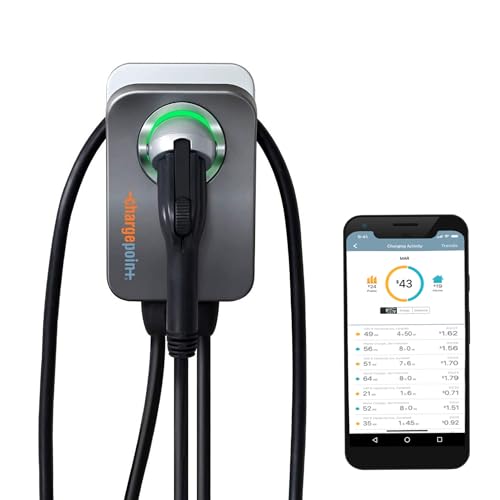
ChargePoint HomeFlex Level 2 EV Charger J1772
View on AmazonBattery‑electric vehicles (BEVs) and charging
- Role: For most light‑duty use cases, BEVs cut lifecycle GHG by 60–70% today (ICCT), eliminate tailpipe pollution, and reduce operating costs.
- Limits: Battery mass and charging downtime can constrain long‑haul freight without megawatt charging; lifecycle impact depends on grid carbon intensity and battery supply chains.
- Infrastructure: Global public chargers exceeded 4 million in 2023, with fast chargers >500,000 (IEA 2024). Best practices include 1 public charger per 10–20 EVs initially, high‑uptime targets (>97%), and equitable placement.
- Smart charging and grid integration: Managed charging can trim peak impacts by 30–60% and provide flexibility services; standards like OCPP and ISO 15118 enable interoperability (NREL; IEA). Depot microgrids and on‑site solar bolster resilience for bus/van fleets.
Electric buses and two/three‑wheelers
- Electric buses cut well‑to‑wheel emissions 70–90% on clean grids; operational savings often exceed 30% vs. diesel. Shenzhen’s 16,000+ e‑bus fleet proved large‑scale viability (Shenzhen DOT; World Bank).
- E‑bikes and e‑mopeds: In many Asian and European cities, these modes already move more people than cars at peak; they are the lowest‑emission motorized option per km and expand the reach of transit.
Hydrogen and fuel cells
- Best fit: Long‑haul, high‑utilization heavy trucks on fixed corridors; some rail, port equipment, and where batteries are impractical.
- Caveat: End‑to‑end efficiency is ~25–35% for green hydrogen fuel‑cell drivetrains vs. ~70–80% for battery‑electric (IEA; ICCT). Reserve limited green H2 for hard‑to‑electrify segments.
- Infrastructure: Early networks should focus on freight corridors and logistics hubs; Europe’s AFIR targets hydrogen refueling every ~200 km on core networks by 2030.
Aviation and shipping
- Aviation: Sustainable aviation fuels (SAF) deliver 60–80% lifecycle GHG cuts from waste‑ or residue‑based fuels, but supply remains <0.5% of jet fuel (IATA 2024). Demand management and efficiency (e.g., direct routing, contrail avoidance) matter this decade.
- Shipping: Wind‑assist, slow steaming, efficiency retrofits, shore power, and pilots with green ammonia/methanol are the near‑term toolkit (IEA, IMO).
Shared mobility and digital mobility services
- Car‑share, ride‑pooling, and bike‑share fill gaps and reduce car ownership: One shared car can remove 9–13 private cars from the road; households cut VKT and GHG 27–43% after joining (UC Berkeley TSRC).
- Mobility‑as‑a‑Service (MaaS): Integrated apps with bundled subscriptions can shift trips from car to transit/micro‑mobility; pilots in Helsinki and Vienna report reduced car ownership intent and higher multimodal use (OECD/ITF case studies).
- Guardrails: Prevent induced demand from ride‑hailing by favoring pooled trips, pricing solo rides appropriately, and integrating with transit.
Policy, funding, and behavior levers
Price signals and governance determine whether technology and infrastructure deliver results at scale.
Pricing and regulation
- Congestion pricing/road user charging: London and Stockholm cut traffic 15–30%, increased bus speeds, and reduced inner‑city CO2 by ~14–18% (TfL; Swedish Transport Agency). Equity is improved when revenues fund transit fare relief and service upgrades.
- Low‑ and zero‑emission zones (LEZ/ZEZ): London’s ULEZ drove a 44% reduction in roadside NO2 in the central zone since 2017 while accelerating fleet turnover (GLA/TfL).
- Parking and curb management: Right‑price curb parking to maintain 1–2 open spaces per block; digital permits allocate loading zones. Studies show 8–30% of CBD traffic can be cruising for parking (Donald Shoup; multiple city audits).
Subsidies and procurement
- Targeted incentives: Time‑limited purchase incentives for BEVs, e‑bikes, and electric freight vans; support for depot charging and building‑code readiness ("make‑ready").
- Public procurement: Transition municipal fleets and buses to zero‑emission on accelerated timelines; bundle purchases to de‑risk suppliers.
- Outcome‑based grants: Fund projects that deliver gCO2 reductions, increased access, and safety improvements, verified by KPIs.
Land‑use and street design
- Update zoning to enable TOD, reduce parking minimums, and allow mixed‑use infill. Pair with complete streets standards that reallocate space to buses, bikes, and pedestrians.
Employer and institutional programs
- Commuter benefits: Subsidized transit, secure bike parking, showers, and car‑pool priority can shift 10–25% of commute trips from solo driving (TCRP synthesis).
- Flexible schedules and telework: Reduces peak‑period congestion and emissions; even a 1–2 day/week telework policy can lower commute VKT noticeably at scale.
- Fleet optimization: Right‑size vehicles, adopt eco‑driving, and use telematics; typical fuel/emissions savings of 10–20% before electrification (NREL, industry studies).
Behavioral nudges and communications
- Default options: Make the sustainable choice the easy one (e.g., default to rail in corporate booking systems for sub‑800 km trips where feasible).
- Information and feedback: Personalized travel planning and real‑time information support habit change; incentives like fare capping or loyalty rewards boost uptake.
For organizations looking to structure campaigns and coalitions, see How to Promote Sustainability: Practical Strategies for Individuals, Businesses & Communities and Community Initiatives for Sustainability: What Works, How to Start, and How to Scale for complementary playbooks that translate transport goals into on‑the‑ground action.
Equity, monitoring, and replication
Equity is design, not a retrofit. Build it into objectives, budgets, and KPIs from day one.
Accessibility and affordability
- Service standards: Define minimum frequencies, span of service, and accessibility requirements for all neighborhoods, with added service where car‑ownership rates are lowest or disability prevalence is highest.
- Affordability tools: Fare capping (daily/weekly/monthly) ensures riders never pay more than the pass price using pay‑as‑you‑go; targeted discounts for low‑income riders and students.
- Safety and comfort: Lighting, surveillance by design (not over‑policing), and caretaking at stations; protected bike lanes prioritized in underserved areas to unlock low‑cost mobility.
Monitoring frameworks
- Publish dashboards: Report mode share, gCO2/p‑km, charger uptime, NO2/PM2.5 by neighborhood, transit reliability, and safety metrics quarterly. Disaggregate by income, race/ethnicity, disability, and gender where lawful to reveal disparities.
- Independent evaluation: Partner with universities or auditors to validate outcomes and avoid “performance drift.”
- Adaptive management: Tie funding to performance, with pre‑agreed triggers to scale, pivot, or sunset pilots.
Replicable case studies
- Bogotá, Colombia: TransMilenio BRT and 120+ km of protected bikeways lifted transit mode share and enabled rapid, low‑cost capacity expansion; Sunday Ciclovía opens 100+ km of streets to people weekly (City of Bogotá; ITDP).
- London, UK: Congestion charge and ULEZ delivered 15%+ traffic reduction in the charging zone and a 44% NO2 cut in central areas since 2017; revenues reinvested in buses and cycling (TfL/GLA).
- Shenzhen, China: Full electrification of 16,000 buses and extensive e‑taxi deployment cut urban air pollutants and operating costs, backed by depot charging and grid coordination (World Bank; Shenzhen DOT).
- Stockholm, Sweden: Congestion pricing reduced traffic ~20% during the trial, sustained post‑referendum; CO2, NOx, and PM fell markedly (Swedish Transport Agency; academic evaluations).
- Utrecht, Netherlands: Cargo‑bike logistics and micro‑hubs replaced a significant share of van‑kilometers in the city center, improving air quality and delivery reliability (CIVITAS/City logistics pilots).
Timelines and implementation checkpoints
- 0–6 months
- Set targets and baseline KPIs (emissions, mode share, safety, access, affordability)
- Identify quick‑wins: bus lanes/TSP on top corridors, pop‑up protected bike lanes, curb management pilots, fare capping
- Launch community co‑design in priority neighborhoods
- 6–24 months
- Procure e‑buses/e‑vans and depot charging; scale protected bike network; implement integrated fares
- Enact parking reforms and adopt TOD zoning updates
- Stand up public dashboard; begin independent evaluation cycle
- 2–5 years
- Expand BRT/light rail corridors; deploy megawatt charging on freight corridors where feasible
- Implement congestion/road‑use pricing with equity reinvestment plan
- Scale UCCs, cargo bikes, and zero‑emission delivery zones
- 5–10 years
- Achieve majority zero‑emission bus and municipal fleets
- Reach 60%+ non‑auto mode share for urban trips in target districts
- Meet WHO air quality guidelines in all neighborhoods; halve road fatalities
Practical implications for key actors
- City leaders and planners
- Pair mode shift investments (BRT, bus lanes, bike networks) with pricing and parking reforms to lock in benefits
- Use outcome‑based procurement and transparent dashboards to sustain political support
- Build resilience: elevate stations in flood zones, cool pavements, depot microgrids
- Transit agencies
- Optimize operations first (TSP, all‑door boarding) before expensive expansions
- Electrify depots in phases; plan for power capacity, managed charging, and workforce training
- Freight and fleet operators
- Right‑size vehicles and routes; pilot e‑vans, e‑trucks on short‑haul; adopt UCCs and cargo bikes for urban cores
- Collaborate on corridor charging/refueling; share data for curb and access management
- Employers and institutions
- Offer universal transit benefits, secure bike parking, and flexible schedules; default to rail for mid‑range business travel
- Convert shuttles to zero‑emission; publish commute emissions in ESG reports
- Individuals and communities
- Choose active travel and transit for short trips; consider e‑bikes for 2–10 km journeys
- Join or initiate community campaigns for safer streets and better transit. For everyday choices with measurable impact, see Practical Ways to Live Sustainably: Everyday Actions, Priorities, and Measurable Impact.
Where sustainable transport is heading
- Electrification will accelerate: EVs reached 18% of global sales in 2023 (IEA). By late decade, total cost of ownership will undercut ICE across most segments without subsidies (BloombergNEF; IEA), especially as batteries approach US$60–80/kWh.
- Charging will get smarter: Dynamic pricing and managed charging will turn EVs into flexible grid assets, improving renewables integration and lowering system costs (NREL/IEA).
- Streets will be reallocated: Expect a continued shift of street space to buses, bikes, and people, backed by safety and equity metrics.
- Freight decarbonization will go multimodal: Batteries for urban and regional, green hydrogen and e‑fuels where batteries fall short, plus rail/waterway shifts.
- Data governance will matter: Open standards and privacy‑preserving data sharing will enable MaaS, curb management, and performance‑based funding without compromising civil liberties.
Anchoring strategy in best practices for sustainable transport—measured by rigorous KPIs and grounded in equity—delivers more than emissions cuts. It buys cleaner air, safer streets, higher productivity, and lower household transport costs. With the policy levers, technologies, and planning tools now proven in dozens of cities, the main barrier is no longer know‑how—it’s follow‑through.

PM 2.5 Air Quality Monitor Indoor Outdoor, Air Quality Sensor Detector, with 2.8 inch TFT Display, for PM1.0, PM10.0, PM2.5, AQI, Temperature and Humidity: Amazon.com: Industrial & Scientific
View on AmazonRecommended Products
Sustainable Transportation Planning
Working from a comprehensive definition ... Transportation Planning <strong>provides the definitive sourcebook for understanding and implementing the full range of modern community transportation syst
ChargePoint HomeFlex Level 2 EV Charger J1772
Discover the latest in EV charging technology. Explore a diverse selection of smart, efficient, and compatible charging solutions for your electric vehicle.
PM 2.5 Air Quality Monitor Indoor Outdoor, Air Quality Sensor Detector, with 2.8 inch TFT Display, for PM1.0, PM10.0, PM2.5, AQI, Temperature and Humidity: Amazon.com: Industrial & Scientific
<strong>PM 2.5 Air Quality Monitor Indoor Outdoor, Air Quality Sensor Detector, with 2.8 inch TFT Display, for PM1.0, PM10.0, PM2.5, AQI, Temperature and Humidity</strong>: Amazon.com: Industrial &
More in Sustainability Policy
- Practical Ways to Live Sustainably: Everyday Actions, Priorities, and Measurable Impact
- How to Implement Sustainable Practices: A Practical Guide to Assessment, Action and Scaling
- How to Reduce Your Carbon Footprint: Practical Steps for Every Household
- Tech-Driven Sustainable Living: A Practical Guide to Lower Your Footprint