
How to Implement Sustainable Practices: A Practical Guide to Assessment, Action and Scaling

Sustainable practice is no longer a side project. The IEA estimates buildings account for roughly 30% of global final energy use and about 28% of energy-related CO₂ emissions when including upstream power (GlobalABC 2023). Electric motors in industry use ~45% of global electricity (IEA), while road transport is responsible for about 15% of energy-related CO₂ (IEA). Against that backdrop, organizations that want to implement sustainable practices need a rigorous, step-by-step pathway that links data to decisions, and decisions to measurable results. This guide explains how to implement sustainable practices—starting with a baseline, then prioritizing, deploying technology, measuring what matters, and scaling through organizational change and finance.
How to implement sustainable practices: baseline assessment and SMART goals
The starting point is a clear picture of current impacts. A baseline allows you to set targets that are specific, time-bound, and aligned to the business or mission.
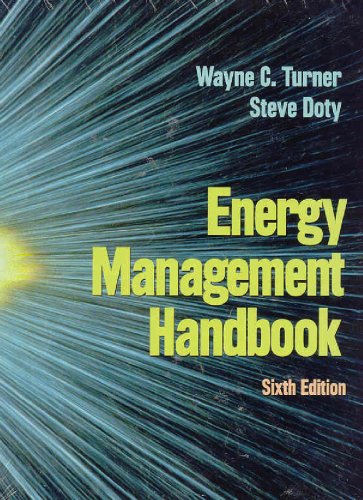
Energy Management Handbook, Sixth Edition: Doty, Steve, Turner, Wayne C.
Energy Management Handbook, <strong>Sixth Edition</strong> [Doty, Steve, Turner, Wayne C.] on Amazon.com. *FREE* shipping on qualifying offers. Energy Management Handbook, <strong>Sixth Edition</stron
Check Price on AmazonMap your boundary and inventory
- Organizational boundary: Decide whether to include all sites/entities you control or influence (financial or operational control approach per the GHG Protocol).
- Emissions scopes:
- Scope 1: Direct fuel combustion (boilers, furnaces, company vehicles), onsite process emissions, refrigerant leaks.
- Scope 2: Purchased electricity, heat, and steam (location-based vs. market-based accounting per GHG Protocol).
- Scope 3: Value chain emissions across 15 categories (purchased goods/services, capital goods, upstream logistics, business travel, use of sold products, end-of-life). For many sectors, Scope 3 is often >70% of total footprint (CDP/SBTi analyses).
Audit the big four: energy, water, waste, procurement
- Energy: Collect 12–24 months of utility bills, interval meter data if available, and production/occupancy data to normalize intensity (e.g., kWh/m², kWh/unit produced). Consider an ASHRAE Level 1–3 audit progression for buildings; for plants, start with motor, compressed air, process heat, and steam systems.
- Water: Meter by process/end use where possible; benchmark m³ per unit output, fixture flow rates, leak rates; identify hot-water loads (tied to energy).
- Waste: Quantify materials in/out by type; track landfill, recycling, composting, hazardous streams; calculate diversion rate and contamination.
- Procurement: Use spend-based screening to identify emission hotspots by category; for critical inputs, request supplier-specific data (LCAs, Environmental Product Declarations) and certifications.
Set SMART targets tied to mission and science
- Specific, Measurable, Achievable, Relevant, Time-bound: e.g., “Reduce Scope 1+2 emissions 50% by 2030 from a 2022 base year; reach 80% waste diversion by 2027.”
- Science alignment: Where feasible, adopt targets consistent with the Science Based Targets initiative (SBTi) and sectoral pathways.
- Granularity: Break enterprise targets into site-level and functional targets (e.g., logistics, procurement, facilities) with annual milestones.
For organizations formalizing strategy, see why aligning sustainability with core business value creation matters: Why Every Business Needs a Sustainability Strategy — Not Just the Big Ones.
Prioritize high‑impact interventions with cost and carbon in mind
Not all actions are equal. Combine environmental impact with financial return to build a practical, defensible roadmap.
Build a simple marginal abatement cost view
- Quantify abatement potential (tCO₂e/year) and cost ($/tCO₂e) for each measure, including capex, opex changes, and incentives.
- Include co-benefits: reduced maintenance, productivity/comfort, risk reduction (e.g., price volatility hedging via PPAs), compliance, and brand value.
- Use standard financial metrics: payback period, NPV, IRR. Many efficiency measures deliver 2–5 year paybacks, sometimes faster with incentives (IEA/NREL case studies).
Typical high-impact, high-return levers
- Energy efficiency first: The IEA finds annual global efficiency improvement needs to average ~4% through 2030 to align with net zero; recent years delivered closer to ~1–2%. Efficiency is systematically the lowest-cost abatement in buildings and industry.
- Clean electricity: Onsite solar and offsite contracts (PPAs/VPPAs/RECs) address Scope 2 at scale. IRENA reports the global weighted-average cost of electricity from utility-scale solar PV fell ~89% between 2010 and 2022, expanding feasibility.
- Electrification: Heat pumps, electric boilers, induction/process electrification, and EVs shift loads to clean power while improving efficiency (typical heat pump COP 2–4).
- Circular procurement and design: Material efficiency, recycled content, refurbish/remanufacture, and product-as-a-service models reduce Scope 3. For leaders applying circularity, see examples in Circular Economy Leaders: How Companies Are Eliminating Waste.
- Process redesign and automation: Right-sizing equipment, heat recovery, advanced controls, and digital twins often unlock 10–30% energy/water savings in facilities.
Sequencing matters
- Do no-regrets and low-capex measures first (controls tuning, leak fixes, scheduling) to reduce load, then size renewables/electrification for the lower baseline.
- Pilot complex measures to validate performance and refine specifications before scaling portfolio-wide.
By the numbers: where the impact is
- LEDs use at least 75% less energy than incandescents and last up to 25x longer (U.S. DOE). Converting fluorescent to LED often saves 30–50%.
- Smart building controls and recommissioning typically cut 10–20% of building energy without major capex (U.S. DOE, C40 case studies).
- Heat pumps can reduce heating energy 50–70% versus resistance heat and 20–50% versus efficient gas systems depending on climate and grid carbon intensity (IEA/NREL).
- Industrial motors consume ~45% of global electricity; high-efficiency motors and variable frequency drives can save 10–30% (IEA).
- Compressed air leak management and pressure optimization save 20–30% in many plants (U.S. DOE AMO).
- EVs reached ~14 million sales in 2023 (~18% of new cars), with lower fuel and maintenance costs than ICE vehicles in many markets (IEA Global EV Outlook 2024).
- WaterSense-labeled fixtures reduce water use by at least 20% (U.S. EPA). Hot water savings also cut energy.
Practical implementation tactics and technologies
This section translates priorities into concrete actions you can phase across sites or departments.
Buildings and campuses
- Lighting: Replace remaining incandescent/halogen and T12/T8 fluorescents with LEDs; add occupancy/daylight sensors; implement networked lighting controls. Verify fixture selection with DLC listings.
- HVAC and controls: Tune control sequences, fix economizers, calibrate sensors, and recommission. Upgrade to high-efficiency heat pumps (air-source or VRF), heat pump water heaters, and energy recovery ventilation. Consider heat zoning and demand-controlled ventilation.
- Envelope and load management: Improve insulation, seal air leaks, and deploy advanced window films or high-performance glazing during retrofit cycles.
- Grid-interactive efficiency: Use building automation to shift flexible loads to low-carbon/low-price hours; enroll in demand response and virtual power plant programs where available.
- Onsite renewables and storage: Assess rooftop/parking canopies for PV; size to post-efficiency loads; add batteries for resilience and peak shaving.
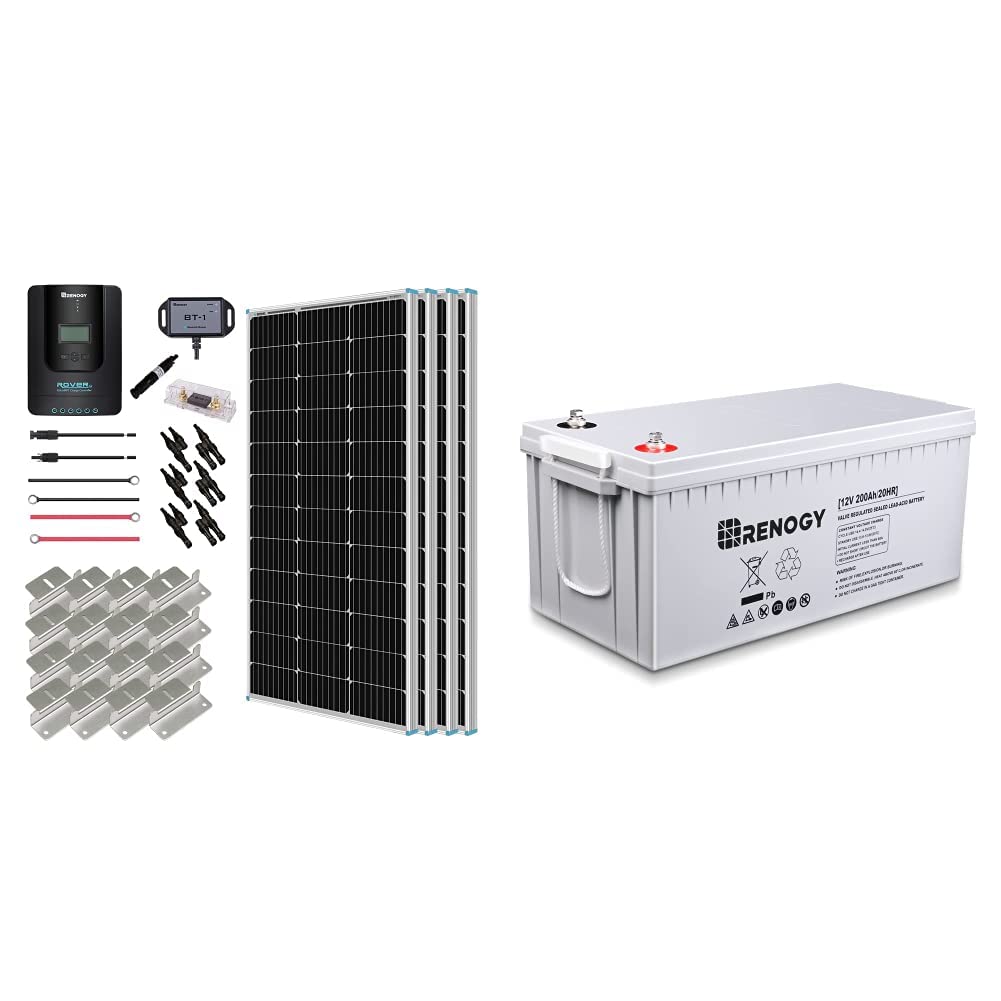
Renogy 400 Watt 12 Volt Premium 4 Pcs 100W Panel+40A MPPT Charge Controller+ Bluetooth Module Fuse+ Mounting Z Brackets+Adaptor Kit +Tray Cables Set, 400W, Grid 12V Solar Power System : Patio, Lawn & Garden
【New Version】 Renogy Premium 400 Watt 12 Volt Solar Kit 4 Pcs 100W Panel+40A MPPT Charge Controller+ Bluetooth Module Fuse+ Mounting Z Brackets+Adaptor Kit +Tray Cables Set for RV Cabin and More · Ren
Check Price on AmazonFor homeowners and small facilities, technology selection and integration tips are covered in Smart Home Technology for Sustainability: High‑Impact Upgrades, Integration, and Real‑World Guidance and practical lifestyle steps in Everyday Sustainable Living: Practical Tips to Save Money, Reduce Waste, and Lower Your Carbon Footprint.
Industrial and commercial operations
- Motors and drives: Inventory motors by size/criticality; standardize on IE3/IE4 efficiency; add variable frequency drives on variable-torque loads (fans, pumps) with proper harmonic mitigation.
- Compressed air: Establish leak-tagging program; reduce system pressure; right-size compressors; recover heat from compressor cooling water; eliminate compressed air in inappropriate uses.
- Process heat: Install heat recovery from flue gases and hot process streams; evaluate electric boilers or high-temperature heat pumps as grid carbon falls; insulate steam lines and condensate return.
- Refrigeration: Optimize defrost cycles and suction pressure; upgrade to variable-speed compressors; transition to low-GWP refrigerants and add continuous leak detection.
- Digital: Deploy energy management information systems (EMIS), submetering, and anomaly detection. Start with the top 10 energy-using assets.
Mobility and logistics
- Fleet transition: Right-size vehicles; electrify routes with reliable depot/route charging; use telematics for eco-driving and idle reduction.
- Freight: Mode shift (air→sea/rail, truck→intermodal), optimize loads, reduce empty miles; specify low-carbon fuels for hard-to-electrify segments.
Water, materials, and waste
- Fixtures and processes: Install WaterSense fixtures; optimize cooling tower cycles; implement closed-loop process water where feasible.
- Materials: Prefer recycled content and low-embodied-carbon options (e.g., blended cements, mass timber where appropriate); require EPDs in bids.
- Waste: Standardize bins and signage; train for contamination reduction; contract for organics; pursue take-back programs; align packaging design with recyclability.
Phasing deployments and verifying savings
- Pilot and learn: Select representative pilot sites; document baseline with metering or engineering estimates; implement; measure results for 3–12 months.
- Measurement & Verification (M&V): Apply IPMVP options (A/B/C) to attribute savings credibly; lock in persistence through controls and O&M updates.
- Scale: Convert pilots into playbooks and specifications; negotiate portfolio contracts (e.g., lighting-as-a-service, multisite PV/EVSE frameworks).
Measurement, reporting, and continuous improvement
Turning actions into durable outcomes requires consistent metrics and transparent reporting.
Core KPIs
- Energy: Total consumption (kWh, MMBtu), energy intensity (kWh/m², kWh/unit output), peak demand (kW), renewable share (%).
- Emissions: Scope 1, 2 (market- and location-based), and prioritized Scope 3 categories; emissions intensity (tCO₂e/$ revenue or per unit output).
- Water: Total withdrawal and discharge (m³), water intensity, cooling tower cycles, leak rate.
- Waste and materials: Diversion rate (%), contamination rate, material utilization (%), recycled content (%).
- Reliability and comfort: Unplanned downtime, temperature/humidity compliance, indoor air quality proxies when relevant.
Data systems and carbon accounting
- Data quality: Define base year, organizational boundary, data sources, and estimation methods; document changes and restatements.
- Scope 2 nuance: Report both location-based and market-based emissions; manage certificates (RECs, Guarantees of Origin) with vintage and geography that align to claims; assess additionality via new-build PPAs where possible.
- Scope 3 engagement: Prioritize categories by magnitude and influence; combine spend-based screening with supplier-specific primary data over time; build supplier engagement and scorecards.

Fluke 1738/EUS Power Logger, 3 Phase, 1 KV: Amazon.com
View on AmazonReporting frameworks and assurance
- Standards: Use the GHG Protocol Corporate Standard for accounting; for product life cycle assessments, apply ISO 14040/44.
- Disclosures: Consider CDP, GRI, and SASB/ISSB (IFRS S2) for external reporting, and align risk disclosures with TCFD principles. Regulatory reporting is expanding (e.g., EU CSRD; emerging state and national rules in multiple jurisdictions).
- Targets: Validate with SBTi where applicable.
- Verification: Seek independent assurance (ISO 14064-3) for emissions inventories and key KPIs to build credibility with stakeholders and financiers.
Continuous improvement
- Energy and sustainability management systems: Implement ISO 50001 (energy) or ISO 14001 (environment) to institutionalize Plan-Do-Check-Act cycles.
- Analytics: Use EMIS dashboards, automated fault detection and diagnostics (FDD), and monthly performance reviews to sustain gains and identify new opportunities.
For households and communities building measurement habits, practical checklists are covered in Everyday Sustainability: Practical, High-Impact Steps to Reduce Your Environmental Footprint.
Organizational change, financing, and scaling
Technology only works if people and processes support it. Embed sustainability into governance, incentives, procurement, and finance.
Governance and culture
- Leadership and accountability: Create a cross-functional steering committee (operations, finance, procurement, HR, IT). Assign executive sponsors; link a share of leadership compensation to sustainability KPIs.
- Green teams and training: Establish site-level champions; include energy/water/waste modules in onboarding; certify key staff (e.g., CEM, LEED AP) where relevant.
- Policy levers: Adopt internal standards (e.g., building performance specs, refrigerant phase-down, travel hierarchy, fleet electrification policy). Add an internal carbon price to investment appraisals to reflect transition risk.
Procurement and supplier engagement
- Embed sustainability in RFPs: Require emissions reporting, EPDs, recycled content, end-of-life plans, and take-back options. Use total cost of ownership (TCO), not just first cost.
- Supplier partnerships: Launch capacity-building with strategic suppliers; co-develop roadmaps for energy, materials, and logistics decarbonization.
Partnerships and community-scale action
- Utilities and ESCOs: Tap incentives and audit programs; pursue performance contracts where appropriate.
- Community energy: Join community solar, shared storage, and demand response programs; collaborate on microgrids for resilience.
- Local coalitions: Coordinate with municipalities, NGOs, and peers to share data and aggregate demand. Practical models are outlined in Community Initiatives for Sustainability: What Works, How to Start, and How to Scale.
Financing options
- Efficiency-as-a-service and ESCO performance contracts: Third parties fund upgrades and are repaid from verified savings.
- Power purchase agreements (PPAs) and virtual PPAs (VPPAs): Hedge electricity prices and claim market-based Scope 2 reductions; ensure contractual additionality where feasible.
- Green loans and sustainability-linked loans/bonds: Access better terms by tying financing to KPI performance.
- On-bill and tariffed programs: Utilities or lenders finance upgrades repaid on the utility bill; the obligation can stay with the meter.
- C-PACE (where available): Long-term, fixed-rate financing for building improvements repaid via property assessments.
- Grants and incentives: Leverage national, state, and local incentives. In the U.S., the Inflation Reduction Act offers tax credits for renewables, storage, EVs, and certain building efficiency measures; many countries provide analogous rebates or grants.
Scaling playbook
- Standardize: Create specifications, approved equipment lists, and M&V protocols.
- Bundle projects: Aggregate sites to improve pricing and financing terms.
- Iterate: Use post-project reviews to update assumptions, costs, and savings factors for the next wave.
Practical implications for decision-makers
- Consumers and households: Start with low-cost efficiency (LEDs, smart thermostats, weatherization) and major appliance upgrades timed to end-of-life; consider community solar or green tariffs and gradual EV adoption.
- Small and midsize businesses: Focus on audits, controls, lighting/HVAC upgrades, and modest PV/EVSE pilots; use utility incentives and on-bill financing to minimize capex.
- Large enterprises and public agencies: Stand up data systems for Scopes 1–3, deploy portfolio programs (lighting-as-a-service, multisite PV/EV), set supplier emissions expectations, and integrate sustainability into capital planning with an internal carbon price.
For conservation-oriented steps at home, including water and habitat, see How to Practice Conservation at Home: Practical Steps to Save Energy, Water, Waste and Support Wildlife.
Where sustainable implementation is heading
- Smarter, automated operations: AI-enabled fault detection, predictive maintenance, and optimized setpoints will increase savings persistence and reduce labor burden.
- Grid-interactive buildings and fleets: Flexible demand and bidirectional EV charging will turn loads into grid assets, monetizing flexibility while cutting emissions.
- Faster electrification with cleaner grids: As grids decarbonize, the emissions benefit of electrification grows. Plan equipment replacements to align with grid milestones.
- Embodied carbon and nature: Procurement of low-carbon materials and nature-positive practices (e.g., biodiversity in landscaping, watershed stewardship) will join energy as core KPIs.
- Standardized disclosures: Convergence around IFRS S2/ISSB, GHG Protocol updates, and regional rules will streamline reporting but raise the bar on data quality and assurance.
Organizations that treat sustainability as disciplined operations improvement—grounded in data and science—consistently capture the largest environmental and financial returns. With a robust baseline, clear priorities, credible measurement, and aligned financing, it’s entirely practical to implement sustainable practices at scale.
Recommended Products
Energy Management Handbook, Sixth Edition: Doty, Steve, Turner, Wayne C.
Energy Management Handbook, <strong>Sixth Edition</strong> [Doty, Steve, Turner, Wayne C.] on Amazon.com. *FREE* shipping on qualifying offers. Energy Management Handbook, <strong>Sixth Edition</stron
Fluke 1738/EUS Power Logger, 3 Phase, 1 KV: Amazon.com
Check each product page for other buying options. Price and other details may vary based on product size and color · GROZ-BECKERT Needle in CKPSMS Clear Plastic Box- 100PCS Groz Beckert DBX1 1738 16X2
Renogy 400 Watt 12 Volt Premium 4 Pcs 100W Panel+40A MPPT Charge Controller+ Bluetooth Module Fuse+ Mounting Z Brackets+Adaptor Kit +Tray Cables Set, 400W, Grid 12V Solar Power System : Patio, Lawn & Garden
【New Version】 Renogy Premium 400 Watt 12 Volt Solar Kit 4 Pcs 100W Panel+40A MPPT Charge Controller+ Bluetooth Module Fuse+ Mounting Z Brackets+Adaptor Kit +Tray Cables Set for RV Cabin and More · Ren
More in Sustainability Policy
- Practical Ways to Live Sustainably: Everyday Actions, Priorities, and Measurable Impact
- How to Promote Sustainability at Work: Practical Strategies, Metrics, and Engagement
- Smart Home Technology for Sustainability: High‑Impact Upgrades, Integration, and Real‑World Guidance
- Tech-Driven Sustainable Living: A Practical Guide to Lower Your Footprint