
Community Initiatives for Sustainability: What Works, How to Start, and How to Scale
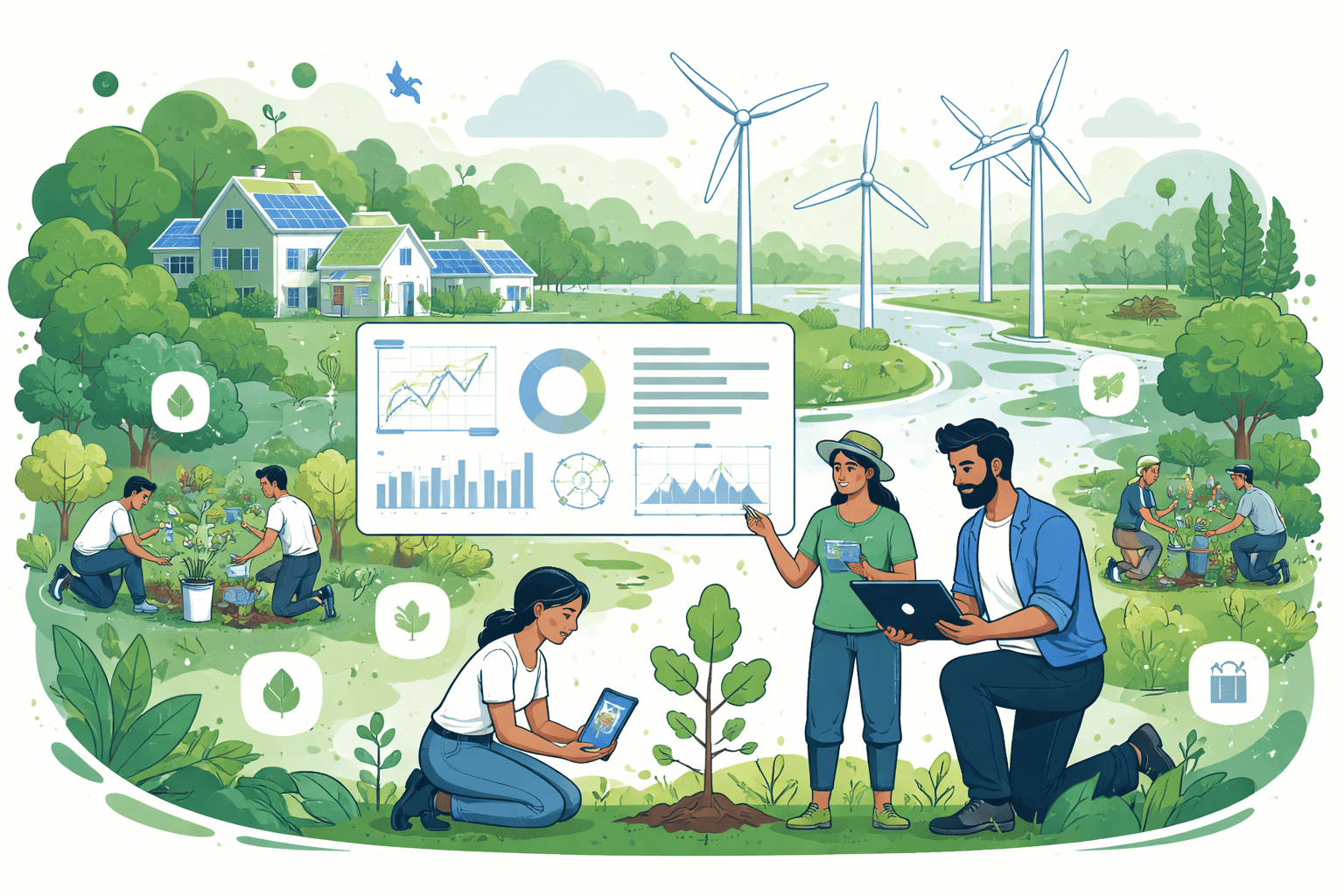
Community initiatives for sustainability are moving from pilot projects to mainstream climate and resilience tools. Cities and towns are responsible for roughly 67–72% of global CO2 emissions from energy use (IPCC AR6), and local projects are increasingly delivering measurable cuts. In 2023 alone, the world added about 510 GW of new renewable capacity (mostly solar), a 50% jump year over year (IEA, Renewables 2023). The question is no longer whether local action matters—it’s how to design, fund, and scale it.
This guide explains the purpose and principles of community-led sustainability, catalogs proven initiative types, outlines how to start and grow programs, and shows how to measure success so others can replicate what works.
Purpose, principles, and benefits of community-led sustainability
Community-led sustainability aligns environmental outcomes with social equity and local economic value creation.
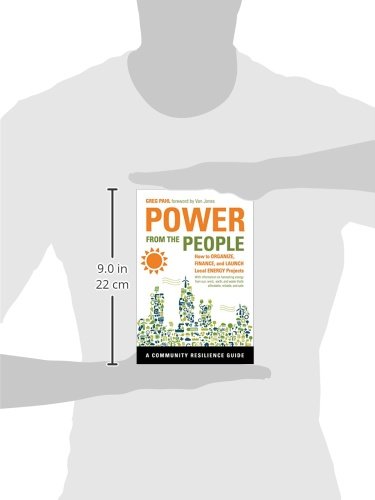
Power from the People: How to Organize, Finance, and Launch Local Energy Projects (Community Resilience Guides): Pahl, Greg, Jones, Van
Using examples from around the nation - and occasionally from around the world - Greg Pahl <strong>explains how to plan, organize, finance, and launch community-scale energy projects that harvest ener
Check Price on Amazon- Environmental: Emissions reduction via clean energy, waste prevention, and mode shift; improved air and water quality; enhanced urban biodiversity and heat mitigation. For example, urban tree canopies can lower neighborhood air temperatures by 1–2°C while capturing particulate pollution (U.S. EPA; i‑Tree studies).
- Social: Lower household energy burdens, better health outcomes, and stronger social cohesion. In the U.S., low‑income households experience energy burdens roughly three times higher than average (U.S. DOE/ACEEE). Programs that cut bills by 10–30% deliver immediate, equitable relief.
- Economic: Local jobs and skills, resilience that avoids outage-related losses, and community wealth building. The Ellen MacArthur Foundation estimates circular-economy approaches could unlock trillions in economic value by 2030.
Core principles for community initiatives for sustainability:
- Equity and inclusion: Prioritize benefits for low- and moderate-income (LMI) households and historically marginalized groups; co-design with community-based organizations.
- Resilience by design: Prepare for heat, flooding, wildfire smoke, and grid disruptions—think microgrids, cooling hubs, green infrastructure.
- Data-driven and transparent: Set baselines, track key performance indicators (KPIs), publish progress, and invite feedback.
- Open governance and shared ownership: Use cooperative, nonprofit, or public-benefit models that keep value local.
- Practicality and scalability: Start with pilots designed to replicate.
Why local action matters
- Place-based fit: Heat islands, flood risks, building stock, and travel patterns vary block by block; local programs fit local realities.
- Trust and participation: Neighborhood groups and anchor institutions (schools, clinics, faith communities) boost adoption.
- Policy leverage: Local governments control zoning, procurement, and permits that can accelerate projects.
Related read: For broader steps individuals and organizations can take, see How to Promote Sustainability: Practical Strategies for Individuals, Businesses & Communities (/sustainability-policy/how-to-promote-sustainability-practical-strategies).
By the numbers
- 510 GW: Global renewable capacity added in 2023, up ~50% year over year (IEA).
6 GW: Operating community solar capacity in the U.S. by 2023, serving hundreds of thousands of subscribers (NREL; SEIA).
10 GW: U.S. installed microgrid capacity, with rapid growth at critical facilities (Wood Mackenzie).
- 17–54%: Typical municipal waste reduction after pay‑as‑you‑throw policies (U.S. EPA).
- ~35%: Share of U.S. food wasted annually; food waste emits ~170 MtCO2e each year (ReFED).
- 1–2°C: Typical localized cooling from urban tree canopy (EPA; i‑Tree).
Proven community initiatives for sustainability: models that work
1) Community energy co‑ops, community solar, and microgrids
What they are
- Community energy cooperative: A member-owned entity that develops and operates clean energy assets (solar, wind, storage), returning value to local members.
- Community solar: Subscribers buy or lease a portion of a shared solar array and receive bill credits through “virtual net metering” (VNM), which allocates generation to off‑site accounts.
- Microgrid: A local energy system that can operate with the main grid or “island” during outages, combining generation (e.g., solar), storage (batteries), and controls.
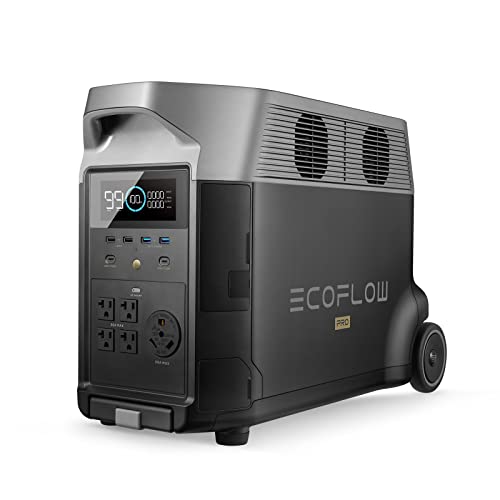
EF ECOFLOW Portable Power Station 3600Wh DELTA Pro, 120V AC Outlets x 5, 3600W, 2.7H Fast Charge, Lifepo4 Power Station, Solar Generator for Home Use, Power Outage, Camping, RV, Emergencies : Patio, Lawn & Garden
<strong>Fully recharge the lifepo4 battery in 1.8 hrs with 240V outlets(3000W), 2.7 hrs with 1800W wall outlets or solar charged in 2.8 hours with 4*400W solar panels</strong> thanks to the industry-l
Check Price on AmazonWhy it works
- Bill savings and equity: Community solar typically offers 5–20% bill savings; LMI carve‑outs ensure benefits reach those with the highest energy burdens (NREL program reviews).
- Resilience: Microgrids keep power on at critical sites—clinics, shelters, grocery hubs—during storms and extreme heat. After Hurricane Maria, community microgrids in Puerto Rico (e.g., Adjuntas/Casa Pueblo) provided lifesaving services (multiple academic case studies; IEEE Spectrum coverage).
- Replicable models: Co‑ops and public benefit corporations can blend grants, tax credits, and citizen investment.
Implementation notes
- Policy levers: VNM statutes, clear interconnection timelines, and community solar incentives (e.g., “Solar for All”-type programs) drive uptake.
- Tools: NREL’s REopt Lite for sizing PV+storage; utility hosting-capacity maps; open-source power-flow tools for microgrids.
2) Community gardens, urban farms, and local food hubs
What they are
- Shared plots, rooftop farms, and neighborhood markets that improve access to fresh food and reduce long-haul freight emissions.
Why it works
- Nutrition and health: Community gardening is linked to higher fruit/vegetable intake (public health meta-analyses).
- Climate and water: Compost-amended soils store more carbon and retain water, cutting irrigation needs.
- Scale potential: A 2020 global assessment estimated urban agriculture could meet a meaningful share—up to roughly 10%—of vegetable demand in many cities (Nature Food/Near-term modeling).
Implementation notes
- Infrastructure: Water access, composting on-site, tool sheds, cold storage for hubs.
- Equity: Prioritize land access and stipend support for community growers; align with SNAP and nutrition incentive programs.
3) Circular-economy projects: repair cafés, tool libraries, and reuse hubs
What they are
- Community spaces where volunteers repair electronics, appliances, and textiles; libraries that lend tools and small equipment; material-exchange hubs.

iFixit Pro Tech Toolkit - Electronics, Smartphone, Computer ...
View on AmazonWhy it works
- Waste prevention: Extending product life avoids upstream manufacturing emissions. WRAP (UK) analyses show significant CO2 savings from repair and reuse of electronics and textiles.
- Skills and jobs: Hands-on training for youth and adults; pipeline for repair technicians.
- Economic payoff: The Ellen MacArthur Foundation estimates multi-trillion-dollar value creation from circular models by 2030.
Implementation notes
- Policy levers: Right‑to‑repair laws, universal charger standards, and municipal space access (e.g., libraries/community centers).
- Safety: PAT testing for repaired appliances, EHS protocols, volunteer waivers.
See examples of companies advancing circular models in Circular Economy Leaders: How Companies Are Eliminating Waste (/green-business/circular-economy-leaders-companies-eliminating-waste).
4) Zero‑waste, community composting, and smart recycling
What they are
- Neighborhood-scale organics collection and composting; pay-as-you-throw (PAYT) pricing; contamination-reduction campaigns; safe e‑waste events.
Why it works
- Big diversion gains: PAYT cuts municipal solid waste 17–54% (EPA). Community composting reduces methane compared to landfilling food waste (IPCC waste sector science; EPA WARM factors).
- Soil and gardens: Finished compost supports local greening projects, closing nutrient loops.
Implementation notes
- Infrastructure: Aerated static piles or in‑vessel systems for odor control; collection logistics and bin standardization.
- Equity: LMI neighborhoods need convenient access, free bins, language-specific outreach.
For program design and safety, see Safer Recycling Methods: Practical Steps to Protect People, Property, and the Planet (/sustainability-policy/safer-recycling-methods-practical-steps-protect-people-property-planet).
5) Shared mobility, safe streets, and urban greening
What they are
- Bike- and e‑scooter share, secure bike parking, school streets, bus-priority lanes, and tree-planting/greenways.
Why it works
- Mode shift: Even modest shifts from car trips to cycling/walking cut emissions and improve air quality (ITF/NACTO analyses). Bus-priority lanes improve reliability and ridership.
- Heat and health: Street trees and green roofs reduce heat stress and improve stormwater management (EPA; i‑Tree; local hydrology models).
Implementation notes
- Design for safety: Protected lanes and traffic-calming; equitable placement and fare discounts.
- Maintenance: Tree establishment care (3–5 years) dramatically improves survival rates.
For biodiversity co-benefits of greening, see Ecological Benefits of Sustainability: How Sustainable Choices Restore Ecosystems and Build Resilience (/sustainability-policy/ecological-benefits-of-sustainability).
How to get started—and how to scale
1) Engage the community and assess needs
- Map burdens and assets: Use DOE’s LEAD Tool for energy-burden mapping; overlay heat islands, floodplains, tree canopy, and transit access.
- Co-design: Hold workshops with neighborhood associations, youth groups, and frontline workers; provide childcare, stipends, and translation.
- Baselines: Collect starting data—kWh use, waste tonnage, tree canopy percent, mode share, and participation rates.
Helpful complements: Everyday Sustainability resources can prime individual action while community programs build, see Everyday Sustainability: Practical, High-Impact Steps to Reduce Your Environmental Footprint (/sustainability-policy/sustainability-in-everyday-life-guide).
2) Build partnerships and governance
- Partners: Local government, utilities, housing authorities, school districts, health providers, NGOs, and local businesses.
- Anchor institutions: Hospitals and universities can sign power purchase agreements (PPAs), host rooftop PV, or sponsor memberships for LMI residents.
- Governance models: Cooperatives (member-owned), community benefit societies, nonprofits (with fiscal sponsors if needed), public‑private partnerships, or special districts. Choose models that align with revenue sources and accountability.
- Agreements: Memoranda of understanding (MOUs), data-sharing agreements, and community benefits agreements.
3) Design viable business and operating models
- Revenue concepts by initiative:
- Community solar: Subscriber fees or on‑bill credits; incentives; tax credit transferability (where available).
- Microgrids: Resilience service fees, demand-charge reduction, capacity payments; participation from critical facilities.
- Composting: Tipping fees, municipal service contracts, compost sales.
- Tool libraries/repair cafés: Membership dues, pay‑what‑you‑can events, sponsorships; e‑waste partnerships for parts.
- Shared mobility: Public service contracts, user fees, advertising/sponsorships.
- Cost structure: Capital (equipment, sites), O&M (staff, insurance, upkeep), reserves for repair/replacement.
- Risk management: Insurance coverage, safety protocols, cybersecurity for energy controls, volunteer management.
4) Coordinate volunteers and workforce
- Roles and training: Safety training (PPE, equipment), role descriptions, and skill ladders for volunteers transitioning to paid roles.
- Scheduling and communication: Use simple digital tools (spreadsheets + messaging apps) before investing in platforms.
- Inclusion: Flexible shifts, childcare, accessible venues, and multilingual signage.
5) Fund the work—diversify and stack capital
- Grants and public funds: National/state clean energy funds, energy-efficiency block grants, “Solar for All”-type programs, EU LIFE, regional green banks, and urban greening grants.
- Philanthropy: Community foundations and donor-advised funds; align with health, equity, and climate resilience outcomes.
- Community investment: Cooperative shares, crowdfunding, and municipal green bonds.
- Private capital: Impact investors, CDFIs, and revenue-backed financing (PPAs, service contracts, on-bill financing, PACE for buildings).
- Stacking: Blend grants for equity objectives with loans or PPAs for revenue-producing assets; reserve funds for maintenance.
For ideas on local conservation partners and volunteer networks, see Find and Join Conservation Projects Near You: What to Look For and How to Get Involved (/conservation/conservation-projects-near-me-guide).
How to measure success and enable replication
KPIs that matter (pick a focused set)
Energy and resilience
- Installed capacity (kW/MW), annual generation (kWh), capacity factor, participation/subscriber counts, bill savings ($/household), share of LMI subscribers (%), outage hours avoided, critical-facility uptime (%), and emissions avoided (tCO2e via grid emission factors).
Waste and circularity
- Tons diverted (organics/recyclables/reuse), contamination rate (%), items repaired/lent, average product life extended (years), methane avoided (tCO2e using EPA WARM), and household waste per capita (kg).
Mobility and greening
- Mode share (% of trips by walk/bike/transit), car VMT reduced, crashes/injuries reduced, trees planted and three‑year survival rate (%), canopy coverage change (%), and stormwater captured (m³).
Equity and participation
- Benefits to LMI households (% of participants), language access provided (# of languages), stipends delivered ($), community leadership roles filled (#/%), and local jobs/apprenticeships created (#).
Financial and governance
- Capital leveraged ($ public/private), O&M cost recovery (%), reserve ratios, volunteer hours, and on-time reporting (%).
Tools for monitoring and evaluation
- GHG accounting: Global Protocol for Community‑Scale GHG Inventories (GPC), ICLEI ClearPath, Google Environmental Insights Explorer for baseline trends.
- Energy: Utility interval data (with consent), smart meters, NREL REopt Lite for project modeling.
- Waste: Weigh scales, route audits, and EPA WARM for emissions factors; contamination audits.
- Urban forestry: i‑Tree Canopy/Eco for carbon, air quality, and avoided runoff.
- Biodiversity: eBird and community science apps for pollinator and bird monitoring.
- Data governance: Privacy-by-design, data-sharing agreements, and open-data portals for transparency.
Reporting and storytelling
- Publish an annual community impact report: Baselines, KPIs, maps, and case studies, translated into primary community languages.
- Real-time dashboards: Simple web dashboards or public noticeboards at community centers; QR codes on bins, garden gates, or solar sites.
- Narrative + numbers: Pair human stories (a family’s bill savings; a cooling center during a heat wave) with quantified impact.
Policy and incentive levers that unlock scale
Energy
- Enable virtual net metering (VNM), community solar carve-outs, interconnection deadlines with penalties for delays, and standardized grid hosting-capacity maps.
- Resilience credits: Allow microgrids to access capacity payments and resilience-as-a-service contracts; streamline permits for storage and islanding controls.
Waste and circularity
- Pay-as-you-throw (PAYT), universal recycling/organics access, compost procurement policies for public projects, extended producer responsibility (EPR) for packaging, and right‑to‑repair statutes.
Mobility and greening
- Safe-streets policies (protected lanes, traffic-calming), micromobility permits with equity zones and discounts, curb-management reforms, urban tree protection and maintenance requirements, and green roof incentives.
Procurement and finance
- Community benefit requirements in public contracts; green bonds and on-bill financing; allow community investment via cooperative securities exemptions (as applicable).
Curated resources, templates, and case studies
- Energy: NREL Community Solar Toolkit; DOE Clean Energy to Communities (C2C) technical assistance; REScoop.eu guides for energy cooperatives.
- Waste and circularity: Institute for Local Self-Reliance (ILSR) community composting guides; municipal PAYT toolkits; Shareable’s “How to Start a Tool Library.”
- Urban greening: i‑Tree tools; urban forestry best practices from U.S. Forest Service; Nature Conservancy heat and tree equity assessments.
- Reporting and finance: ICLEI/CDP reporting templates; GPC inventory guidance; green bank project playbooks.
- Case studies: Redwood Coast Airport Microgrid (California); community repair cafés in the Netherlands and UK; multifamily community-solar programs with LMI discounts in Colorado, Minnesota, and New York.
Practical implications for local leaders, businesses, and residents
- Local governments: Start with three flagship projects—community solar (with an LMI carve-out), PAYT + organics collection, and a tree‑equity plan. Bake KPIs into vendor contracts.
- Utilities: Launch or expand community solar and tariff options for multi-tenant buildings; publish hosting-capacity maps and interconnection timelines.
- Businesses and anchors: Host rooftops/parking canopies for solar; fund memberships for tool libraries; sponsor street trees and cooling centers.
- Community-based organizations: Lead outreach, translation, and trust-building; co‑own projects through cooperatives or joint ventures.
- Residents: Subscribe to community solar, join a repair café, request PAYT and organics service, and help map heat-vulnerable blocks.
Where this is heading
Expect continued growth in community initiatives for sustainability as policy, finance, and technology align:
- Policy: More jurisdictions adopting VNM and right‑to‑repair; organics collection mandates becoming standard.
- Finance: Tax credit transferability and green banks simplifying capital stacks; pay‑for‑performance contracts rewarding verified outcomes.
- Technology: Cheaper batteries enabling resilient microgrids; low-cost IoT for waste and water; AI‑assisted planning and siting.
The throughline is clear: communities that measure, share, and replicate what works will scale impact fastest—cutting emissions, saving money, and building resilience where people live.
Recommended Products
Power from the People: How to Organize, Finance, and Launch Local Energy Projects (Community Resilience Guides): Pahl, Greg, Jones, Van
Using examples from around the nation - and occasionally from around the world - Greg Pahl <strong>explains how to plan, organize, finance, and launch community-scale energy projects that harvest ener
EF ECOFLOW Portable Power Station 3600Wh DELTA Pro, 120V AC Outlets x 5, 3600W, 2.7H Fast Charge, Lifepo4 Power Station, Solar Generator for Home Use, Power Outage, Camping, RV, Emergencies : Patio, Lawn & Garden
<strong>Fully recharge the lifepo4 battery in 1.8 hrs with 240V outlets(3000W), 2.7 hrs with 1800W wall outlets or solar charged in 2.8 hours with 4*400W solar panels</strong> thanks to the industry-l
iFixit Pro Tech Toolkit - Electronics, Smartphone, Computer ...
Discover iFixit's versatile tool kits, offering a curated selection of bits and tools to tackle a wide range of electronics repair and maintenance tasks.
More in Sustainability Policy
- Practical Ways to Live Sustainably: Everyday Actions, Priorities, and Measurable Impact
- Community Conservation 2023: Impact, Innovation, and Lessons for Scale
- How to Live Sustainably: Practical, High‑Impact Actions for Everyday Life
- Everyday Sustainability: Practical, High-Impact Steps to Reduce Your Environmental Footprint