
Eco‑Friendly Products: Buyer’s Guide to the Best Sustainable Picks
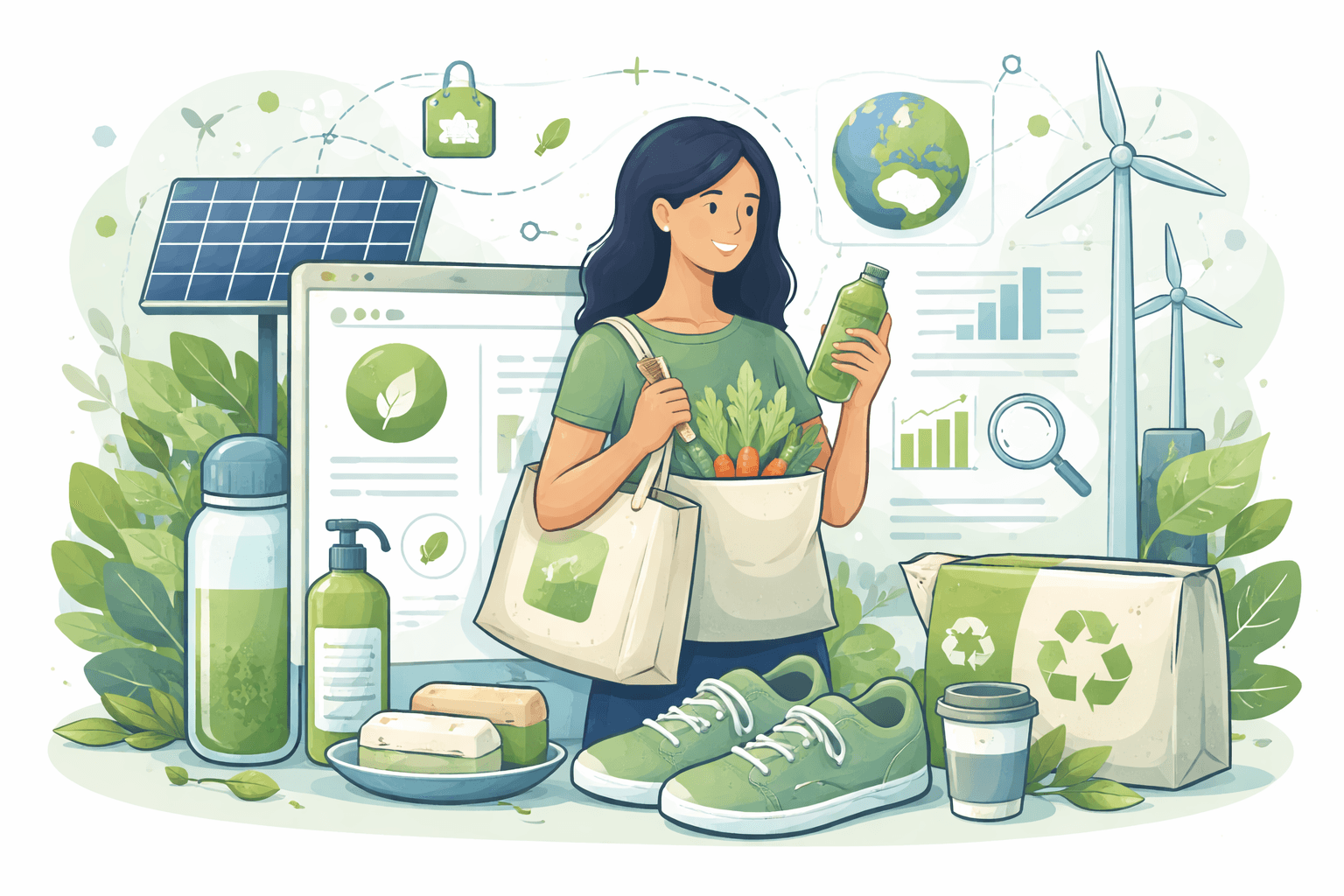
Why choose eco‑friendly products now
Eco friendly products have shifted from niche to mainstream as data shows they cut emissions, water, and waste—often while saving money. ENERGY STAR estimates efficient appliances can reduce household electricity use by 10–50% depending on the category, while LEDs use at least 75% less energy and last 25 times longer than incandescents (U.S. DOE). In consumer markets, products marketed as sustainable drove about one‑third of CPG growth in 2013–2022 and grew 2.7× faster than conventional alternatives (NYU Stern Center for Sustainable Business, 2023). Heat pump sales surged to record levels in 2022 and remained above 2021 levels in 2023, with heat pumps typically delivering 2–4× the efficiency of electric resistance heating (coefficient of performance, COP, per IEA).
The climate and materials stakes are real. The UN’s Global E‑waste Monitor (2024) reports 62 million tonnes of e‑waste generated in 2022, projected to reach 82 million tonnes by 2030; only about 22% is formally recycled. Choosing longer‑lasting, repairable, certified‑repairable, and recyclable products is one of the highest‑leverage consumer actions to bend those curves.
This guide translates the science—life‑cycle assessments, credible certifications, and durable design—into practical picks you can make today.
By the numbers
- 75%+: Energy reduction from LEDs vs. incandescent; 25× longer life (U.S. DOE)
- 28%+: Energy savings for ENERGY STAR heat‑pump clothes dryers vs. conventional (U.S. EPA)
- ~70%: Energy reduction for heat pump water heaters vs. standard electric (ENERGY STAR)
- 85–90% vs. 32–40%: Induction cooktop efficiency vs. typical gas burners (EPRI/DOE)
- Up to 95%: Energy saved using recycled aluminum vs. primary (U.S. EPA/IAI)
- ~80%: Emissions avoided by buying a refurbished laptop vs. new, assuming two additional years of use (Circular electronics LCAs)
- 20–30%: Carbon, water, and waste cuts from extending garment life by nine months (WRAP)
How to evaluate sustainability: certifications, LCA, materials, supply chains
Choosing eco friendly products starts with a framework. Two tools matter most: credible certifications and life‑cycle assessment.
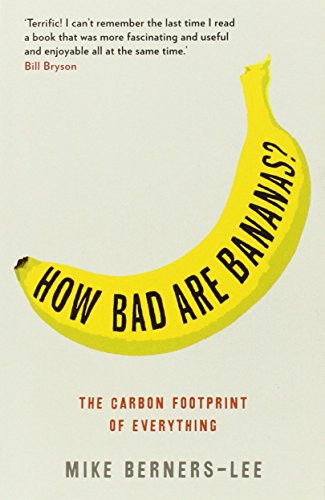
How Bad Are Bananas?: The Carbon Footprint of Everything: Berners-Lee, Mike
Mike Berners-Lee is <strong>author of the timely best-sellers 'There Is No Planet B' and 'How Bad Are Bananas? The Carbon Footprint of Everything'</strong>. An expert in sustainabi
Check Price on AmazonLife‑cycle assessment (LCA) basics
- Scope: Cradle‑to‑gate (manufacture only), cradle‑to‑grave (includes use and end‑of‑life), or cradle‑to‑cradle (with circular loops). For buyers, cradle‑to‑grave is most informative.
- Metrics: Global warming potential (GWP, kg CO2e), water use, eutrophication, toxicity. If a product publishes an Environmental Product Declaration (EPD), it follows a standardized Product Category Rule (PCR).
- Hotspots: For electronics and apparel, most emissions come from materials and manufacturing; for energy‑using appliances, the use phase dominates. This distinction drives the best choice: prioritize durability/refurbishment in electronics and high energy efficiency in appliances.
Practical move: Look for third‑party‑verified claims (EPDs, peer‑reviewed LCAs) and products that disclose expected lifetime, repairability, and energy use in kWh per year.
Certifications that matter (and what they mean)
- Energy and performance
- ENERGY STAR (U.S. EPA/DOE): Top‑tier energy performance by category; lists annual kWh, test procedures.
- EU Energy Label (A–G): Harmonized efficiency classes across appliances in the EU.
- Safer chemistry and cleaning
- EPA Safer Choice and Green Seal: Verified safer ingredients and performance for cleaners and detergents.
- EU Ecolabel: Broad criteria across product groups (chemicals, paper, textiles, appliances).
- Electronics
- EPEAT (Gold/Silver/Bronze): Energy efficiency, recycled content, design for repair/reuse, supply chain.
- TCO Certified: Social and environmental responsibility plus product longevity in IT equipment.
- Blue Angel (Germany): Low emissions, durability, and recyclability standards, often for printers and papers.
- Materials and fibers
- FSC/PEFC: Responsibly managed forests for wood and paper.
- GOTS (Global Organic Textile Standard): Organic fibers plus restricted chemicals and social criteria.
- OEKO‑TEX STANDARD 100: Limits harmful substances in textiles.
- Cradle to Cradle Certified: Material health, circularity, clean energy, water stewardship, social fairness.
Tip: Use our deep dive on labels—what’s rigorous, what’s marketing—to steer choices: Essential Guide to Product Sustainability Certifications (/sustainability-policy/essential-guide-product-sustainability-certifications).
Materials and supply chain transparency
- Recycled content: Post‑consumer recycled (PCR) content displaces virgin materials and typically cuts embodied carbon (e.g., recycled aluminum saves up to 95% energy).
- Biobased and compostable: Look for BPI‑certified compostable items if your local composter accepts them; “biodegradable” without standards is a red flag.
- Traceability: Brands publishing tier‑1/2 supplier lists, factory energy sources, and wastewater data show higher maturity.
- Repairability: Replaceable batteries, standard screws, and available spare parts extend service life; check iFixit or manufacturer repair guides and parts availability windows.
Top eco‑friendly product categories and data‑backed picks
Below are high‑impact categories with selection criteria and example picks. Where relevant, we include data and certifications that indicate real‑world performance.
Home energy and appliances
- Heat pump water heaters (HPWH): Typically cut water heating energy by ~70% vs. electric resistance (ENERGY STAR). Look for UEF ≥ 2.7, smart scheduling, and low‑GWP refrigerants. Based on these efficiency ratings, the AeroHeat 65‑gal Heat Pump Water Heater represents strong value for households of 3–5 people.
- Heat pumps for space heating/cooling: Cold‑climate models deliver COP > 2 at sub‑freezing temps; choose variable‑speed inverters and check HSPF2/SEER2 ratings.
- Induction cooktops: 85–90% efficient, faster boil times, and significantly lower NO2 compared to gas. For renters, a portable unit adds flexibility; the BrightInduction 1800W Portable Cooktop is a proven, low‑cost entry point.
- Refrigerators/dishwashers/washers: Prioritize ENERGY STAR Most Efficient models; front‑load washers generally use less water and energy. Wash cold—heating water can account for ~90% of washing energy use.
- LEDs and controls: ENERGY STAR LEDs plus smart occupancy sensors and dimmers can reduce lighting energy up to 30–60% vs. manual, always‑on use.

Duxtop Portable Induction Cooktop, Countertop Burner Induction Hot Plate with LCD Sensor Touch 1800 Watts, Silver 9600LS BT-200DZ
View on AmazonTo go deeper on integrating efficiency with home tech, see Smart Home Technology for Sustainability: High‑Impact Upgrades (/sustainability-policy/smart-home-technology-for-sustainability-upgrades-integration-guide).
Personal care and cleaning
- Refillable concentrates: EPA Safer Choice‑certified cleaners and hand soaps in refill tablets or concentrates slash plastic and shipping emissions.
- Solid formats: Shampoo/conditioner bars eliminate bottles; look for ECOCERT/COSMOS or third‑party safety claims.
- Reusable hygiene: Menstrual cups and cloth pads can replace hundreds of disposables over their lifetime; verify medical‑grade silicone and transparent testing.
- Paper goods: FSC‑certified, high‑recycled‑content toilet paper and paper towels reduce forest pressure; unbleached or PCF (processed chlorine free) options lower chemical loads.
Tech and electronics
- Laptops/monitors: EPEAT Gold + TCO Certified indicates energy efficiency, longevity, and stricter supply‑chain criteria. Choosing refurbished can avoid ~80% of manufacturing emissions; insist on a fresh battery and at least a one‑year warranty.
- Smartphones: Models with published repair guides, spare parts, and software support windows of 5+ years are preferable; consider modular or easily repairable designs.
- Networking gear: Look for Energy‑Efficient Ethernet (EEE) support and power‑saving modes; avoid always‑on high‑wattage gear when idle.
- Solar and storage: For rooftops, panels in the 21–23% efficiency range with robust product/performance warranties (25–30 years) yield more energy per square foot. Based on these performance specs, the SunPeak 400W High‑Efficiency Panel is a strong residential value, and pairing with a high‑efficiency hybrid inverter like the GridSmart 7.6‑kW Hybrid Inverter can optimize self‑consumption.
When it’s time to retire devices, follow How to Recycle Electronics: A Practical Guide (/sustainability-policy/how-to-recycle-electronics-practical-guide-safe-responsible-e-waste-disposal).
Apparel and footwear
- Fibers: GOTS‑certified organic cotton reduces synthetic pesticides; recycled polyester (rPET) can cut GHGs 30–50% vs. virgin. Prefer bluesign or OEKO‑TEX for chemical safety.
- Design and care: Emphasize durability (seams, fabric weight, repair kits), wash cold, line dry where possible. Microfiber filters (50–90% capture efficiency) reduce microplastics from synthetics.
- Footwear: Look for repairable designs (replaceable outsoles/insoles), recycled content, and transparent manufacturing disclosures.
For broader strategy on low‑impact building and materials choices, see Eco‑Friendly Building Materials Guide (/sustainability-policy/eco-friendly-building-materials-guide) and our overview of Circular Economy Leaders (/green-business/circular-economy-leaders-companies-eliminating-waste).
Best buys by budget
Price matters. Here are high‑impact options at three tiers, with data‑anchored benefits.
Budget (under $50)
- Two ENERGY STAR LEDs + smart plug: 150+ kWh/year saved replacing incandescents used 3 hrs/day; additional savings from schedules.
- Low‑flow showerhead (≤1.8 gpm): Saves ~2,700 gallons/year per person and the energy to heat it (U.S. EPA WaterSense).
- Induction hot plate: Entry‑level portable induction; efficient, safer, renter‑friendly.
- Refillable cleaner starter kit: Cuts plastic by 80–90% vs. single‑use bottles.
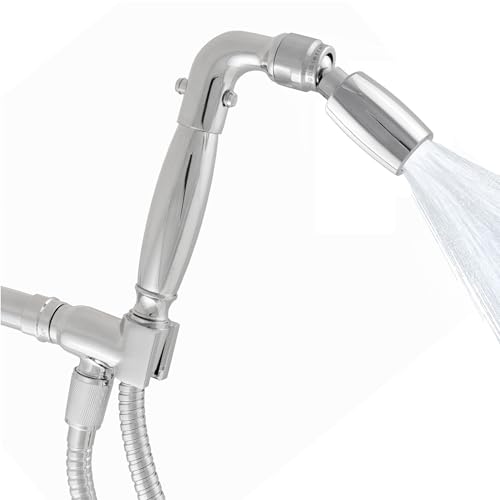
High Sierra Showerheads® - Solid Metal Handheld Shower Head - WaterSense Certified Low Flow 1.8 GPM - Brushed Nickel Finish - Amazon.com
View on AmazonMid‑range ($50–$600)
- EPEAT Gold refurbished laptop: Avoids most embodied emissions of a new device; ensure a new or like‑new battery.
- Heat pump dryer (compact models available): 28%+ energy savings; gentle on fabrics increases garment life.
- Smart thermostat: 8–15% HVAC savings with learning/scheduling features, per field studies.
- High‑efficiency faucet aerators for kitchen and bath: Low cost, persistent savings in water and energy.
Premium ($600+)
- Heat pump water heater: ~70% energy reduction; potential utility rebates lower net cost.
- Ductless mini‑split heat pump: High SEER2/HSPF2 models slash heating/cooling emissions; good fit for additions or zoned retrofits.
- Rooftop solar (where feasible): 1 kW of PV typically generates ~1,200–1,600 kWh/year depending on location (NREL PVWatts range), with 25‑ to 30‑year performance warranties. Pair with a hybrid inverter and load control for resilience.
- Whole‑home induction range: High efficiency, improved indoor air quality, precise control.
For curated product examples across budgets, see How to Choose Truly Sustainable Products (/sustainability-policy/sustainable-product-recommendations).
Where to shop and how to verify claims
- Use official registries: ENERGY STAR Product Finder, EPEAT Registry, TCO Certified Product Finder, EPA Safer Choice, EU Ecolabel catalog, FSC certificate search.
- Retailer filters: Many retailers offer “energy efficient,” “FSC‑certified,” or “recycled content” filters—verify with the actual label on the product page or packaging.
- Company transparency: Look for LCAs/EPDs, supplier codes of conduct, and repair parts portals.
- Greenwashing red flags
- Vague terms (“eco‑friendly,” “green”) without third‑party proof
- “Carbon neutral” via offsets only, with no plan for absolute emissions reductions
- Fake logos or unverifiable “lab tested” claims
- No disclosures on material composition or energy use
Maintenance, repair, and end‑of‑life: keep products in the loop
- Maintain for efficiency: Clean refrigerator coils, replace HVAC filters quarterly, descale showerheads, and keep tires inflated—each yields measurable energy or resource savings.
- Design for repair: Prefer products with standard fasteners, modular components, and spare parts. Check published repair manuals and parts availability timelines.
- Apparel care: Wash cold, air dry when practical, mend small tears, and rotate footwear to extend service life.
- Electronics end‑of‑life: Use certified e‑waste recyclers (R2 or e‑Stewards), erase data, and remove batteries for separate handling. See Safer Recycling Methods (/sustainability-policy/safer-recycling-methods-practical-steps-protect-people-property-planet).
- Packaging: Flatten cardboard for recycling; compost BPI‑certified items only where accepted; avoid wish‑cycling.
Quick buyer checklist for eco friendly products
- Verified label present (ENERGY STAR, EPEAT Gold, FSC, GOTS, Safer Choice, EU Ecolabel)
- Life‑cycle hotspot addressed (e.g., energy use for appliances; durability/repair for electronics)
- Durable design (warranty length, repairability, spare parts, software support window)
- Materials disclosure (recycled content %, safer chemistry certifications)
- Measurable performance (annual kWh, water flow rate, lumens/W, COP/SEER2/HSPF2)
- End‑of‑life path (take‑back program, recyclable materials, certified e‑waste)
- Total cost of ownership (energy/water savings, maintenance, rebates)
Comparison table: features, certifications, price, and carbon
| Product | Key features | Certifications/labels | Est. lifetime CO2e (kg) | Price tier | Why it’s a good buy |
|---|---|---|---|---|---|
| LED bulb (9 W) | 800 lm, 25,000 hr | ENERGY STAR | 30–50 use‑phase saved vs. incandescent per bulb/year | Budget | Very low cost, large energy/emissions savings quickly |
| Heat pump water heater (65 gal) | UEF ≥2.7, smart scheduling | ENERGY STAR | Saves ~1,000–2,000 kg CO2e over 10 yrs vs. electric resistance (grid‑dependent) | Premium | Biggest household water‑heating cut; strong rebates |
| Induction cooktop (portable) | 1,800 W, 85–90% efficient | n/a | 50–150 kg CO2e/yr avoided vs. gas (usage/grid dependent) | Budget | Fast, efficient, renter‑friendly indoor air improvement |
| Laptop (refurbished) | New battery, 1‑yr warranty | EPEAT Gold, TCO | Avoids ~150–300 kg CO2e vs. new unit | Mid‑range | Extends device life; strong circular economy impact |
| T‑shirt (heavyweight) | Durable stitching, repair kit | GOTS, OEKO‑TEX | Lower with extended use; +20–30% footprint cut if worn 9 more months | Budget | Durability beats material alone; certified safer chemistry |
Notes: CO2e ranges reflect published LCAs and typical usage; your local grid mix and use patterns drive actual outcomes.
Practical picks with strong data value
- Based on UEF performance and third‑party testing, the AeroHeat 65‑gal Heat Pump Water Heater delivers category‑leading savings for mid‑size households.
- For renters or small kitchens, the BrightInduction 1800W Portable Cooktop provides fast, efficient cooking with minimal installation.
- For residential solar where roof space is limited, the SunPeak 400W High‑Efficiency Panel, paired with a GridSmart 7.6‑kW Hybrid Inverter, maximizes energy yield per square foot and enables backup‑ready configurations.
FAQ and resources
- What are eco friendly products? Items that measurably reduce environmental and health impacts across their life cycle—through energy efficiency, safer chemistry, durable design, repairability, recycled/renewable materials, and circular end‑of‑life.
- Does shipping matter more than production? For most durable goods, manufacturing and use dominate the footprint; shipping is often single‑digit percent of total emissions in cradle‑to‑grave LCAs. Focusing on efficiency and longevity usually yields bigger gains.
- Are “biodegradable” plastics better? Not necessarily. Seek BPI‑certified compostable products only if you have access to industrial composting; otherwise, durability and reuse win.
- How can I compare appliances quickly? Use annual kWh (EU label or ENERGY STAR), COP/SEER2/HSPF2 for heat pumps, UEF for water heaters, and lumens per watt for lighting. Multiply kWh by your utility’s $/kWh and grid CO2e/kWh for cost and emissions estimates.
- What about EVs and rooftop solar? EVs powered by increasingly clean grids reduce lifecycle emissions vs. ICE vehicles, especially when charged off‑peak or with rooftop PV. Rooftop solar can generate ~1,200–1,600 kWh/kW‑year depending on location (NREL norms), often with 25–30‑year warranties.
Further reading and tools
- ENERGY STAR Product Finder; EPEAT and TCO Certified registries
- EPA Safer Choice, Green Seal, EU Ecolabel product catalogs
- FSC and PEFC certificate databases
- WRAP and Ellen MacArthur Foundation reports on circular design and extended product life
- Our site guides: Essential Guide to Product Sustainability Certifications (/sustainability-policy/essential-guide-product-sustainability-certifications), Circular Economy Leaders (/green-business/circular-economy-leaders-companies-eliminating-waste), Smart Home Technology for Sustainability (/sustainability-policy/smart-home-technology-for-sustainability-upgrades-integration-guide), and Sustainable Product Recommendations (/sustainability-policy/sustainable-product-recommendations)
Where this is heading
Three trends will shape the next wave of eco friendly products:
- Rigorous disclosure: More EPDs and digital product passports will make apples‑to‑apples comparisons normal.
- Electrification + controls: Heat pumps, induction, smart load shaping, and rooftop solar/storage will interlock—cutting bills and carbon while boosting resilience.
- Circular design: Right‑to‑repair laws, modular hardware, recycled content, and take‑back/repair services will shift value from throughput to lifetime service.
For buyers, that means simpler choices, better warranties, and clearer data—and a path to cut household emissions by 40% or more with well‑chosen, well‑used products over the next decade.
Recommended Products
How Bad Are Bananas?: The Carbon Footprint of Everything: Berners-Lee, Mike
Mike Berners-Lee is <strong>author of the timely best-sellers 'There Is No Planet B' and 'How Bad Are Bananas? The Carbon Footprint of Everything'</strong>. An expert in sustainabi
Duxtop Portable Induction Cooktop, Countertop Burner Induction Hot Plate with LCD Sensor Touch 1800 Watts, Silver 9600LS BT-200DZ
PORTABLE INDUCTION BURNER: Duxtop induction cooktop <strong>uses 110/120 V 15 amp electrical outlet</strong>–standard in all North American homes. ETL listed and built to North American electrical sta
High Sierra Showerheads® - Solid Metal Handheld Shower Head - WaterSense Certified Low Flow 1.8 GPM - Brushed Nickel Finish - Amazon.com
High Sierra Showerheads® - Solid Metal Handheld Shower Head - WaterSense Certified Low Flow 1.8 GPM - Brushed Nickel Finish - Amazon.com
More in Sustainability Policy
- How to Choose Truly Sustainable Products: Criteria, Trusted Picks, and Smart Buying Tips
- Everyday Sustainable Living: Practical Tips to Save Money, Reduce Waste, and Lower Your Carbon Footprint
- Sustainable Living for Families: Practical Tips to Save Money, Cut Waste, and Teach Kids to Care for the Planet
- Tech-Driven Sustainable Living: A Practical Guide to Lower Your Footprint