
Sustainable Living for Families: Practical Tips to Save Money, Cut Waste, and Teach Kids to Care for the Planet
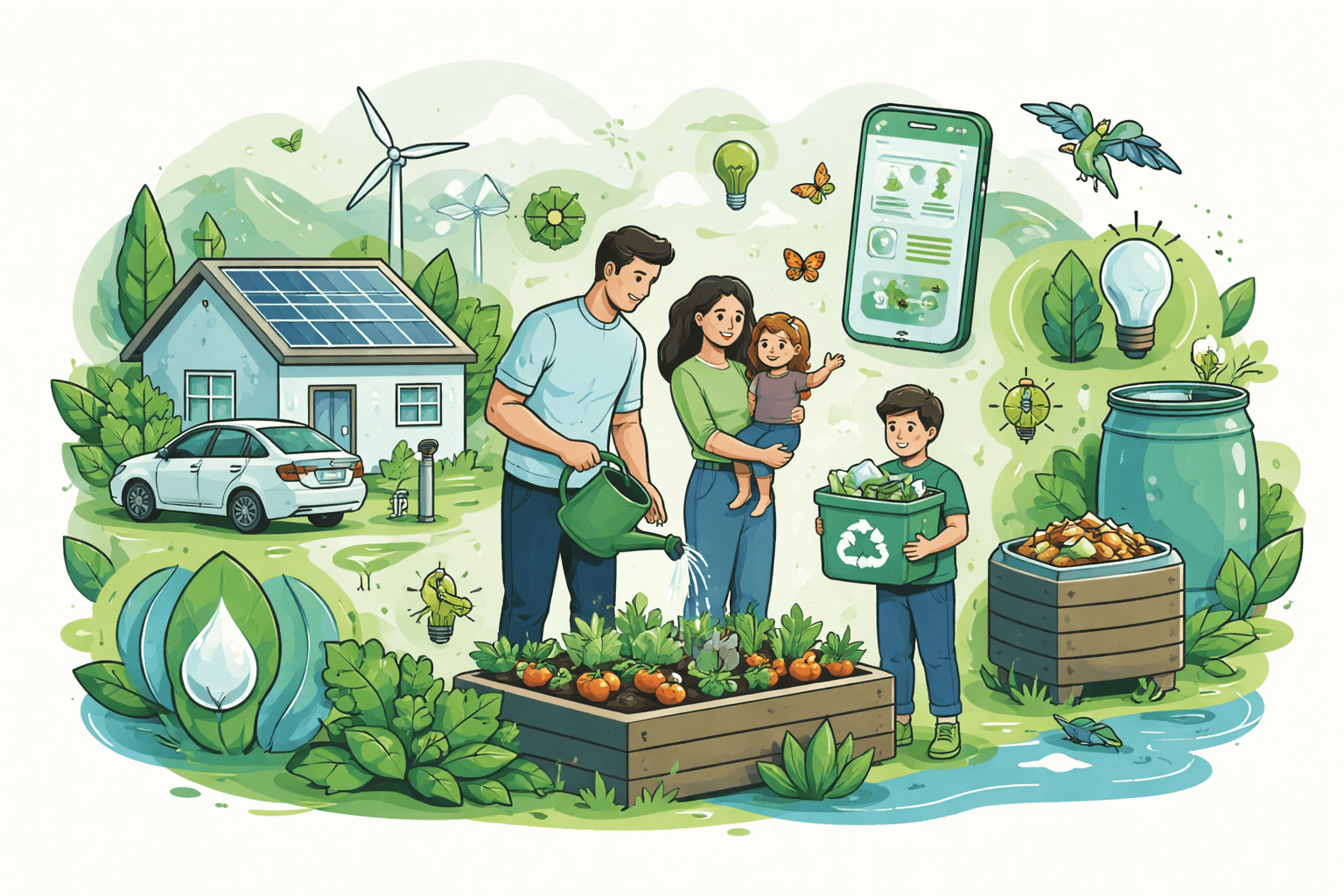
Families can cut household utility costs 10–30% with simple changes while shrinking their carbon footprint and creating teachable moments for kids. This guide compiles sustainable living tips for families grounded in data from the U.S. Energy Information Administration (EIA), EPA, ENERGY STAR, UNEP, WRAP, and more—so you know what really moves the needle on bills, waste, and emissions.
By the Numbers
- Energy use at home: Space heating and cooling account for ~48% of U.S. residential energy use; water heating ~18% (EIA RECS, 2020).
- Lighting: LEDs use up to 90% less energy and last 15x longer than incandescents (ENERGY STAR).
- Standby power: “Vampire” loads consume 5–10% of household electricity (Lawrence Berkeley National Laboratory).
- Water: WaterSense showerheads can save an average family ~2,700 gallons/year; WaterSense toilets up to ~13,000 gallons/year (EPA WaterSense).
- Food waste: Households waste 631 million tonnes of food globally (79 kg/person) each year (UNEP Food Waste Index 2024). In the U.S., the average family of four wastes about $1,500 in food annually (NRDC).
- Diet shift: Plant-rich diets are one of the top climate solutions; global adoption could avoid tens of gigatons of CO2e by 2050 (Project Drawdown).
- Transportation: In the U.S., transportation is ~28% of greenhouse gas emissions; light-duty vehicles are the largest share (EPA).
- EVs: Battery-electric cars produce ~60–70% lower lifetime GHG emissions than gasoline cars on today’s U.S./EU grids (ICCT, 2022).
Assumptions for example savings below: U.S. average electricity 0.16 $/kWh; grid emissions ~0.39 kg CO2/kWh (EPA eGRID 2022 U.S. average). Your local rates and grid mix will vary.
Sustainable living tips for families: energy and water quick wins

Zero Waste Home: The Ultimate Guide to Simplifying Your Life by Reducing Your Waste
Bea Johnson is “the mother of ... and simplify their lives. In Zero Waste Home, Bea Johnson <strong>shares the story of how she simplified her life by reducing her waste</strong>....
Check Price on AmazonLighting: swap to LEDs and use sensors where it counts
- Action: Replace frequently used bulbs (kitchen, family room, kids’ rooms, porch) with LEDs; add motion sensors/night lights in halls and bathrooms.
- Why it works: LEDs use up to 90% less energy and last 15x longer (ENERGY STAR).
- Example monthly savings: Replace 10×60W incandescents used 3 hours/day with 9W LEDs → save
46 kWh/month ($7) and ~18 kg CO2. - Safety: Turn off the switch; let bulbs cool; use stable step stools; match base type and color temperature (2700–3000K = warm; 4000–5000K = cool/daylight).
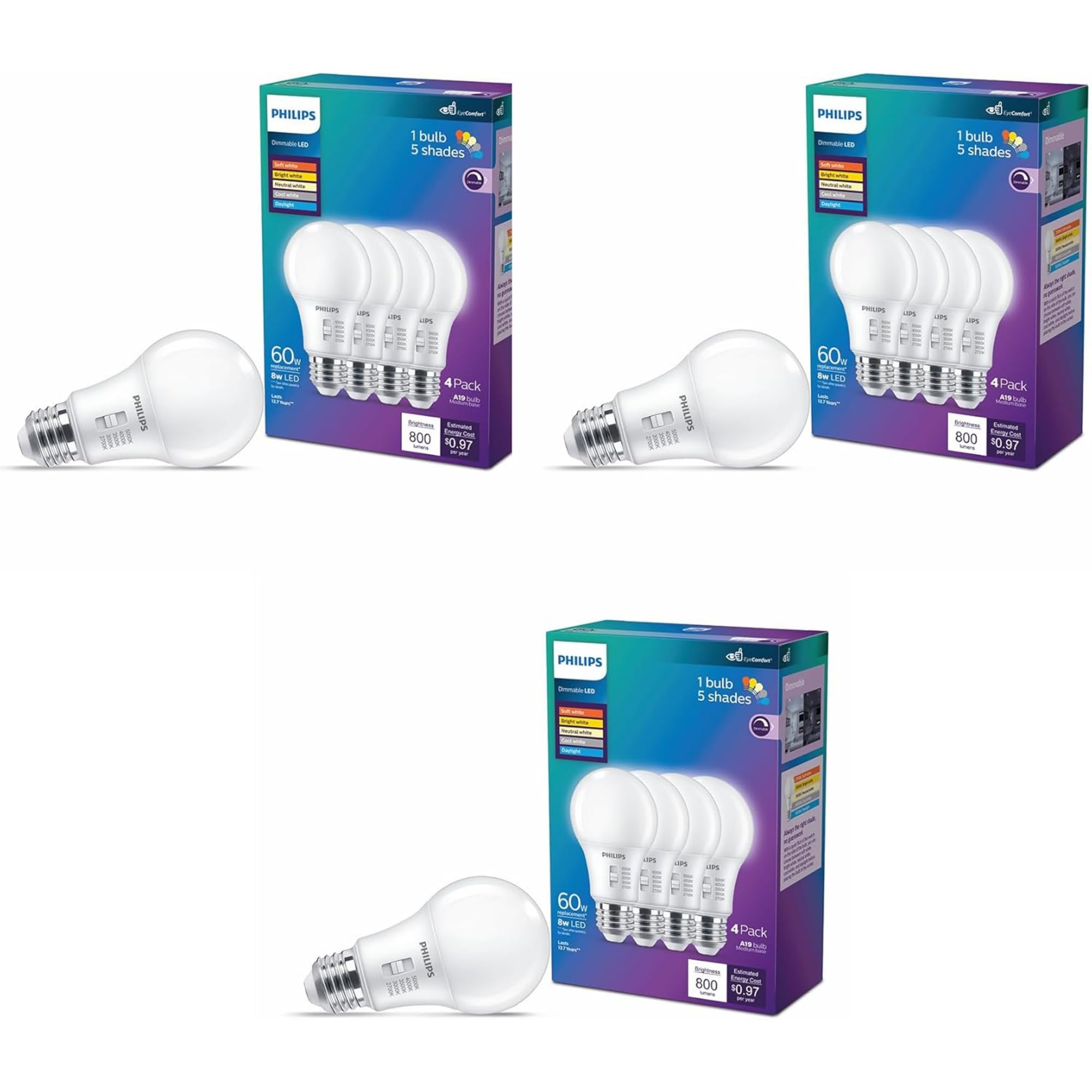
PHILIPS LED 60W A19 12-Pack Selectable White Multi-CCT 800 Lumen (8W = 60W) Dimmable Frosted Flicker-Free Light Bulbs - Amazon.com
View on AmazonThermostats: automate comfort, avoid waste
- Action: Program or install a smart thermostat with set-backs: 7–8°F lower in winter (when asleep/away), 4–5°F higher in summer.
- Evidence: ENERGY STAR estimates smart thermostats save ~8% on heating and cooling energy.
- Example monthly savings: If a typical family spends ~$1,500/year on heating/cooling, 8% saves
$120/year ($10/month on average; more in peak seasons). - Kid-friendly tip: Let kids “own” comfort routines—closing blinds on hot afternoons, opening them to capture sun in winter.
- When to hire a pro: If you have high‑voltage (line-voltage) baseboard heaters, multi‑stage or heat pump systems that need special wiring, or no common (C) wire. Many HVAC contractors include setup/optimization. For deeper tech guidance, see Smart Home Technology for Sustainability: High‑Impact Upgrades, Integration, and Real‑World Guidance (/sustainability-policy/smart-home-technology-for-sustainability-upgrades-integration-guide).

ecobee Smart Thermostat Premium with Smart Sensor and Air Quality Monitor - Programmable Wifi Thermostat - Works with Siri, Alexa, Google Assistant - Amazon.com
ecobee Smart Thermostat Premium with Smart Sensor and Air Quality Monitor - Programmable Wifi Thermostat - <strong>Works with Siri, Alexa, Google Assistant</strong> - Amazon.com
Check Price on AmazonWater heating and fixtures: quick swaps, big impact
- Action: Install WaterSense showerheads and faucet aerators; set water heater to 120°F; insulate hot‑water pipes in accessible areas.
- Evidence: WaterSense showerheads can save ~2,700 gallons/year per family; faucet aerators ~700 gallons/year (EPA WaterSense). Lowering water heater setpoint reduces standby and usage losses.
- Example monthly savings: Showerhead swap → ~225 gallons/month water saved. With hot water energy avoided, many families see $3–$8/month plus ~5–15 kg CO2 avoided.
- Safety: Turn off water supply when swapping fixtures; use plumber’s tape; check for leaks. Hire a pro to adjust gas water heaters if unsure about pilot/combustion safety.
Laundry: colder, fuller, and air‑dry when possible
- Action: Wash in cold when practical and run full loads; clean dryer lint screen; line‑dry or use drying racks for half your loads.
- Evidence: About 90% of a washer’s energy is for heating water (ENERGY STAR).
- Example monthly savings: Air‑drying half of 300 annual loads saves ~450 kWh/year →
38 kWh/month ($6) and ~15 kg CO2. Switching half your warm/hot loads to cold can add another ~$3–$7/month. - Kid project: Make a “laundry captain” chart—kids sort and help schedule full loads.
Phantom loads: kill standby power without hassle
- Action: Use advanced power strips for TV/game centers and office gear; unplug seldom‑used chargers; set game consoles to auto‑sleep.
- Evidence: Standby consumes 5–10% of household electricity (LBNL). Trimming half can save
20–40 kWh/month for many families ($3–$6 and 8–16 kg CO2). - Safety: Use UL‑listed strips; don’t daisy‑chain; keep strips accessible for easy off‑switching.
Air sealing and maintenance: comfort and safety
- Action: Weather‑strip drafty doors/windows; seal attic/basement air leaks; replace HVAC filters every 1–3 months; keep fridge/freezer at 37–40°F/0°F.
- Evidence: Reducing air leakage can cut heating/cooling needs by 10–20% (DOE building science findings).
- When to hire a pro: For blower‑door testing, duct sealing, or if you suspect combustion appliance back‑drafting or moisture issues.
Food and kitchen strategies that save money and emissions
Meal planning and smart storage to cut waste
- Why it matters: Household food waste is a major climate and budget issue—UNEP (2024) estimates 79 kg per person is wasted annually worldwide; NRDC finds U.S. families of four waste ~$1,500/year of food.
- Actions:
- Plan 4–5 core dinners, double one for leftovers.
- Shop with a list, and use “eat‑first” bins in the fridge.
- Learn date labels: “Best by” relates to quality, not safety.
- Freeze portions and ripe fruit; revive wilted greens in cold water.
- Impact: WRAP (UK) programs show simple planning and storage habits can reduce avoidable household food waste 15–30%.
Batch cooking and efficient appliances
- Actions: Batch‑cook grains/beans; use pressure cookers or microwaves for reheat; match pot sizes to burners; put lids on.
- Impact: Consolidating oven use and shifting to efficient appliances can trim kitchen energy by 10–20% for many families.
Plant‑forward, seasonal meals the family will eat
- Evidence: Plant‑rich diets are a top climate solution (Project Drawdown). Life‑cycle analyses show beef and lamb have the highest food emissions; swapping in beans, lentils, and seasonal vegetables can cut meal emissions dramatically (Poore & Nemecek, 2018).
- Family approach: Start with “2 plant‑forward dinners/week,” swap half the ground beef for lentils in tacos or sloppy joes, and serve seasonal produce for lower cost and footprint.
Grow something: containers, windowsills, and kid projects
- Actions: Grow herbs (basil, mint) on a windowsill; radishes, lettuce, and cherry tomatoes in containers; try a kid‑friendly pea teepee or sunflower circle.
- Benefits: Fresh produce, hands‑on learning, and fewer plastic clamshells.
- For deeper gardening guidance, see Practical Sustainable Gardening: Greener, Resilient Practices for Every Garden (/sustainability-policy/practical-sustainable-gardening-greener-resilient-practices).
Composting: options for every home
- Why it helps: Landfilled food generates methane. Composting diverts organics and builds soil. EPA tools show composting a few hundred pounds/year can avoid tens of kilograms of CO2e and more as participation scales.
- Options:
- Backyard bin or pile (greens + browns, keep moist, occasional turning).
- Vermicomposting (worm bin) for apartments.
- Bokashi for fast indoor pre‑composting.
- Municipal green bins or private haulers where available.
- Kid activity: “Compost detectives”—track what can/can’t go in; log weekly diversion.
Waste reduction and mindful consumption that actually stick
Buy less, buy better, and buy used
- Actions:
- Choose durable, repairable items with warranties and standard batteries.
- Use “48‑hour holds” for non‑essentials to curb impulse buys.
- Prioritize used/refurbished for strollers, bikes, furniture, and kids’ clothes.
- Impact: Extending the average life of clothing by just nine months reduces its carbon, water, and waste footprints by 20–30% (WRAP, UK). Buying used typically saves 50–80% vs. new on many kid items.
Swaps, repairs, and upcycling
- Ideas:
- Host seasonal toy/clothes swaps with size labeling.
- Mend simple rips, patch jeans, and re‑sole kids’ shoes once.
- Upcycle jars for storage and crafts; turn worn tees into rags.
- Skills boost: Look for community “fix‑it clinics” or library of things to borrow tools.
Recycling: do the basics right, avoid common traps
- Actions:
- Empty, rinse, and dry containers; keep caps on if your program allows.
- No plastic bags, hoses, or electronics in curbside; they jam sorters.
- Black plastics, mixed materials, and greasy pizza boxes are often not accepted—check local rules.
- Tip: Focus first on source reduction and reuse; recycling is the last resort in the “reduce, reuse, recycle” hierarchy.
Product swaps that save money over time
- Concentrated detergents and refill packs (less plastic, lower shipping footprint).
- High‑quality reusable bottles, lunch containers, and snack bags.
- Reusable microfiber cloths vs. paper towels (wash with cool loads).
- Safety: Choose BPA‑free, food‑safe materials; avoid cheap coatings that flake.
Family transportation and routines with lower emissions
Carpooling, trip chains, and active school runs
- Actions:
- Coordinate carpools for school, sports, and activities.
- Combine errands into one loop to reduce cold starts.
- Walk/bike/scoot to school 1–3 days/week where safe; start with “Walk‑to‑School Wednesdays.”
- Impact: Programs like Safe Routes to School report 20–30% drops in school‑route car trips, easing congestion and emissions while boosting kids’ activity.
Public transit with kids
- Tips: Practice the route on a weekend; pack “quiet kits” (books, games); use transit apps and tap cards; teach older kids wayfinding and safety.
- Savings: Replacing two 10‑mile car trips/week with transit can save a family ~160–200 lbs CO2/year, depending on your grid and bus fuel mix.
Vehicle choices: EVs, hybrids, or efficient used cars
- Emissions reality: Battery‑electric vehicles have ~60–70% lower lifetime GHG emissions than gasoline cars on today’s U.S./EU grids (ICCT, 2022). Hybrids cut fuel use 20–40% vs. comparable gasoline models.
- Budget approach: If an EV isn’t feasible now, a used hybrid or a smaller efficient car still delivers large savings. Every avoided gallon of gasoline prevents ~8.9 kg (19.6 lb) of CO2 (EPA).
- Maintenance habits that matter: Keep tires properly inflated (can improve MPG by ~3%, DOE); remove roof racks when not in use; drive smoothly to save 10–40% fuel.
- Shopping help: See Best Electric Vehicles for Families: Top EVs for Safety, Space, Range, and Value (/sustainability-policy/best-electric-vehicles-for-families).
Remote‑work adjustments and budgeting
- Actions: Negotiate 1–2 remote days/week; align flexible hours to avoid peak traffic.
- Impact: Skipping one 20‑mile round‑trip commute/week in a 25‑MPG car avoids ~33 kg CO2/year and saves ~$67 in fuel at $3.25/gal; scale up with more days.
- Budget planning: Reallocate fuel savings to a transit card, cargo e‑bike fund, or maintenance.
Habits, education, and community engagement
Age‑appropriate activities to build lifelong habits
- Ages 3–6: Sorting game for recycling; watering plants; “lights off” patrol.
- Ages 7–12: Garden plots, compost detectives, home energy scavenger hunt.
- Teens: Lead a family carbon audit; plan plant‑forward meals; help set thermostat schedules and manage transit passes.
Family challenges and seasonal checklists
- Ideas:
- One‑Month Energy Sprint: LED swaps, smart strips, thermostat schedules, cold‑wash pledge.
- Food Rescue Month: Plan meals, use eat‑first bins, track leftovers.
- Low‑Waste Holidays: DIY decorations, gift experiences, wrap with reused paper.
- Seasonal checklist:
- Fall: Weather‑strip doors/windows; service furnace; swap to thicker bedding.
- Winter: Cook in batches; seal drafts; set holiday low‑waste rules.
- Spring: Clean fridge and set “first in, first out”; start container garden.
- Summer: Close blinds by day; grill veggies; set A/C set‑backs.
Track progress: money, waste, and carbon
- Simple metrics:
- Utilities: Log monthly kWh, therms, and gallons from bills.
- Food waste: Track weight (kitchen scale) or volume (one clear bin/week).
- Trash/recycling: Count bags set out per week.
- Transport: Log miles driven vs. car‑free trips.
- Tools: Many utilities offer usage dashboards; a spreadsheet works fine. For a structured approach to footprinting, see How to Reduce Your Carbon Footprint: Practical Steps for Every Household (/sustainability-policy/how-to-reduce-your-carbon-footprint-practical-steps).
- Low‑cost incentives: Sticker charts for kids; choose‑the‑dinner night; a family hike or library visit when monthly targets are met.
Tap local programs and community resources
- Utilities: Free home energy audits, rebates for smart thermostats, insulation, and heat pumps.
- City/county: Compost/yard‑waste collection, hazardous waste drop‑offs, water‑saving rebates (toilets, fixtures, rain barrels), Safe Routes to School.
- Community: Tool libraries, repair cafes, community gardens, and “buy nothing” groups.
What this could look like for a typical family (monthly snapshot)
- Lighting: Replace 10 bulbs → save ~$7 and ~18 kg CO2.
- Smart strips + better device sleep: save ~$4 and ~12 kg CO2.
- Thermostat optimization: average ~$10 (more in season).
- Laundry (cold + half air‑dry): save ~$9 and ~30 kg CO2.
- Water (showerhead + aerators): save ~$3–$8 and ~5–15 kg CO2.
- Food waste reduction (15–25%): save ~$30–$90 on groceries.
- Transport (carpool + 2 active school runs/week): save ~1–2 gallons fuel/week → ~$15–$25/month and ~35–70 kg CO2/month. Total conservative potential: ~$80–$160/month plus ~100–170 kg CO2 avoided—before any rebates or larger upgrades.
Where families can go next
- Scale what works: If LED swaps and thermostat set‑backs are painless, expand to weather‑stripping and duct sealing.
- Electrify smartly: When appliances age out, choose the most efficient replacement you can afford (heat pump water heater, heat pump HVAC, induction cooktop). Pair with insulation and air sealing for comfort and cost control.
- Keep the learning loop alive: Post a family dashboard on the fridge; celebrate progress monthly; let kids propose the next experiment.
- Explore deeper upgrades and incentives here: Smart Home Technology for Sustainability: High‑Impact Upgrades, Integration, and Real‑World Guidance (/sustainability-policy/smart-home-technology-for-sustainability-upgrades-integration-guide).
With a few high‑impact actions and kid‑friendly routines, sustainable living tips for families translate into real savings, healthier habits, and a lower‑carbon household today—and help raise the next generation of climate‑savvy citizens.
Recommended Products
Zero Waste Home: The Ultimate Guide to Simplifying Your Life by Reducing Your Waste
Bea Johnson is “the mother of ... and simplify their lives. In Zero Waste Home, Bea Johnson <strong>shares the story of how she simplified her life by reducing her waste</strong>....
PHILIPS LED 60W A19 12-Pack Selectable White Multi-CCT 800 Lumen (8W = 60W) Dimmable Frosted Flicker-Free Light Bulbs - Amazon.com
PHILIPS LED 60W A19 4-Pack Ultra ... White Multi-CCT 650 Lumen (7.2 = 65W) Dimmable Frosted Flicker-Free Light Bulbs · <strong>Philips LED 538322</strong> LED Dimmable A19 Soft White Light Bulb with W
ecobee Smart Thermostat Premium with Smart Sensor and Air Quality Monitor - Programmable Wifi Thermostat - Works with Siri, Alexa, Google Assistant - Amazon.com
ecobee Smart Thermostat Premium with Smart Sensor and Air Quality Monitor - Programmable Wifi Thermostat - <strong>Works with Siri, Alexa, Google Assistant</strong> - Amazon.com
More in Sustainability Policy
- Everyday Sustainable Living: Practical Tips to Save Money, Reduce Waste, and Lower Your Carbon Footprint
- How to Practice Conservation at Home: Practical Steps to Save Energy, Water, Waste and Support Wildlife
- Tech-Driven Sustainable Living: A Practical Guide to Lower Your Footprint
- Everyday Sustainability: Practical, High-Impact Steps to Reduce Your Environmental Footprint