
How to Create Sustainable Gardens: Practical Strategies for Biodiverse, Low‑Impact Landscapes
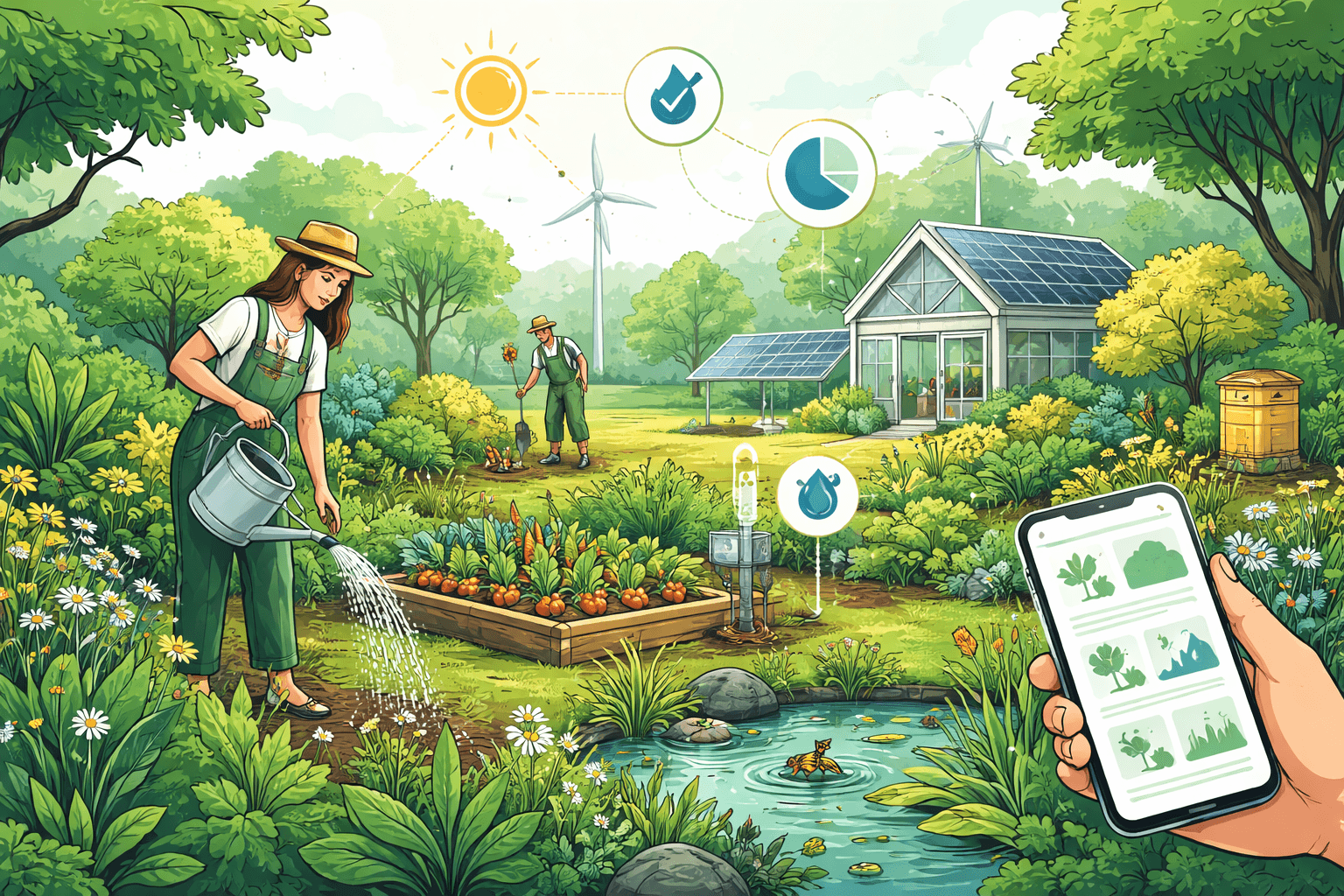
Outdoor landscapes are thirsty and underperforming in most homes: the U.S. EPA estimates residential landscape irrigation accounts for nearly one‑third of household water use—about 9 billion gallons per day—and can exceed 50% in dry regions (EPA WaterSense). Lawns alone span roughly 63,000 square miles in the contiguous U.S., an area larger than the state of Georgia (Milesi et al., 2005), demanding water, fertilizer, and mowing while providing limited habitat. By contrast, sustainable gardens can cut outdoor water use by 30–50% or more (EPA WaterSense), support pollinators that underpin 75% of global food crops (IPBES, 2016), build soil carbon, and even reduce building cooling loads with strategic shade.
This guide explains how to create sustainable gardens—step by step—with data‑backed design decisions, plant selection strategies, and low‑impact maintenance practices you can apply in any climate.
Core principles and benefits of sustainable gardening
Sustainable gardens work with local climate and ecology to deliver multiple outcomes at once: biodiversity, climate resilience, water and energy savings, soil health, and community value.

Nature's Best Hope: A New Approach to Conservation That Starts in Your Yard: Tallamy, Douglas W.
In this new book, Tallamy takes the next step and outlines his vision for a grassroots approach to conservation. Nature’s Best Hope <strong>shows how homeowners everywhere can turn their yards into co
Check Price on Amazon- Biodiversity: Native plantings increase insect and bird abundance compared to exotic‑dominant landscapes. Research led by entomologist Douglas Tallamy suggests breeding birds thrive when ~70% of yard plant biomass is native, due to greater availability of insect prey on native plants. The Intergovernmental Science‑Policy Platform on Biodiversity and Ecosystem Services (IPBES) warns that 1 million species face extinction risk; restoring habitat in cities and suburbs is part of the solution.
- Climate resilience: Deep‑rooted perennials, shrubs, and trees stabilize soil, slow runoff, and tolerate heat waves and drought. Rain gardens and swales capture intense rain bursts that are becoming more frequent in many regions.
- Water and energy savings: Converting turf to climate‑appropriate plantings and using drip irrigation routinely cuts outdoor water use by 30–50% (EPA WaterSense). Well‑placed shade trees can reduce air‑conditioning needs by up to 30% (U.S. DOE), lowering energy bills and peak demand.
- Soil health and carbon: Soils store more carbon than the atmosphere and vegetation combined (FAO). Increasing soil organic matter by just 1 percentage point can boost plant‑available water in the top 6 inches by roughly 20,000 gallons per acre (USDA NRCS), improving drought tolerance.
- Community value: Networks of pollinator‑friendly yards act as urban habitat corridors. Sustainable gardens also reduce stormwater burdens on city infrastructure and can increase property value with lower maintenance costs over time.
How to create sustainable gardens: site assessment and climate‑smart design
A good plan starts with what you have. Map microclimates, test soil, and design water to be a resource, not a problem.
Map microclimates and climate trends
- Sun, shade, and heat: Track sun exposure across seasons (full sun = 6+ hours/day). Note heat islands near pavement and south‑ or west‑facing walls. Prevailing winds and frost pockets also matter.
- Hardiness and heat zones: Check your USDA Plant Hardiness Zone and heat zone equivalents. The 2023 USDA map shows many areas warming by roughly half a zone since 2012; prioritizing heat‑ and drought‑tolerant species is increasingly prudent.
- Slope and drainage: Identify slopes >5% where runoff concentrates. Mark low spots that pond after storms.
Practical tip: Sketch a base map showing structures, utilities, impermeable surfaces, and existing vegetation. Overlay microclimate zones to guide plant placement.
Test and improve soil
- Soil texture and structure: Perform a simple jar test to estimate sand/silt/clay proportions. Conduct an infiltration test by digging a 6‑inch‑deep hole, filling with water, and timing how long it drains; aim for 0.5–2 inches/hour for most plants.
- pH and nutrients: Send a sample to your local extension service for pH and nutrient analysis. Many will recommend specific, low‑salt organic amendments based on results.
- Organic matter: Incorporate 1–2 inches of finished compost into planting beds (not native woodlands or prairies where disturbance is undesirable). Higher organic matter improves water holding and nutrient cycling (USDA NRCS).
Capture and manage water on site
Treat every drop of rainfall as an asset.
- Rain gardens: A shallow, planted basin designed to absorb and filter stormwater. As a rule of thumb, size it to about 10% of the roof or paved area that drains to it, with 6–8 inches of ponding depth. Many rain gardens can capture the “first inch” of rainfall, which carries most pollutants (EPA). Use deep‑rooted natives tolerant of occasional inundation (e.g., sedges, rushes, swamp milkweed in suitable regions).
- Swales on contour: Shallow, vegetated channels that slow and spread water across slopes, increasing infiltration and recharging soil moisture.
- Permeable hardscapes: Permeable pavers or gravel paths can reduce runoff by 70–90% compared to conventional paving (EPA), while cooling surfaces.
- Rainwater harvesting: A single 1,000‑square‑foot roof in a 1‑inch rain yields ~620 gallons. Rain barrels and cisterns supply non‑potable irrigation; some municipalities offer rebates.
- Greywater (where legal): Laundry‑to‑landscape systems redirect lightly used water from washing machines to subsurface irrigation, potentially reducing potable outdoor demand by 15–30% in suitable households (various state water agency reports). Always follow local codes and keep greywater below mulch/soil.
For whole‑home strategies like cistern integration and greywater plumbing, see Designing Green Homes: Practical Strategies for Sustainable, Healthy, Cost‑Effective Living (/sustainability-policy/designing-green-homes-practical-strategies).
Reserve space for habitat and access
- Layered structure: Combine canopy trees, understory trees, shrubs, perennials, groundcovers, and leaf litter to mimic natural habitats.
- Habitat patches: Dedicate at least 10–20% of yard area as low‑disturbance habitat: leave some dead wood, leaf mulch, and dense thickets for nesting and overwintering.
- Movement corridors: Connect plantings across the property so wildlife can move safely between resources.
- Human access: Use paths, stepping stones, and defined edges to concentrate foot traffic and reduce compaction.
For species‑specific tactics, see Wildlife‑Friendly Gardening: Practical Tips to Attract Pollinators, Birds and Backyard Wildlife (/sustainability-policy/wildlife-friendly-gardening-tips).
Plant selection strategy: natives, pollinators, perennials, and edibles
Right plant, right place—grounded in ecology.
Prioritize native plants and eco‑regional fit
- Local provenance: Choose species native to your ecoregion; they coevolved with local insects, birds, and soils. Sources like botanical gardens, native plant societies, and extension lists provide region‑specific guidance.
- Functional roles: Include larval host plants (e.g., milkweeds for monarchs), nectar and pollen sources, berry‑producing shrubs, and mast‑producing trees.
- Diversity rule of thumb: Aim for landscape diversity such that no more than 10% of plants are the same species, 20% the same genus, and 30% the same family. This lowers risk from pests, diseases, and climate stress.
Design continuous bloom and structure for pollinators
- Bloom succession: Ensure flowers from very early spring to late fall. Example sequence (adjust to region): willows and serviceberries (early), penstemons and salvias (mid), asters and goldenrods (late). The Xerces Society recommends clusters of 3–5 plants per species for efficient foraging.
- Flower form: Favor single (non‑double) blooms that expose nectar/pollen; include tubular, composite, and bell‑shaped flowers to serve diverse pollinator guilds.
- Night and specialist pollinators: Add evening‑blooming species for moths and night‑flying pollinators.
Mix perennials, shrubs, trees, and climate‑appropriate groundcovers
- Perennials and grasses: Deep roots improve soil structure and drought resilience.
- Shrubs and trees: Provide shade, nesting, and long‑term carbon storage. Site trees to shade west‑ and south‑facing walls and over pavement.
- Groundcovers: Living mulches suppress weeds and cool soil; choose low‑water species appropriate to your climate instead of turf in low‑traffic zones.
Integrate edibles without compromising ecology
- Food forests and guilds: Combine fruit trees, nitrogen‑fixers (e.g., clovers), dynamic accumulators (e.g., comfrey), herbs, and pollinator flowers in layered plantings.
- Annuals with perennials: Tuck lettuces and herbs into perennial borders to reduce bare soil.
- Pest‑smart choices: Choose disease‑resistant cultivars to minimize sprays. Encourage beneficial insects with flowering borders.
Source ethically and avoid hidden pesticides
- Neonicotinoids: Many ornamental plants are treated with systemic neonicotinoid insecticides linked to pollinator harm. Request neonic‑free stock; many nurseries now label this.
- Avoid wild‑collected natives unless certified sustainable. Prefer local seed sources for better adaptation and to protect genetic diversity.
Plan for resilience
- Hydrozones: Group plants by water needs so irrigation can be targeted and efficient.
- Right spacing: Plant at mature spacing to reduce pruning, disease pressure, and water demand.
- Redundancy: Include multiple species that provide the same function (e.g., several early nectar plants) to buffer losses.
Low‑impact materials and maintenance
Sustainable gardens pay dividends when management matches design.
Composting and mulching
- Compost onsite: Food scraps and yard trimmings make up over 28% of municipal solid waste (U.S. EPA). Home composting diverts organics from landfills, cuts methane, and returns nutrients to soil.
- Mulch depth: Maintain 2–4 inches of coarse organic mulch (e.g., arborist chips) around plants, keeping it a few inches away from stems. Mulch can reduce evaporation and weeds substantially, with studies showing 10–50% reductions in soil water loss depending on climate and mulch type (university extension trials).
- Leave the leaves: In beds, allow leaves to decompose in place to shelter overwintering insects and add organic matter.
For household‑level waste‑reduction habits that support your garden system, explore Everyday Sustainable Living: Practical Tips to Save Money, Reduce Waste, and Lower Your Carbon Footprint (/sustainability-policy/everyday-sustainable-living-tips-save-money-reduce-waste-lower-carbon-footprint).
Organic soil amendments and materials
- Amend thoughtfully: Use finished compost based on soil test recommendations. Avoid peat (high carbon cost); prefer composted bark, leaf mold, or coconut coir where appropriate.
- Biochar: In some soils, adding 5–10% biochar by volume can improve water holding and nutrient retention while storing stable carbon; effects vary by soil type and biochar source (peer‑reviewed meta‑analyses). Blend with compost to charge pores.
- Hardscape choices: Opt for recycled or locally sourced stone, FSC‑certified wood, and permeable materials to lower embodied carbon.
Integrated Pest Management (IPM)
IPM is a decision framework that prevents pests through cultural, physical, and biological controls before considering targeted, least‑toxic treatments.
- Prevention: Match plants to site, rotate annual crops, improve airflow, and water at soil level to avoid foliar diseases.
- Monitoring: Scout weekly. Set action thresholds; tolerate some cosmetic damage—many bird and beneficial insect species rely on insect prey.
- Controls in order: Hand‑remove pests, prune infested parts, deploy row covers, encourage predators and parasitoids (lady beetles, lacewings, parasitic wasps). If needed, use narrow‑spectrum products (e.g., horticultural oils, soaps) and avoid spraying open blooms.
Low‑energy, water‑smart irrigation
- Drip and soaker: Subsurface or surface drip can reduce irrigation water use by 30–50% compared to overhead sprays (EPA WaterSense). Mulch over lines to reduce evaporation.
- Smart scheduling: Water deeply and infrequently based on soil moisture and evapotranspiration (ET), not the calendar. Water early morning.
- Pressure regulation and zoning: Use pressure‑regulating valves and separate zones for different hydrozones.
- Smart controllers: Weather‑based irrigation controllers can save an average of 15% more water by adjusting schedules to real‑time conditions (EPA WaterSense). For integration guidance and energy‑smart home systems, see Smart Home Technology for Sustainability: High‑Impact Upgrades, Integration, and Real‑World Guidance (/sustainability-policy/smart-home-technology-for-sustainability-upgrades-integration-guide).
- Maintenance: Check for leaks and clogged emitters seasonally; a single 1/32‑inch leak can waste thousands of gallons per season.
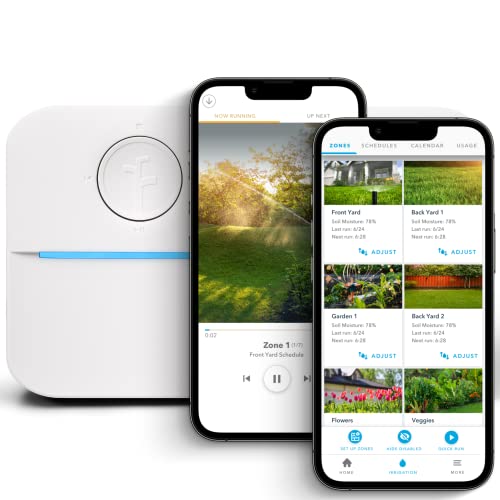
Rachio WiFi Smart Sprinkler Controller (8-Zone Irrigation Remote Control) – App-Based Scheduling, Local Weather Intelligence, Rain Skips, Easy DIY Install : Patio, Lawn & Garden
Amazon.com : Rachio WiFi Smart Sprinkler Controller (8-Zone Irrigation Remote Control) – App-Based Scheduling, Local Weather Intelligence, Rain Skips, Easy DIY Install : Patio, Lawn & Garden
Check Price on Amazon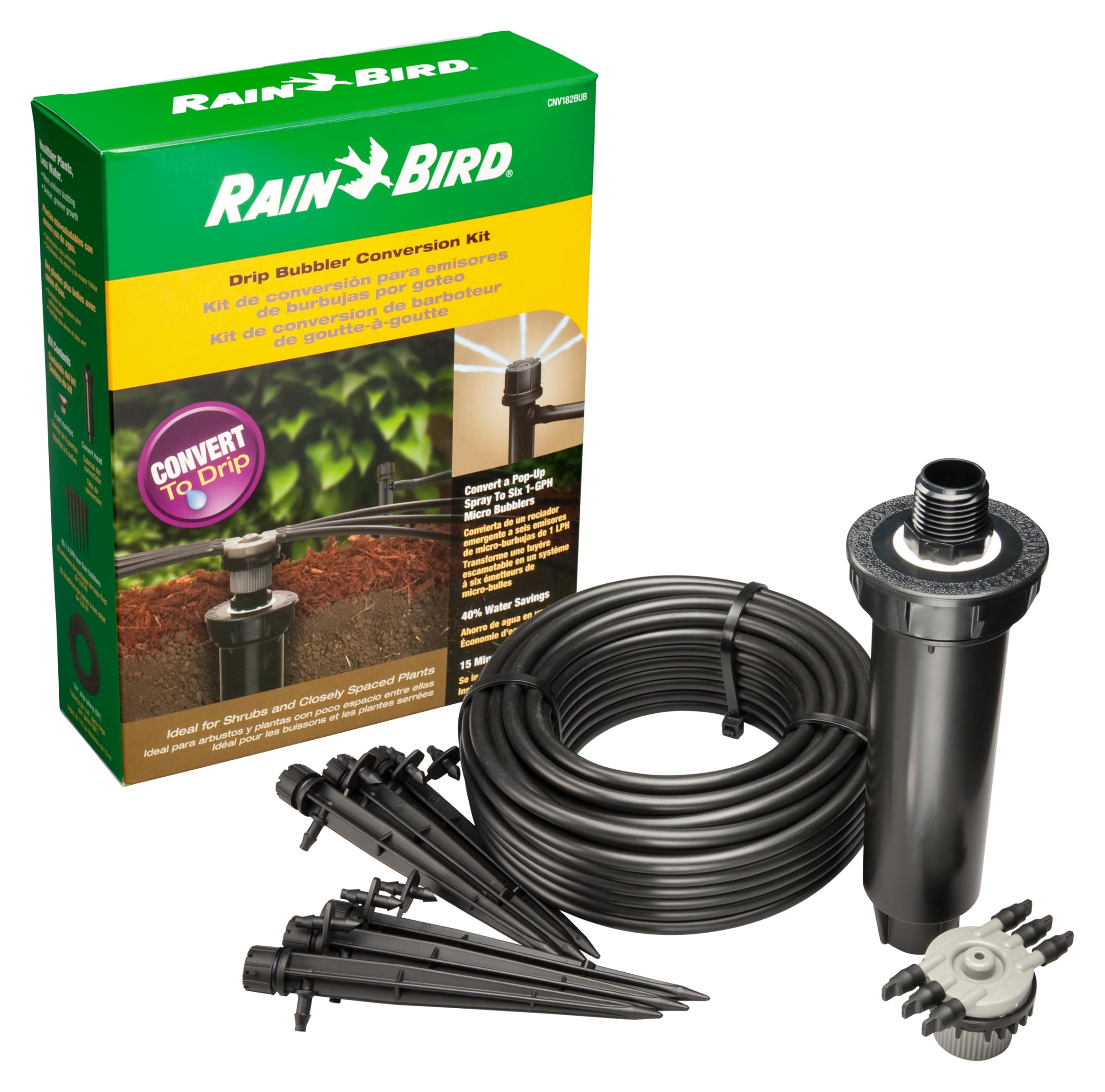
Rain Bird CNV182MBS Drip Irrigation Sprinkler Conversion Kit, 1800 Pop-Up to 6 Drip Micro Bubblers with 1/4" Tubing : Lawn And Garden Sprinklers : Patio, Lawn & Garden
View on AmazonMeasure ecological outcomes
You can’t manage what you don’t measure. Track:
- Water: Monthly outdoor water use (from utility or submeter) and irrigation runtime hours.
- Soil: Organic matter (%) from a lab test every 1–2 years; infiltration test time; bulk density if compacted areas are a concern.
- Biodiversity: Species counts via iNaturalist, eBird, or structured pollinator counts (e.g., 5‑minute flower visits). Track bloom weeks per season.
- Microclimate: Surface temperatures (infrared thermometer) in mulched vs. unmulched areas; summer shade coverage.
Tap local resources and incentives
- Extension services and conservation districts offer soil testing, planting lists, and free classes.
- Water agency rebates: Many utilities offer $1–$5 per square foot to replace turf with climate‑appropriate landscaping, plus rebates for rain barrels/cisterns and smart controllers.
- Native plant societies and botanical gardens host plant sales with regionally appropriate species.
- Codes and permits: Check rules for greywater, curb cuts for parkway bioswales, and cistern installation.
By the numbers
- 30–50%: Typical reduction in outdoor water use from efficient irrigation and climate‑appropriate planting (EPA WaterSense).
- ~9 billion gallons/day: Residential outdoor water used in the U.S. (EPA WaterSense).
- 63,000 square miles: Estimated lawn area in the contiguous U.S. (Milesi et al., 2005).
- 75%: Share of global food crops that benefit from animal pollination (IPBES, 2016).
- ~20,000 gallons/acre: Additional plant‑available water from a 1% increase in soil organic matter in the top 6 inches (USDA NRCS).
- Up to 30%: Reduction in air‑conditioning needs from strategic tree shading (U.S. DOE).
Practical design recipe (putting it all together)
- Replace at least 500–1,000 square feet of turf with native, drought‑tolerant plantings grouped by water needs. Expect 30–60% irrigation savings post‑establishment.
- Install a 100–200 square foot rain garden sized at ~10% of your contributing roof/paved area, with a pretreatment filter (e.g., gravel forebay) and overflow to a safe location.
- Convert spray zones to drip with pressure regulation; add a weather‑based controller and soil‑moisture “pauses.”
- Mulch all beds to 2–4 inches with arborist chips; leave autumn leaves in place where tidy appearance allows.
- Plant for continuous bloom (early/mid/late) and include larval host plants. Target at least 70% native biomass in key habitat areas.
- Start a backyard compost system; integrate kitchen scraps and yard waste to close the nutrient loop.
- Commit to IPM monitoring weekly during the growing season; set tolerance thresholds and document observations.
Where sustainable gardens are heading
Native plant availability is expanding as demand grows and climate zones shift. Expect:
- Wider nursery labeling (neonic‑free, local ecotype) and more regionally adapted seed mixes.
- Tighter water budgets in drought‑prone regions, with higher rebates for turf conversion and rain capture.
- More cities counting private green infrastructure (rain gardens, permeable paving) toward stormwater compliance, offering fee reductions.
- Integration of smart irrigation with home energy and weather data for finer control and leak detection.
- Greater emphasis on biodiversity metrics—pollinator counts, bird nesting success—as standard performance indicators alongside water and maintenance costs.
Gardens are small, but scaled across neighborhoods they add up to significant water savings, cooler microclimates, richer urban biodiversity, and healthier soils. With a plan rooted in site assessment, native plant diversity, and data‑informed water management, your landscape can be resilient, low‑impact, and alive with wildlife.
Recommended Products
Nature's Best Hope: A New Approach to Conservation That Starts in Your Yard: Tallamy, Douglas W.
In this new book, Tallamy takes the next step and outlines his vision for a grassroots approach to conservation. Nature’s Best Hope <strong>shows how homeowners everywhere can turn their yards into co
Rain Bird CNV182MBS Drip Irrigation Sprinkler Conversion Kit, 1800 Pop-Up to 6 Drip Micro Bubblers with 1/4" Tubing : Lawn And Garden Sprinklers : Patio, Lawn & Garden
Kit contains (1) pressure-compensating six-outlet manifold; (1) <strong>1800 retro spray head with a filter and pressure regulator</strong>; (1) roll 50’ x 1/4” Drip distribution tubing; (6) 1/4"
Rachio WiFi Smart Sprinkler Controller (8-Zone Irrigation Remote Control) – App-Based Scheduling, Local Weather Intelligence, Rain Skips, Easy DIY Install : Patio, Lawn & Garden
Amazon.com : Rachio WiFi Smart Sprinkler Controller (8-Zone Irrigation Remote Control) – App-Based Scheduling, Local Weather Intelligence, Rain Skips, Easy DIY Install : Patio, Lawn & Garden
More in Sustainability Policy
- Practical Sustainable Gardening: Greener, Resilient Practices for Every Garden
- Rainwater Harvesting: Practical Guide to Systems, Costs, and Benefits
- Wildlife-Friendly Gardening: Practical Tips to Attract Pollinators, Birds and Backyard Wildlife
- Everyday Sustainability: Practical, High-Impact Steps to Reduce Your Environmental Footprint