
Practical Sustainable Gardening: Greener, Resilient Practices for Every Garden
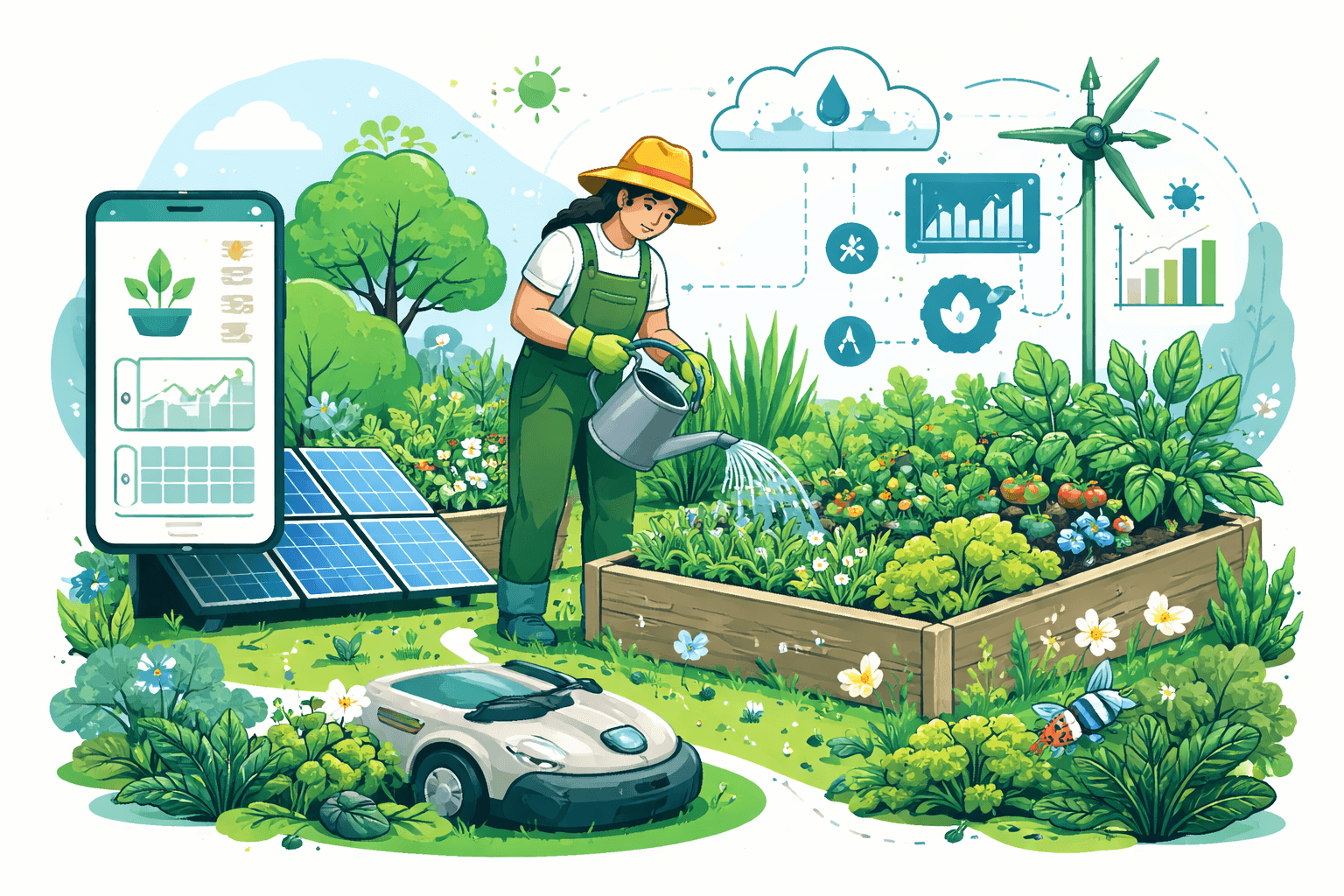
Sustainable gardening practices are no longer niche: they’re how home gardens, balconies, and community plots become climate‑resilient, water‑smart, and biodiversity‑rich. Outdoors, the average U.S. home uses about 30% of its water on landscapes, with up to half of that lost to overwatering and evaporation, according to EPA WaterSense. Switching to drip irrigation alone can cut landscape water use by 30–70% in many settings (FAO and university extension studies), while soil‑building methods can increase water storage and lock away carbon. The science is clear and actionable—here’s how to design a garden that works with nature, not against it.
For a design‑first overview of layout and planning, see our guide: How to Create Sustainable Gardens: Practical Strategies for Biodiverse, Low‑Impact Landscapes.
By the numbers: why this matters
- Outdoor water use: ~30% of household consumption; up to 50% wasted through inefficiency (EPA WaterSense)
- Drip vs. sprinkler: 30–70% landscape water savings, equal or better plant health (FAO; land‑grant universities)
- Soil organic matter: +1 percentage point can store ~20,000 extra gallons of water per acre of soil (USDA NRCS)
- Cover crops: ~35% average increase in water infiltration in meta‑analysis (Basche & DeLonge, 2019)
- Pollination value: $235–577 billion/year of global crop value depends on animal pollinators (IPBES)
- Lawns: Turfgrass is the largest irrigated “crop” in the U.S., spanning ~40–50 million acres (NASA/USGS estimates)
- Small engines: In California, small off‑road engines (mowers, blowers) now emit more smog‑forming pollution than passenger cars (CARB, 2021)
Soil health and regenerative practices
Healthy soil is the engine of sustainable gardening practices: it buffers drought, moderates temperature, cycles nutrients, and stores carbon.
Test your soil to target inputs
- What it is: A lab soil test measures pH, organic matter (OM), and nutrient levels (N‑P‑K, micronutrients).
- Why it matters: Over‑fertilizing wastes money, fuels runoff, and can harm beneficial soil life. A test tells you exactly what to add—and what not to.
- How to do it: Take 10–15 cores from the top 6 inches across a bed, mix, and send a composite sample to a local extension service or accredited lab every 2–3 years.
Compost: the cornerstone input
- Function: Compost increases soil organic matter, boosts microbial activity, improves aggregation (soil structure), and raises cation exchange capacity (nutrient‑holding power). Even a 0.5–1% rise in OM can materially increase water storage; USDA NRCS estimates roughly 20,000 extra gallons held per acre for each 1% OM gain.
- How to apply: Add 0.5–1 inch of well‑finished compost on beds annually or biannually. Incorporate lightly on first application if soil is compacted, then top‑dress.
- Make your own: A 2–3 bin system helps you manage feedstocks (browns like leaves, greens like kitchen scraps) toward a ~30:1 carbon‑to‑nitrogen ratio. Hot composting (130–160°F) speeds decomposition and reduces pathogens and weed seeds.
Mulching to lock in moisture and suppress weeds
- What it is: A 2–4 inch layer of organic mulch (shredded leaves, arborist chips, straw) reduces evaporation, moderates soil temperature, and protects soil structure.
- Evidence: University trials routinely find mulches can reduce surface evaporation and irrigation needs by 10–50%, depending on climate and material, while cutting weeds by 50–90%.
- Tip: Keep mulch a few inches away from stems to prevent rot; refresh annually as it breaks down into humus.
Cover crops: living armor for soil
- Cool‑season options: Crimson clover, vetch, winter rye; warm‑season: buckwheat, cowpea, sorghum‑sudangrass.
- Benefits: Increased infiltration (~35% on average in meta‑analysis), erosion control, nitrogen fixation (legumes), weed suppression, and habitat for beneficial insects.
- Timing: In annual beds, sow after harvest; mow/terminate before seeding and use as mulch. In perennials, interseed low‑growing covers to protect between plants.
No‑dig (no‑till) methods to protect the soil food web
- Why it matters: Tillage disrupts fungal networks (mycorrhizae), oxidizes organic matter, and increases erosion. No‑dig preserves aggregates and promotes carbon sequestration.
- Practice: Top‑dress compost and mulch; plant into openings without turning the whole bed. Over seasons, roots and soil organisms naturally “till” the soil.
- Climate angle: IPCC and peer‑reviewed studies indicate soil‑building practices (reduced tillage, cover crops, organic amendments) can sequester meaningful carbon—often on the order of 0.3–1.0 t C/ha/year in managed systems—while improving resilience.
Water‑wise management: cut use, keep plants healthy
Water efficiency is central to sustainable gardening practices—especially as heatwaves and drought intensify.
Harvest rain where it falls
- Roof catchment math: 1 inch of rain on 1,000 sq ft of roof yields ~623 gallons (EPA/USGS). A pair of 50–75 gallon barrels can bridge multi‑day dry spells for container plants and beds.
- Scale up: Simple cisterns (200–1,000+ gallons) with first‑flush diverters supply gravity‑fed drip lines. Always screen inlets and follow local codes.

EarthMinded DIY Rain Barrel Diverter and Parts Kit - Water Collection System To Convert Containers into Rain Barrels - Catch Rain Water for Outdoor Chores - RBK-0001 : Patio, Lawn & Garden
View on AmazonIrrigate efficiently with drip and soaker hoses
- Why drip works: It delivers water directly to the root zone at low pressure, minimizing evaporation and runoff.
- Savings: Studies across climates show 30–70% less water use than sprinkler systems while maintaining or improving growth.
- Setups: Use 0.5–1.0 gph emitters for perennials/trees; 1/4" dripline or soaker hoses for vegetable rows. Bury or mulch over lines to further reduce evaporation.
- Automate smartly: Soil‑moisture sensors and weather‑based controllers typically reduce irrigation 20–40% by skipping unnecessary cycles (EPA WaterSense). For integration ideas, see Smart Home Technology for Sustainability: High‑Impact Upgrades, Integration, and Real‑World Guidance.

Rain Bird GARDENKIT Drip Irrigation Raised Bed Garden Watering Kit : Patio, Lawn & Garden
View on AmazonManage soil moisture first
- Build sponges: Compost and mulch increase infiltration and water‑holding capacity so each irrigation lasts longer.
- Water deeply, less often: Train roots to grow down by soaking to 6–12 inches, then allowing the top few inches to dry. Use a trowel to check depth.
- Wind and timing: Water at dawn or dusk to reduce evaporation; shield beds with windbreaks in gusty sites.
Drought‑tolerant planting and hydrozones
- Species choice: Group plants by water needs (“hydrozoning”). Mediterranean herbs (rosemary, thyme), many natives, and silver‑leafed shrubs often perform with minimal water once established.
- Xeriscape outcomes: Well‑designed drought‑tolerant landscapes can reduce water use by 30–60% with proper soil prep and mulching (EPA WaterSense guidance).
Plant selection for biodiversity and resilience
A biodiverse garden supports pollinators, predators of pests, and birds—making the whole system more stable.
Go native where possible—and plant for pollinators
- Native advantage: Native plants coevolved with local insects and birds. Research from ecologists such as Doug Tallamy shows keystone natives (e.g., oaks, willows, goldenrod, asters) host far more caterpillar species than most exotics, feeding birds and sustaining food webs.
- Pollination economics: Animal pollinators underpin $235–577 billion in annual global crop value (IPBES), and habitat in home gardens matters.
- What to plant: Mix nectar and pollen sources across seasons—spring bulbs and willows; summer salvias, coneflowers, and milkweeds; fall asters and goldenrods.
- Deep dive tips: See Wildlife‑Friendly Gardening: Practical Tips to Attract Pollinators, Birds and Backyard Wildlife.

Nature's Best Hope: A New Approach to Conservation That Starts in Your Yard - Kindle edition by Tallamy, Douglas W.. Crafts, Hobbies & Home Kindle eBooks @ Amazon.com.
In this new book, Tallamy takes the next step and outlines his vision for a grassroots approach to conservation. Nature’s Best Hope <strong>shows how homeowners everywhere can turn their yards into co
Check Price on AmazonDesign plant communities, not isolated specimens
- Layering: Combine groundcovers, perennials, shrubs, and trees to fill space above and below ground. This reduces weeds, stabilizes soil, and shares resources through root partitioning and mycorrhizal networks.
- Succession: Ensure something blooms every month in your growing season. Interplant early and late varieties to cover phenological gaps.
- Diversity metrics: Aim for at least 10–20 flowering species in small gardens; more in larger plots to buffer pests and extremes.
Right plant, right place—climate resilience basics
- Match microclimates: Hot south‑facing walls, cool north corners, windy gaps—observe and place accordingly.
- Future‑proof: Consider heat‑ and drought‑tolerant cultivars suited to your projected climate (extension services publish local guidance).
Natural pest and disease management (IPM)
Integrated Pest Management (IPM) is a framework that minimizes chemical inputs through prevention, monitoring, and targeted actions. Many IPM programs report 30–50% reductions in pesticide use while maintaining yields and quality in horticultural systems.
Prevention first: cultural and physical controls
- Sanitation: Remove diseased foliage; rotate annual crops; disinfect pruning tools between cuts when disease is present.
- Exclusion: Use insect netting or row covers over brassicas to deter cabbage moths; install trunk guards for young trees.
- Habitat for helpers: Flowering strips and insectary plants support lady beetles, lacewings, hoverflies, and parasitic wasps.
Scout and set thresholds
- Monitoring: Inspect weekly; look under leaves; use sticky cards to track flying pests.
- Thresholds: Tolerate minor damage; many plants outgrow early pest pressure. Act only when damage exceeds your set threshold.
Biological controls and targeted treatments
- Beneficials: Release predatory mites for spider mites in greenhouses; encourage native lady beetles outdoors with diverse flowers.
- Biopesticides: Use Bacillus thuringiensis (Bt) for caterpillars, spinosad for thrips or leafminers, neem oil for soft‑bodied insects—only when needed and targeted to avoid harming pollinators. Apply at dusk when bees are inactive; avoid spraying open blooms.
- Disease tools: Compost teas are debated; focus on proven practices—airflow, correct spacing, resistant varieties, and sanitation. Copper or sulfur can be used sparingly in organic programs for specific diseases when warranted.
Companion planting: use evidence‑backed strategies
- Trap crops: Plant nasturtium to attract aphids away from vegetables; radish or mustard for flea beetles.
- Odor masking and complexity: Mixed plantings can disrupt pest host‑finding; while evidence varies, increasing diversity generally reduces outbreak risk.
Sustainable materials and low‑impact maintenance
What you build with and how you maintain it can dominate a garden’s embodied carbon and air quality impacts.
Choose recycled, reclaimed, and locally sourced materials
- Hardscapes: Reclaimed brick, urbanite (reused concrete), and locally quarried stone reduce transport emissions.
- Wood: FSC‑certified or naturally rot‑resistant species (black locust, cedar) for beds and structures; avoid treated lumber where food contact is possible.
- Plastics: Prefer durable, UV‑stable drip components; repair rather than replace; recycle HDPE irrigation tubing at end of life where programs exist.
Go permeable to manage stormwater
- Surfaces: Gravel, permeable pavers, or stabilized decomposed granite reduce runoff and recharge groundwater. EPA green infrastructure research shows large reductions in peak flows and runoff volumes compared to impervious surfaces.
- Grading: Direct downspouts to raingardens or bioswales planted with deep‑rooted natives.
Rethink lawns and mow smarter
- Right‑size turf: U.S. lawns cover tens of millions of acres and demand heavy irrigation and mowing. Replace seldom‑used areas with meadows, native groundcovers, or beds.
- Equipment emissions: The California Air Resources Board reports small off‑road engines (mowers, blowers) now emit more smog‑forming pollution than passenger cars in the state. Battery‑electric mowers and hand tools eliminate tailpipe emissions and reduce noise.
- Management: Keep blades sharp, mow high (3–4 inches) to shade soil, and leave clippings (“grasscycling”) to return nutrients.
Build tidy composting and storage infrastructure
- Compost hubs: Place bins on well‑drained soil near beds; include covered browns storage (leaves, straw) to balance kitchen greens.
- Tool care: A shaded, dry tool area extends life; choose tools with replaceable parts.
Putting it together: a step‑by‑step seasonal plan
- Winter
- Test soil and plan amendments based on results.
- Order native plants and seeds; design for continuous bloom.
- Service irrigation and consider adding a smart controller and moisture sensors.
- Spring
- Top‑dress 0.5–1 inch compost; add 2–4 inches of mulch after soil warms.
- Install drip/soaker lines before heat arrives; set zones by plant water needs.
- Sow warm‑season cover crops in fallow spaces.
- Begin weekly pest scouting; install insectary plants.
- Summer
- Water at dawn with drip; use moisture readings to skip cycles.
- Spot‑treat pests only if thresholds are exceeded; protect pollinators.
- Continue chop‑and‑drop mulching from spent annuals.
- Fall
- Plant trees and perennials while soils are warm.
- Seed cool‑season cover crops; collect and store leaves for mulch/compost.
- Clean and oil tools; set up rain capture ahead of winter storms.
Practical implications for households and communities
- Homeowners: Expect lower water bills, less time weeding, healthier plants, and more wildlife sightings. Converting 500 sq ft of lawn to native, mulched beds with drip can reduce irrigation by hundreds to thousands of gallons per month in dry seasons.
- Renters and balcony gardeners: Container mulch, self‑watering planters, and drought‑tolerant herbs deliver big savings in small spaces. Use portable drip kits and rain trays where allowed.
- Community gardens: Standardize shared compost systems, switch to battery‑electric tools, and install central drip manifolds with moisture‑based scheduling. Organize volunteer days around mulching and insectary plantings. For organizing and scaling what works, see Community Initiatives for Sustainability: What Works, How to Start, and How to Scale.
Where sustainable gardening practices are headed
- Climate‑smart planting palettes: Nurseries are expanding offerings of locally adapted natives and heat‑tolerant cultivars as growing zones shift.
- Smarter water management: Affordable soil‑moisture probes, low‑cost flow meters, and AI‑assisted irrigation controllers will push water savings beyond today’s 20–40% gains.
- Soil intelligence: Simple at‑home tests for biological health (respiration, aggregate stability) are moving from labs to tool sheds, helping gardeners target practices that build carbon and resilience fastest.
- Community‑scale green infrastructure: Raingardens, bioswales, and tree planting integrated across neighborhoods can collectively capture millions of gallons of stormwater and cool urban heat islands.
Sustainable gardening practices aren’t a single technique—they’re a system. Start with soil, manage water precisely, plant for biodiversity, use gentle pest controls, and choose low‑impact materials. The results show up in your water bill, your harvest basket, and the pollinators that return each season. For design patterns and layout strategies that integrate these principles, explore How to Create Sustainable Gardens: Practical Strategies for Biodiverse, Low‑Impact Landscapes and, for habitat‑rich plant lists, Wildlife‑Friendly Gardening: Practical Tips to Attract Pollinators, Birds and Backyard Wildlife.
Recommended Products
Nature's Best Hope: A New Approach to Conservation That Starts in Your Yard - Kindle edition by Tallamy, Douglas W.. Crafts, Hobbies & Home Kindle eBooks @ Amazon.com.
In this new book, Tallamy takes the next step and outlines his vision for a grassroots approach to conservation. Nature’s Best Hope <strong>shows how homeowners everywhere can turn their yards into co
Rain Bird GARDENKIT Drip Irrigation Raised Bed Garden Watering Kit : Patio, Lawn & Garden
Rain Bird GARDENKIT Drip Irrigation Raised Bed Garden Watering Kit. This easy-to-install Drip irrigation kit contains everything needed to water up to a 4’ x 8’ raised bed garden season after season.
EarthMinded DIY Rain Barrel Diverter and Parts Kit - Water Collection System To Convert Containers into Rain Barrels - Catch Rain Water for Outdoor Chores - RBK-0001 : Patio, Lawn & Garden
EarthMinded Rain Barrel Diverter and Parts Kit, 2 Pack - for 2 x 3 and 3 x 4 Inch Downspouts, Includes Spigot and Downspout Water Diverter - Convert Containers into Rain Barrels - RBK-0001
More in Sustainability Policy
- How to Create Sustainable Gardens: Practical Strategies for Biodiverse, Low‑Impact Landscapes
- Rainwater Harvesting: Practical Guide to Systems, Costs, and Benefits
- How to Live Sustainably: Practical, High‑Impact Actions for Everyday Life
- Wildlife-Friendly Gardening: Practical Tips to Attract Pollinators, Birds and Backyard Wildlife