
How to Recycle Waste Effectively: Practical Guidance to Reduce Contamination and Maximize Recovery
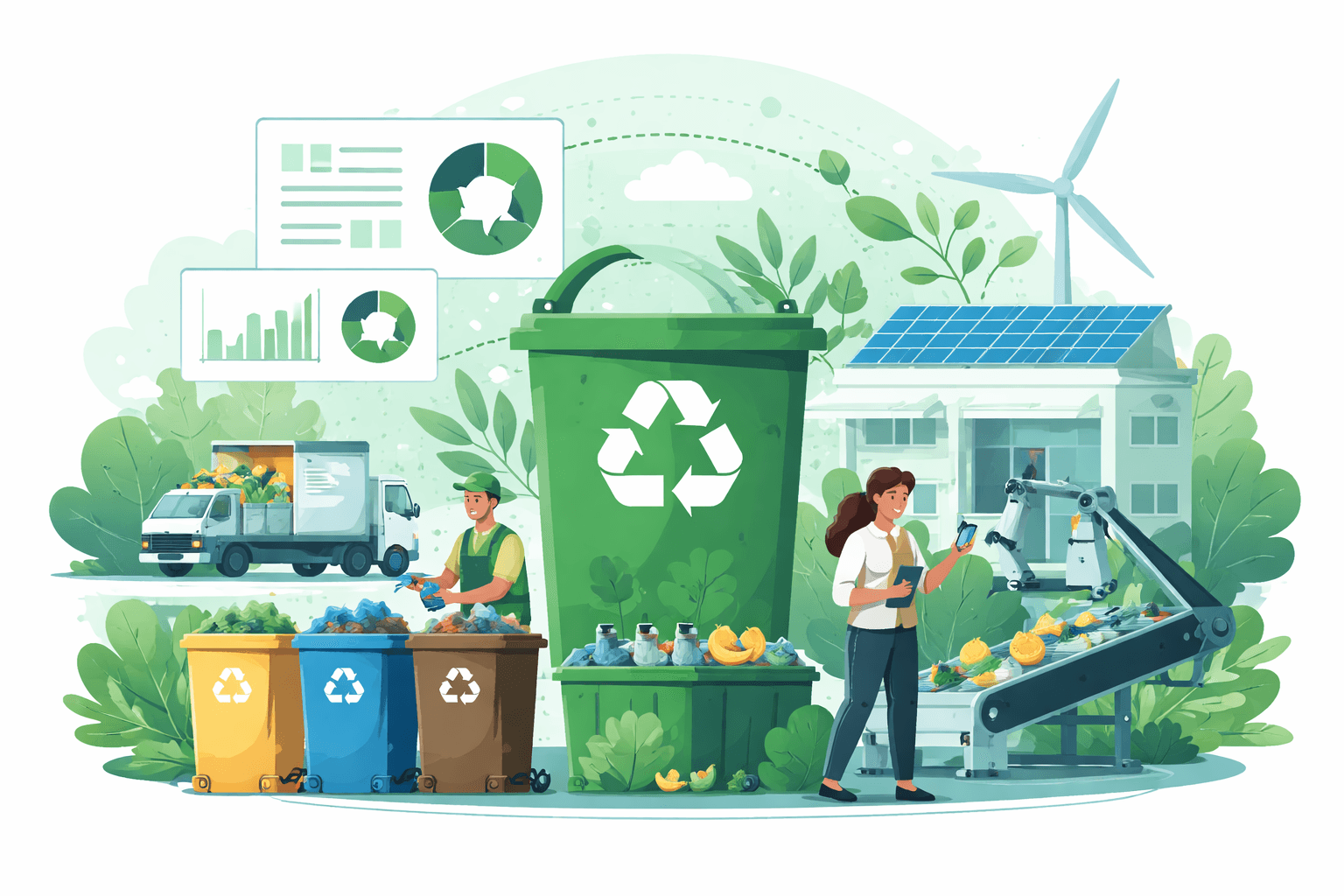
Recycling is only as effective as what we put in the bin. In the United States, the municipal recycling rate has hovered around 32% (U.S. EPA, latest comprehensive data for 2018), while the European Union averages about 50% for municipal waste (Eurostat, 2022). The difference isn’t just policy; it’s practice. This guide explains how to recycle waste effectively—focusing on correct preparation, smart sorting, and navigating local rules—so more materials become new products and fewer end up in landfills or incinerators.
Why recycling fundamentals and contamination control matter
- Waste hierarchy: Reduce, reuse, recycle. The most climate- and cost-effective “recycling” is preventing waste in the first place. Reuse keeps products at their highest value. Recycling captures materials when prevention and reuse aren’t possible.
- Environmental benefits: Recycling aluminum saves up to 95% of the energy needed to make primary aluminum (The Aluminum Association). Recycling paper reduces energy use and emissions relative to virgin production (U.S. EPA WARM model). Diverting organics from landfills cuts methane, a greenhouse gas more than 80 times as potent as CO₂ over 20 years (IPCC AR6).
- Economic and systems benefits: Stable, clean material streams support domestic manufacturing. After China’s 2018 import restrictions, U.S. markets increasingly demand cleaner, well-sorted bales. Contamination—anything in the recycling bin that shouldn’t be there—lowers bale quality, drives up sorting costs, and can cause equipment downtime.

Can I Recycle This?: A Guide to Better Recycling and How to Reduce Single-Use Plastics: Romer, Jennie, Young, Christie
Jennie Romer, Esq. is a lawyer, a sustainability expert, and author of Can I Recycle This?, <strong>an illustrated guide to better recycling and how to reduce single-use plastics</strong>.
Check Price on AmazonContamination rates in U.S. single-stream curbside programs average roughly 17% and can exceed 25% in some communities (The Recycling Partnership, 2020 State of Curbside Recycling). The Partnership has estimated contamination costs around $300 million annually nationwide. Reducing contamination is the single fastest way to boost recycling performance without adding new trucks, bins, or facilities.
By the numbers
- 32%: U.S. municipal solid waste recycling rate (EPA, 2018)
- ~50%: EU municipal waste recycling rate (Eurostat, 2022)
- 95%: Energy savings from recycling aluminum vs. making it new (The Aluminum Association)
- ~17%: Average contamination in U.S. single‑stream recycling (The Recycling Partnership, 2020)
- Largest methane source: U.S. landfills are the largest source of methane emissions from the waste sector (EPA Inventory of U.S. GHG Emissions and Sinks)
How to recycle waste effectively: material‑specific steps
Correct preparation and separation are the difference between a material that’s recycled and one that’s rejected. When in doubt, check your local program’s rules and, if still uncertain, keep questionable items out of the bin to avoid contaminating an otherwise good load.
Plastics: know your resins, prepare correctly
- What to look for: Resin identification codes (1–7) indicate polymer type, not recyclability. “Chasing arrows” are not a guarantee of acceptance. Many curbside programs accept PET #1 (e.g., water/soda bottles) and HDPE #2 (e.g., milk jugs, detergent bottles). PP #5 acceptance is growing, but check locally. Films and bags (LDPE #4) are rarely accepted curbside.
- Preparation: Empty and quick rinse—no food residue. Replace caps and lids on bottles and jugs; the Association of Plastic Recyclers (APR) recommends caps-on so they are captured in the recycling stream rather than lost as litter.
- Loose, never bagged: Place items loose in your bin. Bagged recyclables are often landfilled because facilities can’t safely open them on the sorting line.
- Avoid these in curbside bins: Plastic bags/film, tanglers (hoses, ropes, cords), foam polystyrene (#6 foam), utensils, black plastics, and items smaller than a credit card. Many grocery stores or retail drop‑offs accept clean, dry plastic films—check local options.
Paper and cardboard: keep fibers clean and dry
- What’s accepted: Cardboard (flatten boxes), paperboard, office paper, magazines, and newspaper are widely accepted. Shredded paper is often not accepted curbside because fibers are too short and confetti contaminates lines; if accepted, place in a paper bag and staple shut.
- Preparation: Keep dry. Wet paper loses fiber quality and can mold, ruining nearby recyclables. Remove packing materials. Tape and staples are typically fine.
- Pizza boxes: If visibly greasy or cheesy, rip off the soiled portions for compost or trash; recycle the clean remainder. Some facilities accept lightly soiled boxes—check your local rules.
Glass: value is high but programs vary
- What’s accepted: Glass bottles and jars are commonly accepted; ceramics, Pyrex, window glass, mirrors, and light bulbs are not.
- Preparation: Empty, quick rinse, remove metal lids (recycle lids with metals if your program accepts them). Colored and clear glass may be mixed in single‑stream programs; some communities require separate drop‑off by color.
- Why rules vary: Broken glass can contaminate paper and damage equipment in single‑stream systems. Where curbside glass is not accepted, look for dedicated drop‑off sites which produce cleaner cullet (recycled glass) for remanufacturing.
Metals: aluminum and steel are recycling workhorses
- What’s accepted: Beverage cans, food cans, and many metal lids. Scrap metal (e.g., cookware, pipes) is typically not accepted curbside; use a scrap yard or municipal drop‑off.
- Preparation: Empty, quick rinse, no need to remove labels. Crush cans only if your program encourages it (some facilities prefer uncrushed for sorting). Aerosol cans only if completely empty and explicitly accepted; remove plastic caps.
Organics/composting: the biggest untapped diversion opportunity
Food scraps are one of the largest components of household waste. In the U.S., food waste is the single largest category of landfilled material (U.S. EPA Facts and Figures). Diverting organics to composting or anaerobic digestion avoids methane emissions from landfills and returns nutrients to soils.

UNNI Compostable Trash Bags, 2.6 Gallon / 9.84 Liter, 100 Count, Extra Thick 0.71 Mil Small Kitchen Food Scrap Bin Liners, Certified by BPI, CMA & OK compost HOME, Meets the ASTM D6400 Standard
View on Amazon- Curbside organics (where offered): Accepted items typically include fruit/vegetable scraps, coffee grounds, eggshells, yard trimmings, and uncoated paper towels/napkins. Meat and dairy acceptance varies; check local rules. Use certified compostable liners only if allowed.
- Backyard composting: Avoid meat, dairy, and oily foods to reduce pests. Shred/break down larger items; maintain a brown (carbon) to green (nitrogen) balance for odor control and efficient breakdown.
- Contamination to avoid: Plastic produce stickers, compostable plastics where not accepted by your program, and coated paper products unless explicitly listed.
Textiles: reuse first, then recycle
Textiles have low curbside recyclability and high reuse potential.
- Do not place clothing or linens in curbside recycling—they wrap around sorting equipment and cause downtime.
- Preferred options: Donate wearable items to charities or resale shops. Use retailer take‑back or mail‑in programs for worn‑out items. Many cities host textile drop‑off bins for recycling into insulation, rags, or fiber.
E‑waste (electronics): specialized handling only
Electronics contain valuable metals (gold, copper, rare earths) and hazardous substances (lead, mercury). Never place electronics in curbside bins.
- Where to take them: Use certified e‑waste recyclers (R2 or e‑Stewards) or manufacturer/retailer take‑back programs.
- Data security: Wipe devices or remove storage drives.
- Learn more: See our step‑by‑step guidance in How to Recycle Electronics: A Practical Guide to Safe, Responsible E‑Waste Disposal (/sustainability-policy/how-to-recycle-electronics-practical-guide-safe-responsible-e-waste-disposal).
Batteries: a leading fire risk—keep them out of bins
Lithium‑ion and other batteries can spark fires in trucks and sorting facilities through short circuits or damage. A U.S. EPA analysis identified hundreds of battery‑related fires at waste facilities in recent years, with lithium‑ion the primary cause.
- Never put batteries in curbside recycling or trash.
- Where to take them: Use battery retailer drop‑offs or Call2Recycle collection sites (check local availability). Tape terminals on lithium‑ion and 9‑volt batteries and place each in a clear bag.
- For safer handling practices across materials and facilities, see Safer Recycling Methods: Practical Steps to Protect People, Property, and the Planet (/sustainability-policy/safer-recycling-methods-practical-steps-protect-people-property-planet).
Household hazardous waste (HHW): handle with care
Paints/solvents, pesticides, pool chemicals, propane cylinders, fluorescent lamps (mercury), sharps, and many cleaners are HHW. These must go to HHW events or designated facilities—never curbside.
- Check your municipality’s HHW calendar for drop‑off days and accepted items.
- Keep materials in original containers; don’t mix chemicals.
Navigate local systems and rules with confidence
Know your service type
- Curbside recycling: Materials are collected from your residence or business. Often single‑stream (all recyclables in one cart) or dual‑stream (paper/cardboard separate from containers). Follow your hauler or city’s accepted materials list exactly.
- Drop‑off centers: You bring materials to a staffed site or containers. Often accept additional items (e.g., glass in cities where curbside excludes it, scrap metal, rigid plastics, bulky cardboard).
- Take‑back programs: Manufacturers or retailers collect specific items (electronics, batteries, plastic bags/film, toner cartridges) for specialized recycling.
Read labels and symbols accurately
- Resin codes (1–7) identify plastic type, not whether your local MRF accepts it. Acceptance depends on local markets and facility capability.
- How2Recycle labels provide guidance like “Widely Recyclable,” “Check Locally,” or “Not Yet Recyclable,” plus preparation tips (e.g., “Rinse & Replace Cap”). Follow local rules over any general label if they conflict.
- Deposit‑return systems: In jurisdictions with container deposits, return beverage containers to claim the deposit. Deposit systems routinely achieve 70–90% return rates in many regions (Reloop/Container Recycling Institute), delivering cleaner feedstock.
Where to find the rules
- Municipal website or app: Look for “What Goes Where” tools, accepted materials lists, and service alerts.
- Hauler or MRF guidance: Facility pages often specify preparation steps (e.g., caps on, crush or not, glass acceptance) and contamination do’s and don’ts.
- Printed calendars and mailers: Keep the latest version handy; rules can change when contracts or markets shift.
When to use specialized disposal
- Bulky items (appliances, furniture): Most programs require scheduled bulky pickup or drop‑off; refrigerators/ACs often need certified refrigerant removal.
- Construction/demolition debris: Use dedicated C&D recycling or disposal services.
- Films and foams: Use retailer drop‑offs for clean films; foam polystyrene typically requires specialized drop‑off where available.
Practical strategies to reduce waste and prevent contamination
For households: make recycling easy and accurate
- Set up simple, labeled stations: Place a recycling bin next to every trash bin. Use clear signage with images of accepted items. Standardized labels reduce errors.
- Establish prep habits: Empty, quick rinse, dry if needed; flatten cardboard; keep caps on bottles; no bags or tanglers.
- Keep the bin “above the line”: If an item is questionable, don’t risk the whole cart. Look it up; if you can’t confirm acceptance, exclude it.
- Add organics collection: If your community offers it, a small vented caddy with compostable liners (if allowed) can divert 20–30% of household waste.
- Join community events: HHW days, textile collections, and repair cafes keep tough materials out of the trash and build local capacity.

OXO Good Grips EASY-CLEAN COMPOST BIN - CHARCOAL - 1.75 GAL/6.62 L
View on AmazonFor businesses and institutions: design for capture and quality
- Right-size and co‑locate bins: Place recycling and trash together in high‑traffic areas; match opening shapes to target materials (e.g., round for bottles, slot for paper).
- Train and nudge: Brief new staff, refresh quarterly, and add quick graphics at eye level. Short, repeated prompts beat one‑time trainings.
- Track performance: Start with a quick waste audit—sort one day’s waste, estimate composition, and photograph common contaminants. Then measure monthly weights or volumes to calculate your diversion rate and contamination rate. Aim to reduce contamination below 10% by weight.
- Close the loop in purchasing: Prefer items that match your program’s acceptance (e.g., PET #1 or HDPE #2 bottles, uncoated paperboard) and avoid hard‑to‑recycle packaging.
- Program planning resources: For deeper, operations‑focused guidance on plastics streams and market realities, see our Plastic Recycling Program Guide: Practical Planning, Operations, Markets, and Measurement (/sustainability-policy/plastic-recycling-program-guide-planning-operations-markets-measurement).
Quick calculations that matter
- Diversion rate: (Recycled + Composted) ÷ Total Waste. Track over time to see improvement.
- Contamination rate: Non‑recyclables placed in recycling ÷ Total collected as “recycling.” Sample a cart or compactor load monthly.
- Capture rate (by material): Amount of a target material captured for recycling ÷ Total amount of that material generated. A 60–80% capture rate for cardboard is a strong early target.
Avoid the top 10 contaminants in curbside programs
- Plastic bags and film 2) Tanglers (hoses, cords) 3) Food‑soiled paper 4) Diapers 5) Yard waste 6) Small loose items (caps, utensils) 7) Foam polystyrene 8) Propane tanks 9) Electronics 10) Batteries
These items either jam equipment, endanger workers, or degrade material quality. Keep them out to protect your local program.
Safety and quality: protect people and facilities
Materials recovery facilities (MRFs) face real hazards—lithium‑ion battery fires, sharps, pressurized containers, and heavy mechanical equipment. Safe preparation at home and work protects sorters and drivers while improving bale quality and market value. For a practical checklist of precautions and safer set‑ups, visit Safer Recycling Methods: Practical Steps to Protect People, Property, and the Planet (/sustainability-policy/safer-recycling-methods-practical-steps-protect-people-property-planet).
What this means for consumers, businesses, and policymakers
- Consumers: Two or three consistent habits—empty and quick rinse, no bags/tanglers, keep fibers dry—can increase your household’s effective recycling by double‑digit percentages.
- Businesses: Standardized bins and labels, light training, and monthly tracking are low‑cost, high‑impact steps that typically cut contamination by 25–50% within a quarter, based on case studies from The Recycling Partnership and WRAP.
- Policymakers: Clear, statewide acceptance lists, producer responsibility (EPR) for packaging, and deposit‑return systems deliver cleaner streams and lower costs. Data transparency (tonnages, contamination) enables continuous improvement.
Where recycling is heading
- Better sorting with AI/robotics: Optical sorters, AI vision systems, and robotic pickers are improving capture and purity, especially for plastics and fiber. NREL and industry pilots report higher recovery and reduced labor bottlenecks.
- More organics diversion: Cities are rolling out food‑scrap collection to meet methane reduction goals; California’s SB 1383 is a leading example.
- Smarter packaging: Design‑for‑recycling (single polymers, clear PET, compatible labels/adhesives) is gaining traction under EPR policies in Europe and emerging U.S. state laws.
- Clearer labels and rules: How2Recycle refinements and truth‑in‑labeling laws (e.g., limiting deceptive use of chasing arrows) will better align consumer intent with system reality.
Recycling works best when we pair smart design and policy with household and business habits that keep contamination low and material quality high. Follow your local rules, prepare materials correctly, and use specialized pathways for batteries, electronics, and hazardous items. The result is cleaner streams, safer facilities, stronger end markets, and tangible climate and resource benefits.
Recommended Products
Can I Recycle This?: A Guide to Better Recycling and How to Reduce Single-Use Plastics: Romer, Jennie, Young, Christie
Jennie Romer, Esq. is a lawyer, a sustainability expert, and author of Can I Recycle This?, <strong>an illustrated guide to better recycling and how to reduce single-use plastics</strong>.
OXO Good Grips EASY-CLEAN COMPOST BIN - CHARCOAL - 1.75 GAL/6.62 L
<strong>Designed to sit on countertops, bin is designed to keep composting bags tucked inside for a neat look</strong>. The 1. 75-Gallon/6. 62-Liter Capacity makes it perfect for culinary creatives, b
UNNI Compostable Trash Bags, 2.6 Gallon / 9.84 Liter, 100 Count, Extra Thick 0.71 Mil Small Kitchen Food Scrap Bin Liners, Certified by BPI, CMA & OK compost HOME, Meets the ASTM D6400 Standard
Amazon.com: UNNI Compostable Trash Bags, 2.6 Gallon / 9.84 Liter, 100 Count, Extra Thick 0.71 Mil Small Kitchen Food Scrap Bin Liners, Certified by BPI, CMA & OK compost HOME, <strong>Meets the AS
More in Sustainability Policy
- How to Recycle Effectively: Practical Guidance to Reduce Waste and Avoid Contamination
- How to Set Up a Local Recycling Initiative: Practical Steps to Start, Run, and Sustain Community Recycling
- Practical Tips for Organizing a Successful Community Recycling Drive
- Plastic Recycling Program Guide: Practical Planning, Operations, Markets, and Measurement