
Practical Tips for Organizing a Successful Community Recycling Drive
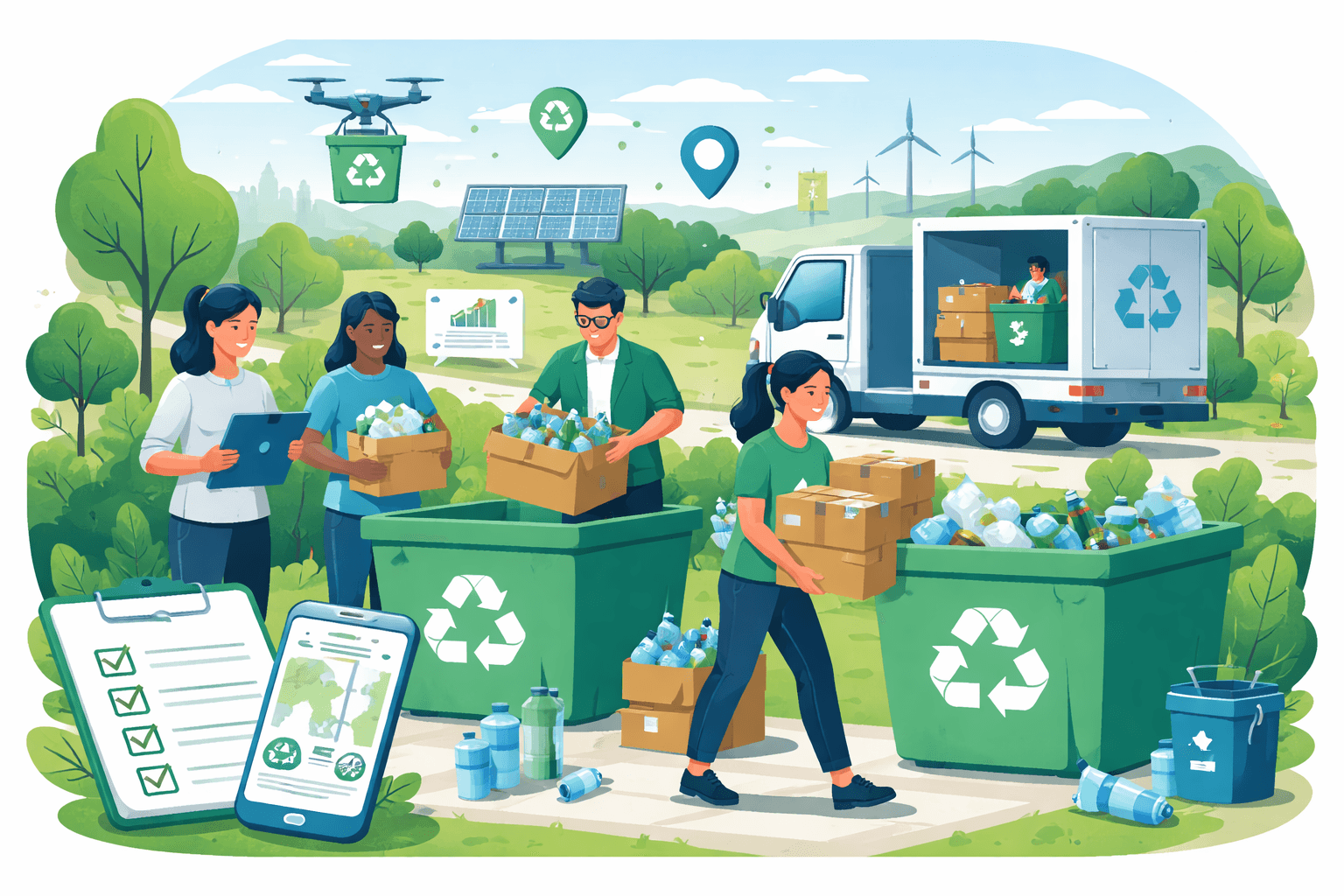
Community recycling drives can divert tons of material from landfills in a single day, but success hinges on planning. The U.S. EPA estimates Americans generated 292 million tons of municipal solid waste (MSW) in 2020—about 4.9 pounds per person per day—with only 32.1% recycled or composted. The Recycling Partnership reports average curbside contamination near 17%, and the UN’s Global E‑waste Monitor (2024) found 62 million metric tonnes of electronic waste generated globally in 2022, with just 22.3% formally collected and recycled. Against this backdrop, practical tips for organizing a recycling drive—clear scope, airtight logistics, strong outreach, and disciplined follow‑up—can translate organizing energy into measurable impact.
By the Numbers
- 292 million tons: U.S. MSW generated in 2020; 93.9 million tons recycled/composted (EPA, 2020)
- 4.9 lb/person/day: average MSW generation in the U.S. (EPA, 2020)
- ~17%: average contamination in U.S. curbside streams (The Recycling Partnership, 2023)
- 62 million metric tonnes: global e‑waste generated in 2022; 22.3% formally collected (UN Global E‑waste Monitor, 2024)
- Climate benefit: recycling avoids upstream extraction and manufacturing emissions; EPA’s WARM model estimates roughly 3 tCO2e savings per ton for paper/cardboard and ~10 tCO2e per ton for aluminum cans, with positive savings for steel, plastics, and glass as well.
Set clear goals and scope
A successful event starts with a sharp definition of what success looks like. This section offers essential tips for organizing a recycling drive that is targeted, compliant, and measurable.

Sustainable Event Management: Jones, Meegan
Even experienced sustainability managers will find plenty of inspiration in the updated best practices from around the world." ― Mikkel Sander, Sustainability Manager, Roskilde Festival · "I
Check Price on AmazonDefine materials you will accept
- Core options: paper/cardboard (OCC), metals (aluminum, steel cans), glass bottles, #1 PET and #2 HDPE bottles/jugs, electronics, textiles, and specialty items (batteries, mattresses, scrap metal). Limit the list to what your recycler(s) can process with low contamination risk.
- Avoid hazardous materials unless you have a licensed Household Hazardous Waste (HHW) vendor on-site (e.g., fuels, pesticides, solvents, pool chemicals, oil-based paints, fluorescent lamps). Batteries and e‑waste are regulated in many states; ensure you have a compliant partner before accepting them.
- If plastics are in scope, confirm which resin codes (#1–#7) and forms (bottles vs. tubs vs. film) are acceptable. For market and operations detail on plastic streams, see our Plastic Recycling Program Guide: Practical Planning, Operations, Markets, and Measurement. [/sustainability-policy/plastic-recycling-program-guide-planning-operations-markets-measurement]
Identify your audience and access needs
- Target geography (neighborhood, city, campus), expected turnout, and transportation mode (drive-through, walk-up). Consider accessibility: ADA-compliant setup, language access, and hours that work for shift workers (e.g., early Saturday plus a weekday evening).
Set success metrics
- Weight diverted (by commodity), number of participating households, contamination rate (% rejected material), cost per ton, volunteer hours, and greenhouse gas impact (use EPA WARM factors). Define stretch and baseline targets.
Build a timeline (8–10 weeks ideal)
- T‑10 weeks: confirm site, recycler partners, permits, budget.
- T‑8 weeks: finalize accepted materials, design outreach, recruit volunteers.
- T‑4 weeks: order containers, signage, PPE; schedule haulers; media push.
- T‑1 week: safety briefing, final confirmations, weather check.
- T‑0: execution; T+1 week: reporting and debrief.
Draft a realistic budget
- Typical costs: site rental (if any), container and equipment rental (roll‑offs, gaylords, pallets, forklifts), hauling and disposal/recycling fees, PPE, signage and printing, traffic control, insurance/riders, food/water for volunteers, restroom rentals.
- Revenues: commodity rebates (aluminum, OCC, some metals), sponsorships (in‑kind containers, equipment, or refreshments), grants or municipal support. Request written pricing from vendors and clarify contamination penalties and minimum haul charges. Many vendors peg pricing to indices (e.g., RecyclingMarkets.net); ask how fluctuations are handled.
For attendee preparation materials that cut contamination, see How to Recycle Waste Effectively: Practical Guidance to Reduce Contamination and Maximize Recovery. [/sustainability-policy/how-to-recycle-waste-effectively-practical-guidance]
Plan logistics and compliance
Good logistics transform enthusiasm into safety and throughput. The following tips for organizing a recycling drive focus on flow, equipment, staffing, and rules that keep people and materials safe.
Site selection and layout
- Prioritize a paved, level space (school parking lot, community center) with separate entry/exit points and room for turnarounds and queuing.
- Layout zones:
- Arrival and queue with clear signage;
- Check‑in and survey (count households, zip code);
- Unloading/drop zone;
- Sorting/processing;
- Storage/containers;
- Staging for outbound trucks;
- Safety/first‑aid and volunteer rest area.
- Keep forklift or pallet jack routes clear and separated from public lanes; cone‑off no‑go zones.
Containers, equipment, and supplies
- Containers: 20–40 yd roll‑offs (paper, scrap metal, glass), carts/totes (plastics, cans), gaylords with liners (electronics, batteries), pallets and stretch‑wrap (boxed items), lockable drums (batteries). Ask vendors for expected densities to right‑size capacity and haul frequency.
- Equipment: pallet jacks, forklifts (certified operators only), portable floor scales (e‑waste, batteries), safety barriers, shade tents, traffic cones, signage stands.
- Supplies: PPE (hi‑vis vests, cut‑resistant gloves, safety glasses, steel‑toe boots for handlers), spill kits, fire extinguishers (Class ABC; Class D or lithium‑ion‑rated if handling batteries), first‑aid kit, clipboards or tablets, hand counters, bottled water and snacks.
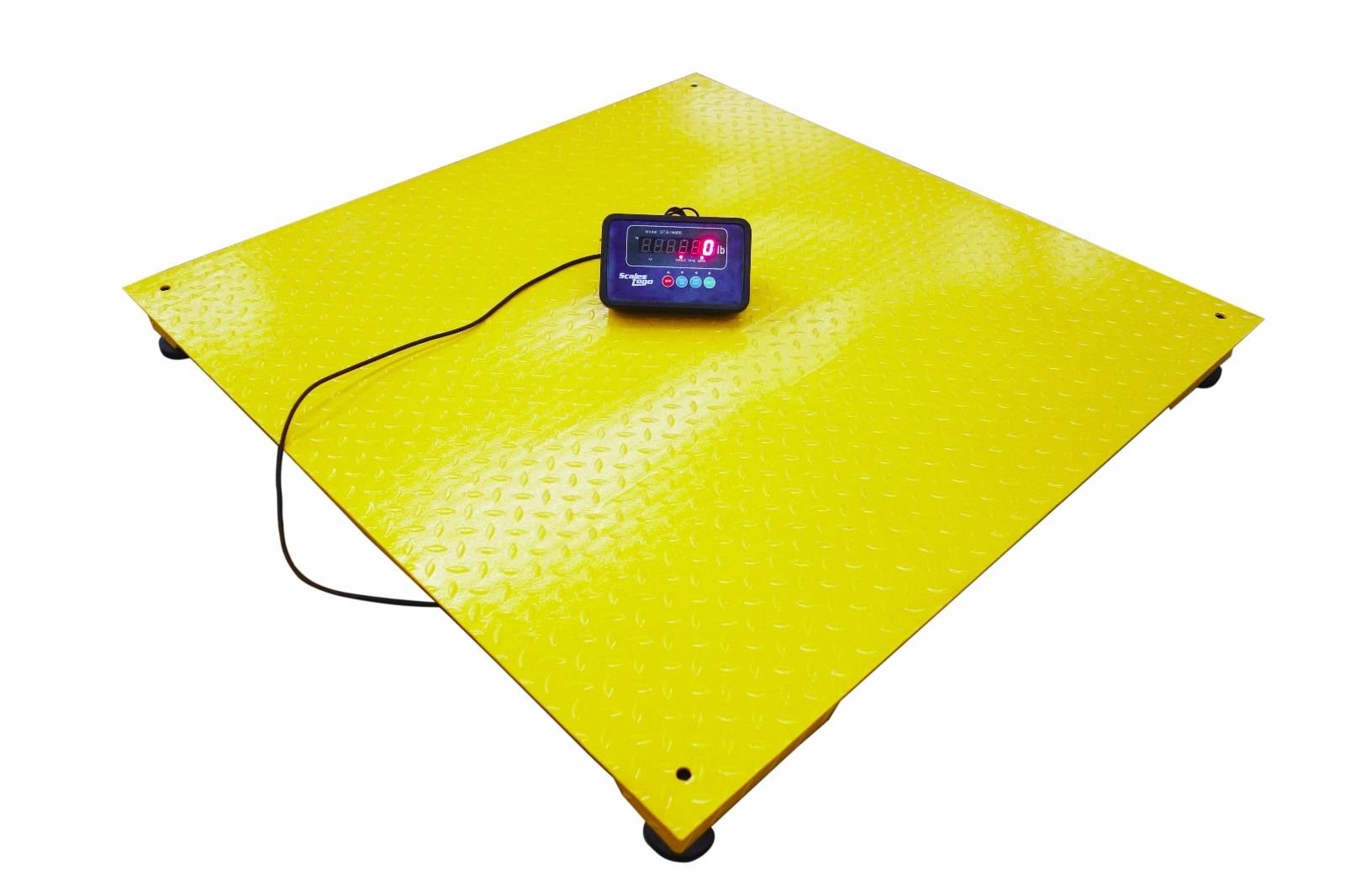
Heavy Duty 5,000 lb Floor Scale | 40x40 with Indicator : Industrial & Scientific
View on AmazonVolunteer roles and staffing ratios
- Traffic marshals (1 per lane), greeters (1–2), unloaders (2–4 per vehicle at the drop zone, depending on volume), sorters (1–2 per stream), scale/recording team (2), safety lead (1), and runner(s) to refresh supplies.
- Baseline: 12–18 volunteers can process ~80–120 vehicles per hour in a single-lane drive‑through with fast unloads; add lanes/volunteers for growth. Schedule breaks to prevent fatigue‑related incidents.
Safety protocols
- Brief all staff on lifting technique, pinch points, and hazard identification. Enforce closed‑toe footwear for attendees exiting vehicles.
- Do not compact or crush unknown containers; separate pressurized cylinders and sharps from general material.
- Lithium‑ion batteries and devices can ignite if damaged. The EPA has documented increasing battery‑related incidents in the waste sector; isolate batteries in non‑conductive containers, tape terminals, and keep a fire extinguisher nearby. For more on safe handling and facility protocols, see Safer Recycling Methods: Practical Steps to Protect People, Property, and the Planet. [/sustainability-policy/safer-recycling-methods-practical-steps-protect-people-property-planet]

Amerex B500 Fire Extinguisher, 5 lb. ABC Dry Chemical - Amazon.com
View on AmazonSorting and contamination control
- Use color‑coded signage with photos of accepted and not accepted items; place signs before and at the drop zone.
- Adopt a “bag‑off” policy: empty plastic bags into the right containers and collect bags separately if accepted; otherwise, dispose to trash.
- Pre‑sort at the vehicle when practical; a dedicated sorter at each stream reduces contamination and rework.
Transportation and documentation
- Secure loads to prevent shifting and litter. Require bills of lading (BOLs), weight tickets, and chain‑of‑custody documentation from transporters. Confirm end destinations (MRF, reclaimer, smelter, glass beneficiator) and obtain certificates of recycling or destruction where relevant.
Compliance and vendor due diligence
- Permits: check with your city/county solid waste authority for temporary event permits, right‑of‑way use, and traffic control. Schools or public facilities may require insurance riders.
- Universal waste/e‑waste: many states regulate electronics, lamps, and batteries. Partner with certified recyclers (R2v3 or e‑Stewards) for electronics and data‑bearing devices; require written data destruction protocols (e.g., NIST SP 800‑88) and downstream vendor attestations. For scope and best practices specific to electronics, see How to Recycle Electronics: A Practical Guide to Safe, Responsible E‑Waste Disposal. [/sustainability-policy/how-to-recycle-electronics-practical-guide-safe-responsible-e-waste-disposal]
- Scrapyards and MRFs: verify operating permits, material specs, and insurance. Clarify contamination thresholds and charges.
Drive outreach and partnerships
Even flawless logistics won’t matter if people don’t show up with the right materials. These tips for organizing a recycling drive focus on participation, partnerships, and messaging that reduces contamination and boosts volume.
Messaging that moves material
- Lead with clarity: list accepted items, limits (e.g., two TVs/household), what not to bring, and prep steps (rinse bottles, remove batteries). Include photos and translations for common languages in your community.
- Explain the “why”: quantify impact—“Recycling one ton of cardboard can save ~3 tCO2e and 9 cubic yards of landfill space” (EPA WARM, industry averages). People respond to tangible outcomes.
- Provide a prep checklist for residents: flatten cardboard, separate glass by color (if required), tape battery terminals, back up and wipe data on devices.
Channels and timeline
- 4–6 weeks out: community newsletters, school take‑home flyers, HOA emails, faith‑based bulletins, city website calendar, local radio/TV community boards.
- 2–4 weeks: paid/organic social posts with weekly reminders; short videos showing drive‑through flow.
- Event week: day‑before SMS/email reminders to registrants; morning‑of social updates with wait times. Consider preregistration to estimate volumes and staff accordingly.
Partnerships that multiply reach
- Schools: host site, student volunteers (service hours), classroom competitions (grade with most aluminum cans by weight wins a field trip).
- Local businesses: sponsor containers or provide in‑kind logistics (forklift, pallets, PPE). Grocery stores may promote at checkout or include bag‑drop areas.
- Faith and community groups: recruit volunteers and co‑promote to congregations and members.
- Municipal partners: coordinate with public works for cones, signage, officer/traffic support, and swift hauling.
- If you’re building a broader program, see Community Initiatives for Sustainability: What Works, How to Start, and How to Scale. [/sustainability-policy/community-initiatives-for-sustainability-guide]
Incentives
- Raffles or thank‑you swag (reusable bags, refillable bottles), sponsor coupons, or school credit for classroom competitions. Small incentives can lift turnout 10–20% based on municipal event reports.
Media
- Issue a media advisory one week out with visuals (loading a roll‑off, students sorting). Offer B‑roll and a data hook (“Targeting 10,000 pounds of e‑waste diverted”). Assign a spokesperson and prep 2–3 key stats.
Day‑Of Checklist: Tips for Organizing a Recycling Drive
- Pre‑shift briefing: safety, roles, radio channels, emergency plan, hydration reminders.
- Signage walk‑through: verify visibility at vehicle eye level; add wayfinding cones/arrows.
- Container check: liners in place, labels on all containers, fire extinguishers positioned.
- Data station: scales tared and tested; tally sheets or mobile forms ready; participant counter at entrance.
- Traffic plan live: marshals at turns; queue overflow marked; ADA and walk‑up lanes separate from drive‑through.
- Material quality control: spot‑check each stream every 30 minutes; pull contaminants immediately.
- Communications: post real‑time wait times and capacity updates on social; keep hotline number staffed.
- Comfort and inclusion: shade, water, first aid; translated handouts available; ADA path and rest area.
- End‑of‑day: secure all loads; capture scale tickets; sweep site; incident log and lessons captured while fresh.
Post‑drive processing and follow‑up
Great events end with great accountability. This is where you turn a busy day into durable learning and community trust.
Weigh and record
- Ask haulers/recyclers for weight tickets by commodity. If using portable scales, record gross and tare weights for each gaylord, drum, or pallet.
- Track participant counts, vehicles per hour, volunteer hours, and contamination (estimate % rejected by stream).
- Convert results into impact metrics: tons diverted, tCO2e avoided (via EPA WARM), cubic yards of landfill space saved, and participation rate (households served / households invited).
Ensure responsible recycling
- Verify that each stream reached the intended end market (e.g., MRF to mill, e‑waste to certified dismantler/refiner). Request certificates of recycling and, for data‑bearing devices, certificates of data destruction.
- Document downstream disposition for transparency (especially for electronics, batteries, and scrap metal).
Report back and say thanks
- Publish a one‑page results snapshot within a week: what you collected, where it went, emissions avoided, and a photo or two (with permissions). Post to social, email lists, and partner sites.
- Thank volunteers, sponsors, host site, and public agencies. A 48‑hour thank‑you with specific results (“You helped divert 10,420 pounds—equal to ~12 tCO2e avoided”) builds goodwill for next time.
Debrief and improve
- Convene a 30‑minute after‑action: what worked, what didn’t, what to change. Capture it in a shared doc.
- Update SOPs: site map, volunteer scripts, safety checklists, and signage files for reuse.
- Build a contact list of interested participants for future events; invite feedback via a short survey (ask about wait times, clarity of instructions, and materials they want accepted next time).
Practical planning tools and tips
- Right‑size containers
- Ask vendors for expected densities: mixed paper is often 300–500 lb/yd³ when stacked; glass is heavy (~1,000+ lb/yd³); PET bottles can be as low as 30–50 lb/yd³ loose. Use these to estimate how many roll‑offs or gaylords you need.
- Smooth the arrival curve
- Offer timed entry windows; early‑bird hour for seniors; a separate walk‑up area to avoid vehicle/pedestrian conflicts.
- Cut contamination before it arrives
- Share do/don’t photo guides. Require pre‑sorting when feasible. Provide on‑site education and redirect non‑accepted items kindly with alternatives. For resident‑facing prep, see How to Recycle Effectively: Practical Guidance to Reduce Waste and Avoid Contamination. [/sustainability-policy/how-to-recycle-effectively-practical-guidance]
- Mind data and privacy for e‑waste
- Encourage attendees to back up and factory‑reset devices. Ensure your recycler provides documented data destruction.
- Equity and inclusion
- Translate materials; choose hours that work for hourly workers; offer a no‑car option; coordinate with neighborhood groups to reach renters and underserved blocks.
- Weather contingencies
- Shade/tents for heat; sandbags for wind; rain plan with non‑slip mats and covered sorting tables; cold‑weather gloves.
What this means for communities, businesses, and policymakers
- Communities: One well‑run event can divert several tons in a day and educate thousands. Use drives to build trust and funnel residents into permanent collection programs.
- Businesses: Sponsoring logistics (forklifts, pallets, containers) and volunteering boosts brand visibility and employee engagement while meeting ESG goals.
- Policymakers: Drives are proof points for broader system investments—cart upgrades, contamination reduction campaigns, or targeted e‑waste/battery programs. Collect granular data at events to inform policy design (e.g., extended producer responsibility for packaging and electronics).
Where recycling drives are heading
- Specialty streams are growing. Expect more e‑waste and battery‑focused drives as device volumes rise and fire risks push formal collection. Partnering with certified recyclers (R2v3, e‑Stewards) and deploying safe collection protocols will be non‑negotiable.
- Data‑smart operations. Simple mobile forms and QR‑based check‑ins will replace clipboards, improving speed and data quality.
- Contamination‑aware design. Drives increasingly deploy pre‑registration with item checklists, pre‑sort lines, and better signage to hold contamination below 5–10%—well under the 17% curbside average.
- Integration with circular programs. Drives can seed reuse and repair (textiles, furniture, small appliances) alongside recycling, delivering higher environmental benefit per dollar spent.
With clear goals, tight logistics, community‑rooted outreach, and transparent reporting, these tips for organizing a recycling drive will help you turn a parking lot into a high‑throughput, high‑impact circularity hub—safely, compliantly, and with data you can stand behind.
Recommended Products
Sustainable Event Management: Jones, Meegan
Even experienced sustainability managers will find plenty of inspiration in the updated best practices from around the world." ― Mikkel Sander, Sustainability Manager, Roskilde Festival · "I
Heavy Duty 5,000 lb Floor Scale | 40x40 with Indicator : Industrial & Scientific
Buy Heavy Duty 5,000 lb Floor Scale | 40x40 with Indicator: Pallets - Amazon.com ✓ FREE DELIVERY possible on eligible purchases
Amerex B500 Fire Extinguisher, 5 lb. ABC Dry Chemical - Amazon.com
Amerex B500, 5 lb ABC Dry Chemical Fire Extinguisher – <strong>Class A, B & C Rated with 12–18 Ft Range and 14 Second Discharge Time, 2-Pack</strong> · Amerex B417T 2.5 lbs ABC Dry Chemical Fire E
More in Sustainability Policy
- How to Set Up a Local Recycling Initiative: Practical Steps to Start, Run, and Sustain Community Recycling
- How to Recycle Waste Effectively: Practical Guidance to Reduce Contamination and Maximize Recovery
- How to Recycle Effectively: Practical Guidance to Reduce Waste and Avoid Contamination
- Practical Recycling Program Ideas for Schools: Starter Concepts, Logistics, and Long-Term Success