
How to Set Up a Local Recycling Initiative: Practical Steps to Start, Run, and Sustain Community Recycling
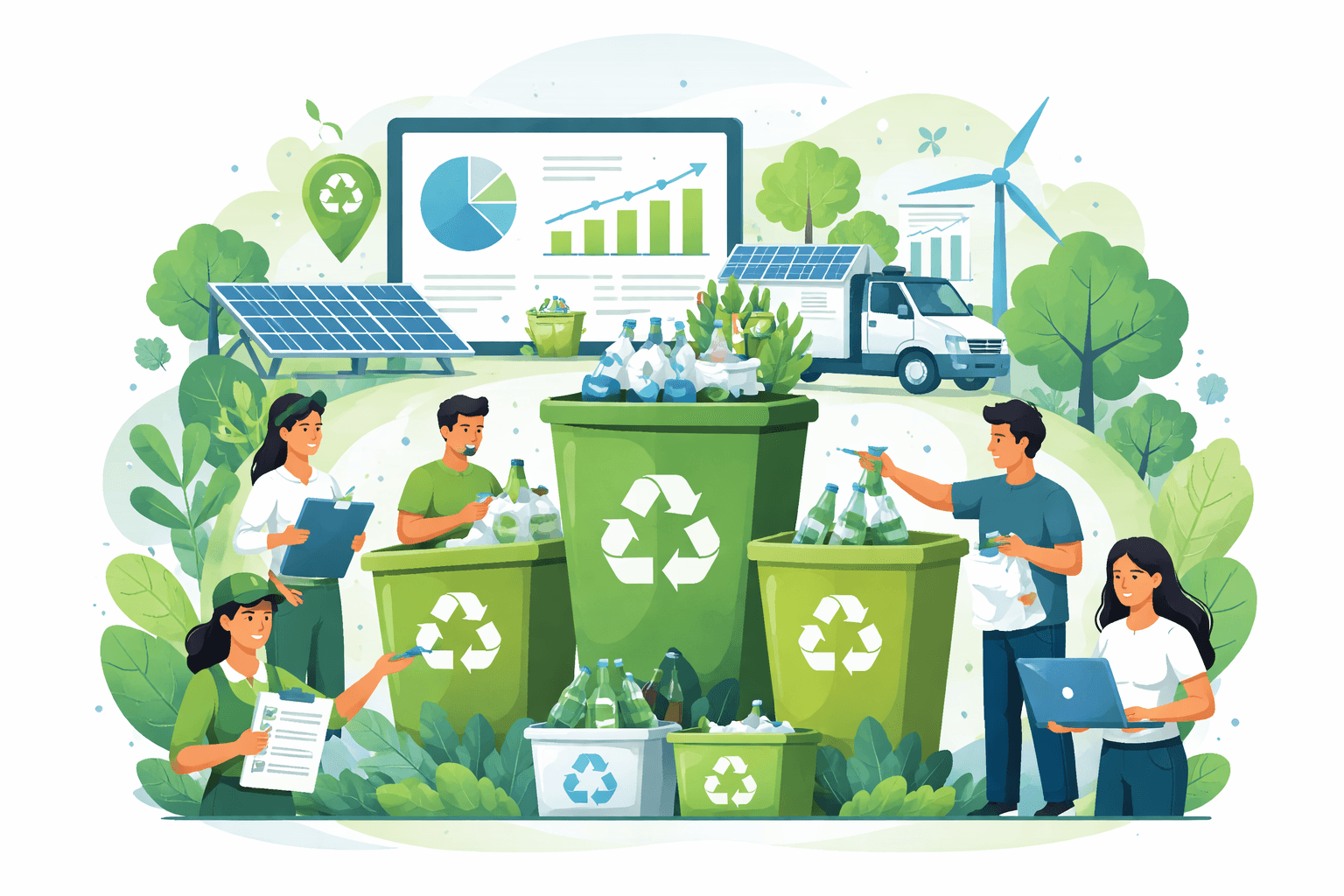
Across the world, communities are reassessing waste. The World Bank estimates global municipal solid waste will rise from 2.01 billion tons in 2016 to 3.4 billion tons by 2050 if we don’t change course. In the U.S., the municipal recycling and composting rate hovers around 32% (U.S. EPA), and average contamination in curbside programs often ranges from 15–25% (The Recycling Partnership). Against that backdrop, learning how to set up a local recycling initiative is both a climate and budget opportunity: avoided landfill fees often run $50–$100 per ton (Environmental Research & Education Foundation surveys), and recycling aluminum uses about 95% less energy than producing primary aluminum (U.S. DOE/EPA).
This step-by-step guide distills proven practices from municipal programs, industry groups, and nonprofit technical assistance providers to help you launch, operate, and sustain a community recycling effort—whether you’re a neighborhood association, school district, small town, or city department.
By the numbers: Why community recycling matters
- 3.4 billion tons: projected global municipal waste by 2050 (World Bank “What a Waste 2.0”).
- ~32%: U.S. recycling/composting rate (U.S. EPA national figures).
- 15–25%: typical contamination rate in U.S. curbside programs (The Recycling Partnership and MRF operator reports).
- $50–$100/ton: common range of landfill tipping fees (EREF), costs your program can avoid through diversion.
- 0.5–1.5 metric tons CO₂e avoided per ton: typical GHG benefit range for recycling mixed household materials versus landfilling, depending on the material mix (EPA WARM model).
- 95% less energy: producing aluminum from recycled vs. virgin material (DOE/EPA).
- ~506,000 total U.S. jobs: estimated economic footprint of the recycling industry (ISRI 2021 Economic Impact Study).
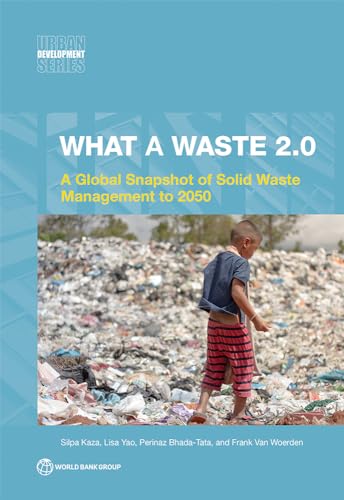
What a Waste 2.0: A Global Snapshot of Solid Waste Management to 2050: Kaza, Silpa, Yao, Lisa, Bhada-Tata, Perinaz, Van Woerden, Frank
What a Waste 2.0: <strong>A Global Snapshot of Solid Waste Management to 2050</strong> provides the most up-to-date information available to empower citizens and governments around the world to effect
Check Price on AmazonHow to set up a local recycling initiative: define goals, scope, and a baseline
Starting with clear objectives and a data-backed baseline keeps your program focused and fundable.
1) Set goals and scope
- Materials: Decide what you will accept at launch (e.g., paper/cardboard; plastics #1–2 or #1–2–5; metal cans; glass; organics; electronics in special events). Start with high-value, high-volume materials (OCC/cardboard, mixed paper, PET #1, HDPE #2, aluminum), then expand.
- Service area and audience: Neighborhoods, a school district, a business improvement district, or an entire municipality. Map total households and businesses and identify multifamily buildings (often underserved).
- Targets: Pick 1-year and 3-year targets such as:
- Diversion rate: percent of total waste diverted from disposal.
- Capture rate: percent of a specific recyclable actually captured (e.g., 60% of PET bottles generated).
- Contamination rate: percent of non-recyclables in collected material (aim for <10% in single-stream; <5% in dual-stream).
- Access goal: percent of residents with convenient access (e.g., curbside carts or a drop-off within 3 miles).
Define terms
- Diversion rate: (Recycling + Composting + Reuse) ÷ Total Waste.
- Capture rate: Collected recyclable of a specific type ÷ That type generated.
- Contamination rate: Non-acceptable material ÷ Total collected as recycling.
2) Conduct a baseline waste audit
A right-sized audit justifies the initiative and guides design.
- Sampling plan: Pick representative sites (single-family, multifamily, commercial) and time windows. For small communities, 200–400 households’ worth of material sampled over 1–2 weeks provides directional data.
- Sort protocol: Separate into agreed categories (OCC, mixed paper, PET #1, HDPE #2 natural/colored, aluminum, steel, glass colors, other plastics, food waste, yard waste, textiles, e-waste, hazardous). Weigh each.
- Calculate: Overall diversion potential and top five materials by weight and by value. Estimate contamination in any current recycling stream.
- Document pain points: Common contaminants (plastic bags, tanglers like hoses/cords, food-soiled paper, lithium-ion batteries) and access gaps (no carts, no nearby depots).
- Use data tools: The EPA WARM model estimates emissions benefits for materials you target. Some state agencies and NGOs offer audit templates and safety guidance.
Output: a 2–3 page baseline memo with charts, photos, top opportunities (e.g., “Cardboard is 20% of the waste stream; PET/HDPE 5% by weight but 30% of potential revenue”), and a recommended launch scope.
Stakeholder mapping and partnerships: build a coalition that can execute
Recycling succeeds when roles are clear and logistics align across government, haulers, processors, businesses, schools, and residents.
Who to engage and why
- Local government: Policy authority, permitting, public works crews, communications channels, access to grants, ability to align with climate/zero-waste goals.
- Waste haulers: Route design, cart/bin provision, collection schedules, contamination feedback loops, and safety practices. Engage both franchised and independent haulers.
- MRFs and end-markets: Confirm acceptable materials, bale specs, contamination thresholds, and pricing formula (indexed to commodities like OCC or aluminum).
- Schools and universities: Hubs for education, drop-off locations, service-learning volunteers, and student-led audits.
- Businesses and property managers: Multifamily and commercial participation can make or break diversion; coordinate space for bins and loading docks.
- Community groups and NGOs: Faith organizations, neighborhood associations, mutual aid groups—trusted messengers to drive participation.
- Public health and fire departments: Safety sign-off, battery and hazardous materials protocols, event traffic control.
Define roles, responsibilities, and training
- Program lead: A city office, nonprofit, or coalition with authority to set standards, track data, and manage contracts.
- Operations lead: Hauler(s) or facilities staff responsible for collection, equipment maintenance, and contamination feedback.
- Outreach lead: Communications and education, signage, social media, door hangers, multilingual materials.
- Data manager: Tonnage, participation, set-out rate, contamination audits, cost and revenue tracking.
- Safety officer: Trains volunteers/staff on PPE, sharps, traffic, and lithium-ion battery risks; liaises with fire department.
Training plan
- Orientation: What’s accepted/not accepted; why it matters; how to spot contamination; escalation steps.
- Event-specific training: Traffic management; spill response; handling bulky items; safe lifting techniques.
- Refresher cadence: Quarterly micro-trainings with updated MRF guidelines and seasonal contamination trends.
Operational logistics: collection, equipment, sorting, transport, markets, and safety
Design your system around material quality, convenience, and cost.
Choose a collection model
- Drop-off depots
- Best for: Rural areas, early-stage programs, or communities with limited budgets.
- Pros: Lower operating cost; control over contamination; flexible hours; good for glass, cardboard, and specialty streams.
- Cons: Requires residents to self-haul; participation can be lower without strong outreach.
- What you need: Site with safe traffic flow, lighting, camera security; labeled containers (roll-offs, front-load dumpsters, or gaylords with lids); ramps or docks; staff or trained volunteers during peak hours.

Toter 79296-R1200 96 Gallon Black Trash Can with Wheels and Attached Lid
View on Amazon- Curbside collection (single- or dual-stream)
- Best for: Urban/suburban single-family areas; highest convenience and participation.
- Pros: Higher capture; can be routed with existing waste collection.
- Cons: Cart capital costs; contamination risk (typically higher in single-stream).
- What you need: Carts (60–95 gallons) with lids and RFID/serial IDs; collection vehicles; route optimization; set-out and contamination monitoring.
- Note: Many U.S. communities see 20–40% increases in collected recyclables after switching from bins to lidded carts (multiple city pilots and The Recycling Partnership reports).
- Event-based drives (monthly/quarterly)
- Best for: Electronics, bulky plastics, mattresses, scrap metal, textiles, and hard-to-recycle items.
- Pros: Concentrates specialized handling and outreach; easy to pilot.
- Cons: Not a replacement for weekly service; requires traffic and safety planning.
- What you need: Parking lot or fairground, traffic cones, signage, forklifts/pallet jacks, scales, and certified downstream partners.
- Planning tip: If you’re considering a drive, see our guide to event logistics: Practical Tips for Organizing a Successful Community Recycling Drive.
Equipment and site setup checklist
- Containers: Color-coded carts/bins; roll-offs for cardboard and mixed recyclables; covered gaylords for plastics and e-waste.
- Signage and labels: Clear images and “yes/no” examples; multilingual; weather-resistant; standardized colors (blue for recycling, green for organics) to reduce confusion.
- Compaction: Cardboard compactors or horizontal balers where volume supports it; bale wire and storage racks.
- Handling tools: Dollies, pallet jacks, forklifts (trained operators only), spill kits, lockable battery/fireproof containers for lithium-ion accumulation.
- Data tools: Tonnage scales; route and cart tracking (RFID/barcode); contamination tag system.
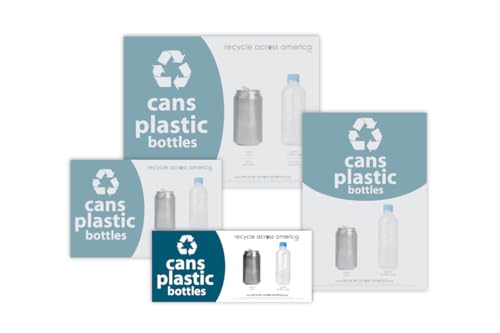
Cans and Plastic Recycling Labels for Bins, Lids, Carts, Dumpsters. Part of Nationwide Label Standardization for Recycle Compost Trash Receptacles. Durable UV Protected Sticker (4" x 9")
View on AmazonSorting and contamination reduction
- Simplicity first: If using drop-off, separate glass and cardboard from the mixed stream to improve value and reduce breakage and fiber contamination.
- Feedback loops: Tag curbside carts for visible contaminants (“Oops” tags); leave a door hanger with correct guidance.
- Consistency: Align accepted materials with your MRF’s list; avoid seasonal flip-flops.
- Food-contact: Emphasize empty, clean, dry for containers. Residue drives down bale quality.
- Plastic focus: If markets are limited, start with PET (#1) and HDPE (#2), which have robust domestic demand; expand to PP (#5) once a processor confirms acceptance. For deeper plastics planning and markets, see our Plastic Recycling Program Guide: Practical Planning, Operations, Markets, and Measurement.
- Education hub: Point participants to practical contaminant-busting tips here: How to Recycle Waste Effectively: Practical Guidance to Reduce Contamination and Maximize Recovery.
Transport and end-market options
- Hauler to MRF: Contract with licensed haulers for collection and delivery to a permitted materials recovery facility (MRF). Confirm contamination limits (often ≤10–15% for single-stream) and fees for excess.
- Direct-to-mill: High-volume cardboard (OCC) and source-separated paper can go straight to mills or brokers; negotiate bale specs and pickup minimums.
- Plastics: PET/HDPE to plastics reclaimers or brokers; verify domestic or regional buyers with traceability. Avoid mixed bales unless your MRF or buyer has documented outlets.
- Glass: Source-separate and send to a beneficiation plant; in markets without glass outlets, consider local aggregate uses where permitted by DOT specs.
- Metals: Aluminum and steel cans to scrap yards or can sheet suppliers; pricing tied to commodity indexes.
- Organics: Partner with a permitted composter or anaerobic digester; ensure contamination screening for plastics.
- Electronics: Only work with R2- or e-Stewards-certified recyclers for data security and environmental compliance. For event planning specifics, see How to Recycle Electronics: A Practical Guide to Safe, Responsible E‑Waste Disposal.
Safety protocols
- PPE: Gloves cut-rated for glass/metal, safety glasses, high-visibility vests, steel-toe boots for staff.
- Batteries: Treat all small lithium-ion batteries as fire risks; store in sand- or vermiculite-filled containers; tape terminals; no curbside collection unless your hauler approves a dedicated safe protocol.
- Traffic: For depots and events, establish entry/exit, cones, speed limits, and trained flaggers; coordinate with local police/fire for large events.
- Ergonomics: Two-person lifts for heavy items; use pallet jacks/forklifts where possible; training on safe lifting.
- Hazardous segregation: Exclude chemicals, sharps, propane tanks, and medical waste; sign prominently; provide alternative disposal guidance.
Financing, legal/compliance, and long-term sustainability
A durable program blends diverse funding, clear legal footing, transparent data, and persistent outreach.
Build a realistic budget
- Capital (CapEx): Carts/bins, signage, balers/compactors, site improvements (pads, fencing, lighting), vehicles (if in-house collection), software and scales.
- Operating (OpEx): Hauling and processing fees, labor, facility lease or utilities, maintenance, contamination surcharges, communications, insurance.
- Revenues and offsets: Commodity sales (OCC, metals, some plastics), avoided disposal fees, event fees for special items (e.g., TVs), producer responsibility reimbursements where available.
Funding sources
- Federal/state grants: U.S. EPA Solid Waste Infrastructure for Recycling (SWIFR), Recycling Education and Outreach (REO) grants; state market development grants; USDA Rural Utilities Service grants for rural solid waste management.
- Local government: Budget allocations, climate funds, American Rescue Plan/IIJA funds where eligible.
- Sponsorships: Grocery chains, beverage distributors, local manufacturers.
- User fees: Subscription fees for businesses, pay-as-you-throw (PAYT) trash fees that incentivize diversion.
- Philanthropy: Community foundations support startup education and equipment.
Legal and compliance checklist
- Solid waste permits: Confirm whether your depot or transfer activities require a permit; coordinate with the city/county solid waste authority.
- Zoning and site approvals: Ensure outdoor storage, traffic, and operating hours comply with local code.
- Contracts/MOUs: With haulers, MRFs, processors, and event partners; include material specs, contamination thresholds, pricing formulas, and dispute resolution.
- Insurance: General liability, workers’ comp, auto, and event insurance as applicable.
- Worker safety: OSHA-compliant training, equipment guarding, lockout/tagout for balers.
- Data privacy: For e-waste, ensure certified data destruction by R2/e-Stewards vendors.
- Producer responsibility (EPR): In jurisdictions with packaging EPR (e.g., several U.S. states) or existing EPR for electronics/paint/mattresses, register and align reporting to access reimbursements.
Data tracking and performance metrics
Track monthly at minimum:
- Tonnage by material and by route/site.
- Participation rate: share of addresses enrolled.
- Set-out rate: share setting out bins in a given week.
- Contamination rate: via MRF feedback and random route audits.
- Capture rate by commodity: from periodic composition studies.
- Cost per ton collected; revenue per ton; avoided disposal cost.
- Emissions impact: Use EPA WARM to estimate CO₂e savings.
Communications and promotion that change behavior
- Message pillars: What to recycle, why it matters locally (jobs, cost savings, climate), and how to do it right (empty, clean, dry; no bags; keep batteries out).
- Channels: Utility bill inserts, school take-home flyers, social media, neighborhood apps, bus ads, local radio, and workplaces.
- Standardize visuals: Consistent colors and icons on all bins and signs reduce confusion and contamination.
- Feedback at the curb: Door hangers and cart tags change behavior faster than generic PSAs—pair with follow-up posts.
- Community partners: Co-brand with schools and neighborhood groups to build trust. For broader playbooks on local mobilization, see Community Initiatives for Sustainability: What Works, How to Start, and How to Scale.
Sample outreach script (for a mailer or post) “Starting May 15, your neighborhood can recycle more—and waste less. Place empty, clean, and dry paper, cardboard, metal cans, and plastic bottles (#1–2) in the blue cart by 7 a.m. on your collection day. Keep plastic bags, batteries, and hoses out. Questions? Visit [program URL] or call [hotline]. Together we’ll cut disposal costs and protect our local rivers.”
A 12-month roadmap (adaptable for size and scope)
- Months 0–2: Stakeholder convening; baseline audit; define scope; draft budget; identify end-markets; apply for grants; draft MOUs.
- Months 2–4: Order carts/bins/signage; build site infrastructure; finalize routes and schedules; train staff/volunteers; design communications.
- Months 4–6: Soft launch at 1–2 pilot neighborhoods or a staffed drop-off; run “Oops” tagging; weekly debriefs; fix pain points.
- Months 6–9: Scale to full service area; launch school/business onboarding; add monthly special-item drives (electronics, bulky plastics).
- Months 9–12: Conduct a composition and contamination recheck; adjust accepted list or education; present a public dashboard; plan year-2 expansion (e.g., organics or glass source-separation where markets allow).
Case briefs: models you can adapt
- Curbside cart conversion lifts capture: Multiple U.S. cities report 20–40% increases in collected recyclables after moving from open bins to lidded 95-gallon carts, paired with contamination feedback and weekly collection (The Recycling Partnership field reports).
- Deposit-driven performance: Communities in container-deposit states regularly achieve return rates above 80% for beverage containers, supported by redemption centers and retail take-backs (state program reports, e.g., Oregon Beverage Recycling Cooperative).
- Rural drop-off network: County consortia that standardize signage and staff part-time at key hours often achieve 15–25% diversion within two years, especially when cardboard is compacted and glass is separate-collected (state rural recycling technical assistance case studies).
Practical tips and common pitfalls
- Start narrow, communicate relentlessly: A shorter “yes” list beats an ever-changing menu. Expand only after quality stabilizes.
- Guard against tanglers and batteries: Hoses, ropes, cords, and lithium-ion batteries are top fire and downtime risks for MRFs—keep them out and advertise drop-off alternatives.
- Right-size routes: Overfilled carts signal success but also contamination risks; adjust cart size and pickup frequency before quality erodes.
- Close the feedback loop: Share quarterly data—tons recycled, contamination trends, dollars saved—to keep partners and residents engaged.
- Align with schools: Youth education accelerates household behavior change and builds a volunteer pipeline for events and audits.
What success looks like in year one
- Access: 90%+ of target households have convenient service (curbside or a drop-off within a 5–10 minute drive).
- Quality: Contamination at or below 10% (single-stream) or 5% (dual-stream/source-separated), verified by MRF reports.
- Capture: 50–70% of available cardboard and metal cans; 40–60% of PET/HDPE, with year-2 targets to improve.
- Economics: Net cost per ton trending down as routes fill in; avoided disposal costs documented; at least one stable market partner per key material.
- Trust: Public dashboard live; hotline response time under 48 hours; schools and businesses onboarded with site-specific signage.
Building a local recycling initiative is a systems project: combine a clear scope, tight partnerships, disciplined logistics, and persistent outreach. With data-driven adjustments and steady feedback to the community, most programs can cut contamination into the single digits, raise capture rates for high-value materials, and turn avoided disposal into the engine that sustains the work.
Recommended Products
What a Waste 2.0: A Global Snapshot of Solid Waste Management to 2050: Kaza, Silpa, Yao, Lisa, Bhada-Tata, Perinaz, Van Woerden, Frank
What a Waste 2.0: <strong>A Global Snapshot of Solid Waste Management to 2050</strong> provides the most up-to-date information available to empower citizens and governments around the world to effect
Cans and Plastic Recycling Labels for Bins, Lids, Carts, Dumpsters. Part of Nationwide Label Standardization for Recycle Compost Trash Receptacles. Durable UV Protected Sticker (4" x 9")
Recycle Across America (RAA), <strong>dedicated to fixing the U.S. recycling system</strong>, these labels have been adopted by National Parks, schools, airports, and businesses, households, drop off
Toter 79296-R1200 96 Gallon Black Trash Can with Wheels and Attached Lid
Full content visible, double tap to read brief content. ... The Toter residential curbside heavy duty trash can is a <strong>2-wheeled garbage container with a molded-in axle and attached lid</strong>
More in Sustainability Policy
- Practical Tips for Organizing a Successful Community Recycling Drive
- How to Recycle Waste Effectively: Practical Guidance to Reduce Contamination and Maximize Recovery
- How to Recycle Effectively: Practical Guidance to Reduce Waste and Avoid Contamination
- Practical Recycling Program Ideas for Schools: Starter Concepts, Logistics, and Long-Term Success