
Passive Solar Building Design: Essential Principles & Practical Strategies
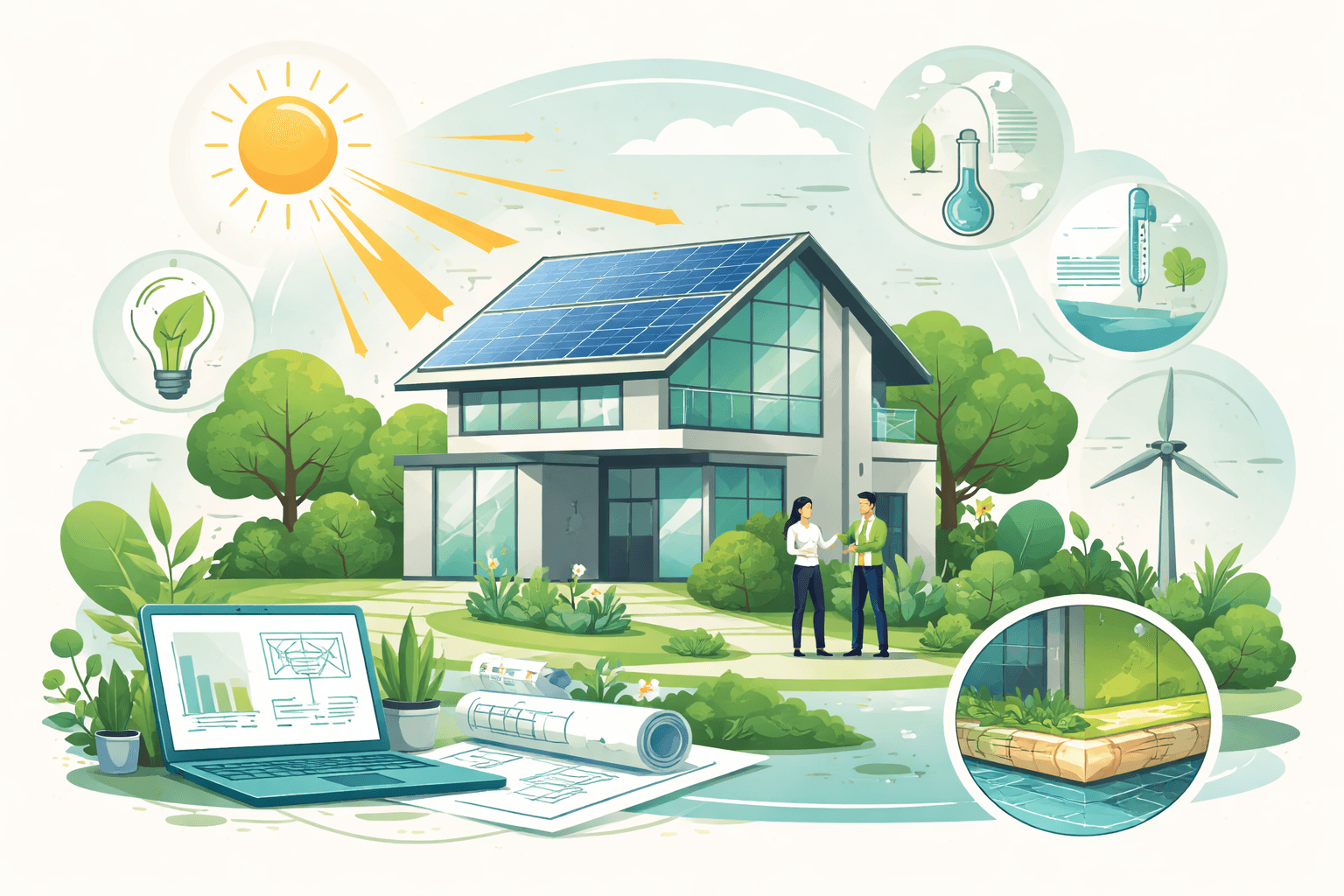
Buildings account for about 30% of global final energy use and roughly 26% of energy-related CO₂ emissions, according to the International Energy Agency (IEA, 2023). Done well, passive solar building design can cut space heating and cooling loads by 20–50% (U.S. DOE Energy Saver), while improving daylight quality, comfort, and resilience during grid outages. This guide translates the physics into clear strategies you can apply—from orientation and glazing to thermal mass, airtightness, and natural ventilation—supported by research from NREL, LBNL, ASHRAE, and the Passive House community.
Core principles and goals of passive solar design
Passive solar building design uses the building itself as the energy system. The aim is to capture useful solar gains in winter, reject excess gains in summer, move fresh air naturally, and stabilize indoor temperatures with well-insulated, airtight enclosures and effective thermal mass. The payoff is lower energy bills, fewer mechanical components, and measurably better comfort.

The Solar House: Passive Heating and Cooling
In The Solar House, Dan Chiras <strong>sets the record straight on the vast potential for passive heating and cooling</strong>. Acknowledging the good intentions of misguided solar designers in the pa
Check Price on Amazon- Solar orientation: Position the long axis east–west so most glazing faces true south (in the Northern Hemisphere; true north in the Southern) to maximize controllable winter gains and minimize low-angle summer gains.
- Daylighting: Bring in diffuse daylight from the sky to cut electric lighting energy; effective daylighting plus lighting controls can reduce lighting electricity 20–40% in many buildings (LBNL and DOE studies).
- Thermal mass: Dense interior materials (concrete, masonry, water, phase-change materials) absorb mid-day heat and release it as temperatures fall, flattening peaks and valleys in daily temperature swings.
- Insulation and airtightness: High R-values and tight construction reduce heat flow and drafts, making any captured solar energy last longer.
- Natural ventilation: Cross-ventilation and stack effect expel heat without compressors or fans, particularly effective in shoulder seasons and dry climates.
Comfort outcomes improve because indoor temperatures vary less, radiant temperature asymmetry is reduced, glare is controlled, and fresh air is better distributed.
Climate and site analysis for passive solar building design
Successful passive solar strategies are climate-specific. Before drawing the first line, analyze:
Sun path and seasonal variability
- Use sun path diagrams to understand solar altitude (height) and azimuth (compass direction) for solstices and equinoxes at your latitude. This defines overhang dimensions and optimal glazing angles.
- In heating-dominant climates (cold or cool-temperate), prioritize winter solar access; in cooling-dominant climates (hot-arid, hot-humid), prioritize summer shading and ventilation.
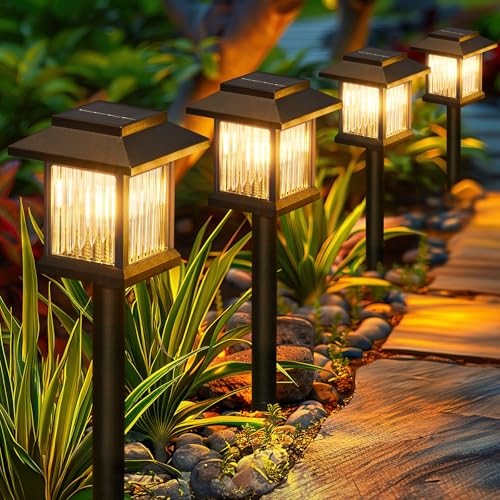
Solar Pathfinder : Solar Panels : Patio, Lawn & Garden
View on AmazonLocal climate and microclimate
- Reference typical meteorological year (TMY) data for temperatures, humidity, wind roses, and cloud cover. The U.S. NREL provides TMYx datasets; similar data are available from national meteorological agencies globally.
- Microclimate matters: hills, nearby water, urban heat islands, and surrounding buildings/trees can alter wind, shading, and night sky cooling.
Tools to inform design
- Early-stage: Climate Consultant (UCLA), HEED, and Ladybug Tools (Grasshopper/Rhino) translate weather data into passive strategy recommendations.
- Daylighting: Radiance, Daysim, and ClimateStudio simulate daylight autonomy, glare (DGP), and useful daylight illuminance (UDI).
- Whole-building energy: EnergyPlus/OpenStudio, DesignBuilder, and Sefaira test envelope and ventilation options and predict Energy Use Intensity (EUI).
- Hygrothermal risk: WUFI models moisture transport and condensation risk in wall/roof assemblies.
- Passive House Planning Package (PHPP) offers a rigorous spreadsheet model for heating/cooling demand, heat-loss coefficients, and shading factors.
Passive strategies and components: what to design and how
Orientation and window placement
- Orientation: Aim for the long building facade within ±15° of true south (north in the Southern Hemisphere). This typically keeps summer sun high (easier to shade) and winter sun low (easier to admit).
- Window-to-floor ratio (WFR) and Window-to-wall ratio (WWR): For cold and mixed climates, a common target is south-facing glass area of 7–12% of conditioned floor area with adequate thermal mass; without mass, keep closer to 7% (U.S. DOE Energy Saver). Limit east/west glazing to reduce low-angle summer gains and morning/afternoon glare.
- Daylight zoning: Place frequently occupied spaces along the south and north facades for balanced daylight; service spaces (storage, stairs) toward the core.
Glazing types: U-factor, SHGC, and visible transmittance
- U-factor (thermal conductance): Lower is better. High-performance double to triple glazing ranges ~1.8–0.8 W/m²·K (0.32–0.14 Btu/h·ft²·°F). Choose frame systems with comparable performance to avoid thermal edge losses.
- Solar Heat Gain Coefficient (SHGC): In heating-dominant climates, select higher SHGC (0.45–0.60) on south facades to capture winter sun; in cooling-dominant climates, choose low SHGC (0.25–0.35) on all orientations.
- Visible Transmittance (VT): Aim for VT ≥0.50 in daylit zones for quality daylight, paired with glare controls (tuned overhangs, light shelves, interior shades).
- Low-e coatings: Specify spectrally selective low-e that decouples SHGC from U-factor, letting visible light in while blocking infrared heat as needed.
Overhangs and shading devices
- Fixed overhangs: Size to block high summer sun and admit lower winter sun. At solar noon, projection P relative to window height H can be approximated from solar altitude angles. As a rule of thumb, at many mid-latitudes (30–40°), an overhang with P/H of 0.5–0.7 often shades mid-day summer sun while admitting winter sun; verify with sun path tools because morning/afternoon sun and building context matter.
- Vertical fins: Control low-angle east/west sun and glare.
- Light shelves: Bounce daylight deeper into rooms and shade lower window zones.
- Dynamic shading: Exterior operable louvers, awnings, and roller shades add flexibility as occupancy and climate vary; exterior devices are 2–3x more effective than interior shades because they intercept heat before it enters.
Thermal mass placement and sizing
- Direct gain: Expose internal floors and/or walls with sufficient mass to store mid-day heat. Effective diurnal “penetration depth” for concrete is roughly 7–10 cm; slabs 100–150 mm thick or masonry/tile surfaces totaling 6–8 m² per m² of south glass help stabilize temperatures (values vary by climate—model to refine).
- Indirect gain (Trombe walls): A dark, massive wall behind south-facing glazing separated by an air gap (typically 20–50 mm). It absorbs solar heat and slowly releases it indoors; include top/bottom vents for convective transfer when appropriate and shading to prevent summer overheating.
- Phase-change materials (PCMs): Panels or encapsulated media tuned to phase around 20–26°C add “latent” thermal mass without heavy structure. Field studies report peak load reductions of 10–20% in suitable climates when paired with night ventilation (various peer-reviewed trials).
Insulation and airtightness
- Continuous insulation: Target high R-values appropriate to climate (e.g., walls R-30 to R-40+ [5.3–7.0 m²·K/W], roofs R-50 to R-60+ [8.8–10.6 m²·K/W] in cold climates). Use exterior continuous insulation to bridge studs and reduce thermal bridging.
- Airtightness: Lower infiltration improves comfort and energy efficiency. Aim for blower door results of ≤1.0 ACH50 for high-performance builds; Passive House levels approach 0.6 ACH50 (Passive House Institute). Provide balanced mechanical ventilation with heat or energy recovery (HRV/ERV) to maintain indoor air quality.
Natural ventilation: cross-flow and stack effect
- Cross-ventilation: Provide operable windows on opposing facades with clear airflow paths; effective opening area of 5–8% of floor area can provide 3–6 air changes per hour (ACH) in mild conditions, depending on wind.
- Stack ventilation: Use height differences—clerestories, stairwells, or solar chimneys—to drive buoyancy flow. The driving pressure scales with the vertical separation between low and high openings and the indoor–outdoor temperature difference. Top vents sized at 2–5% of floor area with dedicated low-level inlets can be effective; integrate insect screens and secure night-purge modes.
- Controls: Include night flush strategies in dry climates to cool thermal mass and pre-condition spaces for the next day.
Landscape and site design for solar access
- Winter sun corridors: Maintain south-facing setbacks and manage tree species/placement (deciduous trees on south for summer shade; evergreens to the northwest to block winter winds in cold climates).
- Reflectance: Light-colored paving or light shelves can increase daylight contribution; avoid glare.
- Earth forms and wind: Berming and hedges shape wind exposure to favor ventilation in summer and reduce infiltration in winter.
For broader envelope and home-level strategies, see Designing Energy‑Efficient Homes: Practical Strategies for Low‑Carbon, High‑Comfort Living and Designing Green Homes: Practical Strategies for Sustainable, Healthy, Cost‑Effective Living.
Materials, detailing, durability, and moisture control
Recommended components
- Trombe walls: Use high-absorbance dark surfaces, low-iron glass, airtight edge seals, and exterior shading for summer. Include bypass vents with closable dampers.
- High-performance glazing: Thermally broken frames, warm-edge spacers, and argon/krypton fills raise whole-window performance; specify by whole-window U-factor and SHGC, not center-of-glass only.
- Phase-change materials: Integrate in ceiling tiles, wallboards, or encapsulated slab overlays; confirm cycling reliability and fire ratings.
Thermal bridges and condensation risk
- Break the bridge: Use continuous exterior insulation at slabs/grade beams and thermally broken balcony/ledger connectors. Align insulation across assemblies to avoid exposed concrete “fins.”
- Edge-of-slab and window perimeters: These are frequent dew point risks. Detail robust air barriers, insulated window bucks, and pan flashing. Verify with 2D/3D thermal modeling (THERM or equivalent) and hygrothermal checks (WUFI).
- Vapor control: Select vapor retarders by climate and assembly. In cold climates, interior-side Class II (or smart vapor retarders) help prevent inward vapor drive; in hot-humid climates, favor exterior-permeable assemblies that dry outward and manage inward vapor (air conditioning) with interior vapor-open finishes.
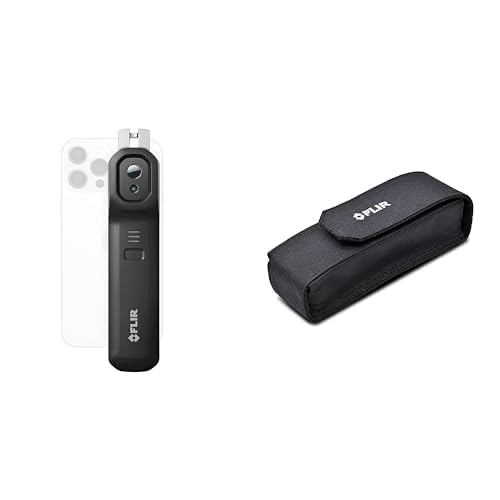
FLIR ONE EDGE Pro - Wireless Thermal Imaging Camera ...
View on AmazonIntegration with active systems
- HVAC: Downsized equipment is a direct benefit. Lower design heating and cooling loads allow smaller heat pumps, radiant systems, or even limited-point-source heating in superinsulated homes. Provide dedicated ventilation (HRV/ERV) operating independently of heating/cooling.
- Controls: Pair daylighting with photosensors and occupancy sensors to lock in lighting savings.
- Solar PV: After reducing loads passively, on-site PV can cost-effectively reach net-zero energy. For PV planning basics and system sizing, see Solar Panels for Beginners: A Practical, Data-Driven Guide and How to Calculate Solar Panel Needs: Step-by-Step Guide & Examples.
By the Numbers: passive solar quick reference
- 20–50% reduction in heating/cooling loads achievable with well-executed passive strategies (U.S. DOE Energy Saver).
- 20–40% lighting electricity savings from daylighting with controls in many building types (LBNL/DOE).
- Airtightness: ≤1.0 ACH50 is a solid high-performance target; 0.6 ACH50 is Passive House-level (PHI).
- Window performance: Triple-pane windows with whole-window U ≈ 0.8–1.1 W/m²·K and SHGC 0.25–0.60 depending on climate are common in high-performance projects.
- Thermal mass: Concrete slab 100–150 mm exposed, or PCM panels with phase point ~20–26°C, can reduce daily temperature swings and peak loads (ASHRAE research, field studies).
- NREL RSF case: ~35 kBtu/ft²·yr EUI, about 50% below typical U.S. office at the time, enabled by daylighting, mass, and natural ventilation plus on-site PV (NREL).
Performance, cost, and implementation guidance
Expected outcomes and how to measure them
- Energy Use Intensity (EUI): kBtu/ft²·yr or kWh/m²·yr, normalized by heating and cooling degree days.
- Thermal comfort: Operative temperature ranges, PMV/PPD estimates; aim to keep operative temps in 20–26°C for most occupied hours without active conditioning in shoulder seasons.
- Daylighting metrics: Spatial Daylight Autonomy (sDA 300/50%) ≥55% for regularly occupied spaces; Useful Daylight Illuminance (UDI 100–2,000 lux) as a glare/overlighting check; Daylight Glare Probability (DGP) <0.35 in task zones.
- Indoor air quality: CO₂ generally below 1,000 ppm with natural or balanced mechanical ventilation.
- Airtightness and flow: Blower door (ACH50) and envelope leakage area; window operability rates and measured ACH during natural ventilation periods.
Cost–benefit and payback
- Orientation and massing: Near-zero incremental cost if decided early; can reduce envelope area and HVAC capacity.
- Glazing: Upgrading to high-performance frames and coated glass adds first cost but often pays back via smaller HVAC and lower operating costs; simple paybacks of 5–10 years are common in heating-dominant climates, shorter with high energy prices.
- Shading: Fixed overhangs and exterior shades are low-cost compared to adding cooling capacity; exterior devices outperform interior shades for thermal control.
- Insulation/airtightness: Additional exterior insulation and air-sealing labor may add 1–3% to project cost but can reduce HVAC tonnage 20–40% in many climates, improving lifecycle economics (various NREL/DOE case studies).
- Controls and commissioning: Daylight sensors and operable window strategies require commissioning and occupant training; costs are modest relative to savings.
Retrofit pathways for existing buildings
- Shading first: Add exterior awnings, pergolas, or vertical fins on east/west; consider solar-control films where window replacement isn’t feasible.
- Window upgrades: Replace with low-U, climate-appropriate SHGC glazing; improve perimeter insulation and air seals at installation.
- Thermal mass: Expose existing slab or add interior masonry feature walls; consider PCM drywall in cooling-dominant climates.
- Insulation and air sealing: Focus on attics/roofs and rim joists; add continuous exterior insulation during re-siding; target blower-door-guided air sealing.
- Natural ventilation: Add high operable clerestory windows, automated controls for night flushing, and secure ventilation paths.
- Daylighting: Add skylights or tubular daylight devices thoughtfully (curb flashing and condensation control) and pair with glare mitigation.
For complementary whole-home guidance and envelope optimization tactics, explore Designing Energy‑Efficient Homes: Practical Strategies for Low‑Carbon, High‑Comfort Living and Designing Green Homes: Practical Strategies for Sustainable, Healthy, Cost‑Effective Living.
Case studies and benchmarks
- NREL Research Support Facility (Golden, CO): 222,000 ft² net-zero office; deep daylighting, exposed mass, operable windows, and a high-performance envelope deliver an EUI near 35 kBtu/ft²·yr with on-site PV, roughly half of typical U.S. office usage at the time (NREL reporting).
- Passive House projects (various climates): Heating demand ≤15 kWh/m²·yr and airtightness ≤0.6 ACH50 routinely yield 70–90% heating energy reductions compared to code-minimum baselines (Passive House Institute/PHIUS). While Passive House isn’t synonymous with passive solar, it operationalizes many of the same envelope and ventilation principles.
Incentives and policy supports
- United States: The Energy Efficient Home Improvement Credit (25C) can offset 30% of the cost of envelope upgrades like windows and insulation, subject to annual caps (IRS/DOE). The commercial 179D deduction offers up to $5/ft² for qualifying energy-efficient building improvements.
- Many utilities offer rebates for high-performance windows, envelope insulation, and advanced controls; check local programs and building energy codes (e.g., IECC, Title 24) that reward daylighting and reduced loads.
- EU and other regions: National schemes tied to the Energy Performance of Buildings Directive (EPBD) support deep renovations focusing on envelope improvements, airtightness, and controls.
Practical design workflow
- Analyze climate and site: Sun paths, wind roses, TMY data.
- Set performance targets: Heating/cooling loads, EUI, daylight metrics, airtightness.
- Massing and orientation: Long axis east–west, prioritize south glazing.
- Envelope and glazing: Specify U, SHGC, VT by orientation; design overhangs and shading.
- Thermal mass and ventilation: Place and size mass; plan cross- and stack-ventilation paths and controls.
- Detail for durability: Continuous insulation, thermal breaks, air/water barriers, vapor strategies.
- Simulate and iterate: EnergyPlus/PHPP for loads, Radiance for daylight, WUFI for moisture.
- Commission and monitor: Calibrate shading/controls; verify blower door; log indoor temps, CO₂, and lighting savings.
Where passive solar is heading
- Adaptive envelopes: Dynamic glazing and exterior shading integrated with predictive controls using weather forecasts to pre-heat/pre-cool and minimize peaks.
- Advanced materials: Next-gen PCMs with higher cycle stability and bio-based composites add thermal capacity with lower embodied carbon.
- Climate resilience: Passive survivability—maintaining habitable temperatures during outages—will become a code and financing criterion in heatwave- and storm-prone regions.
- Integrated design–build: More projects are achieving net-zero with smaller PV arrays by pushing passive measures first. For PV system planning after passive load reduction, see Solar Panels for Beginners: A Practical, Data-Driven Guide and How to Calculate Solar Panel Needs: Step-by-Step Guide & Examples.
Thoughtful, climate-tuned passive solar building design remains one of the most cost-effective ways to cut energy use, reduce peak loads, and deliver year-round comfort—while laying a lighter footprint on the grid and the planet.
Recommended Products
The Solar House: Passive Heating and Cooling
In The Solar House, Dan Chiras <strong>sets the record straight on the vast potential for passive heating and cooling</strong>. Acknowledging the good intentions of misguided solar designers in the pa
Solar Pathfinder : Solar Panels : Patio, Lawn & Garden
Solar Pathfinder is <strong>a tool to calculate the sun's path for a specific location</strong>. It is useful for landscaping and designing solar power systems. It is simple and easy to use.
FLIR ONE EDGE Pro - Wireless Thermal Imaging Camera ...
Detect invisible problems with FLIR One Pro's advanced thermal sensors. Superior sensitivity captures subtle temperature variations instantly.
More in Sustainability Policy
- Passive House Design Principles: What They Are and Why They Matter
- Designing Energy‑Efficient Homes: Practical Strategies for Low‑Carbon, High‑Comfort Living
- Designing Green Homes: Practical Strategies for Sustainable, Healthy, Cost‑Effective Living
- Energy Conservation Techniques: Practical Steps to Save Energy, Money & Cut Emissions