
Renewable Energy Job Opportunities: Sectors, Skills, Market Outlook and How to Break In
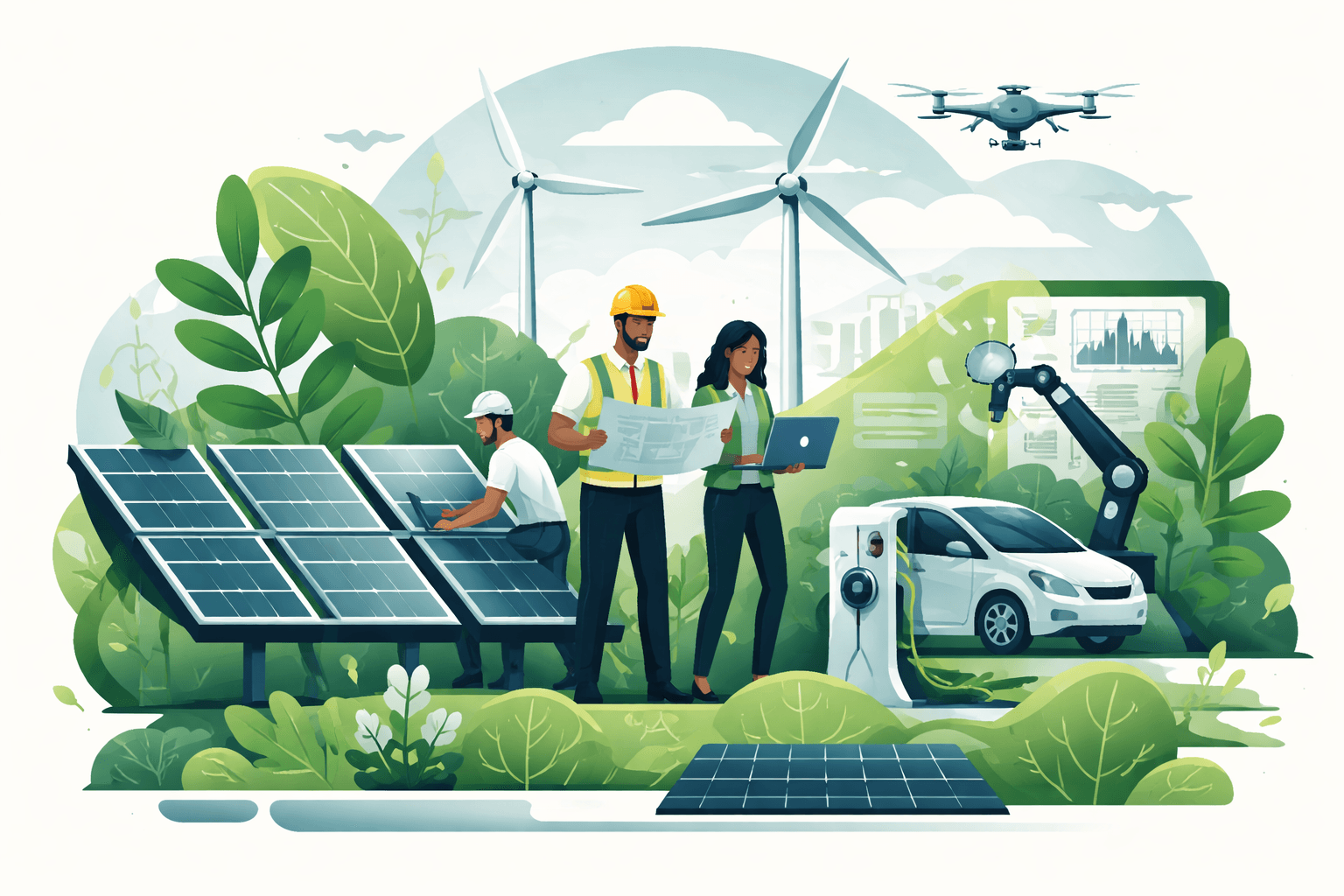
Global clean energy employment has never been higher—and renewable energy job opportunities are expanding faster than many talent pipelines can supply them. IRENA and the ILO estimate 14.5 million renewable energy jobs in 2023 worldwide, up from 13.7 million in 2022, with solar PV accounting for roughly 5.5 million, biofuels ~2.7 million, hydropower ~2.4–2.5 million, and wind ~1.6 million. The IEA reports a record 507 GW of renewable capacity was added in 2023—50% higher than 2022—creating sustained demand across construction, manufacturing, engineering, finance, and operations. In the U.S., the Bureau of Labor Statistics (BLS) projects wind turbine service technicians to grow 45% and solar installers 22% from 2022–2032—among the fastest of any occupations.
This guide maps the ecosystem, highlights in-demand roles, salary norms, credentials, and concrete steps to break into the sector.
The renewable energy ecosystem: where the demand is highest
If you’re exploring renewable energy job opportunities, start with the major build-out areas. Today’s hiring spans field trades, engineering, software/data, environmental permitting, finance, and community engagement across these sectors:
Solar (utility-scale, commercial, residential)
- High-demand roles: PV installers; electricians; foremen/crew leads; commissioning engineers; O&M technicians; performance analysts; interconnection engineers; sales and project coordinators; permitting specialists; drone pilots for inspection.
- Why it’s hot: Solar is the largest clean energy employer globally. U.S. residential and commercial markets remain robust, and utility-scale projects benefit from long-dated policy incentives.
- Learn the tech: See our primer on photovoltaic systems in Solar Power Explained: How It Works, Costs, and Climate Benefits.
Wind (onshore and offshore)
- High-demand roles: Wind turbine technicians; high-voltage (HV) electricians; blade repair specialists; SCADA/OT engineers; crane/rigger crews; environmental surveyors; offshore cable jointers (HVAC/HVDC); marine coordinators.
- Why it’s hot: Onshore repowering and new builds continue, while offshore wind is scaling on the U.S. East Coast and globally in the North Sea and Asia-Pacific—creating needs in port logistics, marshalling, and subsea cable work. For market context, see Wind Energy Growth: Analyzing the Global Shift to Offshore Wind Farms.
Battery storage and grid-scale flexibility
- High-demand roles: Battery technicians; BMS (battery management system) engineers; power systems and protection engineers; EMS/SCADA integrators; safety and fire protection specialists; commissioning and warranty engineers.
- Why it’s hot: Storage smooths intermittency and enables more solar/wind interconnections. Dozens of U.S. gigafactories have been announced, concentrating cell and module manufacturing jobs across the Midwest and Southeast.
EV charging infrastructure
- High-demand roles: EVSE installers (Level 2/DCFC); site designers; network operations engineers; field service technicians; civil and electrical project managers; utility interconnection coordinators.
- Why it’s hot: The U.S. federal NEVI program targets a national network of 500,000 public chargers by 2030, spurring sustained demand for licensed electricians and commissioning technicians.
Grid modernization and transmission
- High-demand roles: Transmission line workers; substation technicians; protection and controls engineers; power flow and interconnection study engineers; distribution planners; cybersecurity for operational technology (OT).
- Why it’s hot: Utilities are investing in grid hardening, advanced metering, and new transmission to move renewable power from resource-rich regions to load centers.
Energy efficiency and electrification
- High-demand roles: Energy auditors; building performance analysts; HVAC/heat pump technicians; demand response program managers; retro-commissioning specialists; weatherization crews.
- Why it’s hot: Efficiency remains the lowest-cost carbon reduction. Heat pump adoption and building electrification expand jobs in HVAC trades and building analytics.
Project development and manufacturing
- High-demand roles: Development associates/managers; real estate and land acquisition; environmental permitting (NEPA/CEQA); GIS analysts; supply chain and procurement; EHS leads; quality engineers; production technicians.
- Why it’s hot: Long pipelines of solar, wind, and storage projects drive sustained hiring in development and manufacturing quality.
Policy, markets, and finance
- High-demand roles: Regulatory affairs; market design analysts; project finance associates; tax equity analysts; ESG/reporting; community engagement and benefits coordinators.
- Why it’s hot: Policy incentives, interconnection reforms, and new market products (e.g., ancillary services, capacity) require specialized expertise to structure projects and stakeholder agreements.
For a technology overview across generation types, see Renewable Energy Sources: A Clear Guide to Solar, Wind & More. For cross-cutting innovations shaping new roles (AI-based O&M, advanced materials, power electronics), see Green Tech Innovations: 10 Technologies Shaping a Sustainable Future.
Skills, certifications, and education pathways
You don’t need a PhD to contribute meaningfully. The sector values stackable credentials, hands-on experience, and safety culture. Here’s how people prepare:
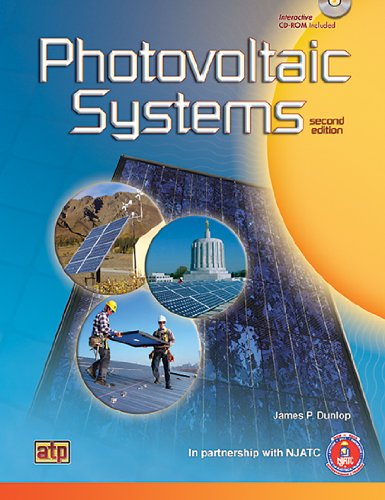
Photovoltaic Systems: Njatc, Cor
Among the topics are <strong>solar radiation, system components and configurations, batteries, inverters, system sizing, mechanical and electrical integration, utility interconnection, and economic an
Check Price on AmazonTechnical trades: get job-ready fast
- Electricians (state-licensed): Core for solar, storage, EVSE, and substations. Many roles require journeyman or master licenses. Apprenticeships (IBEW/NECA JATC) pay while you train.
- OSHA 10/30 and NFPA 70E: Safety staples for construction and electrical work; often mandatory on jobsites.
- NABCEP (North American Board of Certified Energy Practitioners): PV Associate (entry), PV Installation Professional (advanced), PV Technical Sales, and solar design specialist credentials. Recognized widely by employers.
- GWO (Global Wind Organisation): Basic Safety Training (BST), Basic Technical Training (BTT), and Sea Survival for offshore wind. Often paired with first aid, confined space, and rescue.
- Rope access: SPRAT or IRATA certifications for blade repair and tall-structure work.
- EVITP (Electric Vehicle Infrastructure Training Program): Preferred/required by many EV charging projects, especially those using federal funds.
- BPI/RESNET: Building Performance Institute and Residential Energy Services Network credentials for energy auditors, HERS Raters, and weatherization crews.
- EPA 608: Required for technicians handling refrigerants—valuable for heat pump/electrification roles.
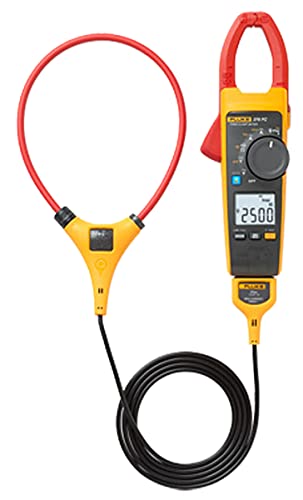
Fluke 376 True RMS AC/DC Clamp Meter with iFlex: Multi Testers: Amazon.com: Industrial & Scientific
View on AmazonEngineering, software, and data roles
- Degrees: Electrical, mechanical, civil, chemical, materials, or environmental engineering; computer science/data science for grid analytics, DER orchestration, and forecasting.
- Power systems tools: PSS®E, PSCAD, PowerWorld, ETAP; protection relay settings; harmonics and inverter modeling for interconnection studies.
- SCADA/OT: IEC 61850, DNP3, PLC programming, historian databases; cybersecurity frameworks (e.g., NIST, ISA/IEC 62443).
- Geospatial and resource assessment: GIS (ArcGIS/QGIS), LiDAR, mesoscale models (wind), PVsyst/Helioscope for solar yield.
- Battery/storage: BMS fundamentals, thermal management, safety/fire code compliance (NFPA 855), UL 9540/9540A familiarity.
- Project controls: Primavera P6, MS Project, cost/schedule risk, earned value management.
Policy, finance, and market-facing skills
- Credentials: CFA (advanced finance roles), PMP (project management), LEED AP (built environment), AEE’s Certified Energy Manager (CEM) for efficiency roles.
- Energy markets: ISO/RTO market operations, capacity/ancillary services, congestion management, curtailment risks.
- Community engagement and permitting: Stakeholder mapping, environmental impact analysis (NEPA/State equivalents), Tribal consultation, public meeting facilitation.
Transferable nontechnical roles
- Sales and account management: Residential/commercial solar, fleet electrification, SaaS for energy analytics.
- Supply chain and logistics: Procurement for turbines, modules, inverters, transformers.
- Operations and customer success: O&M coordination, service level agreements, warranty/claims.
- Communications and policy: Regulatory affairs, grant writing, government relations.
Short courses and bootcamps from community colleges, trade schools, SEI/HeatSpring, and union halls can take you from zero to employable in months—especially when paired with safety cards and field ride-alongs.
By the numbers: labor-market intelligence
- Scale of hiring: IRENA/ILO count 14.5 million renewable energy jobs globally in 2023, with solar PV the top employer. The IEA’s World Energy Employment analysis finds clean energy jobs have grown by several million since 2019, outpacing fossil job growth.
- Growth drivers: Long-dated policy (e.g., U.S. Inflation Reduction Act manufacturing and production tax credits), grid grants (DOE’s GRIP program, ~$10.5B), and EV charging investments (U.S. NEVI, $5B) underpin multi-year project pipelines. Electrification of buildings and transport expands demand for electricians, HVAC techs, and planners.
- Fastest-growing U.S. occupations (BLS, 2022–2032): Wind turbine service technicians (+45%); solar PV installers (+22%).
- Typical U.S. salary ranges (BLS medians plus industry ranges; vary by region, union status, per diem, and overtime):
- Wind turbine service technicians: $60k–$85k+ (BLS median ~low-$60ks; travel and overtime can lift pay)
- Solar PV installers (residential/commercial): $45k–$75k; crew leads/foremen $60k–$85k
- Electricians: $60k–$95k+ (BLS median ~low-$60ks; higher for HV/substation work)
- Battery/storage technicians: $60k–$90k; commissioning engineers $85k–$130k
- Power systems/interconnection engineers: $95k–$150k
- Project managers (EPC): $95k–$140k; senior $130k–$180k
- Development associates/managers: $80k–$180k+ (bonuses/equity common)
- Energy analysts (markets/performance): $65k–$110k
- Environmental permitting specialists: $65k–$115k
- Project finance analysts: $85k–$130k; tax equity associates higher in major finance hubs
- Geographic hotspots:
- U.S. solar: California, Texas, Florida, North Carolina, Arizona; strong C&I pipelines in the Midwest and Northeast.
- U.S. wind: Texas, Iowa, Oklahoma, Kansas; offshore wind ramping in New York, New Jersey, Massachusetts, and Virginia.
- Storage and manufacturing: Midwest and Southeast gigafactory corridors (MI, OH, GA, TN, KY, NC, SC) plus AZ, NV, TX.
- Global: China and India dominate manufacturing and deployment; North Sea (UK, DE, NL, DK) and Taiwan/Japan for offshore wind; Brazil/Latin America for biofuels and utility-scale solar; South Africa and Kenya growing in utility-scale renewables and mini-grids.
- Contract vs. permanent:
- Construction-phase roles skew contract/seasonal with travel and per diem. O&M, utility operations, and corporate roles (finance, policy, product) are more often permanent with benefits.
- Skills in short supply (reported by employers and agencies): Licensed electricians (especially HV/substation), interconnection/power systems engineers, commissioning engineers, SCADA/OT cybersecurity, wind blade repair, offshore cable jointers, experienced project managers, and environmental permitting specialists.
Sources: IRENA/ILO Renewable Energy and Jobs – Annual Review 2024; IEA Renewables 2024 and World Energy Employment; U.S. BLS Occupational Outlook Handbook and Occupational Employment and Wage Statistics; U.S. DOE Grid Deployment Office and Joint Office of Energy and Transportation.
Renewable energy job opportunities: how to break in and move up
Proven entry routes
- Registered apprenticeships: Electrician (IBEW/NECA), Ironworkers, Operating Engineers, Carpenters. Earn while you learn, with portable credentials and safety training.
- Community colleges and trade schools: One- to two-year programs in electrical technology, wind energy, industrial maintenance, and energy management; many align to NABCEP, GWO, or EVITP.
- Bootcamps and microcredentials: SEI/HeatSpring PV design/installation; BPI Building Analyst; RESNET HERS Rater; EVITP for charging installations; GWO BST/BTT for wind.
- Internships and co-ops: Developers, OEMs, EPCs, and utilities offer summer or co-op placements in engineering, construction management, performance analytics, and policy.
- Volunteer and portfolio projects: Assist on a nonprofit solar install (e.g., community solar or low-income projects), contribute to an energy benchmarking effort, or build a small data analysis portfolio (PV performance, load forecasting) to showcase practical skills.
Employer types and what they hire for
- Utilities and grid operators (IOUs, munis/co-ops, ISOs/RTOs): System planning, protection and controls, SCADA, substation construction, grid modernization, program management (demand response, distributed energy resources).
- Independent power producers (IPPs) and developers: Site origination, land and real estate, interconnection, environmental/permitting, community engagement, project finance, construction management, asset management.
- EPCs (engineering, procurement, construction): Field supervision, craft labor, QA/QC, commissioning, project controls, safety (EHS), HV electrical, civil works.
- OEMs and manufacturers (turbines, modules, inverters, batteries): Production technicians, quality engineers, field service, warranty, applications engineering.
- Startups and software/SaaS: DERMS, forecasting, grid analytics, O&M platforms—data science, product management, customer success.
Career pivots that work
- Oil & gas to wind/solar/storage: Mechanical, electrical, and controls skills transfer well; add GWO/NABCEP and HV safety to accelerate.
- Construction trades to solar/storage/EVSE: Licensed electricians, civil and heavy equipment operators pivot readily into EPC roles.
- IT/cybersecurity to grid/OT security: OT networks need NERC CIP awareness and ICS/SCADA protections; pair security skills with power systems fundamentals.
- HVAC techs to heat pumps/electrification: Add EPA 608 (if not already) and manufacturer-specific heat pump training.
On-the-job progression and specialization
- Field to leadership: Installer → crew lead → site superintendent → construction manager → project manager.
- Technician to engineer/analyst: O&M tech → performance analyst → controls/SCADA engineer (via targeted coursework and vendor trainings).
- Generalist to specialist: Development associate → interconnection specialist or permitting lead; EPC PM → HV commissioning or protection & controls.
- Credentials as accelerators: NABCEP PVIP or GWO advanced modules often correlate with higher responsibility and pay. PMP and CEM can open program leadership roles.
Resources and next steps
Job boards and portals
- Energy Jobline, Clean Energy Jobs Network, Renewable Energy Jobs, Windustry, SEIA and ACP job boards, Utility/ISO career pages, USAJOBS (federal clean energy and labs).
- LinkedIn: Follow major developers, OEMs, EPCs, utilities, and regional workforce boards; set alerts for “interconnection,” “commissioning,” “EVSE,” “GWO,” “NABCEP.”
Professional associations and credentialing bodies
- SEIA (solar), American Clean Power Association (wind/utility-scale), ASES (solar), AEE (energy efficiency), ASHRAE (HVAC/electrification), IEEE PES (power systems), Women of Renewable Industries and Sustainable Energy (WRISE), Blacks in Green.
- Credentialing: NABCEP (solar), GWO (wind), EVITP (EV charging), BPI/RESNET (efficiency), USGBC/LEED (built environment), NERC System Operator, SPRAT/IRATA (rope access).
- Standards and training: NFPA 70E/855, OSHA training providers, manufacturer academies (inverters, BMS, turbines).
Training support and funding
- Registered apprenticeships (often tuition-free, paid on-the-job). Many community colleges partner with unions or employers.
- State and local workforce grants; GI Bill for veterans; employer tuition reimbursement for upskilling; scholarships via professional societies (ASES, AEE) and regional energy foundations.
Quick wins in 60–90 days
- Complete OSHA 10, First Aid/CPR, and a site-appropriate safety card (confined space/fall protection) to boost hireability for field roles.
- Earn NABCEP PV Associate or EVITP to validate competence for entry-level solar/EVSE jobs.
- Take GWO BST (if targeting wind) and a basic electrical theory course.
- Build a small portfolio: a PVsyst/Helioscope yield study, an ETAP/PowerWorld sample model, or a GIS siting screen, and host it on a simple website or Git repo.
- Network intentionally: Attend a local SEIA/ACP chapter event; ask two practitioners for 20-minute informational calls; request feedback on your portfolio.

Renogy 200 Watt 12 Volt Monocrystalline Solar Panel Starter 20A Rover MPPT Charge Controller/Mounting Z Brackets/Tray Cable/Adaptor Kit for RV, Boats, Trailer, Camper, Marine,Off-Grid System, 200W : Patio, Lawn & Garden
View on AmazonPractical implications for jobseekers, employers, and policymakers
- Jobseekers: Stack safety cards with one marquee credential (NABCEP/GWO/EVITP) and a tangible project. Target regions with active pipelines and be open to travel for your first role.
- Employers: Partner with community colleges and registered apprenticeships; standardize on-the-job training; recognize stackable credentials; streamline entry with supervised task sign-offs.
- Policymakers/educators: Align curricula with employer tools (PVsyst, PSS®E, SCADA basics); fund paid internships; accelerate permitting reforms that unlock interconnection and the jobs that follow.
Where the market is heading
The labor outlook remains strong. Policy tailwinds, cheaper hardware, and digital operations will keep renewable energy job opportunities expanding through the decade. Expect:
- More grid and interconnection work: Transmission, storage hybrids, and advanced inverter functionality will boost demand for protection engineers and controls specialists.
- Manufacturing reshoring: Battery, module, and power electronics factories will add tens of thousands of roles in quality, maintenance, and production engineering.
- Offshore wind maturation: After a choppy start in the U.S., local supply chains and port infrastructure are scaling; specialized offshore safety and HV cable skills will command premiums.
- Efficiency and electrification: Heat pumps, smart load control, and building analytics will employ large numbers of technicians and auditors while cutting bills and emissions.
- Data and AI: Predictive maintenance, energy forecasting, and DER orchestration will grow software and data roles that sit beside traditional engineering and field work.
For motivated entrants, this is a once-in-a-generation buildout. Choose a pathway, secure the right safety and technical credentials, and get hands-on—momentum is on your side.
Recommended Products
Photovoltaic Systems: Njatc, Cor
Among the topics are <strong>solar radiation, system components and configurations, batteries, inverters, system sizing, mechanical and electrical integration, utility interconnection, and economic an
Fluke 376 True RMS AC/DC Clamp Meter with iFlex: Multi Testers: Amazon.com: Industrial & Scientific
Additionally, the Fluke 376 includes the new <strong>iFlex flexible current probe expanding the measurement range to 2500 A ac</strong> while providing increased display flexibility, ability to measur
Renogy 200 Watt 12 Volt Monocrystalline Solar Panel Starter 20A Rover MPPT Charge Controller/Mounting Z Brackets/Tray Cable/Adaptor Kit for RV, Boats, Trailer, Camper, Marine,Off-Grid System, 200W : Patio, Lawn & Garden
Amazon.com : Renogy 200 Watt 12 Volt Monocrystalline Solar Panel Starter 20A Rover MPPT Charge Controller/Mounting Z Brackets/Tray Cable/Adaptor Kit for RV, Boats, Trailer, Camper, Marine,Off-Grid Sys