
Safer Recycling Methods: Practical Steps to Protect People, Property, and the Planet
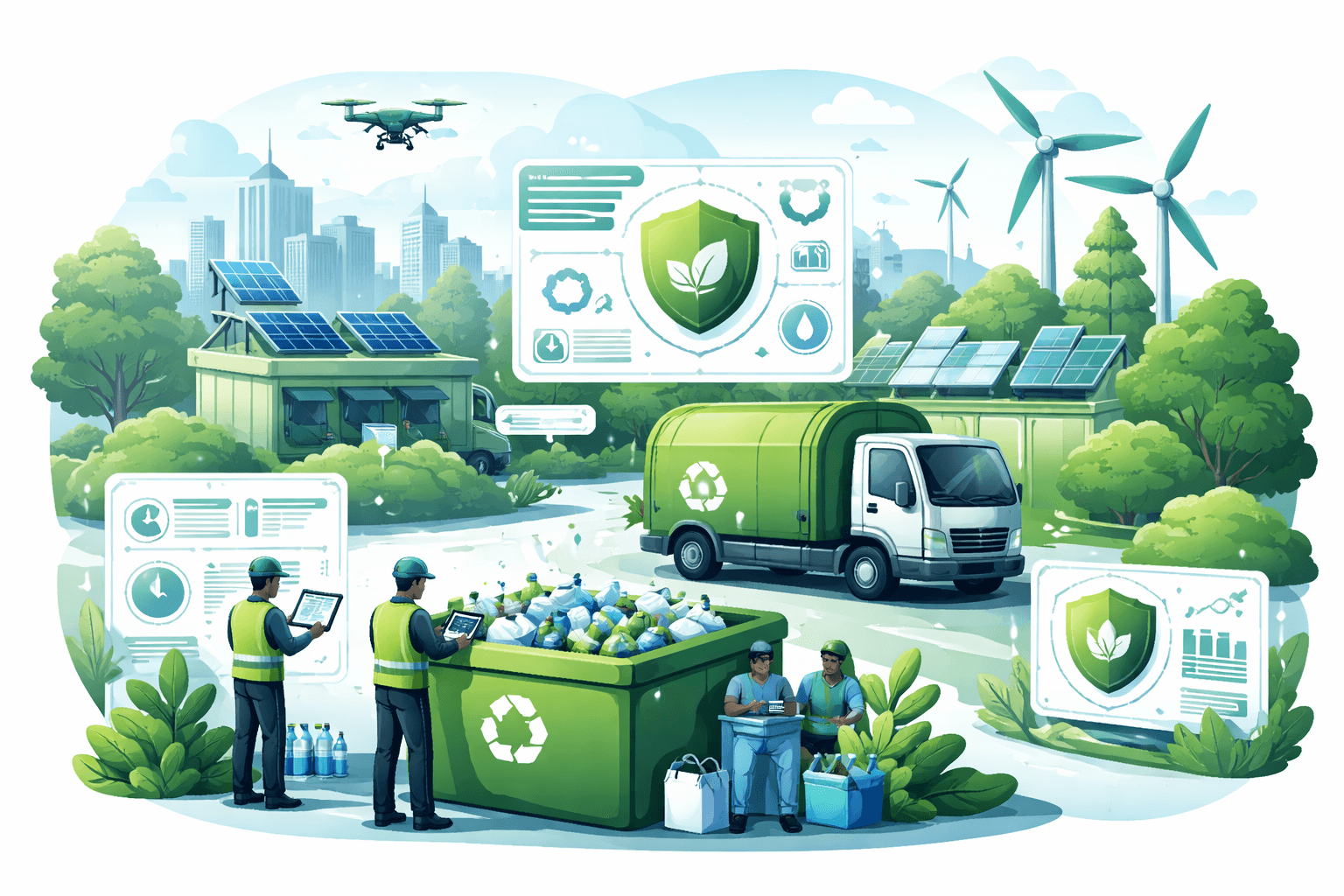
Safer recycling methods are not just about environmental benefits—they are essential for protecting workers, facilities, and first responders. Mis-sorted batteries, aerosols, and chemicals now cause hundreds of fires at materials recovery facilities (MRFs) each year, with lithium-ion cells a leading culprit, according to industry fire tracking and waste associations in North America and Europe. The UK Environmental Services Association estimates that around 48% of waste fires in the UK are caused by mismanaged lithium-ion batteries. In the U.S., The Recycling Partnership reports average contamination levels of 17% in single-stream recycling programs—an inefficiency that increases costs and exposes workers to hazards. This guide lays out evidence-based, practical steps for households, businesses, and municipalities to implement safer recycling methods today.
1) Safe handling, storage, and transport of risky recyclables
Certain items become hazardous when crushed, compacted, heated, or mixed with other materials in recycling trucks and MRFs. Focus on prevention and preparation.
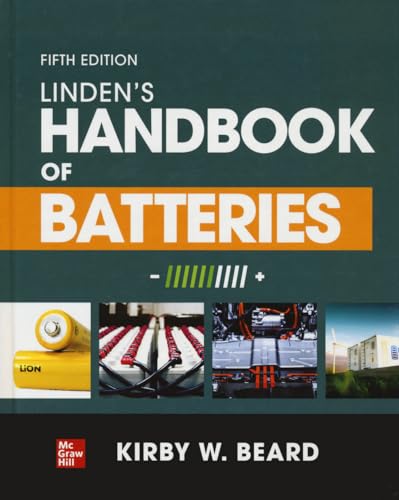
Linden's Handbook of Batteries, Fifth Edition: Beard, Kirby W.
A founder and executive of several technology companies, he has taught environmental engineering and engineering design courses at Drexel and Penn State universities. Editor Emeritus Thomas B. Reddy,
Check Price on AmazonKnow your risk categories
- Batteries (lithium-ion, lithium metal, lead-acid, nickel-cadmium): short-circuit and thermal runaway risks. Damaged, defective, or recalled (DDR) batteries are especially hazardous.
- Pressurized containers (aerosols, small propane/butane cylinders): explosion and fire risk if not completely empty.
- Paints and solvents: many are flammable; oil-based paints and most solvents are household hazardous waste (HHW).
- Sharps (needles, lancets): puncture/infection risk to collection and sorting workers.
- Corrosives and toxics (cleaners, pool chemicals, pesticides, automotive fluids, mercury devices): chemical burn and toxic exposure risks.
PPE and workspace
- Minimum for handling HHW: chemical-resistant gloves (nitrile), eye protection, and closed-toe shoes. Use long sleeves and consider an apron for liquids. OSHA requires a basic hazard assessment before selecting PPE (29 CFR 1910.132).
- Work in a well-ventilated area, away from flames or heat sources. Do not smoke near aerosols, fuels, or solvents.
Containment and labeling
- Keep materials in their original, labeled containers whenever possible. Never mix unknowns or different chemicals.
- For leaking containers, overpack in a secondary, non-reactive container (polyethylene bucket) with absorbent (vermiculite, kitty litter). Clearly label the outer container with the contents (e.g., “Leaking acetone nail polish remover—flammable”).
- Store flammables and aerosols in a cool, dry place, out of direct sun, and away from ignition sources. Keep incompatible chemicals separated (e.g., acids away from bases and oxidizers). Refer to NFPA 30 (flammable and combustible liquids) and NFPA 400 (hazardous materials) principles for segregation.
Battery-specific storage and transport
- Before drop-off: tape over battery terminals (especially lithium-ion, lithium metal, and 9-volt) with non-conductive tape, or place each battery in its own plastic bag. This prevents short circuits.
- Store batteries in a non-metal container lined with sand or vermiculite, away from heat. Do not crush, pierce, or compact.
- If a device or battery smokes, hisses, or swells, move it to a fire-safe area outdoors if safe to do so, and call emergency services. For lithium-ion cells, copious water can cool and control thermal runaway; Class D extinguishers are for lithium-metal fires. Follow NFPA guidance; do not attempt to dissect or smother with limited water.
- Never place any battery in curbside recycling or trash unless local guidance explicitly allows it (some small alkaline cells in some municipalities). Use designated drop-off or mail-back programs.

Scotch 3M Super 33+ Vinyl Electrical Tape, .75-Inch x 66-Foot, Pack of 10 Rolls, Insulates and Protects Against Abrasion and Moisture, Protective Jacketing up to 600V Splice Insulation (6132-BA-10) : Industrial & Scientific
View on AmazonAerosols, paint, and solvents
- Aerosols: Only fully empty cans belong in curbside recycling where accepted. If any propellant or product remains (can still sprays or feels heavy), treat as HHW. Do not puncture at home.
- Paint: Latex (water-based) paint can often be dried and disposed of as solid waste where allowed; oil-based paint is HHW. PaintCare, where available, offers drop-off sites for leftover paint in participating states.
- Solvents/fuels: Keep in original containers with intact labels and tight caps. Transport in a box to prevent tipping.
Sharps and medical waste
- Use an FDA-cleared sharps container. If unavailable, a heavy-duty plastic container (e.g., laundry detergent bottle) with a tight, puncture-resistant lid can substitute. Label “Do Not Recycle – Sharps.” Never place sharps in curbside recycling.
- Use approved drop-off, pharmacy, or mail-back programs. Follow state/local rules; some prohibit sharps in household trash.
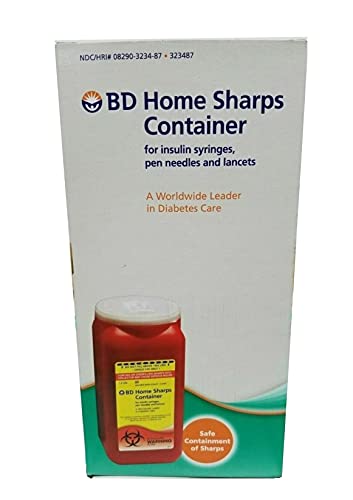
BD Home Sharps Container 1.4 qt/Each - 2 Pack
View on AmazonMailing and shipping
- Follow program instructions precisely. The USPS and private carriers prohibit shipping damaged/defective lithium batteries and restrict quantities and packaging (USPS Publication 52; DOT PHMSA hazardous materials rules). Do not improvise—use program-provided kits.
2) Contamination prevention that protects workers and recycling quality
Small prep steps at home reduce worker exposure to mold, sharps, and residual chemicals—and they prevent fires and equipment jams.
Do this every time
- Empty, scrape, and quick-rinse food and beverage containers. A 5–10 second rinse using leftover dishwater is usually sufficient to prevent odors and pests.
- Let containers drain; minor moisture is okay, but no free liquids.
- Keep recyclables loose—never bag them. Bags jam sorting equipment and hide hazards.
- “Caps on” is now preferred for most plastic bottles and jugs because caps are recoverable when reattached. If local guidance differs, follow that.
- Flatten cardboard; remove plastic wrap and strapping.
Avoid these high-risk mistakes
- No batteries, electronics, or cords in curbside bins. “Tanglers” (hoses, ropes, string lights) can injure workers and damage machinery.
- No pressurized containers unless verified empty. Propane cylinders and partially used aerosols cause explosions in MRFs.
- No chemicals, pool supplies, pesticides, mercury thermometers, or fluorescent lamps in curbside recycling.
- No food-soiled paper beyond what your program accepts. Greasy pizza boxes may be OK if the effort is to remove the liner and clean half—check local rules.
According to The Recycling Partnership, average contamination in U.S. single-stream programs is about 17%, costing cities millions in extra processing and disposal while elevating safety risks. Learn more practical do’s and don’ts in our guide: How to Recycle Effectively: Practical Guidance to Reduce Waste and Avoid Contamination.
By the numbers: why safer recycling methods matter
- 48%: Share of UK waste fires linked to lithium-ion batteries (Environmental Services Association, 2021)
- 3 billion: Estimated dry-cell batteries purchased annually in the U.S. (U.S. EPA)
- 17%: Average contamination rate in U.S. single-stream recycling (The Recycling Partnership)
- Thousands: Annual worker injuries in waste and recycling collection/processing; solid waste collection regularly ranks among the most dangerous U.S. jobs (BLS)
3) Identifying and routing hazardous or hard‑to‑recycle items
Recognize the labels and symbols
- GHS pictograms: flame (flammable), skull and crossbones (acute toxicity), corrosion, oxidizer, gas cylinder. Treat these as HHW.
- Crossed-out wheeled bin: do not discard with household waste (common on electronics and batteries in regions following the WEEE Directive).
- Battery chemistries: lithium-ion (Li-ion), lithium metal, NiMH, NiCd, and lead-acid are typically recycle-only via drop-off programs.
Prepare for drop-off or mail-back
- Keep items in original containers with labels intact. If unlabeled, do not guess—mark “Unknown household chemical” for HHW events.
- Consolidate small quantities into a sturdy box with absorbent padding; separate incompatible items (e.g., oxidizers away from fuels) in different boxes.
- Batteries: tape terminals or bag individually. Devices with embedded batteries should go to e-waste drop-offs—do not attempt to remove glued-in cells unless guided by the program.
- Sharps: seal containers before transport; never overfill (fill to 3/4, then close and tape shut if using a non-FDA container).
Know your local options
- HHW programs: Cities/counties often host periodic events or maintain permanent facilities for chemicals, oil, pesticides, fluorescent lamps, and mercury devices.
- Producer take-back: PaintCare (in participating states), retail drop-offs for rechargeable batteries, light bulbs, and printer cartridges, and automotive retailers for lead-acid batteries and used oil.
- Mail-back: Common for sharps, small electronics, and certain batteries—especially for rural areas or when handling DDR lithium batteries under program-specific rules.
Compliance tip: Many states ban certain HHW from landfills; check your municipality or state environmental agency for legal requirements. When in doubt, choose the safer path—treat the item as HHW and seek guidance.
4) E‑waste and battery‑specific safety steps
Electronics recycling prevents toxic metals and lithium-ion cells from entering the waste stream, but adds privacy and fire-safety considerations.
Data protection: wipe before you recycle
- Follow NIST SP 800-88 Rev. 1 (data sanitization). For phones and tablets: enable full-disk encryption (often on by default), sign out of accounts, then factory reset. Remove SIM and SD cards.
- For computers and drives: use a reputable wiping tool that meets NIST 800-88 “Clear” or “Purge” standards. For SSDs, use device-native cryptographic erase if available.
- Keep a record: note serial numbers and recycling receipts.
De-energizing and safe prep
- Power down and, if removable, take out batteries. Store devices at room temperature; avoid leaving in hot cars or in direct sun.
- For loose lithium-ion batteries: leave 30–60% state of charge for longer storage; keep terminals taped and separated.
- Do not dismantle swollen or damaged devices. Place in a fire-resistant container with sand, isolate, and contact an e-waste/battery program that accepts DDR items.
Choose certified recyclers
- e‑Stewards (Basel Action Network): Requires robust environmental, health and safety (EHS) controls, bans export of hazardous e‑waste to developing countries, and prohibits prison labor.
- R2v3 (Sustainable Electronics Recycling International, SERI): Emphasizes data security, EHS, downstream due diligence, and quality controls for safe processing and materials recovery.
- Ask recyclers about certifications, downstream vendors, and worker protections (respirators, ventilation, fire suppression, thermal monitoring).
If you’re dealing with solar panels, inverters, or balance-of-system electronics, see our deep dive on end‑of‑life options: What Happens to Solar Panels at End of Life? Recycling, Reuse & Disposal.
5) Safer recycling technologies, workplace standards, and community solutions
The safety of recycling systems depends on technology, training, and policy working together.
Technology upgrades that cut risk
- Advanced sorting: Near-infrared (NIR) optics, machine vision, and AI-powered robots remove non-conforming items (including visible batteries and propane cylinders) before they reach size-reduction equipment.
- Early fire detection: Thermal imaging cameras, gas/smoke sensors, and spark detection tied to automatic deluge systems provide rapid suppression.
- Battery recycling methods: Hydrometallurgical processes (liquid-phase leaching and recovery) operate at lower temperatures than pyrometallurgical smelting, reducing fire and gas risks while recovering high shares of nickel, cobalt, and lithium. Research from the U.S. DOE’s ReCell Center reports recovery efficiencies of >90% for key metals in optimized hydromet systems.
- Plastics and fiber safety: Enclosed conveyors, dust collection, and explosion protection reduce combustible dust hazards; automated bailing reduces manual contact with contaminated material.
Workplace and process standards
- OSHA 29 CFR 1910: PPE, hazard communication (HazCom), lockout/tagout, and respiratory protection standards apply to MRFs and e‑waste facilities.
- NFPA 70E: Electrical safety for energized work in sorting and e‑waste disassembly.
- NFPA 855: Energy storage system safety—useful for facilities handling bulk batteries.
- ISO 14001 (environmental management) and ISO 45001 (occupational health & safety): Management frameworks that structure continuous improvement and risk reduction.
- Industry guidance: Institute of Scrap Recycling Industries (ISRI) safety handbooks and the Solid Waste Association of North America (SWANA) best practices on fire prevention and response.
Policy levers that make systems safer
- Extended Producer Responsibility (EPR) for packaging, paint, mattresses, and batteries funds safer collection infrastructure and education. U.S. states (e.g., Maine, Oregon, California) and several Canadian provinces and EU countries have enacted variants.
- Battery regulations: The EU’s new Battery Regulation (2023/1542) sets collection, safety, and recycled-content requirements, pushing safer design and end-of-life handling—signals that similar policies may expand elsewhere.
- Right-to-repair and design-for-disassembly policies reduce breakage and unsafe at-home device tampering by making professional battery replacement accessible.
What households, businesses, and cities can do now
- Households: Create a “do not bin” box for batteries, electronics, aerosols, and chemicals; schedule periodic HHW drop-offs; teach kids and guests the rules posted on your bin; never bag recyclables. For broader daily tips, see Everyday Sustainable Living: Practical Tips to Save Money, Reduce Waste, and Lower Your Carbon Footprint.
- Businesses: Conduct a waste and hazard assessment; train staff on segregation; stage labeled collection points (batteries, e‑waste, aerosols); maintain spill kits and documented emergency procedures; contract with certified recyclers (e‑Stewards/R2v3).
- Municipalities: Invest in public education (“recycle right” campaigns), battery-specific collection (retail drop boxes, fire-safe kiosks), and MRF safety tech (thermal cameras, suppression). Consider local ordinances that require battery and HHW drop-off information at point of sale.
Supporting companies that design out waste and build safe take-back programs accelerates change. Explore how leading firms are advancing safer circular systems in Circular Economy Leaders: How Companies Are Eliminating Waste.
Quick reference: safer routing for common tricky items
- Lithium-ion batteries and devices: Tape terminals; bag individually; take to retailer, HHW, or mail-back. Never put in curbside bins.
- Alkaline batteries: Drop-off where available; some regions allow trash. Follow local guidance.
- Car/lead-acid batteries: Return to automotive retailer or HHW; credit often offered; keep upright.
- Aerosols: Fully empty only in curbside where accepted; otherwise HHW.
- Propane/butane cylinders: Exchange or HHW; specialty scrap programs only.
- Oil-based paint/solvents: HHW. Latex paint: dry and trash (where allowed) or PaintCare drop-off.
- Sharps: FDA container; pharmacy, clinic, or mail-back; never curbside recycling or loose trash.
- Mercury lamps/thermometers: HHW or retail take-back; transport intact, padded.
- Electronics: Wipe data; choose e‑Stewards/R2v3 recycler; separate cords and accessories.
Where safer recycling methods are heading
The next five years will bring safer chemistries (e.g., lithium iron phosphate batteries with lower fire propensity), more embedded identification (digital product passports), and widespread use of AI vision to spot and remove hazards before they spark. EPR policies are expanding globally, directing funding toward battery collection, HHW services, and facility safety upgrades. Hydrometallurgical battery recycling is scaling, with plants targeting recovery efficiencies above 90% for critical metals while reducing emissions versus high-temperature smelting. For consumers, clearer on-product labels and retailer drop-off networks will make the safe choice the easy choice.
The core actions don’t change: keep hazards out of curbside bins, prep containers to reduce contamination, and use certified collection and recycling pathways. Those simple habits—done consistently—protect workers, prevent facility fires, cut costs, and deliver the environmental benefits recycling was designed to achieve.
Recommended Products
Linden's Handbook of Batteries, Fifth Edition: Beard, Kirby W.
A founder and executive of several technology companies, he has taught environmental engineering and engineering design courses at Drexel and Penn State universities. Editor Emeritus Thomas B. Reddy,
Scotch 3M Super 33+ Vinyl Electrical Tape, .75-Inch x 66-Foot, Pack of 10 Rolls, Insulates and Protects Against Abrasion and Moisture, Protective Jacketing up to 600V Splice Insulation (6132-BA-10) : Industrial & Scientific
Amazon.com: Scotch 3M Super 33+ Vinyl Electrical Tape, .75-Inch x 66-Foot, Pack of 10 Rolls, <strong>Insulates and Protects Against Abrasion and Moisture, Protective Jacketing up to 600V Splice Insula
BD Home Sharps Container 1.4 qt/Each - 2 Pack
Designed to hold both insulin syringes and pen needles, the bdtm home sharps container is a leak-proof and puncture-resistant container for safe, convenient disposal of used sharps. It has a <strong>p
More in Sustainability Policy
- How to Recycle Electronics: A Practical Guide to Safe, Responsible E‑Waste Disposal
- How to Recycle Effectively: Practical Guidance to Reduce Waste and Avoid Contamination
- How to Recycle at Home: Practical Steps, What Belongs Where, and Easy Systems to Reduce Waste
- How to Recycle Waste Effectively: Practical Guidance to Reduce Contamination and Maximize Recovery