
Practical Recycling Program Ideas for Schools: Starter Concepts, Logistics, and Long-Term Success
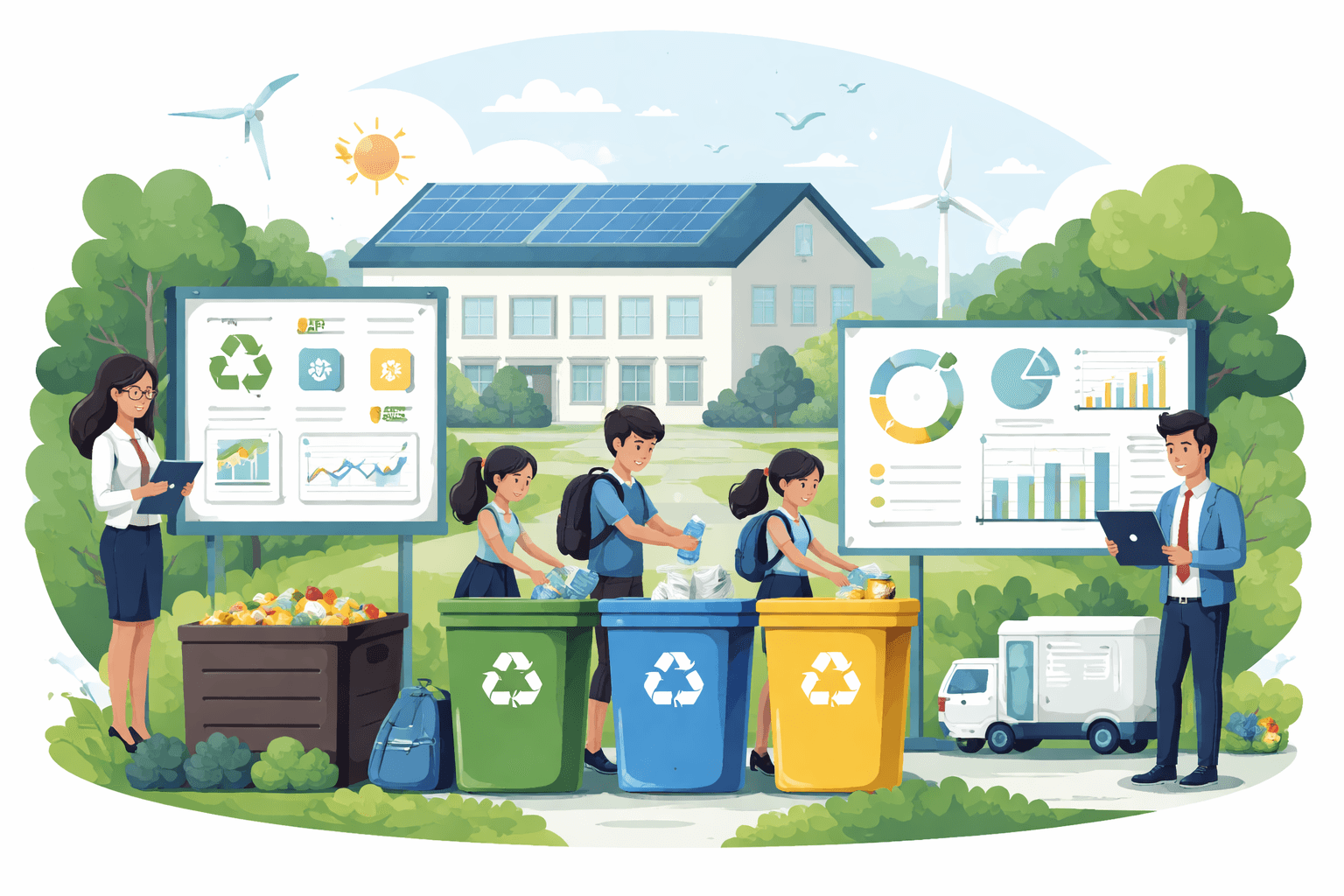
Schools are uniquely positioned to turn recycling into hands-on learning and measurable climate action. The right recycling program ideas for schools can cut disposal costs, reduce landfill-bound waste, and build student leadership. CalRecycle’s statewide characterization of K–12 waste found that more than 75% of school discards are recyclable or compostable materials when programs are set up well, with food scraps and paper as the largest streams. Meanwhile, the U.S. EPA reports America’s overall municipal recycling rate hovers near 32%—a gap that education can close on campus.
By the numbers: why school recycling matters
- 75%+ of school waste is recoverable through recycling or composting (CalRecycle, K–12 waste characterization).
- 32% U.S. municipal recycling rate (U.S. EPA, Facts and Figures about Materials, Waste and Recycling).
- 53.6 million metric tons of e-waste generated globally in 2019; only 17.4% was documented as properly collected and recycled (UN Global E-waste Monitor 2020).
- Beverage container redemption rates in U.S. “bottle bill” states average well above non-deposit states; programs with a 10-cent deposit, like Oregon, exceed 80% returns (Container Recycling Institute; state program data).
- Average curbside contamination in U.S. recycling is ~17% by weight; clear labels, color-coding, and co-located bins can cut errors significantly (The Recycling Partnership; program evaluations).
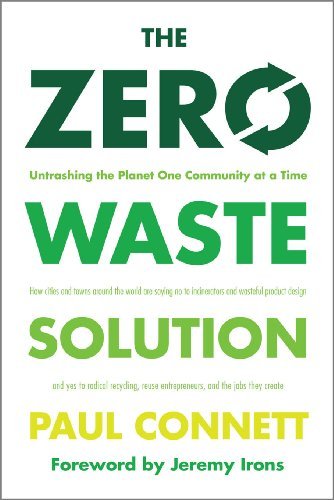
The Zero Waste Solution: Untrashing the Planet One Community at a Time: Connett Ph.D., Paul, Irons, Jeremy
"The Zero Waste Solution is <strong>for all those concerned about humanity's health and environment</strong>. Essential reading for anyone fighting landfills, incineration, overpackaging, an
Check Price on AmazonCore goals and benefits of school recycling programs
Well-structured programs do more than sort materials—they align environmental impact, cost, learning, and community engagement.
- Environmental impact: Divert high-volume materials like paper, cardboard, bottles/cans, and food scraps. Reduced methane from landfilled organics is a fast climate win.
- Cost savings: Increasing recycling/composting can allow fewer trash pickups or smaller dumpsters. Districts report measurable savings when they right-size trash service and expand diversion, especially where recycling or organics service is cheaper than landfill.
- Hands-on learning: Recycling and composting reinforce science standards (systems, life cycles, carbon cycles) and math (measurement, data analysis). Student teams learn project management and communication.
- Student leadership: Green teams lead audits, design signage, and run campaigns—translating civic participation and STEM into daily practice.
- Community engagement: Family take-back events (e-waste, textiles) and deposit drives connect schools to local recyclers and nonprofits, building partnerships and visibility.
Recycling program ideas for schools: age-appropriate and scalable
Use this menu to build from classroom pilots to whole-campus systems. Start with one or two quick wins, then expand.
Classroom-level
- Color-coded, co-located stations: Place matched bins for paper, mixed recyclables, and landfill waste at the same spot, with clear item photos. Younger grades benefit from picture-heavy labels and simple categories.
- Paper capture and reuse: Place a “clean scrap” tray for single-sided paper; bind into scratch pads. Reduce new paper orders by tracking reuse.
- Upcycling maker projects: Turn cereal boxes into organizers, plastic bottles into planters, or fabric scraps into bookmarks. Integrate design thinking: define the problem (waste), prototype, test, and present.
- Mini audits as lessons: Weigh a day’s classroom waste and chart improvements weekly; connect to fractions and graphing.
Hallways and common spaces
- High-visibility sorting hubs: Install three-stream stations (recycling, compost/organics where available, landfill) near entrances and copier rooms. Use consistent colors schoolwide.
- Bottle-filling stations and reusable culture: Add counters to bottle fillers to visualize single-use plastic avoided. Pair with water bottle check-out for students who forget theirs.
- Battery drop boxes (staff-supervised): Place in secure areas to collect household batteries for periodic vendor pickup; never in student-accessible unsupervised locations.
Cafeteria
- “Stop, Sort, Share” lines: Set up sequenced stations—liquids dump, recycling, compost, landfill—with student helpers guiding peers. If permitted, “share tables” let unopened items be reoffered or donated following local health rules.
- Back-of-house organics: Capture prep scraps for compost or digester programs. Train food service staff on separation and storage.
- Reusables where feasible: Pilot durable trays and utensils. Where disposables persist, choose fiber-based items compatible with your compost program.
Campus-wide and community
- Bottle/can deposit drives: In deposit states, student-led redemption drives can fund green projects and boost local recycling. For non-deposit areas, partner with a materials recovery facility (MRF) or scrap buyer for aluminum.
- E-waste collection days: Host quarterly events with a certified e-waste recycler; collect old phones, laptops, and small electronics from families. See our practical e-waste guide for acceptable items and vendor vetting: How to Recycle Electronics: A Practical Guide to Safe, Responsible E‑Waste Disposal.
- Textile and shoe take-backs: Partner with nonprofits that refurbish or recycle clothing; schedule around locker clean-out days.
- Green clubs and competitions: Launch inter-class challenges (most improved contamination rate, highest compost capture). Recognize top classes monthly.
- Upcycling fairs and swap events: Student artisans sell or trade upcycled goods; teach repair skills for backpacks, bikes, and small items.
Link ideas to age groups
- Elementary: Picture-based signage, simple two- or three-bin setups, upcycling crafts, student helper badges, mascot-themed reminders.
- Middle: STEM data projects, peer-to-peer training videos, design of bin wraps and posters, cafeteria sorting leadership.
- High: Waste audits with sampling methodology, vendor selection research, budget modeling, life-cycle analysis, and district policy proposals.
Implementation: planning, partners, equipment, and funding
Successful programs are planned like any school initiative: define scope, assign roles, pilot, measure, then scale.
Step-by-step planning
- Form a green team: Include a lead teacher, 2–4 students per grade band, a custodian/operations lead, a food service rep, and an administrator.
- Baseline audit: Over one week, record the number of bags, approximate fullness, and any available weight tickets from haulers. Note where contamination is most common.
- Define goals: Example targets—cut landfill bags by 30% in one semester; reduce recycling contamination below 10%; collect 500 lbs of organics monthly.
- Select streams: At minimum, paper/cardboard and mixed containers. Add organics if your hauler or a local composter accepts it.
- Map bin locations: Co-locate bins everywhere; no standalone trash cans. Cover every classroom, hallway intersection, and cafeteria.
- Procure bins and labels: Standardize colors (e.g., blue recycling, green organics, black/gray landfill). Use lid openings that match materials (slots for paper, circles for bottles).
- Train and launch: Run short demos for students and staff. Stage lunchtime ambassadors for the first two weeks.
- Monitor and adjust: Check stations daily initially; swap confusing labels; right-size service levels based on fullness.
- Report and celebrate: Share quick wins in assemblies and newsletters; post diversion charts.
- Scale and formalize: Add streams, expand to athletics and events, write procedures into operations handbooks.
Stakeholder roles
- Students: Lead audits, design signage, staff sorting stations, run announcements and social posts, track data, and present to the school board.
- Teachers: Integrate lessons, schedule audit time, host in-class bins, and coordinate grade-level competitions.
- Custodial/operations staff: Advise on workable routes, set collection schedules, ensure liners and carts are available, and coordinate with haulers.
- Food service: Separate back-of-house organics, adjust packaging choices, and set up share tables following local health guidance.
- Administrators: Approve budget and vendor contracts, allocate staff hours, align with district policy, and communicate with families.
- Families and community: Participate in take-back days and donation drives; volunteer at events; help secure local sponsors.
Materials and equipment checklist
- Bins: Three-stream stations (interior), toters/carts (back-of-house), and exterior containers with locking lids.
- Labels and signage: Color-coded with photos of actual local materials. Include a QR code linking to a 60-second “how to sort” video.
- Liners: Distinct colors per stream to avoid mix-ups.
- Scales: Hanging or floor scales for sample weighs during audits.
- Collection tools: Dollies, grabbers, gloves, eye protection; separate tools for each stream.
- Storage: Clean, ventilated area for recyclables and organics away from traffic; pest-proof containers for food scraps.
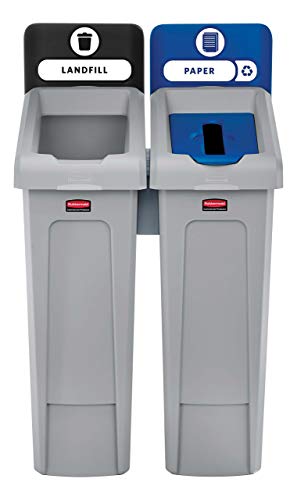
Rubbermaid Commercial Products SLIM JIM Recycling Station 1-Stream Bottles/Cans Bin/Can/Kit/Station, 23 GAL, for Kitchens/Classrooms/Offices/Back of House/Higher Education/Commercial Facilities: Amazon.com: Industrial & Scientific
View on AmazonFor labeling best practices and contamination reduction, see: How to Recycle Waste Effectively: Practical Guidance to Reduce Contamination and Maximize Recovery.
Selecting local recyclers and vendors
- Hauler coordination: Confirm accepted materials, preparation rules (e.g., empty and dry containers), and contamination thresholds. Ask for monthly tonnage or service reports if available.
- Organics options: If municipal organics aren’t available, explore farm partners, community composters, or anaerobic digestion facilities. Verify they accept post-consumer food waste and compostable serviceware, if used.
- E-waste vendors: Choose R2- or e-Stewards–certified recyclers to ensure data security and responsible downstream processing. Align collection days with report cards or parent–teacher nights for high turnout. Reference our e-waste guide above for vetting steps.
- Special materials: Batteries, fluorescent lamps, art/chemistry lab residues, and printer cartridges need approved outlets and secure storage procedures.
Funding and grants
- District budgets: Right-sizing trash service after diversion can free funds to pay for bins and labels.
- Mini-grants: Many state environmental agencies, solid waste districts, and local utilities fund school recycling and compost pilots.
- Beverage/container industry grants: Programs often supply bins or signage for bottle/can recovery.
- PTO/booster support: Seed funding for sorting stations, scales, or signage.
- Revenue: Modest returns from aluminum cans or deposit containers can fund student projects.
For program design, market awareness, and measurement ideas specific to plastics, see: Plastic Recycling Program Guide: Practical Planning, Operations, Markets, and Measurement.
If you plan a campus or community collection event, this resource can help: Practical Tips for Organizing a Successful Community Recycling Drive.
Measurement and behavior change that sustains success
Data makes progress visible—and keeps participation high.
Set targets and define metrics
- Diversion rate: Recyclables + organics divided by total waste. Track monthly.
- Contamination rate: Visual checks or periodic sorting samples to estimate the percentage of non-accepted material in each stream.
- Capture rates by location: Compare cafeteria vs. classroom stations to target education.
- Financial metrics: Track trash pickups per week and container sizes before vs. after program changes.
Simple tracking methods
- Tonnage from haulers: Ask for monthly weight reports per stream. If unavailable, estimate by weighing a representative bag or cart and multiplying by counts.
- Volume-based proxies: Record bin fullness (%) and bag counts daily for the first month; convert to weights periodically to calibrate.
- Event logs: For special drives (e-waste, bottles), record item counts or total weight at drop-off.
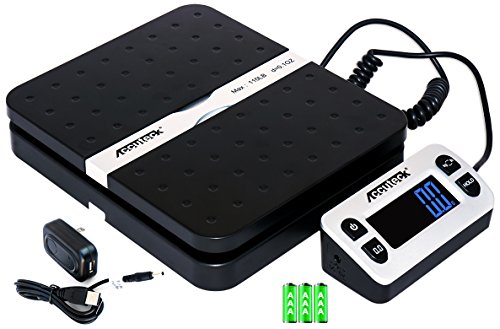
ACCUTECK ShipPro 110lbs x 0.1 oz. Digital Shipping ...
View on AmazonMake sorting easy and visible
- Standardize everywhere: The same colors, labels, and lids schoolwide reduce errors.
- Put bins where decisions happen: Next to printers, vending machines, and cafeteria exits.
- Student ambassadors: Station trained students at sorting lines during the first two weeks of launch and after long breaks.
- Micro-messages: Morning announcements, short videos, and hallway posters with “this-not-that” examples for the top five confusing items.
- Nudge design: Restrict landfill bin openings and place liquids-dump stations before recycling to avoid soggy paper and sticky cans.
Incentives and recognition
- Classroom leaderboards: Post monthly diversion gains or contamination reductions.
- Badges and privileges: “Green week” perks for winning classes; certificates for student sort captains.
- Public dashboards: Display cumulative pounds diverted; celebrate milestones like “1 ton recycled.”
Reporting results and feedback loops
- Monthly scorecards: Share with staff, students, and families—what’s going well, what needs work, and one behavior to focus on next month.
- Data to budget: Use diversion and right-sizing results to justify purchases of durable wares or expanded organics service.
- Student presentations: Green teams present to the school board or PTA with charts and photos; propose next steps.
For safe operations tips that protect people and property while you scale, see: Safer Recycling Methods: Practical Steps to Protect People, Property, and the Planet.
Safety, legal, and long-term considerations
A durable program anticipates contamination, hazardous materials, local rules, and policy alignment.
Contamination prevention and quality control
- Keep it clean and dry: Empty liquids before recycling; minimize food residue.
- Train on the top five errors: Plastic bags in the recycling, food-soiled paper, straws/utensils, coffee cups with plastic linings (if not accepted), and batteries/cords.
- Custodial checks: Quick daily scans for obvious contamination; flag problem areas for targeted education.
- Adjust materials: If a specific item repeatedly contaminates streams, substitute with an accepted alternative or eliminate it.
Hazardous and electronic waste handling
- E-waste: Collect only with a vetted vendor; secure data-bearing devices; no student access to storage rooms.
- Batteries and lamps: Store in labeled, closed containers; keep away from heat sources; follow fire code and local hazardous waste guidance.
- Chemicals and art supplies: Maintain inventories; use safer substitutions; dispose via district-approved hazardous waste programs, never in regular trash or recycling.
Local regulations and contracts
- Accept lists vary: Confirm with your hauler what is accepted in mixed recycling and organics. Rules can differ even within a county.
- Contract terms: Seek contamination thresholds, contamination fees, weight reporting, and service change policies in writing.
- Food recovery hierarchy: Follow the U.S. EPA’s food recovery hierarchy—prevent, rescue, then compost—to prioritize edible food donation where legal and practical.
Procurement and policy alignment
- Buy recycled-content: Specify post-consumer recycled (PCR) content for paper, tissue, and trash/recycling liners to support end markets.
- Reduce upstream waste: Phase out single-use items where possible. Pilot durable serviceware in the cafeteria when staffing and dishwashing capacity allow.
- Curriculum integration: Map activities to standards (NGSS for science, math data skills, civics). Turn audits and reporting into graded projects.
- Institutionalize roles: Add recycling and organics procedures to staff handbooks and custodial routes; build green team leadership into club rosters and stipends.
- Orientation and turnover planning: Train new students and staff annually; refresh signage before each school year.
Practical scenarios: starter roadmaps for different school contexts
- Elementary without organics service: Launch paper/cardboard and bottles/cans in classrooms and hallways; use student helpers; run a spring bottle/can drive to fund more bins.
- Middle school with organics pickup: Implement full cafeteria sorting with “share table”; add classroom organics only where feasible (e.g., snack areas); measure and report monthly.
- High school campus with vocational programs: Enlist shop classes to build bin stations; media students produce sorting PSAs; business classes model cost savings; host quarterly e-waste and textile drives.
What this means for administrators and facilities teams
- Budget: Expect modest initial costs for bins and labels; offset via right-sized trash service and grants. Request weight reports to quantify savings.
- Operations: Co-locate bins and standardize colors to simplify custodial routes. Use lids and signage that match your hauler’s specs.
- Risk management: Separate hazardous streams and train staff; keep e-waste secure; document procedures.
- Community relations: Use drives and take-back events to engage families; publish results to showcase stewardship.
Where this is heading
Cities and states are expanding organics laws and producer responsibility policies, while MRFs increasingly rely on cleaner inbound material to meet recycled-content demand. Schools that standardize signage, integrate student leadership, and negotiate reporting with haulers will be better positioned to comply and to teach real-world sustainability. As data sharing improves, expect more districts to tie diversion metrics to budget decisions and climate goals—making today’s classroom sorting a foundation for tomorrow’s circular economy workforce.
Recommended Products
The Zero Waste Solution: Untrashing the Planet One Community at a Time: Connett Ph.D., Paul, Irons, Jeremy
"The Zero Waste Solution is <strong>for all those concerned about humanity's health and environment</strong>. Essential reading for anyone fighting landfills, incineration, overpackaging, an
Rubbermaid Commercial Products SLIM JIM Recycling Station 1-Stream Bottles/Cans Bin/Can/Kit/Station, 23 GAL, for Kitchens/Classrooms/Offices/Back of House/Higher Education/Commercial Facilities: Amazon.com: Industrial & Scientific
Rubbermaid Commercial Products SLIM JIM Recycling Station 3-Stream Landfill/Mixed Recycling/Compost Bin/Can/Kit/Station, 23 Gal, for Kitchen/Classroom/Office/Education/Commercial Facilities · Rubberma
ACCUTECK ShipPro 110lbs x 0.1 oz. Digital Shipping ...
Digital Shipping Scale,Stainless Steel Panel, Accurate Portable Postal Scale for Packages, Small Business,Kitchen, Food, Handmade, Liquids, and Boutique (Rose Gold Battery(5kg/1g)) · Accuteck 8880 Hig
More in Sustainability Policy
- Recycling Programs in Schools: A Practical Guide to Starting, Funding, and Measuring Success
- How to Set Up a Local Recycling Initiative: Practical Steps to Start, Run, and Sustain Community Recycling
- How to Recycle at Home: Practical Steps, What Belongs Where, and Easy Systems to Reduce Waste
- Practical Tips for Organizing a Successful Community Recycling Drive