
Wildlife Rehabilitation Resources: Find Help, Training, Legal Guidance, and Emergency Support
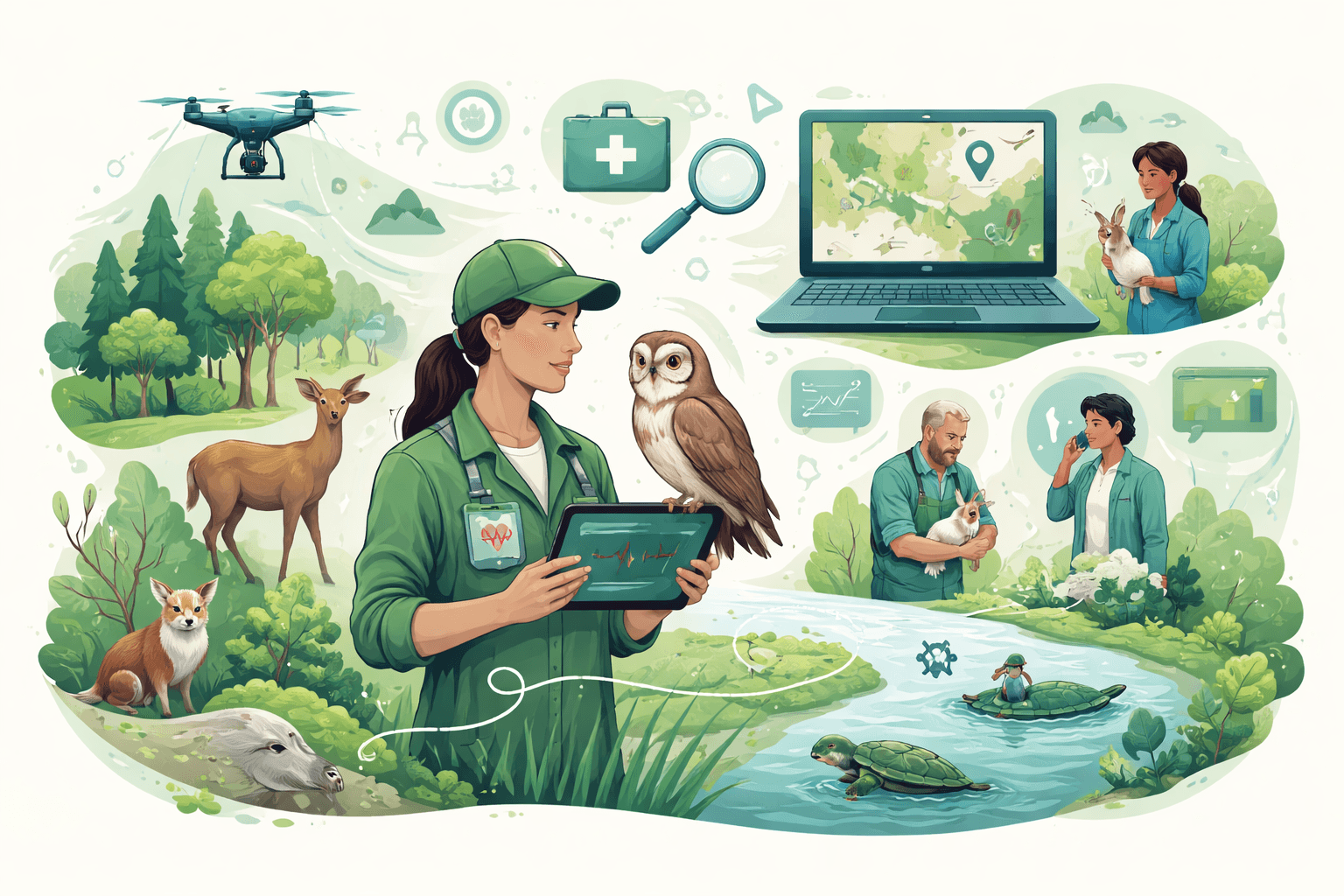
Wildlife rehabilitation resources can be the difference between a successful release and an avoidable tragedy. In the United States, more than 1,000 bird species are protected under the Migratory Bird Treaty Act (U.S. Fish & Wildlife Service), and federal laws like the Marine Mammal Protection Act and Endangered Species Act strictly limit how the public may interact with injured or orphaned wildlife. At the same time, more than 90% of reported animal rabies cases in the U.S. occur in wildlife (CDC), underscoring the need for trained, permitted responders. This guide pulls together the core wildlife rehabilitation resources people actually need: who to call, how to evaluate legitimacy, what immediate steps are safe, and where to find training, funding, and technology support.
What wildlife rehabilitators do—and what they don’t
Licensed wildlife rehabilitators are trained to stabilize, treat, and release injured, sick, or orphaned wild animals. They work under state/provincial permits (and often federal permits for migratory birds, raptors, marine mammals, or endangered species), follow medical protocols set with veterinary partners, and adhere to release criteria that prioritize animal welfare and ecological integrity.
Scope of practice
- Intake and triage: assessment, pain mitigation under veterinary direction, hydration/thermoregulation, wound stabilization.
- Husbandry and rearing: species-appropriate diets, enclosure design, and behavioral conditioning that avoid imprinting and habituation.
- Pre-release conditioning and soft release: flight conditioning for birds; predator awareness and foraging practice for mammals; acclimation to local climate and season.
- Recordkeeping and reporting: case logs for disease surveillance and compliance.
When to call wildlife agencies or veterinarians first
- Regulated species: marine mammals, sea turtles, and most native birds require immediate reporting to federal or state/provincial authorities; the public should not attempt handling. NOAA Fisheries advises staying at least 50 yards (45 m) from most marine mammals and 100 yards (90 m) from large whales.
- Public health risk: bats, raccoons, skunks, and foxes are rabies-vector species in North America (CDC). If there’s any bite or direct contact, call public health and seek medical advice immediately; do not handle.
- Oil or hazardous exposure: contact the appropriate oiled-wildlife hotline via your state or national environmental agency; specialized, permitted responders are required.
Species and permit restrictions (examples; always check local law)
- United States: Native birds are protected by the Migratory Bird Treaty Act; raptors also fall under federal raptor permits. Marine mammals are covered by the Marine Mammal Protection Act. Endangered species need federal authorization. Most states prohibit the public from keeping native wildlife, even temporarily, without a permit.
- Canada: The Migratory Birds Convention Act protects native birds; provinces regulate most terrestrial wildlife custody and rehabilitation.
- United Kingdom: The Wildlife and Countryside Act 1981 governs keeping and release; some species require additional licenses.
- Australia: Wildlife is state-regulated (e.g., NSW Biodiversity Conservation Act); carers must complete approved training and be authorized.
Release criteria and ethical boundaries
- Minimum Standards (IWRC/NWRA): animals must exhibit normal, species-typical behavior; self-feed; maintain appropriate weight/condition; be free of infectious disease; possess fully functional locomotion (e.g., sustained, maneuverable flight for birds); and be acclimated to local climate and season.
- Location: release near the site of origin when legal and ecologically appropriate to preserve natal habitat familiarity and local genetic integrity; translocation is restricted in many jurisdictions.
- Imprinting and habituation: prevent through limited human contact, conspecific cohorts, and proper visual/acoustic barriers. Habituated animals are often non-releasable.
- Euthanasia decisions: when severe, irreversible injury precludes a humane life in the wild, standards call for euthanasia under veterinary authority, with transparent documentation.
- Education or sanctuary placement: only under appropriate permits and welfare standards; non-releasable animals are not pets.
How to find and evaluate legitimate wildlife rehabilitation resources
Speed matters in wildlife emergencies, but so does due diligence. Use official directories and verified networks before calling social media numbers.
National and state/provincial directories and hotlines
- United States
- State wildlife agency lists: most state fish and wildlife departments publish current rosters of permitted rehabilitators. Search “wildlife rehabilitator list site:.gov” plus your state.
- Federal contacts: U.S. Fish & Wildlife Service (migratory birds, endangered species permitting); NOAA Fisheries Marine Mammal Stranding Network (24/7 hotline varies regionally; national line 877-767-9425 routes to local networks).
- Animal Help Now (AHNow): a nationwide app/web tool that routes wildlife emergencies to licensed rehabbers, shelters, and agencies based on GPS.
- Canada
- Provincial lists: Ontario’s Authorized Wildlife Custodians (MNRF); British Columbia’s permitted centres; Alberta Fish & Wildlife authorized facilities; Quebec’s Réseau de réhabilitation de la faune contacts. The Canadian Wildlife Health Cooperative (CWHC) supports disease reporting.
- United Kingdom
- RSPCA emergency line (England/Wales) and Scottish SPCA (Scotland) dispatch to wildlife centres and inspectors; many local councils list registered wildlife centres.
- Australia
- WIRES (NSW) 24/7 rescue line; state-based groups (Wildcare, Fauna Rescue SA, Wildlife Victoria) coordinate volunteers and licensed carers.
- United States
Identifying certified organizations and veterinary partners
- Look for membership or training credentials from the International Wildlife Rehabilitation Council (IWRC), National Wildlife Rehabilitators Association (NWRA), British Wildlife Rehabilitation Council (BWRC), or recognized state/provincial programs.
- Ask if a licensed veterinarian provides oversight, including access to diagnostics, analgesia, and anesthesia when indicated (AVMA guidelines).
- Confirm current permits for covered taxa (e.g., raptors, waterfowl, marine mammals) and facility authorization.
Contact templates you can use
- Phone: “I found a [species, life stage] at [location] at [time]. It appears [injured/orphaned/ill; describe signs]. There was/no direct contact with people or pets. My callback is [number]. Who is the nearest permitted rehabilitator or officer?”
- Email/text (to a centre): include clear photos (no handling for the photo), pin drop, observed hazards (cats, vehicles), and whether any first aid has been attempted (ideally none beyond containment and warmth).
Red flags for unlicensed or harmful operators
- Cannot produce a current permit number or refuses to name their issuing agency.
- Offers to sell, keep, or display native wildlife without appropriate education permits.
- Promises release regardless of injury severity, dismisses euthanasia outright, or proposes release “anywhere.”
- Requests large upfront “fees” for intake (reasonable donations are common; mandatory high charges are atypical).
- Operates solely through anonymous social media accounts, avoids veterinary oversight, or discourages contacting authorities.
Wildlife rehabilitation resources for immediate care and transport
Basic stabilization buys time for a professional handoff. Do only what is safe and legal, and transfer to permitted responders as quickly as possible.

The 'Original' SnuggleSafe Microwave Heat Pad for Pets
View on Amazon
RAPICCA Animal Handling Gloves Bite Proof Reinforced ...
View on Amazon
Wildlife Search and Rescue: A Guide for First Responders
... Living with Wildlife: How to Enjoy, Cope with, and Protect North America's Wild Creatures Around Your Home and Theirs ... “Wildlife Search and Rescue: A Guide for First Responders is <strong>
Check Price on AmazonSafety first: zoonoses and personal protection
- Do not handle bats, raccoons, skunks, or foxes due to rabies risk; if contact occurs, call public health immediately (CDC guidance).
- Wear gloves when handling any wildlife; add eye protection and a mask if there is a risk of splashes or dust (e.g., birds with suspected avian influenza—contact authorities; do not attempt to care for them).
- Keep children and pets away. Wash hands and disinfect surfaces after any contact.
Containment and transport basics
- Use a ventilated cardboard box or pet carrier lined with a towel. Keep the animal warm, dark, and quiet to reduce shock. Do not place in direct sun or in a closed, hot car.
- Provide gentle external heat for cold, lethargic animals (e.g., a warm water bottle wrapped in cloth under part of the box so the animal can move away). Avoid heat lamps and do not overheat.
- Minimize handling; avoid talking, music, or vibrations. Secure the container in a vehicle to prevent sliding.
Stabilization dos and don’ts
- Do: remove immediate hazards (traffic, predators) if it’s safe for you. Do: note the exact rescue location for site-appropriate release later.
- Don’t: feed or give fluids—aspiration and metabolic complications are common. Don’t attempt splinting, medication, or wing-taping.
- Don’t: attempt to raise young wildlife; many “rescues” are healthy juveniles with nearby parents (use a species-specific decision tree from credible organizations).
Species-specific notes (non-exhaustive; always defer to professionals)
- Birds: If a nestling (no/few feathers) has fallen, and you can safely return it to the original nest, do so; parents will not reject it because of human scent. Fledglings (fully feathered, short tail) often spend several days on the ground learning to fly—monitor from a distance and keep pets indoors unless the bird is injured.
- Marine mammals and sea turtles: Keep people and dogs away; do not push animals back into the water (NOAA Fisheries). Call the marine mammal/sea turtle stranding hotline immediately.
- Deer fawns, leverets (hares), and other hiding young: It’s normal for mothers to leave them hidden for hours. Unless injured or in imminent danger, observe from a distance before intervening.
When to stop and hand over to professionals
- Visible wounds, bleeding, fractures, or entanglement
- Obvious neurologic signs (circling, seizures), severe lethargy, or poisoning exposure
- Any marine mammal, raptor, or protected bird; any suspected rabies-vector species
For readers planning habitat-focused releases or looking to improve local conditions for wildlife after rehabilitation, see our practical guide to landscape-scale protection in Protecting Wildlife Habitats: A Practical Guide to Conservation, Technology, and Action (/sustainability-policy/protecting-wildlife-habitats-guide-conservation-technology-action).
By the numbers: wildlife rehabilitation at a glance
1,000: Migratory bird species protected under the U.S. Migratory Bird Treaty Act (U.S. Fish & Wildlife Service), requiring federal authorization for possession and rehabilitation.
- ≥90%: Share of reported animal rabies cases occurring in wildlife in the U.S. (CDC), highlighting the importance of trained responders and vaccination for professionals.
- 50–100 yards: Minimum recommended viewing distance for most marine mammals (50 yards) and large whales (100 yards) in U.S. waters (NOAA Fisheries).
- 40–60%: Typical proportion of admitted wildlife ultimately released, across multiple published reviews from North America and Europe (e.g., Molony et al., Biological Conservation; guidance from IWRC/NWRA). Release rates vary widely by species, injury type, and center capacity.
How to evaluate quality of care and outcomes
- Ask about standards: Do they follow IWRC/NWRA Minimum Standards for Wildlife Rehabilitation? Do they have written protocols for triage, pain management, infectious disease control, and release planning?
- Data transparency: Centers that track outcomes (admissions, causes, release rates) using standardized databases can identify patterns like window strikes or cat predation and tailor community prevention.
- Collaboration: Partnerships with licensed veterinarians, public health, universities, and land managers are positive signs.
- Humane decision-making: Capacity to provide timely euthanasia when recovery to wild function is unlikely is an ethical requirement, not a failure.
Training, funding, equipment, and technology resources
Building a resilient rehabilitation network requires people, tools, and stable funding. These wildlife rehabilitation resources can help individuals and organizations scale responsibly.
Training and certification
- International Wildlife Rehabilitation Council (IWRC): Foundational courses (e.g., Basic Wildlife Rehabilitation), pain management, nutrition, and wound care; certification pathways and peer-vetted resources.
- National Wildlife Rehabilitators Association (NWRA): Annual symposium, best-practice publications, and networking across North America.
- British Wildlife Rehabilitation Council (BWRC): UK-specific standards and training.
- Australia (state-based): WIRES (NSW) accredited courses; Wildlife Victoria induction and specialized species modules; similar programs in other states.
- Veterinary partners: Association of Avian Veterinarians (AAV) and wildlife-focused veterinary CPD; many jurisdictions require a vet-of-record for permit compliance.
Volunteer and internship pathways
- Local centers often host seasonal internships (baby season) and year-round volunteer roles: husbandry, transport, hotline support, data entry, and facilities.
- Students can seek placements via university wildlife medicine, ecology, or veterinary programs; consider for-credit options with clear learning objectives.
- To find reputable, nearby projects and community efforts—and understand how to vet opportunities—see Find and Join Conservation Projects Near You (/conservation/conservation-projects-near-me-guide).
Funding and donations
- Small grants are available from animal welfare foundations, community funds, and emergency response programs (e.g., oiled-wildlife events). Diversify with individual donations and municipal support.
- Build a budget for veterinary care, specialized diets, diagnostic tests, facility maintenance, transport, and data systems.
- For a broader sweep of public, private, and philanthropic options, explore Conservation Funding Opportunities: Where to Find Support and How to Win It (/conservation/conservation-funding-opportunities-guide).
Recommended equipment and supplies (baseline)
- PPE: thick and nitrile gloves, eye protection, masks/respirators as needed.
- Containment: multiple sizes of ventilated carriers, cardboard transfer boxes, soft towels/blankets, secure lids/latches.
- Supportive care: safe heat sources (thermostat-controlled pads, warm water bottles), digital thermometers, scales appropriate to species range, quiet/dark recovery spaces.
- Husbandry: species-appropriate enclosures (aviaries, pens), perches, hides, and enrichment that promote natural behaviors without habituation.
- Field and transport: headlamps, high-visibility vests, signage (“wildlife rescue—do not disturb”), spare phone batteries, GIS pins, spill kits.
- Records: standardized intake forms, camera for documentation, and access to a secure case database.
Useful apps, databases, and coordination tools
- Animal Help Now: public-facing app to route emergencies to permitted responders.
- Case management: widely used systems in North America include Wildlife Rehabilitation MD (WRMD) and WILD-ONe for patient records, analytics, and reporting; standardized data improve disease surveillance and prevention outreach.
- Post-release and monitoring: motion-activated trail cameras and acoustic recorders help assess survival and site use; when collaborating with researchers, radio/GPS tags or the Motus Wildlife Tracking System can evaluate movement ecology and release success.
- For an accessible overview of sensors, cameras, bioacoustics, and AI that can strengthen monitoring and data quality, see AI for Wildlife Monitoring: Technologies, Data Needs, and Practical Conservation Applications (/sustainability-policy/ai-for-wildlife-monitoring-technologies-data-needs-practical-conservation).
Measuring success and reducing admissions through prevention
- Use case data to target public education: cat predation, window strikes, rodenticide poisoning, and vehicle collisions are leading preventable causes in many regions.
- Collaborate with local planners and communities to reduce hazards (e.g., bird-safe glass, dark-sky lighting, wildlife crossings). For practical frameworks to plan interventions and track outcomes, see Wildlife Conservation Methods: Practical Approaches, Tech Tools, and How to Measure Success (/sustainability-policy/wildlife-conservation-methods-practical-approaches-tech-tools-measure-success).
Practical steps for the public and policymakers
For rescuers and concerned residents
- Save the nearest permitted-contact numbers in your phone before you need them (state/provincial wildlife agency, local rehabilitator, Animal Help Now, marine mammal/sea turtle hotline where applicable).
- Prepare a simple rescue kit for your vehicle: gloves, a fold-flat cardboard box with air holes, towels, and a printed contact sheet.
- Keep cats indoors or supervised; retrofit windows with collision deterrents; secure trash to reduce wildlife conflicts.
For businesses and land managers
- Establish on-site protocols for wildlife incidents (construction, groundskeeping, ports) including a contact tree, trained points of contact, and containment supplies.
- Partner with local rehab centres for staff training and rapid response agreements; incorporate data reporting into ESG and biodiversity metrics.
For policymakers and agencies
- Maintain up-to-date public directories of permitted rehabilitators and stranding responders; support hotline infrastructure.
- Fund data systems and disease surveillance partnerships linking rehab centres, veterinary labs, and public health.
- Invest in prevention (bird-safe building codes, wildlife crossings, rodenticide phase-outs) to reduce admissions and improve outcomes.
Where wildlife rehabilitation is heading
Three trends are reshaping rehabilitation practice and outcomes:
- Data-driven prevention and advocacy: As more centres adopt standardized databases, evidence accumulates to drive upstream solutions—bird-safe architecture, safer roads, and pet management—cutting admissions and improving release rates.
- Biosecurity and One Health integration: With avian influenza, SARS-CoV-2 spillback concerns, and endemic rabies, rehabilitators are formalizing PPE, quarantine, and testing protocols in partnership with veterinary and public health agencies.
- Technology-enabled triage and monitoring: GPS-tagging partnerships, camera traps, and AI-assisted image and audio analysis help quantify post-release survival and habitat use, strengthening program accountability and informing habitat management.
Wildlife rehabilitation works best as part of a bigger conservation picture: preventing injuries in the first place, restoring functional habitats, and tracking outcomes transparently. By knowing who to call, what to do (and not do) in the first hour, and where to get training and support, rescuers and centres can convert emergencies into measurable conservation wins.
Recommended Products
Wildlife Search and Rescue: A Guide for First Responders
... Living with Wildlife: How to Enjoy, Cope with, and Protect North America's Wild Creatures Around Your Home and Theirs ... “Wildlife Search and Rescue: A Guide for First Responders is <strong>
RAPICCA Animal Handling Gloves Bite Proof Reinforced ...
Discover the ultimate in animal handling safety with our bite-proof, puncture-resistant gloves. Trusted by professionals for uncompromising protection.
The 'Original' SnuggleSafe Microwave Heat Pad for Pets
Find the perfect cat bed for your furry friend. Browse soft, fluffy designs with anti-slip bottoms and removable, washable covers for easy cleaning.
More in Sustainability Policy
- Create Wildlife Habitat: Practical Topics to Cover in a Step-by-Step Guide
- Wildlife Habitat Restoration Projects: Goals, Techniques, and Measuring Long-Term Success
- Protecting Wildlife Habitats: A Practical Guide to Conservation, Technology, and Action
- Endangered Species Recovery Programs: How Conservation Brings Species Back