
Zero Waste Lifestyle: A Practical Guide to Reducing Household Waste
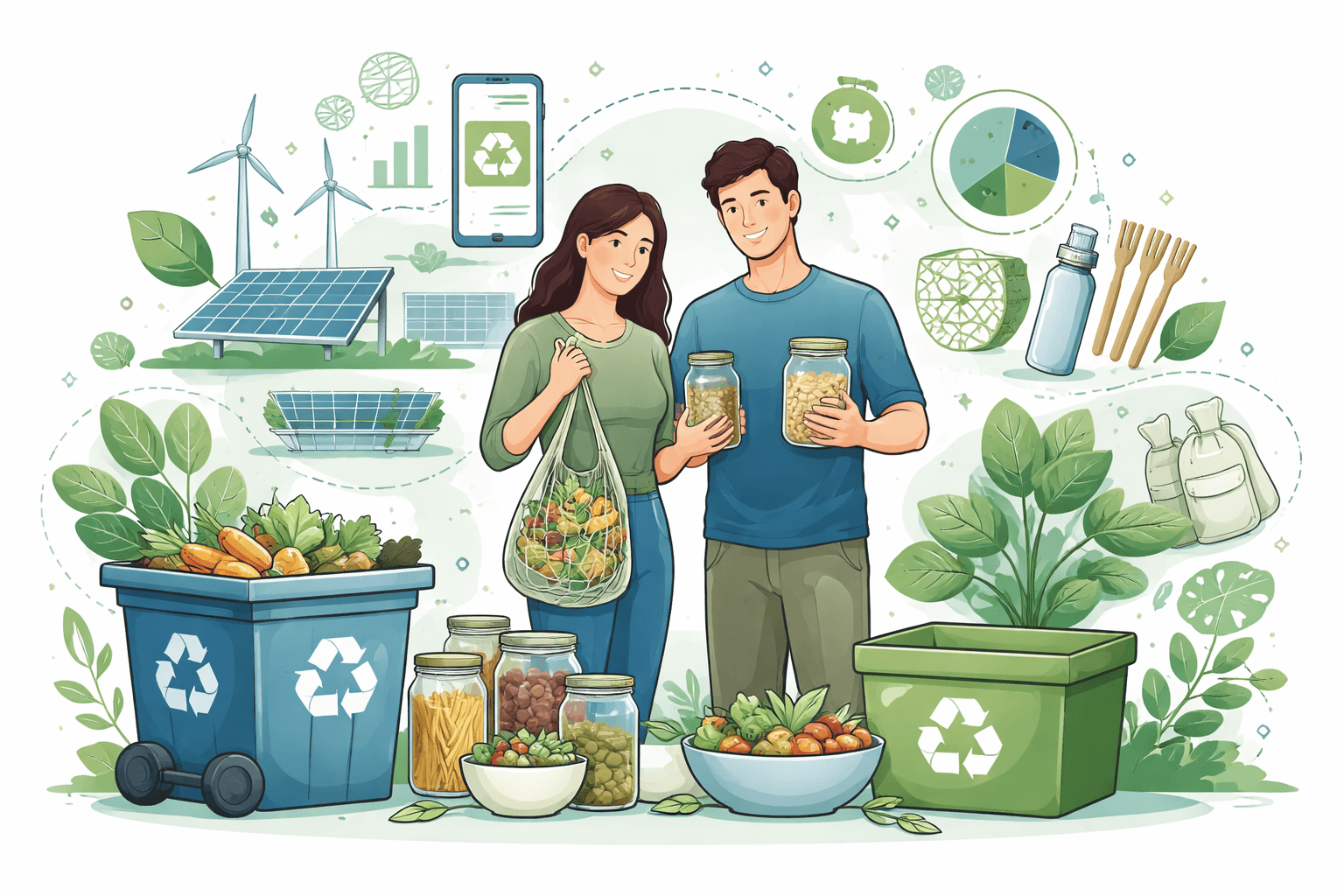
A zero waste lifestyle isn’t about fitting a year of trash into a mason jar. It’s a practical, step-by-step approach to drastically cut the amount of waste your household sends to landfill and incineration—saving money, shrinking climate pollution, and supporting a circular economy. The scale of the problem is large: the World Bank estimates the world generates about 2.01 billion tonnes of municipal solid waste each year today, projected to rise to 3.4 billion tonnes by 2050 without action (What a Waste 2.0). But household choices add up, especially when communities and businesses move together.
What is a zero waste lifestyle? Definitions and core principles
Zero waste is a design and decision-making framework aiming to keep materials in circulation at their highest value and eliminate waste and pollution by design. For households, a zero waste lifestyle means:

Zero Waste Home: The Ultimate Guide to Simplifying Your Life by Reducing Your Waste
Bea Johnson is “the mother of ... and simplify their lives. In Zero Waste Home, Bea Johnson <strong>shares the story of how she simplified her life by reducing her waste</strong>....
Check Price on Amazon- Preventing waste before it’s created (source reduction)
- Reusing, repairing, and sharing products to extend life
- Separating materials so they can be composted or recycled safely
- Supporting systems and policies that design waste out of the economy
Zero waste is aligned with the circular economy: products are designed for durability, repairability, and recyclability; materials loop through reuse, remanufacturing, and composting instead of becoming pollution. The Ellen MacArthur Foundation and many cities’ zero-waste plans emphasize that true zero waste is systemic—it’s not only about consumer behavior but also about upstream design and policy.
Why it matters: environmental, social, and economic impacts
- Climate: The waste and wastewater sector contributes roughly 18–20% of global methane emissions, a potent greenhouse gas more than 80 times stronger than CO2 over 20 years (IPCC AR6; UNEP Global Methane Assessment). Diverting organics from landfills and preventing waste reduces this.
- Food: The UNEP Food Waste Index (2024) estimates 1.05 billion tonnes of food were wasted in 2022, with households responsible for about 60%. Food loss and waste account for 8–10% of global greenhouse gas emissions (FAO/UNEP).
- Plastics: In 2019, the world produced 353 million tonnes of plastic waste; only 9% was recycled, 19% incinerated, 50% landfilled, and 22% mismanaged, leading to leakage into the environment (OECD Global Plastics Outlook, 2022).
- Air and water quality: Landfills emit methane and air toxics; mismanaged waste clogs waterways and harms wildlife. Microplastics now appear in soils, oceans, and even human blood in trace amounts (various peer-reviewed studies).
- Public budgets and jobs: Municipal solid waste management can consume 20–50% of city budgets in low- and middle-income countries (World Bank). Recycling and repair create far more jobs per ton than landfilling: on the order of 5–10 times more for recycling and up to 20–30 times more for reuse and remanufacturing (Institute for Local Self-Reliance analyses).
- Household savings: The NRDC estimates a U.S. family of four spends $1,365–$2,275 per year on food that’s not eaten. Eliminating disposables and buying smarter can shift spending to durable goods and savings.
By the numbers: waste, climate, and savings
- 2.01 billion tonnes: Global municipal solid waste today; 3.4 billion by 2050 without action (World Bank)
- ~20%: Share of human-caused methane from waste/wastewater (UNEP/IPCC)
- 1.05 billion tonnes: Food wasted in 2022; 60% from households (UNEP, 2024)
- 9%: Share of plastic waste recycled globally in 2019 (OECD)
- 95%: Energy saved when recycling aluminum vs. producing primary aluminum (US EPA/International Aluminium Institute)
- 32%: U.S. material recycling and composting rate for municipal solid waste in 2020 (US EPA)
- 5–10x: More jobs per 10,000 tons through recycling vs. landfilling; up to 20–30x for reuse and remanufacturing (ILSR)
The 5R framework to get started: Refuse, Reduce, Reuse, Repair, Rot
Many guides include “Recycle” in the 5Rs; here we follow a prevention-first sequence and cover recycling in context.
Refuse: stop waste at the door
- Say no to freebies and samples you don’t need (pens, flyers, conference swag).
- Opt out of junk mail and catalogs; sign up for electronic bills/receipts.
- Choose products with minimal or returnable packaging; avoid single-use items when a durable option exists.
Why it works: The cleanest waste stream is the one you never create. Refusing reduces demand for low-value packaging that is rarely recycled.
Reduce: buy and use less, better
- Plan meals and shop with lists to cut food waste; buy only what you’ll use.
- Choose concentrates and refills; buy bulk for staples you consume reliably.
- Share and borrow items used infrequently (tools, party supplies, baby gear).
Why it works: Source reduction directly lowers upstream emissions from manufacturing and transport, the largest portion of many products’ footprints.
Reuse: choose durable, refillable, shareable
- Standardize on reusables: bottles, coffee cups, lunch boxes, cloth napkins, produce bags.
- Prefer returnable/refillable packaging and deposit-return systems where available.
- Set up a “reusables station” at home for jars, tins, and containers.
Why it works: Reuse preserves material and embedded energy. A single durable item can displace dozens to hundreds of disposables over its life.
Repair: extend life and value
- Learn basic mending (buttons, hems, zipper pulls) and maintenance (sharpening, lubrication, gasket replacements).
- Use local repair cafés, seamsters, cobblers, and electronics fix-it shops.
- Check for spare parts and repair manuals (iFixit, manufacturer parts lists) before replacing a product.

iFixit Pro Tech Toolkit - Electronics, Smartphone, Computer ...
View on AmazonWhy it works: Repair cuts both material waste and the embodied emissions of new purchases. Many devices fail due to minor, fixable components (batteries, ports, switches).
Rot: return nutrients to soil
- Separate food scraps and yard trimmings for backyard composting, worm bins, or municipal organics collection.
- Avoid contamination (no plastics, labels, or “compostable” plastics unless your program accepts them).
- Use finished compost to improve soil structure and water retention.
Why it works: Diverting organics from landfills slashes methane. Project Drawdown estimates global composting expansion could avoid billions of tonnes of CO2e this century while building healthier soils.
Note on recycling: Keep recycling as a last resort for materials that can’t be refused, reduced, reused, or repaired. Focus on high-value streams like clean paper/cardboard, metals, and glass, following your local rules. For step-by-step sorting guidance, see How to Recycle at Home: Practical Steps, What Belongs Where, and Easy Systems to Reduce Waste (/sustainability-policy/how-to-recycle-at-home-practical-steps-what-belongs-where-easy-systems).
Room-by-room zero waste checklist
Kitchen
- Inventory fridge/pantry weekly; create “eat me first” zones
- Use airtight containers for leftovers; label with date
- Freeze surplus produce and bread; learn basic pickling and stock-making
- Switch to tap water and a home filter if needed; retire bottled water
- Replace paper towels with cloth; sponges with compostable scrubbers
- Choose loose produce and bulk bins for staples; bring containers if allowed
- Store food properly (humidity drawers, breathable bags for greens)
Bathroom
- Bar soap/shampoo/conditioner bars or refill stations instead of bottled liquids
- Reusable razors with replaceable blades; safety razors where comfortable
- Refillable deodorant, toothpaste tabs, and floss in paper/biobased packaging
- Menstrual cups or reusable pads/underwear if suitable
- Bamboo or refillable toothbrush handles; recycle brush heads if program exists
Laundry & cleaning
- Wash full loads on cold; line dry when possible (appliances use most energy to heat water)
- Use concentrated detergents or powder in cardboard; consider refill stations
- Replace dryer sheets with reusable options or skip entirely
- Make simple cleaners: vinegar, baking soda, castile soap for many tasks
- Microfiber filter or bags for synthetic clothing to reduce microplastic shedding
Home office & living areas
- Go paperless for bills and notes; set printers to double-sided, draft mode
- Borrow books from libraries; use local tool/toy/equipment lending libraries
- Repair or donate electronics; buy refurbished with warranties
Shopping & travel
- Carry a lightweight kit: tote bag, produce bags, water bottle, utensils, cup
- Request “no utensils/napkins/condiments” in delivery apps; choose pickup to avoid excess packaging
- Choose secondhand first for apparel and furniture; prioritize natural fibers
- Pack a small container for leftovers when dining out
- For flights, opt out of single-use amenities; bring headphones and water bottle
Practical swaps and DIY alternatives
Simple swaps, big impact, no product hype required:
- Coffee and tea: Brew at home; use a reusable filter or French press; compost coffee grounds
- Food storage: Glass jars, stainless steel tins, beeswax wraps instead of plastic wrap
- Cleaning: All-purpose cleaner = 1 cup vinegar + 1 cup water + a few drops of soap; scour with baking soda
- Personal care: Refillable soap/shampoo; safety razor; cotton handkerchiefs over tissues
- Kitchen consumables: Silicone baking mats; reusable muffin liners; cloth napkins
- Pet care: Buy bulk kibble; compostable bags where accepted; donate clean towels to shelters
DIY guidance: Keep recipes simple and safe. Label containers and store out of reach of children. Never mix vinegar and bleach (toxic chlorine gas).
Managing organic and hazardous waste: composting, rules, safe disposal
Organics and composting options
- Backyard compost: Carbon (browns) + nitrogen (greens) + air + moisture. Browns: dried leaves, cardboard; Greens: food scraps, coffee grounds. Turn weekly.
- Worm bins (vermicomposting): Great for apartments; red wigglers handle most food scraps; avoid citrus/onions in excess.
- Municipal organics: If you have curbside green bins, check accepted items; many programs do not accept “compostable plastics.”
- Community compost: Gardens, schools, or private services may accept drop-offs.
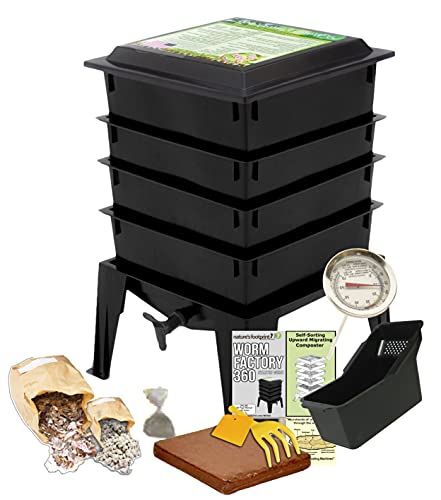
Worm Factory® 360 Black US Made Composting System for Recycling Food Waste at Home – 4 Trays for Efficient Vermicomposting – Durable, Space-Efficient Design, Easy to Assemble, No Odor : Outdoor Composting Bins
View on AmazonBenefits: Compost boosts soil organic matter, increases water-holding capacity, and reduces synthetic fertilizer needs. EPA WARM modeling shows substantial greenhouse gas benefits versus landfilling food waste.
Household hazardous waste (HHW) and e-waste
- Batteries: Never trash lithium batteries; store in a nonmetal container and drop at designated sites.
- Electronics: Use certified e-waste collectors; wipe data before drop-off. See How to Recycle Electronics: A Practical Guide to Safe, Responsible E‑Waste Disposal (/sustainability-policy/how-to-recycle-electronics-practical-guide-safe-responsible-e-waste-disposal).
- Paints/solvents: Keep sealed; many regions have take-back under paint stewardship laws.
- Medications: Use pharmacy take-back; do not flush unless label instructs.
- Bulbs: CFLs and some LEDs contain trace materials; use retail take-back where offered.
Safety: Store HHW away from heat and children. Consult your city’s HHW program website or 311 to confirm drop-off days and accepted items.
Know your local recycling rules
Recycling is local. Contamination (the wrong material in the wrong bin) lowers the value of recyclables and can cause entire loads to be landfilled. Focus on:
- Clean, empty, dry: Rinse containers; no food residue
- Right plastics: Many curbside programs accept only bottles, jugs, and tubs; check resin codes
- Paper/cardboard: Keep dry; flatten boxes; remove food-soiled paper
- Metals: Aluminum and steel cans are high-value—recycle every time
For a step-by-step home setup and to reduce contamination, see How to Recycle at Home: Practical Steps, What Belongs Where, and Easy Systems to Reduce Waste (/sustainability-policy/how-to-recycle-at-home-practical-steps-what-belongs-where-easy-systems).
Common barriers and practical solutions
“Zero waste costs more”
- Start with no-cost changes: refuse freebies, meal-plan, use what you have, switch to tap water.
- Shift from disposables to durables that pay back: A $20 reusable bottle can displace hundreds of $1–$2 bottled waters.
- Buy less, buy better: Fewer, higher-quality items that are repairable often lower lifetime costs.
“I don’t have time”
- Set up systems once: a labeled sorting station; a freezer “use-it-later” bin; a go-bag with reusables.
- Batch tasks: refill runs, bulk buys, and prep cooking save time over the week.
“My family isn’t on board”
- Make it visible and easy: Clear bins with photos of accepted items; a whiteboard meal plan.
- Start with wins that matter to them: favorite snacks in bulk; better-tasting tap water with a filter.
- Involve kids with roles: “food rescue” chef for leftovers; recycling captain. For family-friendly steps, see Sustainable Living for Families: Practical Tips to Save Money, Cut Waste, and Teach Kids to Care for the Planet (/sustainability-policy/sustainable-living-tips-for-families-practical-guide).
“Local infrastructure is limited”
- Prioritize reduction and reuse, which don’t rely on municipal programs.
- Use mail-in or drop-off options for hard-to-recycle items where feasible; focus on the highest-impact materials (metals, cardboard).
- Advocate: Ask stores for refill options; contact city councils for organics collection or repair-friendly policies (right-to-repair, deconstruction).
Tools, apps, community resources, and next steps
- Apps and directories:
- Recycle Coach or Earth911: Local recycling rules and drop-off locations
- ShareWaste: Find or offer compost drop-offs
- OLIO, Too Good To Go: Share or rescue surplus food
- iFixit: Device repair manuals and guides
- Local Buy Nothing groups: Share/borrow in your neighborhood
- Community and policy:
- Repair cafés and tool libraries: Build skills and access without owning
- Producer responsibility laws: Support take-back for packaging, paint, electronics
- Deposit-return systems: Increase container reuse and high-quality recycling
- Circular economy leadership: See how companies are redesigning products and packaging in Circular Economy Leaders: How Companies Are Eliminating Waste (/green-business/circular-economy-leaders-companies-eliminating-waste).
- Everyday practice: For simple, high-impact daily habits that complement a zero waste lifestyle, explore Everyday Sustainable Living: Practical Tips to Save Money, Reduce Waste, and Lower Your Carbon Footprint (/sustainability-policy/everyday-sustainable-living-tips-save-money-reduce-waste-lower-carbon-footprint).
Practical household roadmap: 30/60/90 days
- Days 1–30: Conduct a trash audit; set up labeled bins; build a basic reusables kit; plan 3 “leftovers night” meals per week; switch to cold laundry.
- Days 31–60: Start composting (bin or community drop-off); standardize bulk buys for 5 staples; replace 3 disposables with reusables; schedule a repair.
- Days 61–90: Tackle one hard-to-recycle stream; host a swap with friends; engage a local business on refills; write to your council about organics and repair-friendly policies.
What this means for consumers, businesses, and policymakers
- Households: Focus on food waste prevention, organics diversion, and a few strategic reusable swaps. These deliver the largest climate and cost benefits quickly.
- Businesses: Design out waste through packaging reduction, refill/reuse pilots, repairable products, and take-back programs; track material flows to cut costs and meet ESG goals.
- Cities and states: Invest in organics collection and processing; standardize recycling; adopt extended producer responsibility; support repair and reuse (sales tax exemptions, deconstruction ordinances).
Where zero waste is heading
- Reuse at scale: Cities and brands are piloting standardized reusable packaging systems for takeout and consumer goods, improving return logistics and sanitization.
- Organics as infrastructure: Food scrap collection is expanding rapidly in North America and Europe, with anaerobic digestion and composting providing soil amendments and renewable gas.
- Digital sorting: AI-enabled material recovery facilities improve capture rates and cut contamination, raising the value of recycled commodities.
- Right-to-repair and design standards: Policies are increasing access to parts, tools, and repair information, extending product lifespans and curbing e-waste.
Adopting a zero waste lifestyle is not about perfection; it’s about consistent, systemic improvements. With each refused giveaway, repaired gadget, and composted scrap, you’re cutting emissions, protecting biodiversity, reducing municipal costs, and nudging the market toward better design. When households, businesses, and policymakers row in the same direction, the “waste problem” becomes a materials opportunity.
Sources cited in text: World Bank (What a Waste 2.0), UNEP (Global Methane Assessment; Food Waste Index 2024), IPCC AR6, FAO, OECD (Global Plastics Outlook 2022), US EPA (Facts and Figures on Materials, Waste and Recycling; WARM), International Aluminium Institute, Institute for Local Self-Reliance (recycling and jobs), NRDC (household food waste costs), Project Drawdown.
Recommended Products
Zero Waste Home: The Ultimate Guide to Simplifying Your Life by Reducing Your Waste
Bea Johnson is “the mother of ... and simplify their lives. In Zero Waste Home, Bea Johnson <strong>shares the story of how she simplified her life by reducing her waste</strong>....
Worm Factory® 360 Black US Made Composting System for Recycling Food Waste at Home – 4 Trays for Efficient Vermicomposting – Durable, Space-Efficient Design, Easy to Assemble, No Odor : Outdoor Composting Bins
The Worm Factory 360 Black US Made Composting System is <strong>a durable, space-efficient solution for vermicomposting at home</strong>. Available in 4 or 6 tray options, it offers customizable compo
iFixit Pro Tech Toolkit - Electronics, Smartphone, Computer ...
Discover iFixit's versatile tool kits, offering a curated selection of bits and tools to tackle a wide range of electronics repair and maintenance tasks.
More in Sustainability Policy
- Everyday Sustainable Living: Practical Tips to Save Money, Reduce Waste, and Lower Your Carbon Footprint
- How to Recycle at Home: Practical Steps, What Belongs Where, and Easy Systems to Reduce Waste
- Composting at Home: A Practical Guide for Sustainable Living
- Tech-Driven Sustainable Living: A Practical Guide to Lower Your Footprint