
Solar in Hawaii: Costs, Incentives & Top Installers (2026)
Hawaii pays the highest residential electricity prices in the United States—averaging roughly 40–45 cents per kilowatt-hour (kWh) in recent years, according to the U.S. Energy Information Administration (EIA, 2023). That single fact is why solar in Hawaii delivers some of the fastest paybacks in the country. With strong sun, year-round cooling loads, and modern battery programs from Hawaiian Electric, a well-designed rooftop PV-plus-storage system can cut typical bills 70–95% and pay back in 4–7 years for many households.
This 2026 guide covers the data that matter: Hawaii’s solar resource, real system costs, state and federal incentives, what replaced net metering, top local installers, and how to navigate permits and interconnection.
By the numbers: Hawaii solar snapshot
- Solar resource: 5.0–6.5 kWh/m²/day global horizontal irradiance statewide; 1,450–1,900 kWh AC per kW of rooftop PV per year depending on island and microclimate (NREL PVWatts; Global Solar Atlas)
- Capacity factor: ~18–22% for typical residential PV (NREL)
- Retail electricity price: ~40–45¢/kWh residential average (EIA, 2023); varies by island and month
- Typical residential PV size: 5–10 kW DC
- Installed cost: ~$2.90–$3.70 per watt (W) before incentives (NREL 2024 benchmarks; Hawaii market quotes)
- Federal tax credit (ITC): 30% through 2032 under the Inflation Reduction Act (IRS)
- Hawaii renewable energy tax credit: Up to 35% of eligible costs, subject to per-system caps and rules (Hawaii Dept. of Taxation; program details below)
- Interconnection: Customer Distributed Energy Resources (DER) programs via Hawaiian Electric; export credits depend on program and time of day (Hawaii PUC; Hawaiian Electric)
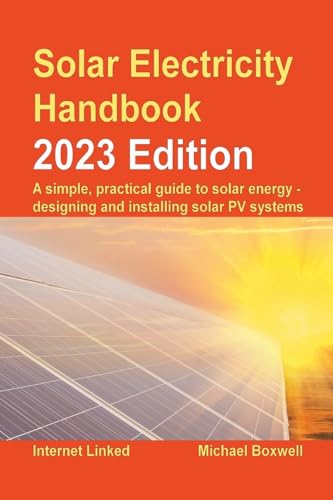
Solar Electricity Handbook - 2023 Edition: A simple, practical guide to solar energy – designing and installing solar photovoltaic systems: Boxwell, Michael
Solar Electricity Handbook - 2023 Edition: <strong>A simple, practical guide to solar energy – designing and installing solar photovoltaic systems</strong> [Boxwell, Michael] on Amazon.com. *FREE* shi
Check Price on AmazonHawaii’s solar resource: sun hours, irradiance, and climate factors
Hawaii sits close to the tropics and enjoys abundant sunlight across all islands. NREL’s PVWatts and the Global Solar Atlas show average global horizontal irradiance between roughly 5.0 and 6.5 kWh/m²/day. In practical terms, that translates to about 1,450–1,900 kWh of annual AC production for every 1 kW of rooftop PV, depending on tilt, shading, and island microclimates.
- Microclimates matter. Windward (northeast) slopes tend to be cloudier and rainier, while leeward areas (e.g., West O‘ahu, South Maui, Kona side of Hawai‘i Island) see higher yields closer to the top of the range.
- Temperature and efficiency. PV modules are slightly less efficient at higher temperatures, but coastal trade winds help offset heat losses much of the year.
- Salt air and corrosion. Coastal exposure demands marine-grade racking, stainless fasteners, sealed cable terminations, and modules with robust frames and backsheets; reputable Hawaii installers standardize on these specs.
Result: Solar in Hawaii operates with a capacity factor of roughly 18–22%—higher than many mainland locations—making each installed kilowatt work hard for your bill.
Average cost of solar panels in Hawaii (2026) and price-per-watt breakdown
Hawaii’s logistics and island-by-island labor markets create a slightly wider price band than the mainland. Based on NREL’s U.S. cost benchmarks (Q1 2024) and current quotes from major Hawaii installers, residential PV in 2026 typically falls between $2.90 and $3.70 per watt before incentives.
Example system budgets (before incentives):
- 5 kW system: $14,500–$18,500
- 7 kW system: $20,300–$25,900
- 10 kW system: $29,000–$37,000
Where the dollars go (typical ranges):
- Modules and inverters: 35–45% (module efficiency 20–22%; microinverters or optimizers common for shaded, multi-roof homes)
- Balance of system (racking, wiring, combiner, monitoring): 15–20%
- Labor and permitting: 15–25%
- Overhead, design, interconnection, margin: 20–30%
Batteries add significant value in Hawaii because classic net metering no longer exists and evening electricity is expensive. Installed storage costs typically run $1,100–$1,500 per usable kWh. A single whole-home unit—such as a 13–15 kWh battery—often prices at $12,000–$16,000 installed, depending on brand, configuration, and island.
- Practical pick: For resilient, time-of-use–friendly setups, the Tesla Powerwall 3 and the Enphase IQ Battery 5P are widely available in Hawaii and integrate cleanly with high-sun, multi-roof homes.
Hawaii solar incentives: state tax credits, rebates, export programs, and SRECs
Hawaii offers one of the most consequential state-level solar tax credits in the U.S., plus targeted incentives for water heating and batteries. Program details and caps have evolved; always verify current rules with the Hawaii Department of Taxation (DoTax) and Hawaiian Electric before you sign a contract.
State renewable energy technologies income tax credit (RETITC)
- Percentage: Historically 35% of eligible costs for residential solar PV, subject to per-system caps and a specific definition of “system” set in state rules.
- Caps and definitions: Hawaii has used caps per system and rules to determine how many “systems” a project may include based on kW thresholds and dwelling type. Caps and definitions have changed over time (including updates enacted in 2022–2023), and battery-coupled PV may be treated differently from PV-only. Check the latest DoTax guidance and forms for the current per-system caps and how energy storage factors into eligibility.
- Example: On a $20,000 PV project, a 35% state credit would pencil to $7,000, but a per-system cap could limit the allowable credit to a lower amount (e.g., $5,000). Work with your installer and tax professional to size systems and file correctly.
Solar water heating and efficiency rebates
- Hawaii Energy—the state efficiency program funded by utility ratepayers—has historically offered rebates for solar water heaters (often around $1,000) and heat pump water heaters, plus limited-time bonuses. These amounts can change annually; check Hawaii Energy’s current catalog.
Battery incentives and export programs
- Classic net metering ended in 2015. In its place, Hawaiian Electric offers a suite of Customer DER tariffs designed to encourage self-consumption and targeted exports when the grid needs power.
- Programs have included Customer Grid-Supply (CGS), CGS+ (now closed to new enrollment), Smart Export (credits for evening/overnight exports; little or no credit midday), and time-of-use export options. In recent years, “bring-your-own-device” style programs and seasonal/time-differentiated credits have expanded to reward batteries that discharge during peak hours or grid contingencies. Actual export rates and enrollment windows vary by island and over time—confirm current offerings with Hawaiian Electric and the Hawaii Public Utilities Commission (PUC).
- O‘ahu’s past Battery Bonus program provided substantial one-time and monthly bill credits for committing battery capacity to evening peaks; subsequent programs follow similar goals under updated DER tariffs.
SRECs
- Hawaii does not operate a tradable Solar Renewable Energy Certificate (SREC) market like some mainland states. In many DER programs, any renewable energy credits associated with exported energy may be assigned to the utility under the tariff. Review contract terms if retaining RECs matters to you.
Context: With high retail prices and export credits that are below retail for many hours, Hawaii homeowners maximize savings by sizing PV appropriately and pairing with a right-sized battery to shift solar into the evening peak.
Helpful explainer: See how crediting works in detail in our guide to Net Metering Explained: How Solar Owners Get Credit for Excess Power.
The federal ITC and how it applies in Hawaii
The federal residential clean energy credit (the Investment Tax Credit, or ITC) equals 30% of eligible project costs for systems placed in service through 2032, stepping down after that under current law (IRS; Inflation Reduction Act).
Key points for Hawaii homeowners:
- What qualifies: PV modules, inverters, racking, balance of system, sales tax, labor, permitting, and associated batteries of 3 kWh or greater (standalone storage also qualifies at 30% under current rules).
- Basis interactions: State incentives that are considered rebates or subsidies excluded from taxable income generally reduce the federal ITC cost basis. Tax credits can be more complex. Because Hawaii’s RETITC and utility incentives vary in treatment, consult a tax professional on whether (and how) your state credit affects the federal basis for your situation.
- Carryforward: If your federal tax liability is smaller than the credit, you can typically carry unused ITC amounts forward to future years.
For a deeper dive on eligibility and filing, start with our Solar Tax Credit Explained: Save on Solar with the Federal ITC.
Best solar installers and companies serving Hawaii
Local experience is critical in Hawaii: salt air, wind loads, permitting nuances, and island-specific DER tariffs reward teams who’ve been here a while. The following established companies have notable footprints. Always get multiple quotes, verify licensing, and ask for recent island-specific references.
Standout local and regional installers (alphabetical):
- Alternate Energy, Inc. (AEI) — O‘ahu, Maui, Hawai‘i Island; PV, batteries, solar water heating; long operating history and marine-grade standards.
- Hawaii Energy Connection (KumuKit) — O‘ahu and neighbor islands via partners; streamlined packages, monitoring, and battery integrations.
- PhotonWorks Engineering — O‘ahu; custom engineering and commercial/residential PV-plus-storage.
- ProVision Solar — Hilo-based; Hawai‘i Island focus with PV, batteries, and service/maintenance.
- RevoluSun — O‘ahu and Maui; strong design-build capabilities; batteries and smart home integrations.
- Rising Sun Solar — Maui and Kaua‘i; community-rooted with PV and storage portfolios.
- Sunspear Energy — O‘ahu; residential and commercial PV and battery systems.
National brands present in Hawaii:
- Sunrun — Offers rooftop PV and batteries with lease/PPA and loan options; widespread permitting/interconnection experience with Hawaiian Electric.
- Tesla — Direct Powerwall sales and certified installer network; select projects for PV roofs.
- SunPower dealer network — High-efficiency modules via local partners.
What to ask any Hawaii installer:
- Salt-air hardening: Stainless or aluminum hardware, UV-stable conduits, sealed roof penetrations, and anti-corrosion measures.
- Wind design: Does the racking meet local design wind speeds and corrosion categories? What’s the uplift testing rating?
- DER program fit: How will your system be configured for the current Hawaiian Electric tariff, time-of-use windows, and export rules on your island?
- Monitoring and service: Who handles warranty claims and maintenance locally?
Product picks that perform in Hawaii’s climate
- High-efficiency panels with strong salt-mist resistance ratings (IEC 61701): The REC Alpha Pure-R 410W is a good value blend of efficiency and durability.
- Microinverters for complex roofs: Enphase IQ8 series can create a resilient, per-module architecture that’s well-suited to partial shading on multigable roofs.
- Smart load management: A device like the Span Smart Panel can stretch battery runtime by prioritizing essential circuits during grid outages.
ROI and payback period for solar in Hawaii
Hawaii’s math is compelling because retail electricity is so expensive.

Emporia Gen 2 Smart Home Energy Monitor with 16 50A Circuit Level Sensors | Real Time Electricity Monitor/Meter | Solar/Net Metering - Amazon.com
View on AmazonIllustrative 7 kW PV-only case (no battery)
- Gross cost: $3.30/W × 7,000 W = $23,100
- Hawaii RETITC: Assume capped at $5,000 for this example (actual cap depends on current DoTax rules and system definition)
- Federal ITC: 30% of eligible basis; in many cases, the basis is reduced by state incentives that are excluded from taxable income—assume basis of $23,100 − $5,000 = $18,100 → ITC ≈ $5,430 (consult a tax advisor)
- Net out-of-pocket (after applying both credits over time): ≈ $12,670
- Annual production (O‘ahu leeward roof, 20% losses): ~10,500 kWh
- Bill offset value at 40¢/kWh: ~$4,200/year if most energy is self-consumed
- Simple payback: ~3.0 years in an ideal self-consumption scenario; ~4–6 years is more typical once realistic export credits, seasonal variation, and consumption patterns are considered
Add a 13–15 kWh battery
- Incremental installed cost: ~$13,500
- Federal ITC also applies to the battery if paired with solar (and to standalone storage under current IRS guidance)
- Savings impact: Higher self-consumption (often 80–95%) and protection against evening peak prices/outages; potential bill credits through active DER programs
- Economic result: Battery payback varies widely—roughly 7–12 years depending on export rates, TOU differentials, and any program incentives. Many Hawaii buyers justify batteries for resilience and to maximize savings under post–net metering tariffs.
Island differences:
- O‘ahu: Large customer base with evolving DER programs and time-based credits; competitive installer market and faster permitting.
- Maui County: Strong solar resource; payback remains fast due to high prices and DER incentives; storm-hardened designs are especially important.
- Hawai‘i Island: Excellent leeward irradiance and high rates can yield top-tier production and savings; make sure equipment and racking are spec’d for corrosion and wind.
A careful load analysis and tariff-aware design are the keys to nailing ROI in Hawaii. For an overview of components and system sizing logic, see our Complete Guide to Solar Energy.
Hawaii-specific permitting, HOA rules, and interconnection
Permitting
- Most residential PV projects in Honolulu, Maui, and Hawai‘i counties are permitted electronically. Straightforward flush-mount arrays on existing roofs often qualify for expedited reviews. Battery additions may require electrical one-lines and manufacturer cut sheets.
- Expect 2–8 weeks for permits depending on island workload, project complexity, and whether structural review is required (older roofs or high-wind exposure zones may need engineering sign-off and upgraded attachments).
HOA and solar rights
- Hawaii Revised Statutes §196-7 limit homeowner associations from prohibiting solar energy devices. Associations may impose reasonable restrictions related to aesthetics or safety, but they cannot effectively prevent installation. In practice, that means placement adjustments are allowed so long as they don’t significantly increase cost or reduce performance. Check your HOA’s architectural guidelines and provide a stamped plan set to streamline approval.
Interconnection with Hawaiian Electric (HECO/MECO/HELCO)
- Choose a DER program: Your installer will help select the appropriate tariff (e.g., Smart Export or other current offerings) based on your usage, battery choice, and island.
- Pre-application check: For most residential systems, Hawaiian Electric’s online portal evaluates feeder capacity and program eligibility. Some circuits are saturated, requiring specific configurations (often battery-first designs with export controls).
- Quick Connect and Fast Track: On certain feeders and system sizes, Hawaiian Electric allows installation prior to full review if you meet equipment and export-limit criteria. Your installer will know whether your address qualifies.
- Install/inspect: After equipment is installed, county electrical inspection is completed.
- Permission to operate (PTO): Hawaiian Electric issues PTO once interconnection requirements are satisfied and any export controls are commissioned and verified. Typical interconnection timelines range from a few days to several weeks after final inspection, depending on queue and program.
Tip: Make sure your contract clearly states who is responsible for permits, HOA approval, and interconnection paperwork—and what happens if the chosen tariff becomes unavailable during the process.
FAQ: common questions about going solar in Hawaii
How many solar panels do I need in Hawaii?
- A typical 7 kW system uses ~16–22 modules (400–450 W each) and produces ~9,500–11,500 kWh/year depending on location and tilt. Size to your annual kWh use and available roof space, and consider a battery to shift solar to the evening.
Is solar worth it without batteries?
- Yes, but savings are larger with storage under current DER programs. Without batteries, you’ll export midday power at credit rates typically below retail and buy back in the evening at full retail. With a battery, you can cover most evening use from stored solar and capture higher-value time windows.
Do solar panels survive Hawaii’s wind and salt air?
- Well-specified systems do. Look for racking rated for local design wind speeds, modules with salt-mist corrosion certifications (IEC 61701), and stainless/aluminum hardware. Pro installers in Hawaii standardize these details, and many offer extended workmanship warranties.
What maintenance is required?
- Minimal: occasional visual checks, keeping leaves/debris off arrays, and ensuring gutters/drains are clear. Salt mist and vog may merit periodic rinsing in dry spells—use soft water and avoid abrasive cleaning. Inverters and batteries are software-monitored; your installer should provide remote diagnostics.
Will solar increase my home’s value?
- Multiple studies (including Lawrence Berkeley National Laboratory’s “Selling Into the Sun”) have found home sale premiums for owned PV. Magnitudes vary by market, but in high-price electricity states like Hawaii, buyers value a lower monthly bill and resilience.
Can I go off-grid in Hawaii?
- Yes—especially on rural properties or where interconnection is constrained. You’ll need a larger array, multi-day battery storage, and possibly a backup generator. For system design tradeoffs and costs, see our Off-Grid Solar: Complete Buyer’s Guide.
How do time-of-use (TOU) rates and export credits work?
- Hawaiian Electric’s DER programs use time windows that value evening and early-morning exports more than midday. Batteries let you store solar and discharge when credits are highest or when retail prices peak. Exact rates and times vary by island and program and can change over time.
What panels and inverters are best for Hawaii?
- Panels: High-efficiency, low-degradation modules with strong salt-mist ratings—like the REC Alpha Pure-R 410W—are solid picks. Inverters: Module-level power electronics (e.g., Enphase IQ8 microinverters) handle complex roofs and partial shade well. For whole-home backup and peak shaving, pair with a battery such as the Tesla Powerwall 3.
Do I qualify for both the Hawaii state credit and the federal ITC?
- Many homeowners do, but the interaction is nuanced. The amount of the state credit, program caps, and whether incentives affect your federal tax basis are tax questions—coordinate early with a qualified tax professional.
How long will it take to install solar in Hawaii?
- From contract to PTO, plan for 6–12 weeks on average: 2–8 weeks for permits and interconnection paperwork, 1–3 days for installation, and a few days to weeks for inspections and PTO depending on island workload.
Practical steps and what’s next for solar in Hawaii
- Get multiple bids—ask each installer to model your specific feeder, DER tariff, and evening load profile with and without a battery. Request NREL PVWatts printouts and financial models with conservative assumptions.
- Right-size storage—enough to cover your evening peak and overnight essentials. Oversizing a battery without program revenue can stretch payback; undersizing might leave value on the table.
- Plan for resilience—ask for hurricane-rated attachments, corrosion-hardened hardware, and a critical loads subpanel or smart panel to maximize backup value.
- Monitor policy—Hawaii’s PUC continues to evolve DER tariffs to balance rooftop growth with grid stability. Expect more aggregator-friendly programs that pay batteries to support the grid in tight hours, which can further improve ROI.
If you’re just beginning to explore components, economics, and how PV turns sunlight into kWh, our primer on Solar Power Explained: How It Works, Costs, and Climate Benefits is a helpful foundation.
Sources and data notes
- Hawaii electricity prices: U.S. Energy Information Administration (EIA), average residential prices through 2023; island-specific monthly rates vary.
- Solar resource and performance: National Renewable Energy Laboratory (NREL) PVWatts; Global Solar Atlas; typical residential capacity factors 18–22%.
- Cost benchmarks: NREL U.S. Solar PV and Energy Storage Cost Benchmarks (Q1 2024) with Hawaii market adjustments from installer quotes.
- Incentives and tariffs: Hawaii Department of Taxation guidance on the Renewable Energy Technologies Income Tax Credit (RETITC); Hawaii Public Utilities Commission (PUC) dockets on DER tariffs; Hawaiian Electric program pages for Smart Export and successor programs; Hawaii Energy rebate catalogs for solar water heating and HPWH incentives.
Hawaii’s combination of strong sun and high prices makes rooftop PV and batteries one of the clearest investments a household can make—financially and environmentally. With the right design and a savvy installer, solar in Hawaii can deliver decades of low-cost, resilient power.
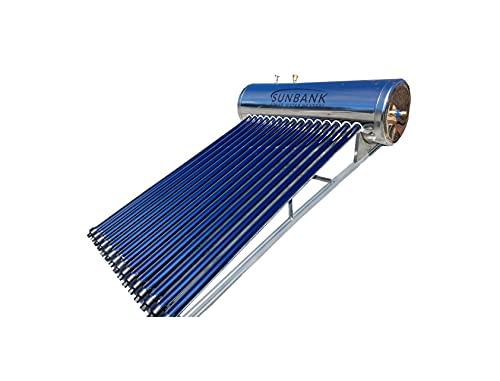
SRCC Certified 30% Tax Credit & Local Rebate Eligible - Complete System - 40 Gallon Solar Water Heater - Amazon.com
View on AmazonRecommended Products
Solar Electricity Handbook - 2023 Edition: A simple, practical guide to solar energy – designing and installing solar photovoltaic systems: Boxwell, Michael
Solar Electricity Handbook - 2023 Edition: <strong>A simple, practical guide to solar energy – designing and installing solar photovoltaic systems</strong> [Boxwell, Michael] on Amazon.com. *FREE* shi
Emporia Gen 2 Smart Home Energy Monitor with 16 50A Circuit Level Sensors | Real Time Electricity Monitor/Meter | Solar/Net Metering - Amazon.com
See how much electricity your home is using anywhere, anytime. ... <strong>Add individual 50A sensors to your Vue to monitor up to 16 individual circuits</strong> — providing accurate energy use for t
SRCC Certified 30% Tax Credit & Local Rebate Eligible - Complete System - 40 Gallon Solar Water Heater - Amazon.com
Brand: Sunbank Solar · Select to learn more · Customer Support · Report an issue with this product or seller · Page 1 of 1 Start over · Previous set of slides · Thermomate Tank Water Heater - 10 Gallo