
Tesla Powerwall in Texas: Cost, Availability & Is It Worth It?
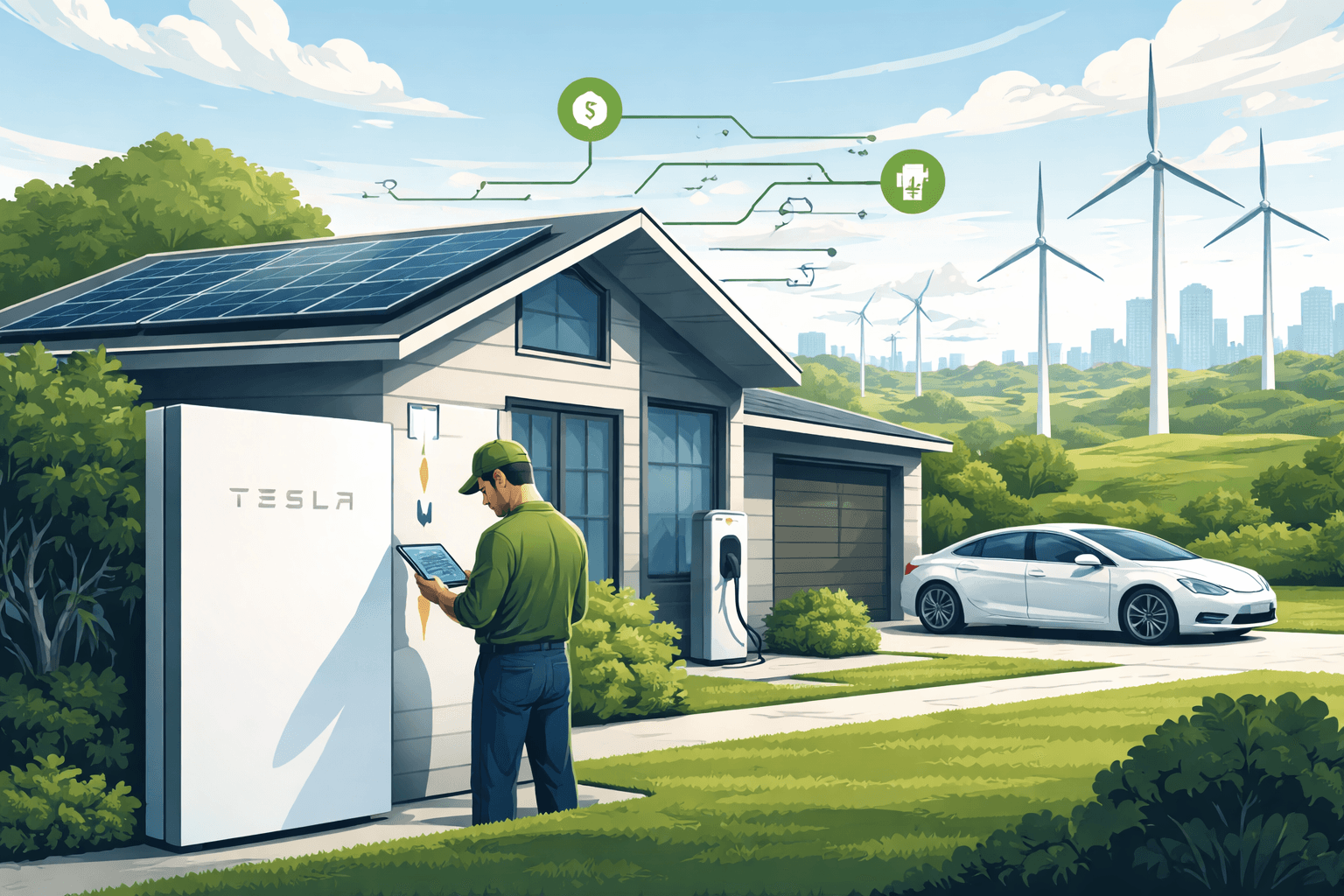
Texas added more than 3 GW of grid-scale battery storage between 2022 and 2024, according to ERCOT market data, as extreme heat, winter storms, and fast-growing solar capacity stress the grid. For homeowners, that macro trend has a household-scale counterpart: the Tesla Powerwall in Texas is increasingly used for backup power, time-of-use (TOU) savings, and maximizing self-consumption of rooftop solar. This guide breaks down specs, costs, incentives, rate structures, and realistic savings for Texans.
Tesla Powerwall overview: specs, capacity, and how it works
The Tesla Powerwall is a lithium-ion home battery that stores electricity for use when the sun isn’t shining or when grid prices spike or fail. It integrates with rooftop solar or can operate as standalone storage charged from the grid.
The Grid: The Fraying Wires Between Americans and Our Energy Future: Bakke, Gretchen
Cultural anthropologist Gretchen Bakke <strong>unveils the many facets of America's energy infrastructure, its most dynamic moments and its most stable ones, and its essential role in personal an
Check Price on AmazonCore specs (manufacturer published figures):
- Usable capacity: 13.5 kWh per unit
- Power (continuous):
- Powerwall 2: 5 kW (7 kW peak for ~10 seconds)
- Powerwall 3: up to ~11.5 kW continuous output for whole‑home backup when properly configured
- Round-trip efficiency: ~90%
- Operating temperature: roughly −4°F to 122°F (−20°C to 50°C)
- Warranty: 10 years with at least 70% usable capacity remaining (residential use)
- Stackability: typically up to 10 units; most Texas homes that want whole‑home backup pair 2–3 units
How it works
- With solar: DC power from panels is converted to AC and used in the home, with excess stored in the battery before any export to the grid (if enabled). Powerwall 3 includes an integrated solar inverter, simplifying new installations.
- Backup power: During an outage, a gateway isolates your home from the grid (islanding) and the Powerwall supplies selected circuits or, with sufficient capacity, your whole home.
- Time-based control: The Powerwall can be programmed to charge when rates are low and discharge when rates are high, shaving your bill even without solar.
For Texas homes, the high-output capability of Powerwall 3 is particularly useful for starting large HVAC compressors during summer peaks and running multiple critical loads during outages.
Powerwall pricing in Texas including installation costs
Total installed cost in Texas depends on home electrical complexity, whether you add solar, and whether you need whole‑home or partial backup. Based on installer quotes in major metros (Dallas–Fort Worth, Houston, Austin, San Antonio) through 2024:
Typical before‑incentive price ranges
- Single Powerwall (retrofit, partial-backup): $10,000–$13,500 total installed
- Two Powerwalls (partial- to whole‑home backup): $18,000–$24,000 total installed
- Three Powerwalls (larger homes, whole‑home): $26,000–$33,000 total installed
What’s in the price
- Hardware: battery/batteries, Backup Gateway or integrated controller, disconnects
- Labor: mounting, wiring, commissioning, permit drawings
- Electrical upgrades (if needed): service panel/subpanel work, generator interlock removal, load management hardware
With new solar + Powerwall 3
- Pairing a new solar array with Powerwall 3 (which has an integrated solar inverter) can reduce total hardware and labor compared with separate inverters. For many Texas installs, this trims $1,000–$3,000 versus a comparable AC‑coupled setup.
Federal tax credit
- A 30% Residential Clean Energy Credit (Investment Tax Credit, ITC) applies to standalone batteries ≥3 kWh and to solar‑plus‑storage. This typically reduces net cost per Powerwall by several thousand dollars. Consult IRS Form 5695 and a tax professional.
Financing and leases
- Many Texas installers offer loans with APRs in the 2.99–7.99% range depending on term and dealer fees. Cash purchases avoid dealer-fee markups that can add 10–20% to list prices.
Texas battery storage incentives: state rebates, SGIP, utility programs
Statewide
- Texas does not offer a statewide battery rebate akin to California’s Self‑Generation Incentive Program (SGIP). For an example of how SGIP works in a different market, see our California guide: Tesla Powerwall in California: Cost, Availability & Is It Worth It?.
Property tax
- Texas provides a 100% property tax exemption for the added appraised value from a “solar energy device” installed on residential property (Texas Tax Code §11.27). When batteries are installed as part of a solar energy system, many appraisal districts treat the combined system as exempt. Stand‑alone batteries without solar may not qualify—check with your county appraisal district.
Utility and local programs (subject to change; verify current terms)
- Austin Energy and CPS Energy (San Antonio) have each piloted residential battery programs that provide bill credits or incentives in exchange for allowing limited grid dispatch during peak events. Enrollment windows and compensation vary year to year.
- Several Texas electric cooperatives and municipal utilities have offered time-of-use or demand-response pilots that can pair well with batteries. Always review your specific tariff.
Federal
- 30% ITC applies to batteries installed 2023–2032 under the Inflation Reduction Act.
How the Powerwall pairs with solar in Texas: backup vs. self-consumption
Because Texas lacks uniform net metering, maximizing on-site use of solar (self-consumption) often beats exporting power at low buyback rates. Powerwall helps in two ways:
- Backup priority: You can reserve, say, 20–50% of the battery for outages and use the rest for daily cycling. During a grid failure, solar keeps producing (up to battery and inverter limits) and the Powerwall manages charging while powering critical loads.
- Self-consumption: Daytime surplus solar charges the battery; that energy then powers evening and overnight loads. This is especially valuable if your buyback plan credits exports below your retail rate or caps monthly credits.
Backup sizing tips for Texas homes
- Critical loads (fridge, Wi‑Fi, lighting, gas furnace blower, a few outlets): Often 1 Powerwall is sufficient for 8–20 hours depending on usage.
- All‑electric homes with central AC: 2–3 units provide better comfort during heat waves. A single Powerwall 3 can start and run many 3–4 ton HVAC systems, but runtime depends on thermostat setpoints and insulation.
- Well pumps and pool pumps: Consider soft‑start controls or load management to avoid large simultaneous surges.
Texas utility rate structures and how Powerwall saves with time-of-use
In ERCOT’s competitive retail market, rate design depends on your Retail Electric Provider (REP) and service territory. Common structures:
- Flat energy rate: Same cents/kWh all day. Battery savings come mainly from solar self‑consumption and outage value.
- Time-of-use (TOU): Higher rates during late afternoon/evening peaks (often 4–9 p.m.); lower rates off‑peak. Batteries arbitrage this spread.
- “Free nights” or “free weekends”: Very low or zero off‑peak prices offset by higher daytime rates. Batteries can charge during free hours and discharge during peak windows.
- Demand charges: Rare for Texas residential, more common for commercial and some co‑ops. If present, batteries can reduce the monthly maximum kW peak.
Bill impact example (illustrative)
- Assumptions: 13.5 kWh usable capacity, 90% round-trip efficiency; TOU spread of $0.22/kWh peak vs $0.08/kWh off‑peak; one full cycle/day.
- Each cycle avoids roughly 13.5 kWh × ($0.22 − $0.08) × 0.90 ≈ $1.70/day.
- Monthly savings ≈ $50; annual ≈ $600. Wider spreads (e.g., “free nights”) or strategic partial cycling can increase value; flat rates reduce it.
Solar buyback plans
- Texas has no statewide net metering. Many REPs offer solar buyback plans, but export credits often exclude TDU delivery charges and may cap monthly crediting. Batteries improve economics by shifting more solar to on‑site use and avoiding low export compensation.
According to the U.S. Energy Information Administration (EIA), Texas residential customers paid an average of ~14–15¢/kWh in 2023. In TOU plans, peak periods can be significantly higher, magnifying battery value.
Powerwall availability and certified installers in Texas
Availability
- Tesla Energy and numerous Tesla Certified Installers serve most Texas metros. Lead times are typically 2–8 weeks depending on permitting, electric service upgrades, and whether you’re pairing with new solar.
How to choose an installer
- Verify Tesla certification and NABCEP credentials.
- Request a load analysis: identify critical vs whole‑home backup and HVAC starting currents.
- Ask for a line‑item quote (hardware, labor, upgrades) and a commissioning plan that includes firmware updates, app configuration, and outage testing.
- Clarify utility interconnection requirements and any REP export/buyback enrollment.
Integration and add‑ons
- Smart panels and load management (e.g., Span Smart Panel or Schneider Energy Center) can enable whole‑home backup with fewer batteries by shedding non‑critical loads automatically.
- Circuit-level monitoring (e.g., Emporia Vue Energy Monitor) helps tune time‑based control for maximum savings.
Alternatives to Powerwall available in Texas: Enphase, LG, Generac
Powerwall isn’t the only capable option in Texas. Consider these well-supported alternatives:
Enphase IQ Battery 5P/10/15
- Modular AC‑coupled units with microinverters. The 5P offers ~5 kWh usable and ~3.8 kW continuous output; systems scale in 5 kWh steps.
- Strengths: Microinverter ecosystem, granular monitoring, strong service network in Texas. Excellent for incremental expansion alongside Enphase solar.
- Consider if: You already have Enphase microinverters or want high flexibility. Based on reliability data and installer feedback, the Enphase IQ Battery 5P represents strong value for residential retrofits.
LG Energy Solution RESU Prime 16H
- DC‑coupled 16 kWh battery paired with SolarEdge or other hybrid inverters; ~7 kW continuous output.
- Strengths: High capacity in a single enclosure, strong warranty, compact footprint.
- Consider if: You’re installing new DC‑coupled solar and want maximum round‑trip efficiency.
Generac PWRcell
- Modular DC‑coupled system (approx. 9–18 kWh) with high surge capability.
- Strengths: Strong start-up power for large loads, integrated whole‑home backup solutions.
- Consider if: You prioritize high surge power and are comfortable with Generac’s installer network.
Compare on the basics
- Capacity and power: Match both kWh (runtime) and kW (how many/which appliances at once) to your priorities.
- Round‑trip efficiency: DC‑coupled systems often edge out AC‑coupled in efficiency, but integrated features and installation simplicity can reverse total‑cost advantages.
- Ecosystem and service: Availability of parts and local expertise matters for long-term support in Texas.
By the numbers: Tesla Powerwall in Texas
- 13.5 kWh: Usable capacity per Powerwall unit
- Up to ~11.5 kW: Powerwall 3 continuous output for robust whole‑home backup
- 30%: Federal tax credit for eligible residential batteries (IRA, 2023–2032)
- $10k–$13.5k: Typical installed price for one unit in Texas before incentives
- ~90%: Round‑trip efficiency (manufacturer figure)
- ~14–15¢/kWh: Average Texas residential electricity price in 2023 (EIA)
- 4–9 p.m.: Common TOU peak window where arbitrage savings concentrate
- 2–3 units: Typical configuration for Texas all‑electric homes seeking whole‑home summer backup
Is a Tesla Powerwall worth it in Texas?
Strong cases
- Frequent outages: If you’ve experienced grid interruptions from thunderstorms, hurricanes, or winter storms, the avoided inconvenience and potential safety benefits can outweigh pure bill savings.
- Low solar export credits: In areas or REP plans with low buyback rates, shifting solar to evening use boosts ROI.
- TOU or “free nights” plans: Larger peak/off‑peak spreads improve daily arbitrage value.
Less compelling
- Flat, low electricity rates with robust grid reliability and no solar: Bill savings may be modest; consider whether resilience value justifies cost.
Many Gulf Coast homeowners see value primarily in resilience. For a neighboring-state view focused on storm resilience, see our guide to Tesla Powerwall in Louisiana: Cost, Availability & Is It Worth It?. For Texans in Tornado Alley counties, our Oklahoma Powerwall guide offers additional context on severe-weather backup planning.
Practical steps for Texans considering Powerwall
- Get your usage and load profile
- Pull 12 months of bills. Note summer peaks and winter heating loads. Identify must‑run circuits in an outage (HVAC, fridge, medical equipment).
- Check your rate
- If you’re on a flat rate, explore TOU or solar buyback plans from your REP. Batteries thrive on rate differentials.
- Size for outcomes
- Start with 1 unit for critical loads with solar, 2 units for small whole‑home, 3 units for larger all‑electric homes that want AC during outages.
- Consider smart load management
- A smart panel like Span Smart Panel can prioritize essential loads and stretch runtime without buying a third battery.
- Get multiple quotes
- Compare Tesla direct vs. certified installers. Ask each to model outage runtime and TOU savings with your tariff.
- Confirm incentives and interconnection
- Verify property tax treatment with your county. Ensure your installer handles REP enrollment and any export metering.
FAQ: common questions about Tesla Powerwall in Texas
Q: How many Powerwalls do I need to run my Texas AC? A: A single Powerwall 3 can start and run many 3–4 ton systems, but runtime depends on house size and insulation. Two units provide more margin for hot afternoons and whole‑home operation. Many homes opt for 2–3 units for comfortable summer backup.
Q: Does the 30% federal tax credit apply to stand‑alone batteries in Texas? A: Yes. As of 2023, the Residential Clean Energy Credit covers stand‑alone batteries ≥3 kWh and solar‑plus‑storage. Consult a tax professional.
Q: Is there statewide net metering in Texas? A: No. Texas has retail competition and REP-specific buyback plans. Credits and caps vary. This makes self‑consumption with a battery especially valuable.
Q: Can the Powerwall charge from the grid at night in Texas? A: Yes. Time‑based control lets you charge off‑peak (or during “free nights”) and discharge during peak periods for savings.
Q: What maintenance does a Powerwall need in Texas heat? A: Powerwalls are designed for indoor/outdoor use within their temperature range and include thermal management. Shaded or garage placement helps in extreme heat.
Q: Will Powerwall work with my existing solar? A: In most cases, yes. Powerwall 2/3 can be added to existing PV systems, though Powerwall 3’s integrated inverter benefits are greatest in new installs.
Q: How long will a Powerwall keep my home running in an outage? A: A single 13.5 kWh unit can power critical loads for 8–20 hours. Multiple units and good load management can provide multi‑day resilience, especially with sunny weather.
Q: Can I enroll my battery in a virtual power plant (VPP) in Texas? A: Some utilities have run VPP-style pilots. Availability is limited and program details change—check with your utility or installer for current options.
Q: Is there an SGIP-style rebate in Texas? A: No statewide program. For context on SGIP’s structure and scale, see our California overview: Tesla Powerwall in California: Cost, Availability & Is It Worth It?.
Q: How does the warranty work? A: Tesla’s residential warranty is 10 years with at least 70% capacity retention when used as intended (see Tesla’s warranty for permitted use cases and any energy throughput limits).
Where the market is headed in Texas
- More TOU plans: As ERCOT’s midday solar surge grows and evenings tighten, expect wider price spreads—good for battery arbitrage.
- Utility programs: Austin, San Antonio, and co‑ops are likely to expand VPP pilots that pay homeowners for peak support.
- Faster installs: Powerwall 3’s integrated design can speed permitting and reduce hardware counts in new solar projects.
- Falling costs: BloombergNEF reported average lithium-ion pack prices fell ~14% in 2023; continued declines support better paybacks.
Bottom line: If you value resilience and you’re on a TOU or low-export plan, a Tesla Powerwall in Texas offers tangible benefits—especially paired with rooftop solar and smart load management. For hurricane- and tornado‑prone areas, the resilience dividend often tips the scales even when pure bill savings are moderate.

Emporia Gen 2 Smart Home Energy Monitor with 16 50A Circuit Level Sensors | Real Time Electricity Monitor/Meter | Solar/Net Metering - Amazon.com
View on Amazon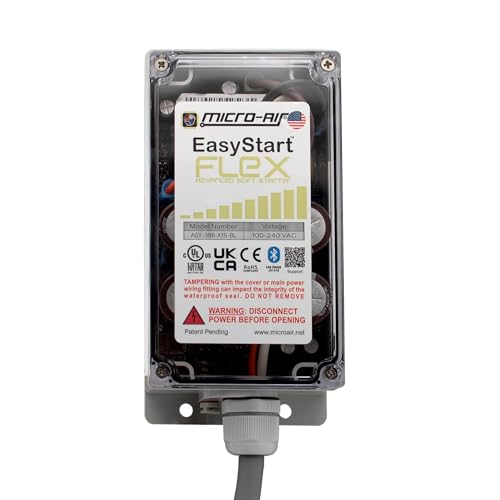
MICRO-AIR EasyStart 368 Bluetooth Soft Start Kit for Home Air Conditioner, RV & Commercial Use, Works with Generators, Reduces Power Surge, Efficient Start-Up - Up to 2-3.5 Tons(ASY-368-X48 BlueTooth) : Automotive
View on AmazonRecommended Products
The Grid: The Fraying Wires Between Americans and Our Energy Future: Bakke, Gretchen
Cultural anthropologist Gretchen Bakke <strong>unveils the many facets of America's energy infrastructure, its most dynamic moments and its most stable ones, and its essential role in personal an
Emporia Gen 2 Smart Home Energy Monitor with 16 50A Circuit Level Sensors | Real Time Electricity Monitor/Meter | Solar/Net Metering - Amazon.com
See how much electricity your home is using anywhere, anytime. ... <strong>Add individual 50A sensors to your Vue to monitor up to 16 individual circuits</strong> — providing accurate energy use for t
MICRO-AIR EasyStart 368 Bluetooth Soft Start Kit for Home Air Conditioner, RV & Commercial Use, Works with Generators, Reduces Power Surge, Efficient Start-Up - Up to 2-3.5 Tons(ASY-368-X48 BlueTooth) : Automotive
COMPATIBILITY WITH GENERATORS: ... power-limited locations. This Easy Start flex home ac soft starter is <strong>compatible with 2-stage compressors and heat pump units</strong>, making it a versatile