
Wind Turbine 101: How They Work, Types, Costs, and Environmental Impact
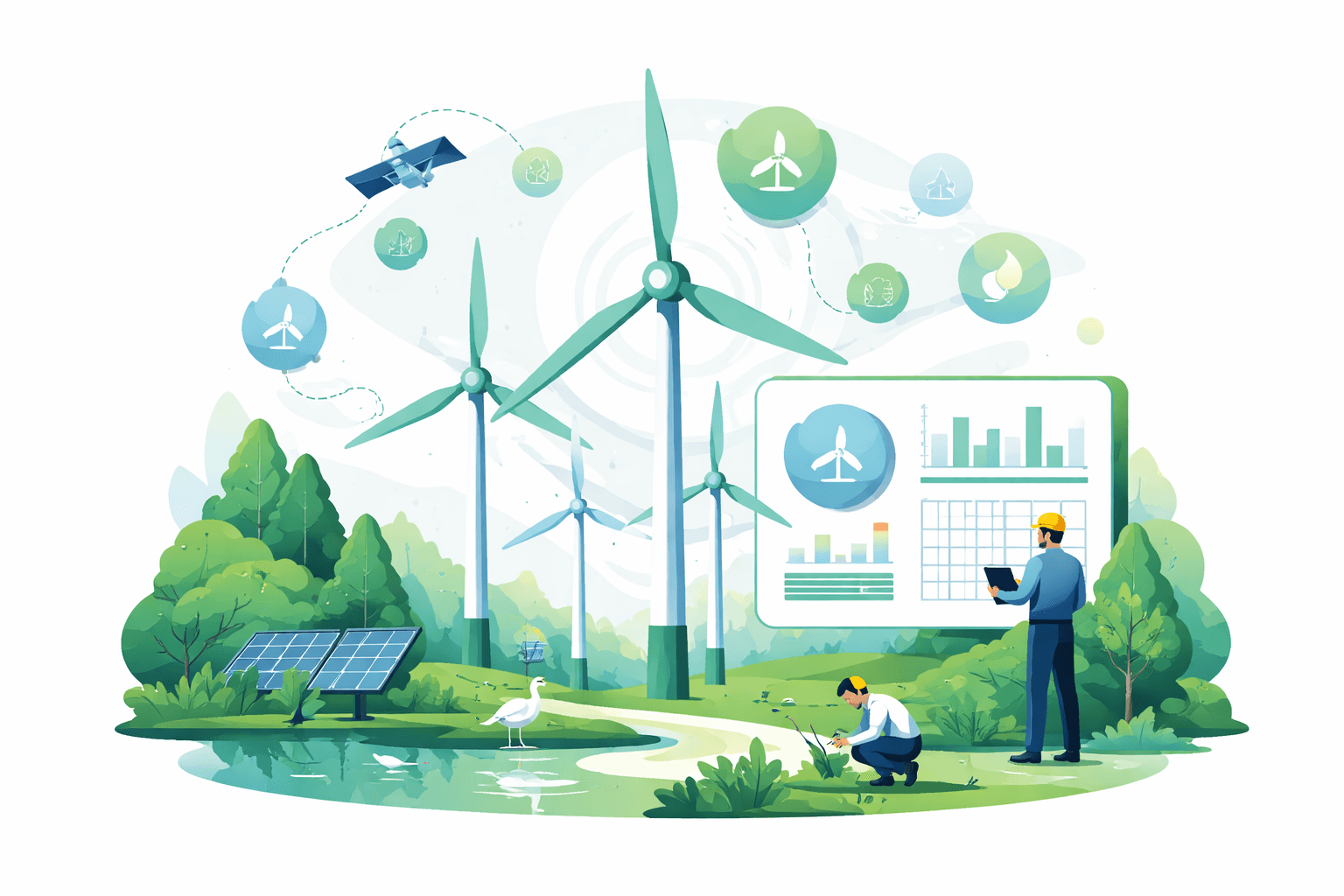
Wind turbines passed 1 terawatt (1,021 GW) of cumulative installed capacity globally in 2023 after a record 117 GW of new additions, according to the Global Wind Energy Council (GWEC). Offshore wind reached roughly 75 GW, while onshore remains the backbone of growth. For anyone curious about how a wind turbine converts moving air into affordable, low‑carbon electricity, this guide translates the physics, the engineering, the economics, and the environmental trade‑offs into clear, data‑rich answers.
If you want a quick primer on the basics before diving in, see our simple explainer: How Do Wind Turbines Work? Simple Explanation, Components & Facts.
What is a wind turbine? Key components and terminology
A wind turbine is an electromechanical system that converts kinetic energy in wind into electrical energy via rotating blades, a drivetrain, and a generator. Modern utility‑scale machines are horizontal‑axis wind turbines (HAWTs) mounted on tall towers with three blades.

Wind Energy Handbook: Burton, Tony, Jenkins, Nick, Sharpe, David, Bossanyi, Ervin
"I highly recommend the classic and definitive reference book Wind Energy Handbook, Second Edition by Tony Burton, Nick Jenkins, David Sharpe, and Ervin Bossanyi, to any engineering students in u
Check Price on AmazonCore components and terms:
- Rotor: The spinning assembly of blades attached to the hub. Rotor diameter (D) is the tip‑to‑tip span; swept area A = π(D/2)². Larger area captures more wind energy.
- Blades: Aerodynamic surfaces (typically 45–120 m long) shaped like airplane wings to create lift.
- Nacelle: The housing on top of the tower containing the drivetrain, generator, yaw system, and controls.
- Drivetrain: Either a gearbox that increases rotor speed to match the generator’s needs or a direct‑drive generator (no gearbox) with many poles.
- Generator: Converts mechanical rotation into electricity; often permanent‑magnet synchronous or doubly fed induction generators.
- Pitch system: Rotates blades along their longitudinal axis to regulate rotor speed and power.
- Yaw system: Turns the nacelle to face the wind.
- Tower: Elevates the rotor into higher, steadier winds. Common onshore hub heights are 80–120 m; offshore can exceed 130 m.
- Power electronics: Converters smooth output and synchronize with the grid.
- Supervisory Control and Data Acquisition (SCADA): Sensors and software that monitor performance, temperatures, vibrations, and grid conditions.
How wind turbines generate power: aerodynamics, power curves, and the Betz limit
Wind contains kinetic energy proportional to the cube of wind speed. The power available in wind is:
P_wind = 1/2 × ρ × A × V³
- ρ is air density (~1.225 kg/m³ at sea level), A is the rotor swept area, and V is wind speed.
- A turbine can only capture a fraction of this power, quantified by the power coefficient (C_p). The Betz limit proves no device can capture more than 59.3% of the wind’s kinetic energy. Modern turbines reach peak C_p of ~0.45–0.5 under ideal conditions.
Power curves
- Manufacturers publish a power curve showing electrical output versus wind speed. Output rises steeply with V³ from the cut‑in speed (typically 3–4 m/s), levels off near the rated power around 11–13 m/s as blades pitch to shed excess energy, then drops to zero above the cut‑out speed (usually 20–25 m/s) to protect the machine.
Capacity factor vs. rated power
- Rated power is the maximum continuous output under standard test wind conditions. Capacity factor is the actual energy generated over a period divided by the energy if the turbine ran at rated power 100% of the time. Because real winds vary, capacity factors for new onshore projects commonly average 35–45% in quality sites; modern offshore projects often achieve 45–60% (IEA, GWEC).
Types of wind turbines: onshore, offshore, utility-scale, small-scale, HAWT vs VAWT
- Onshore utility‑scale HAWT: The dominant form. Typical ratings 2–6 MW; rotors 120–170 m; hub heights 90–120 m. Lower cost, easier installation, widespread siting.
- Offshore HAWT: Larger, steadier winds enable 8–15+ MW turbines with rotors >200 m. Higher capacity factors but higher installation and O&M costs due to marine conditions. For market trends and siting, see our offshore overview: Wind Energy Growth: Analyzing the Global Shift to Offshore Wind Farms.
- Small-scale wind (residential/farm/community): 1–100 kW on 15–40 m towers. Performance is highly site‑dependent; needs clear exposure and average wind speeds typically >5.5 m/s. Rooftop mounting is rarely effective due to turbulence. For sizing and siting, see our Small Wind Turbine Guide for Homes: Cost, Size & Best Models.
- Vertical-axis wind turbines (VAWT): Axis of rotation is vertical (Darrieus, Savonius). VAWTs can handle turbulent flows and have lower centers of gravity, but most designs have lower efficiency and commercial maturity than HAWTs. Niche applications continue, including urban micro‑turbines and potential floating‑offshore concepts under research.
Performance metrics to know: rotor diameter, hub height, rated capacity, capacity factor, cut-in/cut-out speeds
- Rotor diameter (D): Bigger rotors capture more energy because swept area grows with D². A 170 m rotor has 2.4× the area of a 110 m rotor, all else equal. Large rotors also tap higher, steadier winds aloft.
- Hub height: Wind speeds generally increase with height (wind shear). Raising hub height from 80 m to 110 m can add several percentage points to annual energy production in many sites (NREL resource assessments).
- Rated capacity (MW): Indicates generator size—not typical output. Annual energy depends on site winds, rotor, and controls.
- Capacity factor (%): Real‑world productivity. New onshore projects in strong U.S. wind regions often achieve 40–50% CF; European onshore averages are lower due to siting constraints. Offshore CFs of 50–60% are common for the latest 12–15 MW platforms (IEA).
- Cut‑in speed: 3–4 m/s (6.7–9 mph). Below this, there isn’t enough energy to overcome losses.
- Rated speed: 11–13 m/s (25–29 mph). Above this, pitch control keeps output near nameplate.
- Cut‑out speed: 20–25 m/s (45–56 mph). Turbine shuts down for safety.
By the numbers (recent typical values)
- Global capacity: 1,021 GW total wind in 2023; 117 GW added in 2023 (GWEC 2024).
- Turbine size: Onshore 3–6 MW, 130–170 m rotors; Offshore 12–15 MW, 200–240 m rotors (e.g., V236‑15.0 MW).
- Capacity factor: 35–45% onshore (good sites), 45–60% offshore (IEA, GWEC).
- Sound at 300 m: ~35–45 dBA—similar to a quiet library to suburban nighttime ambiance (NREL/DOE).
- Lifecycle emissions: ~8–12 gCO₂e/kWh (IPCC AR6), ~95% lower than gas (~400–500 g) and coal (~800–1,000 g) without CCS.
Costs and economics: capital expenditure, O&M, LCOE, incentives, and payback examples
Installed cost (CAPEX)
- Onshore: Many markets report $1,250–$1,800 per kW for new utility‑scale projects in 2022–2023, depending on rotor size, grid interconnection, and logistics (Lawrence Berkeley National Laboratory, Wind Technologies Market Report 2023; U.S. DOE).
- Offshore: $3,000–$6,500 per kW typical, with project‑specific variations due to foundations (monopile vs. jacket), water depth, distance to shore, and installation vessels (IEA/OECD analyses). Supply chain tightness in 2023–2024 temporarily raised costs in some markets.
Operating costs (O&M)
- Onshore: Often $10–$20 per MWh for mature fleets, covering scheduled maintenance, spare parts, land leases, and balance‑of‑plant upkeep (LBNL, NREL).
- Offshore: Higher due to marine access and corrosion—commonly $40–$60 per MWh, with optimization via condition‑based maintenance, service operations vessels, and helicopters (IEA).
Levelized cost of energy (LCOE)
- Global weighted‑average LCOE in 2022: Onshore wind ~$33/MWh, offshore ~$81/MWh (IRENA, Renewable Power Generation Costs 2022). Regional results vary with wind resource, financing, and supply chain.
- U.S./OECD ranges (unsubsidized) in 2024 assessments: Onshore roughly $25–$60/MWh; offshore $70–$140/MWh, reflecting recent cost volatility (Lazard LCOE v17, 2024).
Incentives and market design
- United States: The Inflation Reduction Act (IRA) extended the Production Tax Credit (PTC) and Investment Tax Credit (ITC) through at least 2032. The PTC has historically equated to roughly 2.6–2.8 cents/kWh (inflation‑adjusted) for qualifying projects, significantly improving project economics. Additional bonuses for domestic content and energy communities can apply (U.S. DOE/IRS guidance). Many states also procure wind through Renewable Portfolio Standards (RPS) and long‑term offtake contracts.
- Europe/UK: Competitive auctions and Contracts for Difference (CfDs) set strike prices that de‑risk revenues. Recent auctions reflect both falling technology costs over the past decade and near‑term inflation in supply chains.
- Emerging markets: Concession tenders, feed‑in tariffs, and blended finance from development banks can reduce financing costs.
Payback examples (illustrative)
- Onshore utility‑scale: A 200 MW project at $1,500/kW ($300 million CAPEX), 40% CF, 8% WACC, $15/MWh O&M, and $40/MWh PPA could expect an unlevered LCOE in the mid‑$30s to low‑$40s/MWh. With a PTC, effective net LCOE can drop by >$20/MWh, materially shortening payback (Lazard/NREL modeling conventions).
- Offshore: A 600 MW fixed‑bottom project at $4,500/kW ($2.7 billion CAPEX), 50% CF, 7% WACC, $50/MWh O&M might model to $80–$120/MWh depending on foundation, cable route, and financing. CfDs or tax credits stabilize cash flows and improve bankability.
For a deeper dive into project‑level price drivers, see our breakdown: Wind Energy Installation Costs: Realistic Price Ranges, Cost Drivers & Ways to Cut Your Bill.
Environmental and social impacts: lifecycle emissions, wildlife, noise, land use, and mitigation
Lifecycle greenhouse gases
- The IPCC’s latest assessment synthesizes dozens of life‑cycle assessments and places onshore wind’s median at roughly 10 gCO₂e/kWh (range a few to ~20 g), largely from materials and construction. Offshore is similar, with slightly higher ranges in some studies due to foundations and vessels (IPCC AR6 WGIII). In operation, wind emits no CO₂.
Wildlife interactions
- Birds: U.S. studies estimate annual bird fatalities from wind in the low hundreds of thousands (e.g., ~140,000–500,000), far below buildings and cats (>1–2.4 billion each in the U.S.) and vehicle collisions (hundreds of millions) (U.S. Fish & Wildlife Service; Loss et al., 2013–2015). Site screening, micro‑siting, operational curtailment, and smart cameras reduce risk.
- Bats: Certain migratory bat species are more affected, including barotrauma near moving blades. Raising cut‑in speed by 1–2 m/s during high‑risk periods can reduce bat mortality by 50–80% with modest energy loss (Arnett et al.; NREL empirical trials).
- Raptors: Targeted siting away from nesting territories and real‑time detection/curtailment technologies (e.g., high‑resolution cameras, radar) are increasingly deployed. Permitting often requires monitoring and adaptive management.
Sound and health
- Modern turbines produce aerodynamic broadband noise. Typical levels are ~35–45 dBA at 300 m—comparable to a refrigerator at a few meters or a quiet library (NREL/DOE). Most jurisdictions set nighttime noise limits (e.g., 40–45 dBA) and require setbacks based on modeling. Large epidemiological studies (e.g., Health Canada, 2014) found no association between measured turbine noise up to 46 dBA and self‑reported sleep disturbance or illness, though annoyance can occur and should be managed via siting and community engagement.
Shadow flicker and visual impact
- Rotating blades can cast moving shadows when the sun is low. Many countries limit shadow flicker at residences to ~30 hours/year and require modeling to design setbacks or vegetative screening. Visual impact is subjective but can be reduced with careful layout and paint schemes.
Land use
- Wind plants space turbines to avoid wake losses (often 5–10 rotor diameters downwind and ~3–5 crosswind). The total project area might be 30–50 acres per MW, but direct physical footprint—pads, roads, substations—typically occupies only ~1–5% of that, leaving most land for farming or grazing (NREL land‑use studies). Offshore wind avoids terrestrial land use but requires careful marine spatial planning to minimize conflicts with fisheries, shipping, and wildlife.
Materials, recycling, and circularity
- Steel towers and nacelle metals are readily recycled. Blades—historically thermoset composites—are harder to recycle. Solutions include co‑processing in cement kilns (recovering energy and minerals), mechanical grinding for fillers, and new chemistries. Siemens Gamesa’s RecyclableBlade and Vestas‑led circularity projects aim to recover fibers and resins at end‑of‑life. Policy and procurement (e.g., extended producer responsibility, recycled content credits) are spurring investment.
Community engagement and benefits
- Landowner lease payments, local tax revenues, construction jobs, and community benefit funds can align interests. Transparent wind resource data, noise/flicker modeling, and decommissioning bonds build trust.
For myth‑busting on common concerns, our explainer offers data‑driven context: Wind Energy Explained: How It Works, Benefits, Challenges & Future.
Maintenance, lifespan, and decommissioning best practices
Lifespan and availability
- Design life is typically 20–25 years, with many projects repowered around year 15–20—replacing rotors and nacelles on existing towers to boost energy. Fleetwide availability commonly exceeds 97–98% with proactive maintenance (IEA Wind Task reports).
Maintenance regimes
- Scheduled (preventive): Routine inspections, lubrication, filter changes, bolt torquing, blade leading‑edge repairs.
- Condition‑based: SCADA‑driven analytics and vibration monitoring predict gearbox bearing wear, generator faults, or blade damage to schedule repairs just‑in‑time.
- Corrective: Unplanned fixes after a fault or storm event.
Technologies improving O&M
- Drones and AI image analysis detect blade erosion and cracks without rope access.
- Lidar and advanced pitch/yaw controls trim loads and reduce fatigue.
- Direct‑drive generators cut gearbox failures; advanced gearboxes extend mean time between overhauls.
Costs and practices
- Proactive leading‑edge protection can recover several percent of annual energy otherwise lost to erosion. Spare‑parts strategies and component refurbishment (e.g., bearings, converters) reduce O&M costs.
End‑of‑life and decommissioning
- Contracts typically require decommissioning plans and bonding. Foundations can be partially or fully removed; topsoil restored. Metals are recycled; blades are increasingly routed to recycling or cement co‑processing rather than landfilling. Repowering can extend site life with far fewer foundations and roads than new‑build.
For field‑proven tips that raise output and cut costs, see: Practical Wind Turbine Maintenance Tips to Maximize Performance and Reduce Costs.
Who should consider which wind turbine: homeowners, communities, and utilities
- Homeowners/rural properties: Small wind can work where average wind speeds exceed ~5.5 m/s (12–13 mph) at a hub height above nearby obstructions, with room for a 18–30 m tower and local permits. Expect realistic capacity factors of 10–25% depending on site quality. If trees or buildings surround your site or average wind speeds are <5 m/s, on‑site solar may outperform small wind. Our homeowner buyer’s guides walk through siting, towers, and realistic yields: Small Wind Turbine Guide for Homes: Cost, Size & Best Models.
- Communities/municipal utilities: Community‑scale projects (hundreds of kW to a few MW) can match local load profiles, support microgrids, and pair with batteries. Public engagement, transparent siting, and benefit‑sharing are critical.
- Utilities and IPPs: Utility‑scale onshore wind remains one of the lowest‑cost new sources of electricity in wind‑rich regions. Offshore wind suits coastal load centers and complements solar with higher winter output and evening winds. Long‑duration PPAs or CfDs stabilize revenues.
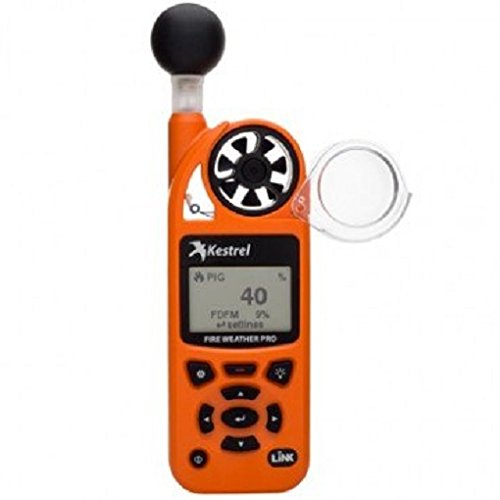
Kestrel 5500 Weather Meter with Link and Vane Mount, Olive Drab : Patio, Lawn & Garden
View on AmazonCommon FAQs about wind turbines
- How quickly does a wind turbine “pay back” the energy used to build it? Multiple LCAs show energy payback times of about 6–12 months for onshore turbines and roughly 1–2 years for offshore, depending on site winds and supply chain energy mix (NREL; IEA). Over its life, a turbine typically generates 30–70× the energy invested in its manufacture and installation.
- Do turbines work in cold climates? Yes. Cold‑weather packages include low‑temperature lubricants, heaters for gearboxes and power electronics, and blade de‑/anti‑icing. Many fleets operate reliably at −30°C. Temporary icing can reduce output; operational strategies mitigate risk.
- Are rooftop wind turbines a good idea? Usually not. Rooflines create turbulence that slashes performance and increases fatigue loads. A tall, free‑standing tower is almost always required for meaningful energy.
- How much land does a wind plant use? Spacing may be ~30–50 acres per MW across the project area, but only ~1–5% is permanently occupied; the rest remains in agriculture or open space (NREL). Offshore uses ocean space but avoids terrestrial land conversion.
- Can batteries solve wind’s variability? Batteries excel at fast balancing, ramp control, and shifting several hours of energy; they pair well with wind to smooth output. Seasonal variability still requires transmission, demand response, diverse resources, and possibly long‑duration storage or clean firm power.
- What about grid impacts? Modern power electronics provide synthetic inertia, frequency response, and fault ride‑through. With proper grid codes, wind plants contribute to stability; system operators increasingly use probabilistic forecasting to schedule reserves efficiently (IEA, NREL).
Practical implications and next steps
- For consumers: If you’re exploring a home wind turbine, invest first in wind resource assessment (mast anemometer or validated mesoscale data) and ensure permitting for a tall tower. Consider whether rooftop solar or efficiency delivers better returns at your site.
- For businesses and municipalities: Corporate PPAs and community choice aggregations can lock in competitive, low‑carbon electricity. Co‑locating wind with solar and batteries can raise capacity factors and optimize transmission use.
- For policymakers: Stable auctions/CfDs, streamlined permitting with strong environmental safeguards, and investments in ports, HV transmission, and domestic manufacturing can lower costs and speed deployment while improving biodiversity outcomes through better siting tools.

Davis Instruments Wireless Vantage Pro2 Weather Station with WeatherLink Console - Metric : Patio, Lawn & Garden
View on AmazonWhere this is heading
- Bigger rotors, taller towers, and advanced controls continue to raise capacity factors. Offshore is scaling to 15–20 MW machines with 230–260 m rotors, including floating platforms unlocking deeper waters. Digital twins, blade circularity, and power‑to‑X (green hydrogen, e‑fuels) will broaden wind’s role beyond electrons. Despite near‑term cost pressures, agencies like IEA and IRENA project wind to be a cornerstone of least‑cost decarbonization to 2030 and 2050.
If you want a deeper technical refresher on aero, components, and grid integration, see: How Wind Turbines Work: The Science, Components, and Real‑World Impact.
Recommended Products
Wind Energy Handbook: Burton, Tony, Jenkins, Nick, Sharpe, David, Bossanyi, Ervin
"I highly recommend the classic and definitive reference book Wind Energy Handbook, Second Edition by Tony Burton, Nick Jenkins, David Sharpe, and Ervin Bossanyi, to any engineering students in u
Davis Instruments Wireless Vantage Pro2 Weather Station with WeatherLink Console - Metric : Patio, Lawn & Garden
Mount anemometer up to 12 m from the rest of sensor suite for flexible siting. Rugged, weather-proof housing gives you years of reliable data. Sensor suite is solar-powered with battery back-up; conso
Kestrel 5500 Weather Meter with Link and Vane Mount, Olive Drab : Patio, Lawn & Garden
Once mounted, the Kestrel 5500 ... – with <strong>a large wind vane and precision pivot keeping the Kestrel oriented into the wind for continuous measurement and logging of wind speed, wind direction,