
Understanding Wildlife Corridors: Why Connectivity Matters and How It Works
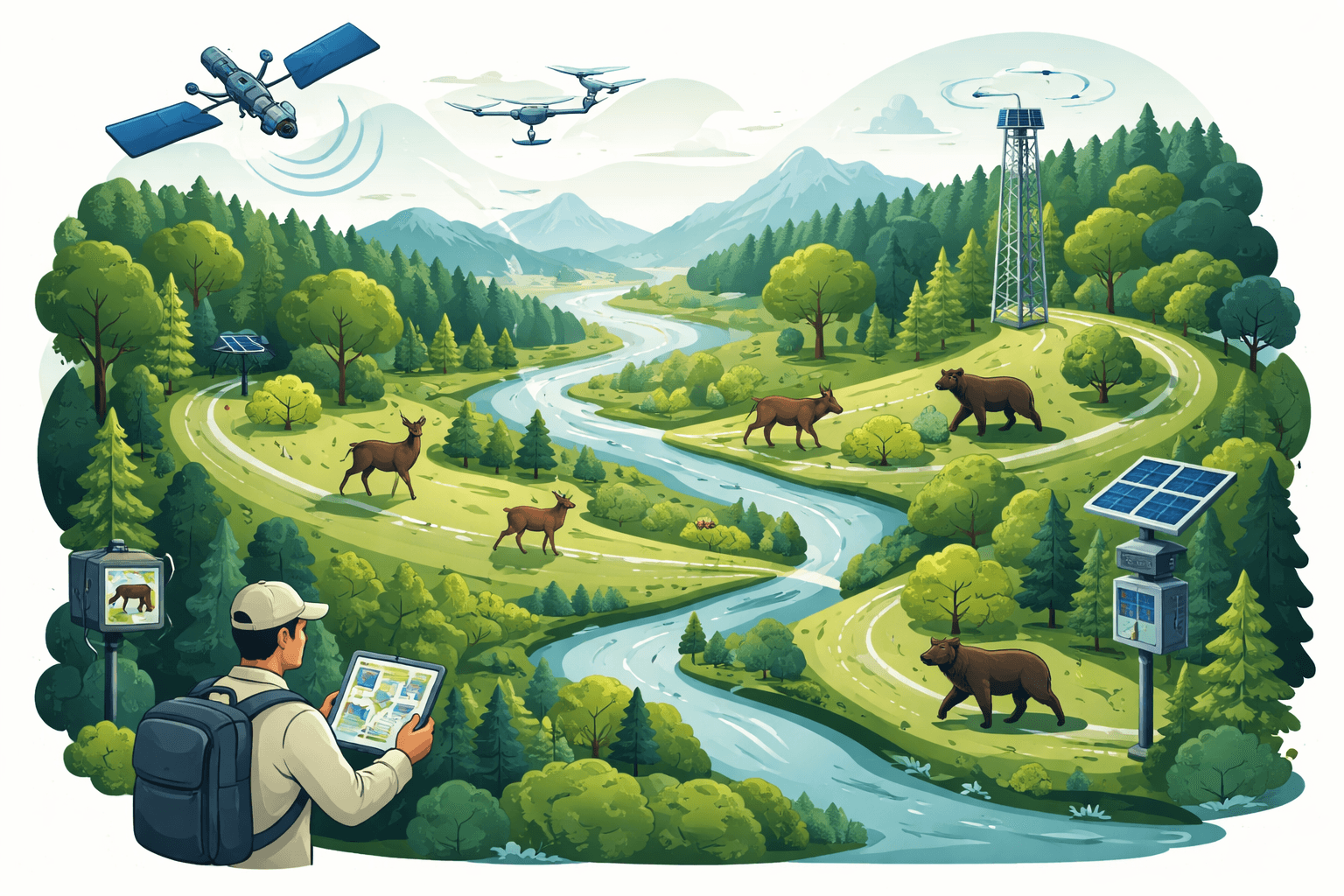
Wildlife is on the move. As climates shift, roads expand, and habitats fragment, animals must navigate increasingly complex landscapes to feed, breed, and persist. Understanding wildlife corridors is central to modern conservation because connectivity—the ability of species, genes, and ecological processes to flow across space—often determines whether populations decline or endure. The science is clear: connected landscapes support higher genetic diversity, reduce roadkill, and improve resilience to climate change (IUCN 2020; IPBES 2019).
What Are Wildlife Corridors? The Connectivity Basics
Wildlife corridors are areas of land or water that facilitate movement between otherwise isolated habitat patches. They enable three core ecological mechanisms:
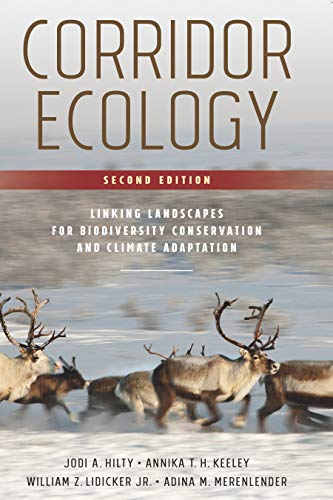
Corridor Ecology, Second Edition: Linking Landscapes for Biodiversity Conservation and Climate Adaptation: Hilty, Jodi A., Keeley, Annika T.H., Lidicker Jr., William Z., Merenlender, Adina M.
Copyright © 2019 Jodi A. Hilty, Annika T. H. Keeley, William Z. Lidicker Jr., and Adina M. Merenlender All rights reserved. ISBN: 978-1-61091-951-7 · Foreword, Preface, Introduction, Chapter 1. Backgr
Check Price on Amazon- Gene flow: exchange of genetic material among populations, which maintains diversity and reduces inbreeding depression.
- Seasonal movements: migrations or elevational shifts to track food, water, and suitable climate conditions.
- Dispersal: juveniles or subadults leaving their birth areas to establish new home ranges, repopulate vacant habitats, or colonize new ones.
Corridors operate across scales. A 10–20 meter-wide hedgerow can connect pollinator habitat in farmed landscapes. A 100–500 meter riparian strip can link amphibian and mammal populations among wetlands. For wide-ranging carnivores or migratory ungulates, connectivity takes the form of broad landscape linkages spanning tens to thousands of kilometers, not a single “green stripe.” Yellowstone-to-Yukon (Y2Y), a 3,400 km effort, is a prominent example of corridor planning at continental scale.
How corridors differ from habitat patches and stepping stones:
- Habitat patches are core areas that support most life needs (food, shelter, breeding).
- Stepping stones are discrete, discontinuous patches that allow “leapfrogging” movement across hostile matrix (e.g., small woodlots across agricultural fields).
- Corridors are continuous (or functionally continuous) connections that reduce the energetic, predation, and mortality costs of moving between patches. In practice, many networks blend all three.
Connectivity is about function, not just lines on a map. A “corridor” only works if target species actually use it. Ecologists therefore assess permeability—the ease with which an animal traverses land—based on vegetation structure, human disturbance, fencing, road density, and water barriers.
Types and Design Principles of Wildlife Corridors
Natural and Semi-Natural Corridors
- Riparian corridors: Vegetated strips along rivers and streams. They support multi-species movement, serve as drought refugia, and are hotspots of biodiversity. Effective widths often range from 30–100+ meters, with wider buffers improving function for large mammals and interior-forest birds.
- Hedgerows and shelterbelts: Linear tree and shrub plantings connecting fields and woodlots. Studies show hedgerows increase pollinator abundance and provide dispersal routes for small mammals and birds; widths of 5–20 meters with layered native vegetation enhance use and reduce edge exposure.
- Coastal and dune systems: Shoreline vegetation and dune complexes can connect nesting and foraging areas for coastal species when development setbacks maintain continuity.
- Mountain passes and ridgelines: Natural topographic linkages that channel ungulate and carnivore movement across ranges.
Engineered Crossing Structures
Where roads, railways, and canals fragment landscapes, built infrastructure can restore connectivity:
- Overpasses (ecoducts): Vegetated bridges over highways. Overpasses 50–70 meters wide are commonly used by ungulates and carnivores; wider structures with natural substrates and noise barriers increase effectiveness (FHWA 2018; Parks Canada data from Banff).
- Underpasses and large culverts: Tunnels or enlarged culverts. Usage increases with the “openness ratio” (height × width ÷ length), natural floors, daylight, and proximity to preferred habitat.
- Fencing with escape ramps: Fencing (often 2.4 m / 8 ft for deer/elk) funnels animals to safe crossings and reduces vehicle collisions. One-way escape ramps and wildlife gates prevent animals from being trapped.
- Small-species passages: Amphibian tunnels, fish ladders, and retrofitted culverts with baffles or low-flow channels.
A 2016 global meta-analysis found roadkill declines by 83% when crossing structures are paired with fencing (Rytwinski et al., PNAS; also summarized by FHWA). Cost–benefit analyses show wildlife crossings can pay for themselves: for deer, elk, and moose, benefit–cost ratios were positive in most scenarios due to reduced crashes, injuries, and vehicle damage (Huijser et al. 2009).
Design Principles and Metrics
Corridors succeed when tailored to species and landscape context:
- Width and habitat quality: Wider is generally better, but quality can substitute for width. Dense cover, native vegetation, and minimal human disturbance increase usage.
- Permeability: Reduce barriers (fences, busy roads, canals) and “friction” (open fields for cover-dependent species). Land-use zoning can keep high-friction uses out of corridors.
- Species-specific needs:
- Ungulates prefer wide, open overpasses with clear sightlines.
- Carnivores favor cover and reduced human scent on structures.
- Amphibians require moist substrates and low-velocity flow paths under roads.
- Network configuration: Graph theory and circuit theory models identify multiple pathways, pinch points, and redundancy. Tools include Circuitscape/Omniscape (current-flow models), Linkage Mapper, and Conefor (Probability of Connectivity, Integral Index of Connectivity).
- Monitoring and adaptive management: Use camera traps, GPS telemetry, eDNA, and before–after–control–impact (BACI) study designs to measure effectiveness and refine designs over time.
Evidence of Effectiveness and Ecosystem Benefits
Reduced Wildlife–Vehicle Collisions
- Banff National Park, Canada: A system of 44 crossing structures and 82 km of fencing along the Trans-Canada Highway reduced wildlife–vehicle collisions with deer and elk by 80–96% and documented more than 150,000 animal crossings over two decades (Parks Canada; Clevenger & Waltho).
- Wyoming, USA (Trapper’s Point): Overpasses and underpasses along pronghorn and mule deer migration routes cut collisions by roughly 79–81% while maintaining centuries-old migratory behavior (Wyoming DOT; Sawyer et al.).
- The Netherlands: A national network of ecoducts and amphibian tunnels has documented increased safe passage for red deer, badger, and small fauna. Dutch agencies report hundreds of dedicated wildlife crossings, with overpasses typically 50–70 m wide for large mammals.
In the United States alone, wildlife–vehicle collisions are estimated in the 1–2 million range annually, causing around 200 human fatalities and billions of dollars in damage and medical costs (FHWA; Insurance Institute for Highway Safety/State Farm data). Projects funded by the 2021 federal Wildlife Crossings Pilot Program (US$350 million over five years) target high-collision hotspots identified through crash data and carcass surveys.
Population Persistence and Gene Flow
Corridors do more than reduce mortality; they keep populations viable:
- Genetic connectivity: Studies using microsatellites and SNPs show that even narrow riparian strips restore gene flow for small mammals and amphibians, while broad linkages maintain genetic diversity for large carnivores. In the Canadian Rockies, repeated monitoring has documented grizzly bear use of crossings by multiple age and sex classes, indicating functional demographic connectivity.
- Recolonization and dispersal: After habitat restoration in California and the Pacific Northwest, fish passage structures reconnected stream segments, boosting access to spawning habitat for salmonids by tens to hundreds of kilometers in some watersheds (NOAA Fisheries restoration reports).
Climate-Change Resilience
As temperatures rise, species are shifting ranges poleward and upslope—a meta-analysis found average latitudinal shifts around 17 km per decade and elevational shifts near 11 m per decade (Chen et al. 2011, Science). Corridors and permeable landscapes enable these movements, reducing local extirpations and allowing tracking of suitable climates. The Convention on Biological Diversity’s Kunming–Montreal framework and IUCN guidance both elevate ecological connectivity as essential to meeting “30x30” goals and adapting to climate risk.
Ecosystem co-benefits accrue as well: riparian corridors improve water quality and flood buffering; hedgerows enhance pollination and natural pest control; connected forests facilitate seed dispersal and carbon storage continuity.
Threats, Trade-Offs, and Implementation Challenges
Corridors are not risk-free, and good planning matters.
- Land-use conflicts and costs: Corridors may compete with development, agriculture, and transportation priorities. Acquisition and construction can be expensive, though long-term safety and ecosystem services often deliver net benefits.
- Invasive species spread: Linear habitats can act as conduits for invasives (e.g., cheatgrass, feral predators). Management plans should include prevention and rapid response.
- Edge effects and predation risk: Narrow corridors with high edge-to-area ratios may increase exposure to predators, human disturbance, or microclimatic stress. Vegetative structure and width can mitigate these effects.
- Fencing dilemmas: While fencing reduces roadkill, poorly designed fences can block non-target species or fragment movement if not paired with crossings and escape features.
- Disease transmission: Connectivity can facilitate pathogen spread (e.g., chronic wasting disease). Risk assessments and surveillance should accompany corridor projects.
- Unintended ecological traps: A corridor that funnels animals into high-risk areas (poaching hotspots, busy roads without crossings, toxic water bodies) can worsen outcomes. Scenario testing and phased implementation reduce this risk.
- Funding and maintenance: Crossing structures and corridor easements require long-term stewardship, vegetation management, and monitoring budgets. Dedicated funding streams (e.g., transportation safety funds) help de-risk maintenance gaps.
Policy, Planning, and Cross-Sector Integration
Mainstreaming Corridors in Land-Use and Infrastructure
- Transportation: The U.S. Infrastructure Investment and Jobs Act created the Wildlife Crossings Pilot Program; FHWA now provides design guidance that integrates crash data, carcass surveys, and habitat models. European transport policies and national defragmentation programs (e.g., Germany’s Wiedervernetzung) formalize crossings on key road segments. Many countries now require mitigation for new roads and rails in sensitive habitats.
- Conservation frameworks: The CBD’s Global Biodiversity Framework embeds connectivity in spatial planning. IUCN’s 2020 Guidelines for Conserving Connectivity through Ecological Networks and Corridors offer standards for designation, governance, and monitoring.
- Regional initiatives: India has mapped 100+ elephant corridors to guide mitigation and land-use decisions (Wildlife Trust of India). In southern Africa, transfrontier conservation areas like KAZA enable elephant movements across five countries while balancing community and tourism needs. In Australia, the Great Eastern Ranges partnership works with landholders to restore a 3,600 km conservation corridor.
- Renewable energy siting: Wind, solar, and transmission can either fragment or facilitate connectivity depending on placement and design. Sensitivity mapping can steer projects away from high-value corridors; wildlife-friendly fencing around solar sites, turbine-free buffers along migratory pathways, and bird-safe transmission (line marking, insulation, and targeted undergrounding) maintain permeability while decarbonizing the grid.
Tools for Mapping and Monitoring
- Spatial modeling: Circuitscape/Omniscape for current-flow connectivity; Linkage Mapper for least-cost paths; Conefor for network metrics (Probability of Connectivity, Integral Index of Connectivity); Marxan Connect for protected-area networks.
- Data sources: GPS/Argos telemetry, camera traps, acoustic sensors, eDNA/water sampling, roadkill/collision databases, and participatory mapping with local communities and Indigenous knowledge.
- Decision-support: Multi-criteria analyses blend species models, land tenure, climate refugia, and development scenarios to prioritize “no-regrets” corridors with co-benefits (water, fire breaks, carbon).
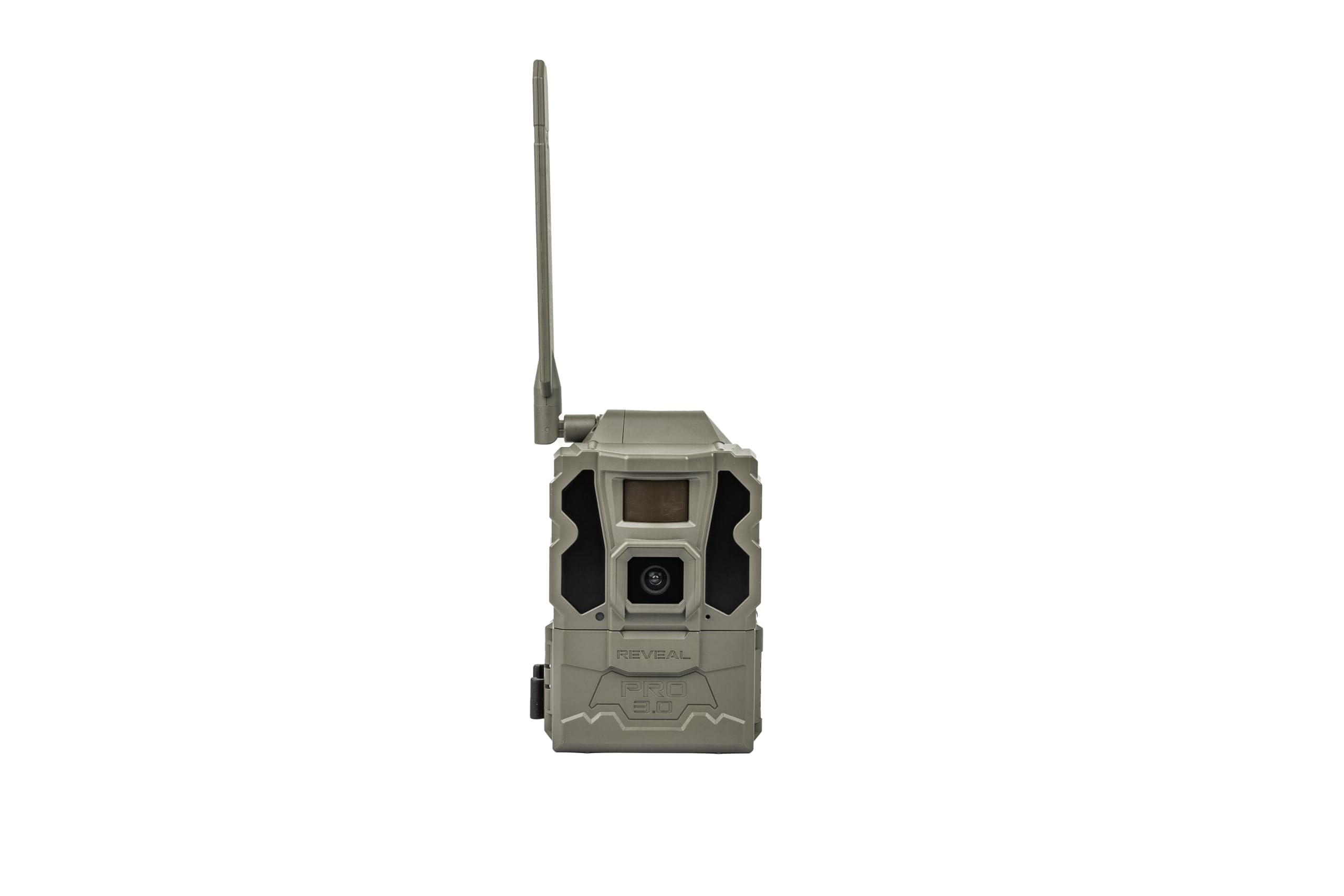
TACTACAM Reveal X Gen 3.0 Cellular Trail Camera: Auto Connect 4G LTE, 4K Photo, 1080p Video, Low-Glow IR Flash, No SD Card Needed, Long Battery Life – Best Hunting, Game & Property Monitoring Camera
View on Amazon
RECONYX HyperFire 2 Covert IR Camera (OD Green)
View on AmazonFor organizations building monitoring programs around crossings and corridors, AI-enabled camera traps and automated acoustic analysis can reduce costs and speed up data review. See our guide on AI tools and data needs for field deployments in conservation for practical tips and pitfalls. AI for Wildlife Monitoring: Technologies, Data Needs, and Practical Conservation Applications
By the Numbers: Wildlife Corridors and Connectivity
- 1–2 million: Estimated annual wildlife–vehicle collisions in the U.S., with ~200 human fatalities (FHWA; IIHS/State Farm).
- 80–96%: Typical reduction in ungulate collisions where fencing is paired with wildlife crossings (Rytwinski et al. 2016; FHWA 2018).
- 150,000+: Documented wildlife crossings over Banff’s structures in ~20 years, with major crash reductions (Parks Canada).
- 17 km/decade: Average poleward range shift observed across taxa; corridors enable climate tracking (Chen et al. 2011, Science).
US$350 million: U.S. Wildlife Crossings Pilot Program funding over 5 years (FHWA 2022–2026).
Practical Implications: What This Means for Planners, Businesses, and Communities
- Transportation agencies: Integrate crossings early in project development. Use crash and carcass data to identify hotspots; pair structures with fencing; design for target species based on local surveys and telemetry.
- Land-use planners: Reserve and zone corridor areas; incentivize wildlife-friendly fencing; require connectivity impact assessments for major developments; prioritize riparian buffers and topographic pinch points.
- Renewable energy developers: Co-locate in lower-sensitivity zones; maintain movement buffers; mark transmission lines for birds; plan construction windows around migrations and breeding seasons.
- Conservation organizations: Blend land acquisition, conservation easements, and community agreements to secure corridors; invest in long-term monitoring and adaptive management.
- Private landowners and communities: Maintain or plant native hedgerows; keep bottom barbed-wire strands ≥46 cm (18 inches) from the ground for pronghorn and deer; install wildlife-friendly culverts during driveway or farm road upgrades; report roadkill hotspots to local agencies.
For readers interested in broader landscape restoration strategies that often embed corridors, see our explainer on rewilding and how it reconnects habitats across scales. What Is Rewilding? How Ecosystem Restoration Is Changing Conservation
If you are planning a protected area or land stewardship strategy, connectivity should be a core design criterion alongside representation and threat abatement. Our guide to land conservation planning outlines governance and long-term management considerations that pair well with corridor projects. Land Conservation Best Practices: Planning, Protection, Stewardship, and Long-Term Management
Connectivity is also one of the clearest adaptation levers as climate disruptions intensify. Species that can move are more likely to persist. Explore the evidence base for climate-driven range shifts and the conservation actions that help wildlife keep pace. How Climate Change Is Reshaping Wildlife: Impacts, Evidence, and Solutions
Understanding Wildlife Corridors: From Plans to Practice
Turning maps into functioning corridors requires governance, funding, and feedback loops:
- Define conservation targets and focal species.
- Select “umbrella” species whose movement needs cover others (e.g., elk, grizzly bear), and include small-bodied or moisture-dependent species to avoid bias toward large mammals.
- Map current and future connectivity.
- Use species distribution models, land-cover maps, telemetry, and climate projections. Identify pinch points where small investments yield large gains.
- Prioritize interventions.
- Protect intact linkages through easements or acquisitions.
- Restore degraded links (riparian replanting, fence removal, road decommissioning).
- Mitigate hard barriers (crossings, fish passage retrofits, wildlife-friendly fencing).
- Build cross-sector partnerships.
- Transportation, energy, water, and agriculture agencies; Indigenous nations; private landowners; community groups.
- Monitor, evaluate, adapt.
- Establish baselines and BACI designs; track use (cameras, eDNA), safety outcomes (collision data), and biological endpoints (occupancy, reproduction, genetic diversity). Publish and share methods for replication.
- Secure durable stewardship.
- Dedicated funding for maintenance, invasive control, and vegetation management. Align incentives (e.g., safety funding, insurance partnerships, carbon and water co-benefits) to sustain projects over decades.
As biodiversity loss and climate risks accelerate, understanding wildlife corridors is no longer a niche concept—it’s core infrastructure for living systems. The policy momentum is real, the engineering works, and the ecological payoffs are measurable. Designing for connectivity now can lock in safer roads, more resilient ecosystems, and healthier wildlife populations for generations.
Recommended Products
Corridor Ecology, Second Edition: Linking Landscapes for Biodiversity Conservation and Climate Adaptation: Hilty, Jodi A., Keeley, Annika T.H., Lidicker Jr., William Z., Merenlender, Adina M.
Copyright © 2019 Jodi A. Hilty, Annika T. H. Keeley, William Z. Lidicker Jr., and Adina M. Merenlender All rights reserved. ISBN: 978-1-61091-951-7 · Foreword, Preface, Introduction, Chapter 1. Backgr
RECONYX HyperFire 2 Covert IR Camera (OD Green)
Buy RECONYX HyperFire 2 Covert IR Camera (OD Green): Game & Trail Cameras - Amazon.com ✓ FREE DELIVERY possible on eligible purchases
TACTACAM Reveal X Gen 3.0 Cellular Trail Camera: Auto Connect 4G LTE, 4K Photo, 1080p Video, Low-Glow IR Flash, No SD Card Needed, Long Battery Life – Best Hunting, Game & Property Monitoring Camera
Tactacam REVEAL X Gen 3.0 Cellular Trail Camera - <strong>Multi Carrier, HD Photos & Videos, Pre-Installed Antenna, Built-in GPS, Best Battery Life, Low-Glow IR Flash, Fast Trigger Speed + 32GB SD
More in Sustainability Policy
- Protecting Wildlife Habitats: A Practical Guide to Conservation, Technology, and Action
- Wildlife Conservation: Key Strategies, Threats, and How You Can Help
- Why Wildlife Conservation Matters: Ecosystems, People, and Practical Solutions
- Wildlife Habitat Restoration Projects: Goals, Techniques, and Measuring Long-Term Success