
Freshwater Conservation Challenges: What’s Driving the Crisis and How to Respond
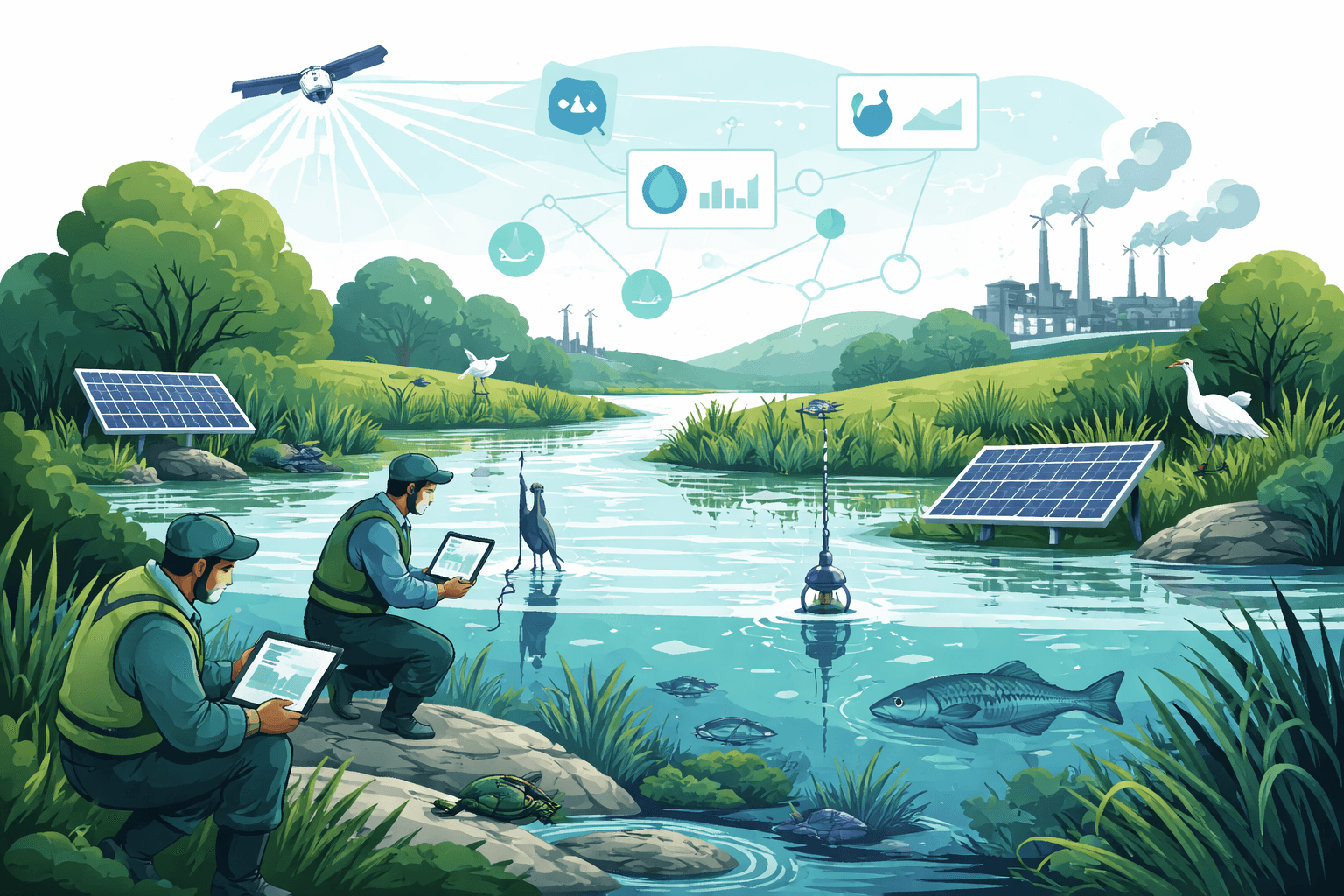
Across every continent, freshwater systems are under stress. Half of the world’s population experiences severe water scarcity for at least one month each year, and 2 billion people lack safely managed drinking water services, according to WHO/UNICEF. Freshwater vertebrate populations have declined 83% since 1970 (WWF Living Planet Report). These numbers put freshwater conservation challenges at the center of climate resilience, biodiversity protection, and human development.
This analysis breaks down the pressures behind the crisis, the consequences for people and nature, and the most credible solutions—drawing on data from UN-Water, FAO, IPCC, IUCN, and other leading sources.
By the numbers
- 2.0 billion people lack safely managed drinking water services (WHO/UNICEF, 2023)
- ~70% of global freshwater withdrawals go to agriculture (FAO AQUASTAT)
- 4.0 billion people face severe water scarcity at least one month per year (Mekonnen & Hoekstra, 2016)
- 83% decline in freshwater vertebrate populations since 1970 (WWF, 2022)
- ~80% of wastewater is released to the environment without adequate treatment (UN-Water)
- 35% of wetlands lost since 1970 (Ramsar Global Wetland Outlook)
- Global water demand projected to rise 20–25% by 2050 (UNESCO WWDR 2023)
Water: A Biography , Boccaletti, Giulio - Amazon.com
Boccaletti takes the reader on a polyglot tour de force that shows how the flow of human history, economics and geopolitics is utterly connected to the constant blue thread of our need for water. Wate
Check Price on AmazonWhat are the main freshwater conservation challenges?
Freshwater conservation challenges fall into five linked categories: scarcity, overuse, pollution, habitat loss, and climate-driven variability.
1) Physical scarcity and seasonal deficits
- Hydrological scarcity occurs when renewable supply cannot meet demand in a basin, especially in dry seasons.
- Economic scarcity occurs where water exists but infrastructure and governance are insufficient to deliver it reliably.
- Severe seasonal scarcity already affects billions for at least a month per year, often in river basins with rapidly growing urban and agricultural demand.
2) Overuse and groundwater depletion
- Groundwater provides about 50% of global drinking water and 43% of irrigation water (UNESCO; FAO). In key aquifers across India, the U.S., and the Middle East, satellite data (NASA GRACE) reveal long-term declines.
- Over-abstraction lowers water tables, dries wells, increases pumping costs, and can cause land subsidence. Studies have found 6–20% of wells at risk of running dry as water tables fall in some regions.
3) Pollution and degraded water quality
- Nutrient runoff (nitrogen, phosphorus) from farms drives eutrophication—algal blooms that deplete oxygen and create dead zones.
- Industrial discharges, mine tailings, pesticides, pharmaceuticals, and microplastics further impair rivers and lakes.
- UN-Water estimates roughly 80% of wastewater is returned to the environment untreated or inadequately treated, contaminating downstream sources and aquifers.
4) Habitat loss and river fragmentation
- Only 37% of rivers longer than 1,000 km remain free-flowing from source to sea (Nature, 2019). Dams, levees, and channelization fragment habitats, block fish migration, and alter sediment flows.
- Wetlands—among the planet’s most biodiverse and carbon-rich ecosystems—have declined by 35% since 1970 (Ramsar), reducing natural water storage and filtration.
5) Climate-driven changes in rainfall, snowpack, and recharge
- IPCC AR6 finds the hydrological cycle is intensifying: wet regions and seasons often get wetter, dry ones drier, and extremes more frequent.
- For each 1°C of warming, the atmosphere can hold ~7% more moisture, intensifying extreme rainfall events and flood risk, while warming also reduces snowpack and shifts spring melt earlier—undermining water availability in summer.
These freshwater conservation challenges interact: drought can concentrate pollutants; overpumping during dry years accelerates aquifer depletion; flood-control levees can starve downstream wetlands of sediment, making coasts more vulnerable to storms.
Human and economic pressures driving freshwater stress
Agriculture dominates withdrawals
- Irrigated agriculture uses about 70% of global freshwater withdrawals (FAO). In some basins, irrigation consumes over 90% of available water in dry seasons.
- Inefficient application (e.g., flood irrigation) can lose 30–50% of water to evaporation and runoff, while poorly timed fertilizer use amplifies nutrient pollution.
Industry and energy use significant volumes
- Manufacturing, mining, and thermoelectric power collectively account for roughly one-fifth of global withdrawals (FAO). Thermal power plants withdraw large volumes for cooling; without closed-loop systems, this can heat rivers and stress aquatic life.
- Clean-energy transitions reduce air emissions but can shift water footprints: bioenergy crops need water; some hydrogen pathways consume water; lithium and other critical mineral extraction can affect local water quality if poorly managed.
Rapid urban growth and aging infrastructure
- Urban demand is rising fast, but many cities lose 25–40% of treated water to leaks and theft—“non-revenue water” (World Bank). Aging pipes, limited metering, and underfunded utilities make it hard to keep up with growth.
- Informal settlements often lack piped services, forcing reliance on expensive vendors or unsafe sources.
Governance gaps and perverse incentives
- Subsidized electricity and water can encourage overpumping. Weak enforcement lets illegal wells proliferate.
- Fragmented jurisdictions split groundwater from surface water management, or upstream from downstream users, making basin-scale planning difficult.
Ecological and social consequences of freshwater decline
Biodiversity loss and ecosystem function
- Freshwater species are disappearing faster than terrestrial or marine counterparts. The WWF Living Planet Index shows an 83% average decline in monitored freshwater vertebrate populations since 1970.
- Altered flow regimes and fragmentation disrupt life cycles of migratory fish. Reduced “environmental flows” (the share of water left in rivers to sustain ecosystems) degrade wetlands, floodplains, and riparian forests that buffer floods and filter pollutants.
Water insecurity and public health risks
- 2 billion people lack safely managed drinking water; 3.5–3.6 billion lack safely managed sanitation (WHO/UNICEF). Unsafe water, sanitation, and hygiene contribute to an estimated 829,000 diarrheal deaths annually (WHO).
- Polluted sources force communities to spend time and money on treatment or substitutes, or to accept health risks from pathogens, heavy metals, and nitrates.
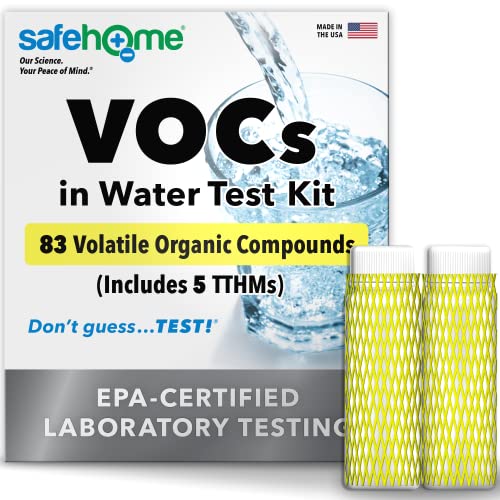
Safe Home® 200-in-1 Ultimate Drinking Water Test Kit ...
View on AmazonEconomic losses and conflict potential
- Water-related hazards—floods, storms, and droughts—accounted for roughly 74% of disaster events from 2001 to 2018 (UNDRR). Damages include destroyed crops and infrastructure, supply-chain disruption, and power outages.
- The Pacific Institute’s Water Conflict Chronology documents a rising number of conflicts linked to water scarcity, infrastructure, and allocation disputes, especially in transboundary basins.
Practical approaches and policy levers that work
Addressing freshwater conservation challenges requires managing demand, protecting supply, restoring ecosystems, and aligning incentives.
Protect and restore watersheds and wetlands
- Source-water protection: Safeguarding forests, riparian buffers, and headwaters can reduce treatment costs and stabilize flows. New York City’s Catskills program invested roughly $1–$1.5 billion in watershed protection, avoiding $8–$10 billion in filtration-plant costs while improving water quality (NYC DEP).
- Floodplain reconnection and wetland restoration store floodwaters, recharge aquifers, and filter pollutants. Nature-based solutions often deliver co-benefits for biodiversity and carbon.
- Where land protection is central to watershed health, see our guide to planning and stewardship best practices: Land Conservation Best Practices: Planning, Protection, Stewardship, and Long-Term Management.
Manage demand with efficiency, pricing, and data
- Agricultural efficiency: Converting from flood to drip or sprinkler irrigation can cut water use 20–50% while maintaining or improving yields (FAO, World Bank). Soil-moisture sensors and deficit irrigation tailor water to crop needs.
- Industrial water circularity: Closed-loop cooling, water cascading, and on-site treatment can reduce intake 40–80% in water-intensive sectors like food/beverage, chemicals, and mining.
- Urban conservation: Smart meters, leak detection, and tiered tariffs typically reduce per-capita use 5–20% while protecting affordability via “lifeline” blocks.
- Household measures: Low-flow fixtures, xeriscaping, and rain barrels or cisterns help shave peaks and reduce runoff. For practical set-up, see: Rainwater Harvesting: Practical Guide to Systems, Costs, and Benefits.
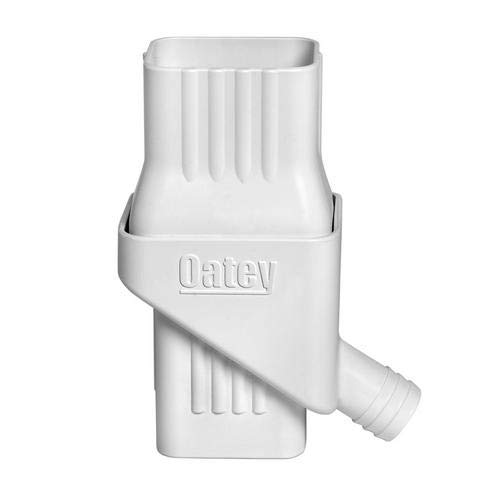
Oatey Mystic Rainwater Collection System, 2 in. x 3 in., White - Rain Barrels - Amazon.com
View on AmazonExpand safe water reuse
- Reusing treated wastewater for agriculture, industry, and aquifer recharge reduces withdrawals from rivers and aquifers and buffers drought.
- Advanced treatment (microfiltration, reverse osmosis, UV/advanced oxidation) enables indirect and direct potable reuse. The Orange County Groundwater Replenishment System now produces on the order of 150 million gallons per day, enough for more than a million people, illustrating high-reliability drought supply (OCWD).
- Policy enablers include clear reuse standards, fit-for-purpose treatment (matching quality to use), and public communication to build trust.
Set and enforce environmental flows
- Environmental flow requirements legally reserve a portion of river flow for ecosystems. Adaptive, seasonal flow rules mimic natural variability—higher spring pulses for fish spawning, lower late-summer flows with temperature limits.
- Basin authorities can integrate surface and groundwater (“conjunctive use”) to sustain baseflows in dry months.
Regulate pollution and invest in treatment
- Nutrient-management plans, buffer strips, and precision fertilizer application reduce runoff. For point sources, permits and monitoring drive installation of tertiary treatment for nutrients and emerging contaminants.
- Urban green infrastructure—constructed wetlands, bioswales, permeable pavements—reduces combined sewer overflows and filters stormwater.
Govern groundwater sustainably
- Metering, licensing, and caps aligned to estimated recharge prevent long-term declines. Trading systems can allocate water efficiently within caps while protecting smallholders with floors or set-asides.
- California’s Sustainable Groundwater Management Act (2014) is a model for basin-scale plans with measurable sustainability criteria and timelines.
Equitable allocation and affordability safeguards
- The UN recognized the human right to water and sanitation in 2010. Utilities can uphold it through lifeline blocks, targeted subsidies, and non-disconnection policies for essential household use.
- Participatory water planning—especially with Indigenous and local communities—improves legitimacy and outcomes. For pathways to engage, see: Ways to Advocate for Conservation: Practical Actions from Local to Policy Level.
Technology and monitoring to target action
- Remote sensing (GRACE for groundwater, SAR for surface water extent), low-cost sensors, and digital twins give managers near-real-time insight into flows, quality, and losses.
- AI can forecast demand, optimize reservoir releases, and detect leaks from pressure anomalies. Explore more: How Technology Is Transforming Conservation: Tools, Impacts, and Responsible Deployment.
Freshwater conservation challenges by sector: practical implications
- Farmers: Incentives for efficient irrigation and soil health reduce costs and hedge against drought risk. Market access increasingly favors producers with lower water footprints.
- Industry: Supply-chain water risk is now material; CDP reports growing scrutiny from investors. Site selection should weigh basin water stress, reuse potential, and regulatory trajectory. Zero-liquid-discharge is becoming standard in sensitive basins.
- Cities and utilities: Reducing non-revenue water is often the fastest, cheapest new “supply.” Smart metering and dynamic pricing curb peaks; diversified portfolios blend conservation, reuse, conjunctive use, and, where appropriate, desalination—with attention to energy intensity and brine management.
- Policymakers: Prioritize basin-scale plans that set caps, protect environmental flows, align tariffs with cost recovery and equity, and finance nature-based solutions alongside strategic gray infrastructure.
Policy architecture for long-term, integrated water security
Achieving durable freshwater outcomes requires planning at the scale water actually moves: watersheds and aquifers, not political boundaries.
Basin-scale integrated water resources management (IWRM)
- Diagnose the water budget: precipitation, evapotranspiration, runoff, and recharge under current and future climate scenarios.
- Set sustainable extraction caps and environmental flow targets; allocate across sectors with transparent rules and drought contingencies.
- Build nested governance—national frameworks, basin authorities, local water user associations—with data-sharing and clear enforcement powers.
Climate resilience baked into design
- Stress-test portfolios under multiple climate futures using scenario planning. Balance storage options: groundwater banking, managed aquifer recharge (MAR), off-channel reservoirs, and restored floodplains.
- Design for flexibility: modular treatment plants, adaptive operating rules, and infrastructure that can be raised, expanded, or repurposed.
Finance and incentives that scale solutions
- Blend finance for nature-based solutions by stacking benefits: water quality credits, flood mitigation, biodiversity, and carbon.
- Reform subsidies that encourage overuse; redirect support toward efficiency, soil health, and drought-resilient crops.
- Strengthen utilities’ creditworthiness to unlock capital for network upgrades, smart metering, and advanced treatment.
Data transparency and accountability
- Open hydrological and water-quality data accelerate innovation and enable civil society oversight. Digital water accounting clarifies who uses what, where, and when.
- Outcome-based regulation—tying permits and funding to measurable improvements in flows and quality—focuses effort where it counts.
Where the field is heading
- From supply expansion to demand-side optimization: The cheapest cubic meter is often the one not used. Expect accelerated adoption of precision irrigation, leak analytics, and water reuse, supported by granular metering and tariffs that reflect scarcity.
- Blending green and gray infrastructure: Floodplain reconnection, wetland restoration, and upstream forest protection are moving from pilots to core strategy because they are cost-effective, scalable, and climate-resilient.
- Groundwater as the strategic reserve—managed, not mined: MAR, conjunctive use, and enforceable caps will define sustainable basins. Advances in isotopic tracing and satellite gravimetry will improve recharge estimates and compliance.
- Water quality as a co-equal priority: Nutrient reduction, PFAS control, and emerging contaminant standards will reshape wastewater and industrial treatment, with resource recovery (nitrogen, phosphorus, energy) offsetting costs.
- Equity and participation at the center: Utilities and basin authorities are integrating human-right-to-water policies, Indigenous water rights, and community-led monitoring, improving outcomes and legitimacy.
Freshwater conservation challenges are solvable. The technologies exist, the economics often favor action, and the benefits—healthier ecosystems, resilient communities, and stable economies—compound over time. What’s required now is basin-scale planning that aligns environmental flows with equitable access, tightens efficiency across sectors, and hardwires climate resilience into every decision on water.
Recommended Products
Water: A Biography , Boccaletti, Giulio - Amazon.com
Boccaletti takes the reader on a polyglot tour de force that shows how the flow of human history, economics and geopolitics is utterly connected to the constant blue thread of our need for water. Wate
Oatey Mystic Rainwater Collection System, 2 in. x 3 in., White - Rain Barrels - Amazon.com
Rain Barrel Diverter, RainWater ... White ... The Oatey Mystic Rainwater Collection System <strong>makes it easy to repurpose rainwater from gutters and downspouts</strong>....
Safe Home® 200-in-1 Ultimate Drinking Water Test Kit ...
Safeguard your family's well-being with a comprehensive home water test kit. Uncover potential issues and take control of your water quality for peace of mind.
More in Conservation
- Wildlife Conservation: Key Strategies, Threats, and How You Can Help
- Conservation Explained: Goals, Strategies, and How You Can Help
- Why Wildlife Conservation Matters: Ecosystems, People, and Practical Solutions
- Effective Wildlife Conservation Practices: Practical Strategies, Monitoring, and Community-Led Solutions