
Plastic Recycling Projects: Practical Ideas, Costs, and Measurable Impact
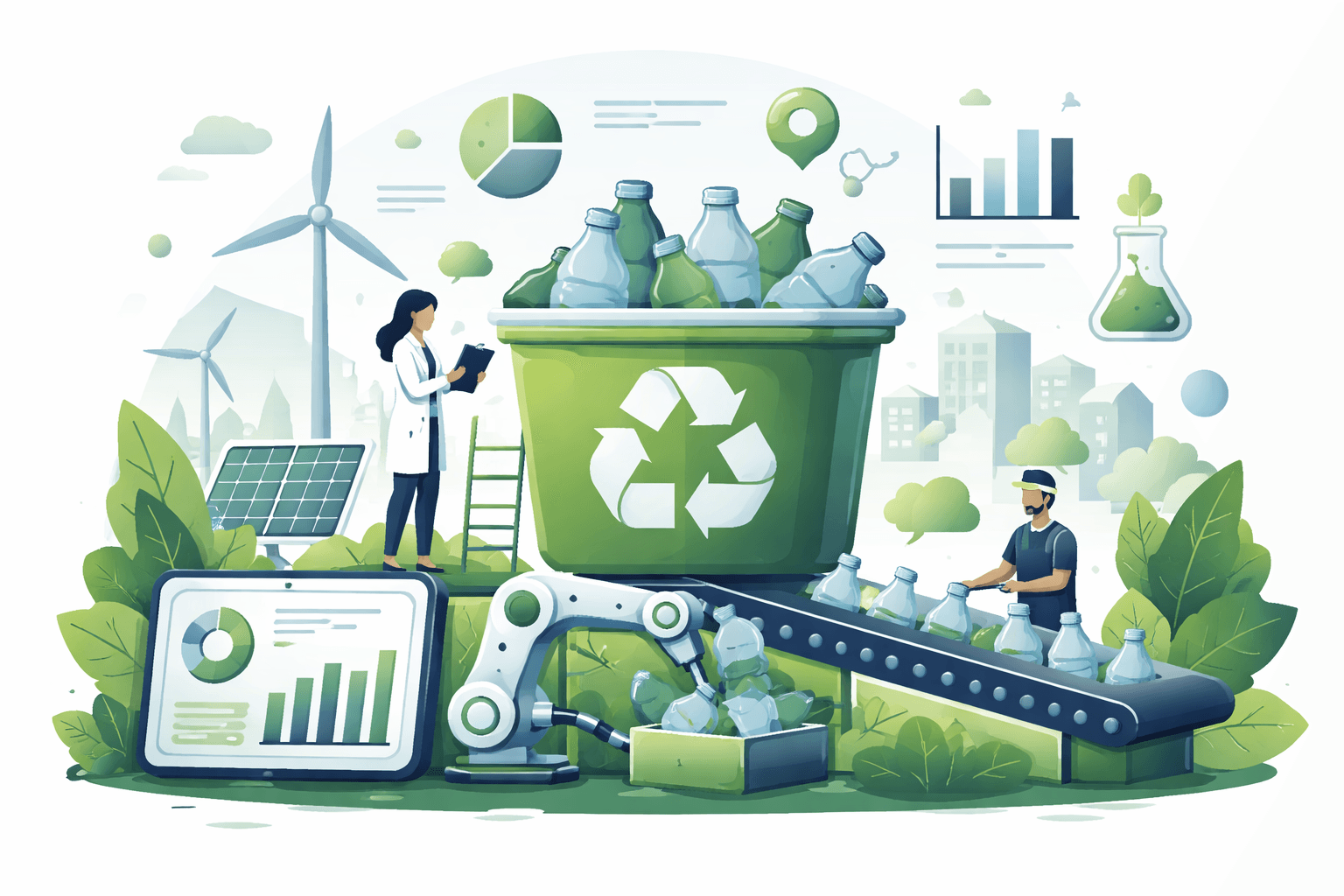
Plastic recycling projects can move the needle where curbside systems fall short. The OECD’s Global Plastics Outlook estimates just 9% of global plastic waste was recycled in 2019, while plastic waste doubled since 2000 to 353 million tonnes (OECD, 2022). At the same time, brand and policy demand for recycled resins is climbing, especially for rPET bottles and rHDPE containers. Well-designed projects—community collection, school maker initiatives, and small-scale mechanical recycling—can capture clean material, create local value, and build public trust in recycling.
This guide profiles viable project models, the plastics to target, equipment options and costs, step-by-step blueprints, and how to measure and communicate results. If you’re planning plastic recycling projects for a neighborhood, school, workplace, or makerspace, use these data-backed templates to launch quickly and safely.
By the numbers: why local projects matter
- 353 million tonnes of plastic waste were generated globally in 2019; only 9% was recycled, 19% incinerated, 50% landfilled, and 22% mismanaged (OECD, 2022).
- Contamination in U.S. curbside recycling averages 15–25%, reducing recovery and raising costs (The Recycling Partnership, 2020–2023 program audits).
- Recycling plastics typically cuts lifecycle greenhouse gas emissions 30–70% versus virgin production, depending on polymer and energy mix (PlasticsEurope LCAs; U.S. EPA WARM factors).
- PET and HDPE are the most widely recycled polymers, with established markets and mechanical processes; PP recycling is growing but remains more variable by region (APR, 2023 market updates).
Introduction to Plastics Recycling
by Vannessa Goodship (Author) As in the successful first edition, this book <strong>provides straightforward information on plastic materials and technology, including the options for recycling plasti
Check Price on AmazonChoosing plastic recycling projects that fit your goals
Select a model based on your scale, skills, budget, and end-market options. Each model can stand alone or stack together as a staged plan.
Community collection programs
- Objective: Capture clean, sortable volumes of PET (#1) and HDPE (#2), and sometimes PP (#5), to sell to a processor or supply a local maker.
- Best for: Municipalities, neighborhoods, HOAs, businesses, and nonprofits with volunteer networks.
- Success factors: Clear material list, convenient drop-off, visible contamination checks, and quick movement of material to a baler or reprocessor. See our planning overview: Plastic Recycling Program Guide: Practical Planning, Operations, Markets, and Measurement.
School and educational projects
- Objective: Teach polymer science and circular economy basics by turning caps, bottles, or packaging into simple products.
- Best for: K–12, vocational, and university labs; after-school clubs; community centers.
- Success factors: Age-appropriate safety, simple tools, and a defined output (e.g., tiles, coasters, planter pots).
Maker/DIY upcycling
- Objective: Use cleaned and color-sorted HDPE/PP to produce durable, small-format goods with desktop-scale machines.
- Best for: Makerspaces, libraries, fab labs, entrepreneurs.
- Success factors: Consistent feedstock, quality control (moisture and contamination), and a local customer or donation pipeline.
Small-scale mechanical recycling
- Objective: Shred, wash, and re-melt plastics into flakes, pellets, sheets, or molded items, supplying local industry or community projects.
- Best for: Social enterprises, SMEs, and municipalities piloting circular manufacturing.
- Success factors: Throughput planning, safety compliance, reliable buyers, and documented quality specs (moisture, melt flow index, ash).
For event-based efforts that kick-start supply and outreach, see: Practical Tips for Organizing a Successful Community Recycling Drive.
Plastics to target and how to handle them
Focus first on polymers with strong end-markets and predictable behavior in small equipment.
PET (polyethylene terephthalate) – #1
- Common: Beverage bottles, some food trays.
- Pros: Strong demand for rPET flakes; bottle-to-bottle and fiber markets.
- Cons: Sensitive to moisture; high melt temperature; PVC contamination ruins batches.
- Notes: Prefer clear bottles; remove labels and caps; hot-wash improves value.
HDPE (high-density polyethylene) – #2
- Common: Milk jugs, detergent bottles, caps.
- Pros: Easy to process; stable melt; good for injection and sheet pressing.
- Cons: Color mixing yields grey/brown; bleach residues need thorough washing.
- Notes: Float-sink separation in water isolates HDPE/PP (they float).
PP (polypropylene) – #5
- Common: Yogurt tubs, takeout containers, caps, straws.
- Pros: Gaining demand; good for injection-molded goods.
- Cons: Mixed additives and fillers; variable melt flow.
- Notes: Keep separate from HDPE if possible for better properties.
LDPE/LLDPE (low/linear-low density polyethylene) – #4
- Common: Film and bags, shrink wrap.
- Pros: High volume; densifies well.
- Cons: Film is hard to sort/clean; tangles in equipment; limited small-scale uses.
- Notes: Target clean commercial film (e.g., pallet wrap) rather than post-consumer bags.
Avoid at early stage: PVC (#3) and PS (#6) due to fumes, additives, and market uncertainty; multi-layer flexibles (#7-other) unless you have a specialized outlet.
Sorting and cleaning methods
- Resin identification and visual sort: Train volunteers to check the # code and obvious contaminants (food, oil, liquids). Keep PET separate from PVC at all costs.
- Manual pre-sort at collection: Remove non-target items; reject highly contaminated loads on the spot to protect quality downstream.
- Sink-float separation: In water, PP/PE float (density <1 g/cm³); PET/PVC sink (>1.2 g/cm³). This helps recover PP/HDPE caps mixed with PET.
- Washing: Cold pre-rinse, then hot wash (50–80°C) with mild detergent to remove labels/adhesives for PET and food residues for HDPE/PP. Target moisture <0.5% before extrusion or molding.
- Drying: Air-dry on racks or use centrifugal dryers; moisture meters help prevent hydrolysis (especially for PET).
Equipment options and cost brackets
Costs vary by brand and region; ranges below reflect typical small-scale or entry commercial gear.

INTBUYING Electric Plastic Shredder Grinder 2.2KW Cardboard Bottle Crusher Granulator Large Cans Chipper Pulverizer Recycling Machine Plastic Grinder Mill for PC/PVC/ABS/PET/EPS/PU/HDPE/Nylon 220V 1PH
View on AmazonCollection and prep
- Cages and gaylords: $150–$400 each
- Hand tools (bin scales, moisture meter, PPE): $300–$1,000
Size reduction
- Desktop/DIY shredder or granulator (0.1–0.3 t/day): $800–$3,000
- Light-duty commercial granulator (0.3–1 t/day): $1,500–$7,000
Washing and drying
- Barrel washer or friction washer (small-scale): $500–$2,500
- Hot-wash tank with heater and circulation: $1,500–$5,000
- Centrifugal or air knives dryer: $1,500–$6,000
Forming/re-melting
- Benchtop injection machine: $2,500–$10,000
- Small single-screw extruder (profiles/pellets): $3,000–$8,000
- Sheet press/thermoformer combo: $5,000–$15,000
Baling and densification
- Vertical baler for bottles (5–10 t/month): $4,000–$12,000
- Film/bag densifier (LDPE) small unit: $5,000–$20,000
Ancillary
- Molds (aluminum/steel) for injection: $200–$2,000 per design
- Ventilation and filtration: $500–$3,000
Open-source designs and community toolkits (e.g., small-scale mechanical recycling projects published by universities and maker communities) can lower costs, but always verify electrical, mechanical, and fire safety standards.
Step-by-step project blueprints you can copy
Below are four replicable project templates with inputs, actions, outputs, and timelines. Adapt to local regulations and markets.
1) Weekend community bottle-to-bale drive (PET/HDPE)
- Objective: Capture clean PET/HDPE at low contamination and bale for sale or donation.
- Inputs:
- Site: parking lot or school campus; permits and traffic plan
- 12–20 trained volunteers; signage; tables; hand scales
- Cages/gaylords (10–15), clear bags, pallet jack; vertical baler access (on- or off-site)
- Steps (2–4 weeks to organize; 1–2 days to execute):
- Define accepted items: PET bottles (#1) and HDPE containers (#2) only; caps on or off based on your downstream plan.
- Publicize with a specific list and images; emphasize empty, rinsed, and dry.
- At drop-off, pre-sort; reject bags with food waste or non-target plastics.
- Weigh and log by polymer; stage full cages for baling.
- Bale within 48 hours to prevent odor and pests; store under cover.
- Expected outputs:
- Volume: 1.5–3.0 tonnes of material over a weekend for a mid-size community (based on typical participation rates and average 3–5 kg per household).
- Contamination: Target <10% with active screening.
- Bales: PET and HDPE bales at 250–350 kg/m³ density; 6–12 bales total.
- Notes: Coordinate end-market before the event; confirm bale specs (e.g., no trash, moisture <2%). For event execution tips, see: Practical Tips for Organizing a Successful Community Recycling Drive.
2) School cap-to-tile workshop (HDPE/PP)
- Objective: Teach material science and make durable tiles for campus benches or art.
- Inputs:
- 8–12 kg of clean, color-sorted HDPE/PP caps (about 8–10 weeks of cafeteria collection)
- Benchtop shredder; small sheet press or heated platen press with ventilation
- Molds for 100 × 100 × 8 mm tiles; PPE (gloves, eye protection)
- Steps (2–3 class sessions):
- Lesson: polymer types, resin codes, density, and why contamination matters.
- Sort and wash; dry to moisture <0.5%.
- Shred to 5–8 mm flakes; remove label rings and foreign materials.
- Press at 160–190°C for 8–15 minutes; cool under pressure to minimize warping.
- Expected outputs:
- From 10 kg feedstock, produce ~50–60 tiles (each ~150–180 g), accounting for ~5–10% process scrap that can be re-ground.
- Timeline: 4–6 hours of machine time plus prep.
- Safety: Provide heat-resistant gloves, fume extraction, and strict supervision.
VEVOR 8 in 1 Heat Press Machine 15x15 Inch, 360° Swing Away Shirt Press Machine - Digital Professional Heat Transfer Tshirt Press Machine, Sublimation Heat Press for T Shirts Hat Cap Mug Plate Blue : Arts, Crafts & Sewing
View on Amazon3) Makerspace PP/HDPE injection-molded products
- Objective: Turn local PP/HDPE into small, saleable items (e.g., cable clips, seedling pots, coasters) to fund the program.
- Inputs:
- Feedstock: 20–30 kg/month sorted PP or HDPE
- Benchtop shredder and injection press; 1–2 aluminum molds
- Drying racks; color masterbatch (optional for consistency)
- Steps (setup in 4–6 weeks; ongoing production):
- Establish sourcing from a school, office, or event; specify only #2 or #5 items, rinsed and dry.
- Standardize prep: wash, dry, shred, and sieve to consistent flake size.
- Calibrate machine settings (e.g., 180–220°C for HDPE, 200–230°C for PP; adjust dwell time to avoid sink marks).
- Implement simple QC: weigh parts, visual defect check, and destructive test on a sample batch weekly.
- Expected outputs:
- Throughput: ~80–150 small parts/hour depending on mold cavity count and cycle time.
- Material yield: 90–95% usable parts after dialing in parameters; re-grind runners/sprues.
4) Small-enterprise LDPE film densification pilot
- Objective: Capture clean commercial film (pallet wrap, garment bags) and densify for sale to a film recycler.
- Inputs:
- Supply agreements with 5–10 local retailers/warehouses; clear bag-only acceptance and storage guidelines
- Densifier (5–30 kg/hour), electrical service per manufacturer spec; bale bags or bins for storage
- Moisture meter; manual sorting table to remove labels and rigid plastics
- Steps (8–12 weeks to stand up):
- Conduct audits at each supplier: estimate kg/week, contamination, and storage space.
- Train staff on bag-only rules and keeping film dry.
- Collect weekly; pre-sort; densify to reduce volume 10:1 to 20:1.
- Accumulate 500–1,000 kg lots; ship to a downstream buyer with agreed specs.
- Expected outputs:
- From 300 kg/week collected, expect 240–270 kg/week saleable densified LDPE (10–20% loss to contamination/moisture/labels in early weeks, improving with training).
Measuring impact, safety and compliance, and funding routes
A credible project documents results with the same rigor a buyer or grantmaker would expect.
What to measure and how
- Inputs and outputs
- Track kilograms collected by polymer and source (household, school, business).
- Record contamination rate (by visual audit or sort sample). Aim for <10% in community events, <5% for maker feedstock.
- Material efficiency
- Yield = clean output ÷ total input. Early-stage yields of 75–90% are typical; push toward >90% as sorting improves.
- Greenhouse gas savings
- Use published factors (e.g., U.S. EPA WARM or national LCA databases). As a rule of thumb, recycling 1 tonne of PET or HDPE avoids roughly 1–1.5 tCO₂e versus landfilling or virgin production, depending on energy mix.
- Report tCO₂e avoided = tonnes recycled × factor. State your source and factor year.
- Education and engagement
- Participants trained, student-hours, workshops delivered; pre/post surveys on recycling knowledge.
- Financials
- Cost per tonne managed; revenue from material sales; in-kind contributions (space, volunteer hours) valued at standard rates.
Create a one-page dashboard updated monthly. Keep auditable logs and photos of bales, products, and events.
Safety, health, and regulatory essentials
- Worker and volunteer safety
- PPE: gloves, eye protection, cut-resistant sleeves for sorting; hearing protection near shredders.
- Machine safety: guards, emergency stops, lockout/tagout, and clear SOPs. Ensure compliant wiring and ventilation when heating plastics.
- Fire risk: store bales and flakes away from ignition sources; maintain housekeeping to minimize plastic dust.
- Air and fumes
- Heat only known, clean polymers; avoid PVC and unknown #7. Maintain local exhaust ventilation near presses/extruders.
- Facility and permits
- Check local zoning for waste handling; some jurisdictions require solid waste handling permits even for nonprofits.
- Electrical inspections for new equipment; balers may need operator training or certification.
- Product liability
- If selling goods, label polymer type and intended use; avoid food-contact claims unless you meet regulatory standards.
For more on safe setup and operations, see: Safer Recycling Methods: Practical Steps to Protect People, Property, and the Planet.
Funding and partnerships
- Grants and public programs
- National/municipal recycling grants, education mini-grants, and solid waste infrastructure funds (e.g., U.S. EPA SWIFR; EU LIFE; city zero-waste grants). Align proposals with measured diversion and education outcomes.
- Corporate and foundation support
- Retailers, beverage brands, and local employers often fund collection infrastructure and school programs tied to plastics.
- Revenue
- Bale sales (PET/HDPE) to MRFs or reclaimers; densified film to specialized buyers; small product sales from maker lines. Get written specs and do test shipments first.
- Partnerships
- Schools and universities for collection and R&D testing (e.g., melt flow, tensile tests).
- Local MRFs/haulers for logistics and backhauls.
- Makerspaces and job-training programs for workforce development.
Scaling for quality, markets, and long-term viability
Control contamination like a manufacturer
- Keep the list short: start with one or two polymers and expand only with proven outlets.
- Standardize: photo-based guides, bin labels, and live checks at drop-off reduce errors. See: How to Recycle Waste Effectively: Practical Guidance to Reduce Contamination and Maximize Recovery.
- Feedback loops: publish contamination rates; celebrate top-performing sites; retrain low performers.
Build quality assurance into every tonne
- Specs to track: moisture (<0.5% for processing), ash (<1–2% depending polymer), melt flow index (MFI) consistency for product molding, particle size distribution.
- Batch records: tag each bale or lot with source, date, and QC notes; isolate nonconforming material.
- Color and odor control: separate natural/clear from colored streams; hot-wash when needed.
Choose and diversify market routes
- Commodity route
- Sell sorted, baled PET/HDPE to reclaimers. Pros: scale and predictable specs. Cons: price volatility; transport costs.
- Local manufacturing route
- Supply flakes or pellets to nearby SMEs for products (benches, decking, pots). Pros: community value; storytelling. Cons: requires QC and consistent volume.
- In-house product route
- Make and sell small goods via maker equipment. Pros: education + revenue; flexible designs. Cons: labor-intensive; limited throughput.
Develop letters of intent with buyers before you scale. Pilot smaller, then standardize specs and contracts.
Common pitfalls and how to avoid them
- Too many polymers too soon: Start with HDPE/PP for makers, PET/HDPE for baling. Add film only with a committed buyer.
- Inadequate drying: Moisture causes bubbles and brittleness—measure and document moisture before molding or extrusion.
- Unclear end-markets: Design your flow backwards from a confirmed buyer and spec sheet.
- Underestimating operations: Plan for storage, cleaning water management, and residue disposal.
- Ignoring education: Without ongoing outreach, contamination creeps back up within months.
Program durability: people, process, and policy
- People: Train backups for critical roles; rotate volunteers; partner with job-training programs to reduce turnover risk.
- Process: Document SOPs; track KPIs monthly; run quarterly improvement sprints focused on one bottleneck at a time.
- Policy tailwinds: Extended Producer Responsibility (EPR) for packaging in several regions is funding collection and sortation upgrades; public commitments to recycled content are strengthening demand for rPET and rHDPE through 2030 (Ellen MacArthur Foundation; national EPR statutes). Position your project as a clean, reliable supplier.
For strategic inspiration from companies integrating circularity at scale, see: Circular Economy Leaders: How Companies Are Eliminating Waste.
Putting it all together: a staged roadmap
- Phase 1 (0–3 months): Launch a targeted collection drive (PET/HDPE). Document volumes and contamination; secure downstream buyer trials.
- Phase 2 (3–6 months): Add a school or maker line for HDPE/PP; publish an impact dashboard and safety SOPs.
- Phase 3 (6–12 months): Upgrade to small granulator and hot-wash; formalize QC; lock in 6–12 month offtake agreements.
- Phase 4 (12–24 months): Evaluate adding film densification or sheet pressing based on reliable clean supply and buyer letters of intent.
Plastic recycling projects work when they are laser-focused on clean inputs, clear outputs, and measurable impact. Start with the polymers that match your skills and markets, invest in safety and quality, and grow with partners who value reliability as much as recycled content.
Additional planning resources: Plastic Recycling Program Guide: Practical Planning, Operations, Markets, and Measurement.
Recommended Products
Introduction to Plastics Recycling
by Vannessa Goodship (Author) As in the successful first edition, this book <strong>provides straightforward information on plastic materials and technology, including the options for recycling plasti
INTBUYING Electric Plastic Shredder Grinder 2.2KW Cardboard Bottle Crusher Granulator Large Cans Chipper Pulverizer Recycling Machine Plastic Grinder Mill for PC/PVC/ABS/PET/EPS/PU/HDPE/Nylon 220V 1PH
<strong>Versatile Material Shredder</strong>: This Plastic Crusher is an efficient tool for crushing and recycling a wide range of materials including PC,PVC,ABS,PET,EPS,PU,HDPE,Wood,Nylon,Wire,Corn,W
VEVOR 8 in 1 Heat Press Machine 15x15 Inch, 360° Swing Away Shirt Press Machine - Digital Professional Heat Transfer Tshirt Press Machine, Sublimation Heat Press for T Shirts Hat Cap Mug Plate Blue : Arts, Crafts & Sewing
Topdeep Pro Heat Press 15x15 Inch, ... 15x15 Inch Heat Transfer Machine <strong>360-Degree Swing Away Digital Tshirt Press Multifunction Heat Transfer Sublimation for T Shirts Mugs Hats Plates Caps</s
More in Sustainability Policy
- Plastic Recycling Program Guide: Practical Planning, Operations, Markets, and Measurement
- Why Recycling Plastic Matters: Environmental, Economic and Health Benefits
- Plastic Pollution Explained: Causes, Impacts, and What You Can Do
- How to Set Up a Local Recycling Initiative: Practical Steps to Start, Run, and Sustain Community Recycling