Why Wind Energy Wins: The Key Environmental, Economic and Grid Advantages
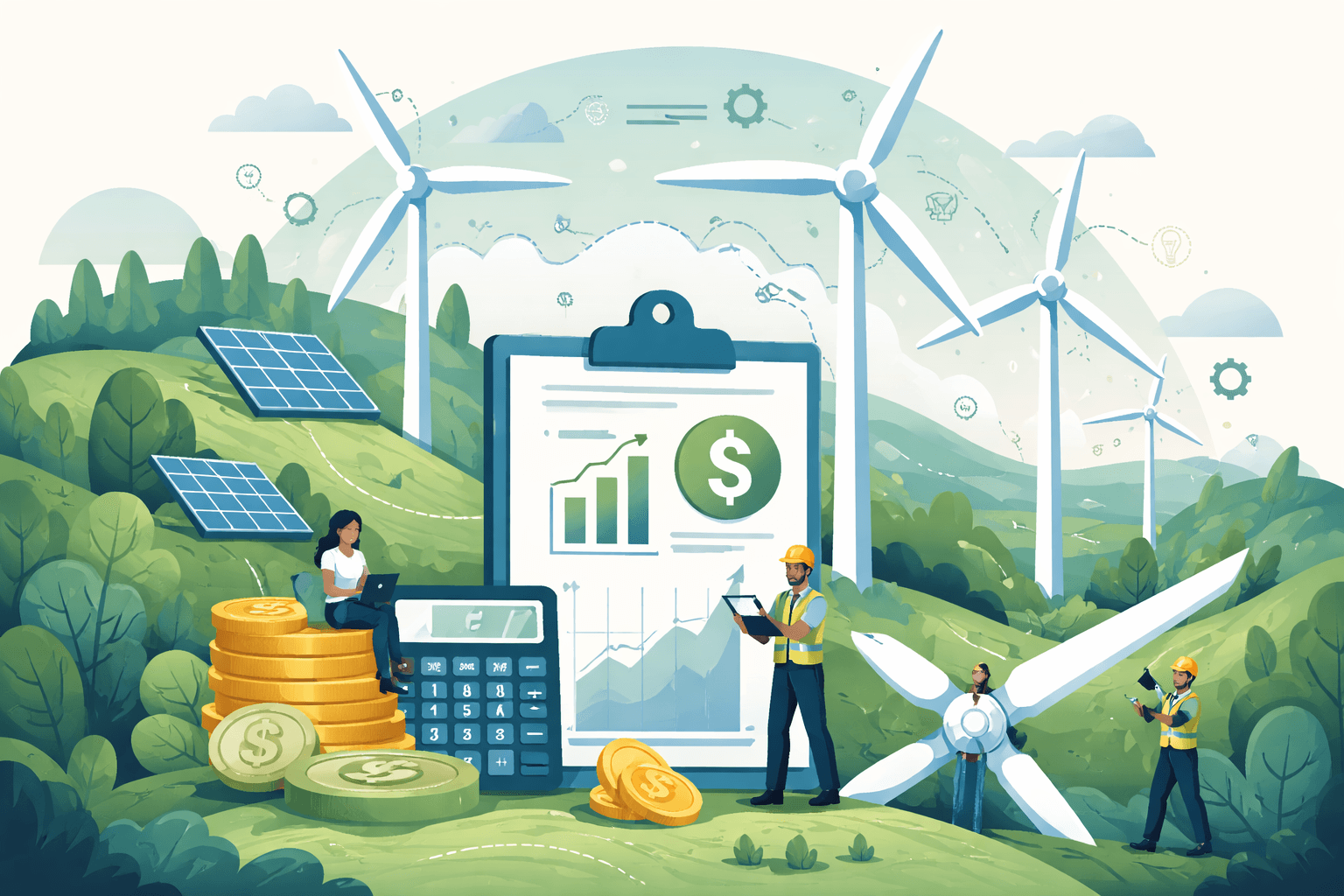
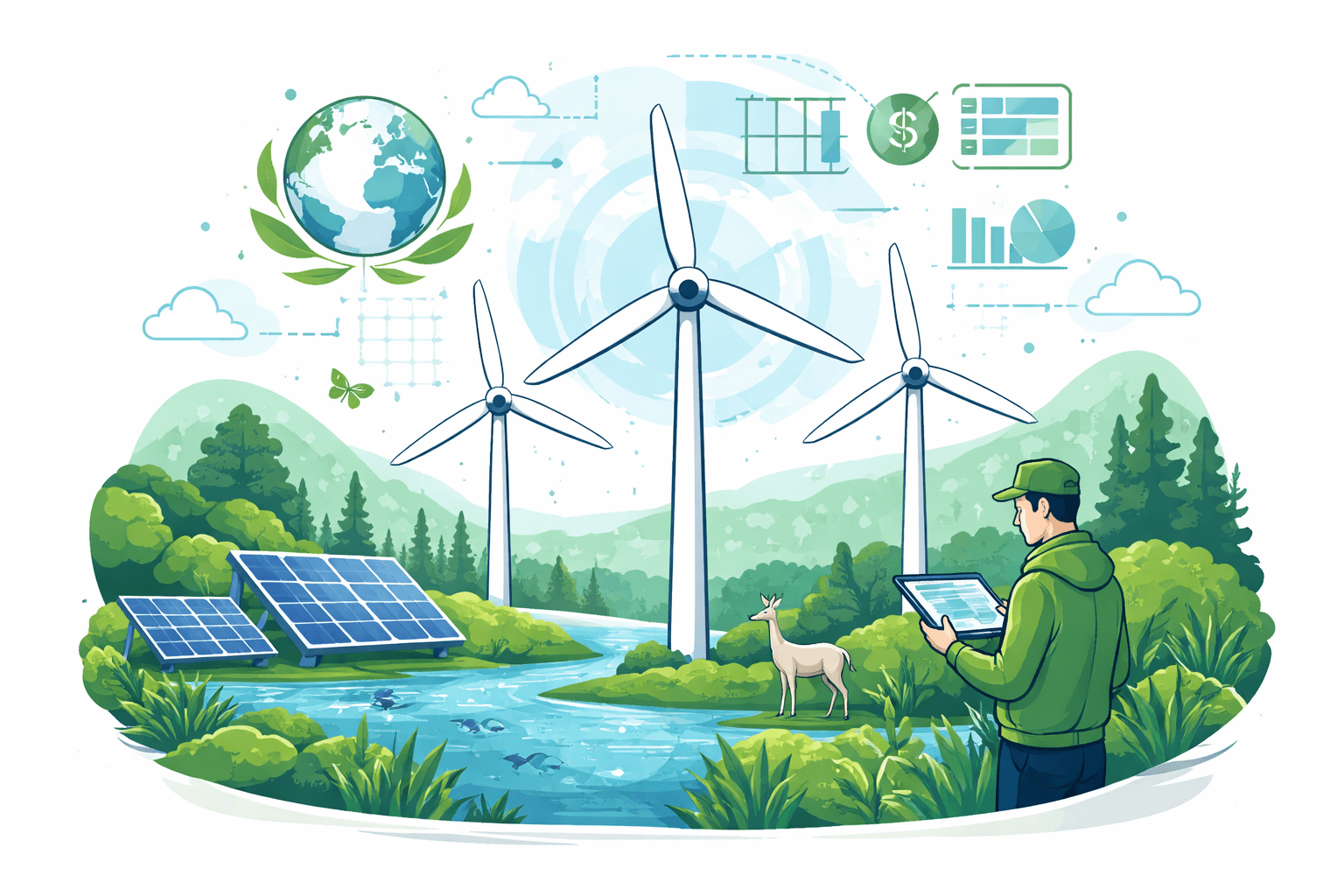
Wind hit 1 TW in 2023. Here’s why the advantages of wind energy—ultra‑low carbon, low cost, jobs, and grid resilience—make it a cornerstone of clean power.
Climate policy, regulations, carbon markets, and the frameworks shaping our environmental future.
143 articles
Wind hit 1 TW in 2023. Here’s why the advantages of wind energy—ultra‑low carbon, low cost, jobs, and grid resilience—make it a cornerstone of clean power.
A data-rich, accessible guide to wildlife habitats and conservation—threats, proven strategies, tech tools, and actions that measurably protect biodiversity.
A data‑driven DIY solar battery installation guide: chemistries, sizing math, NEC/NFPA safety, wiring best practices, costs, and lifecycle planning.
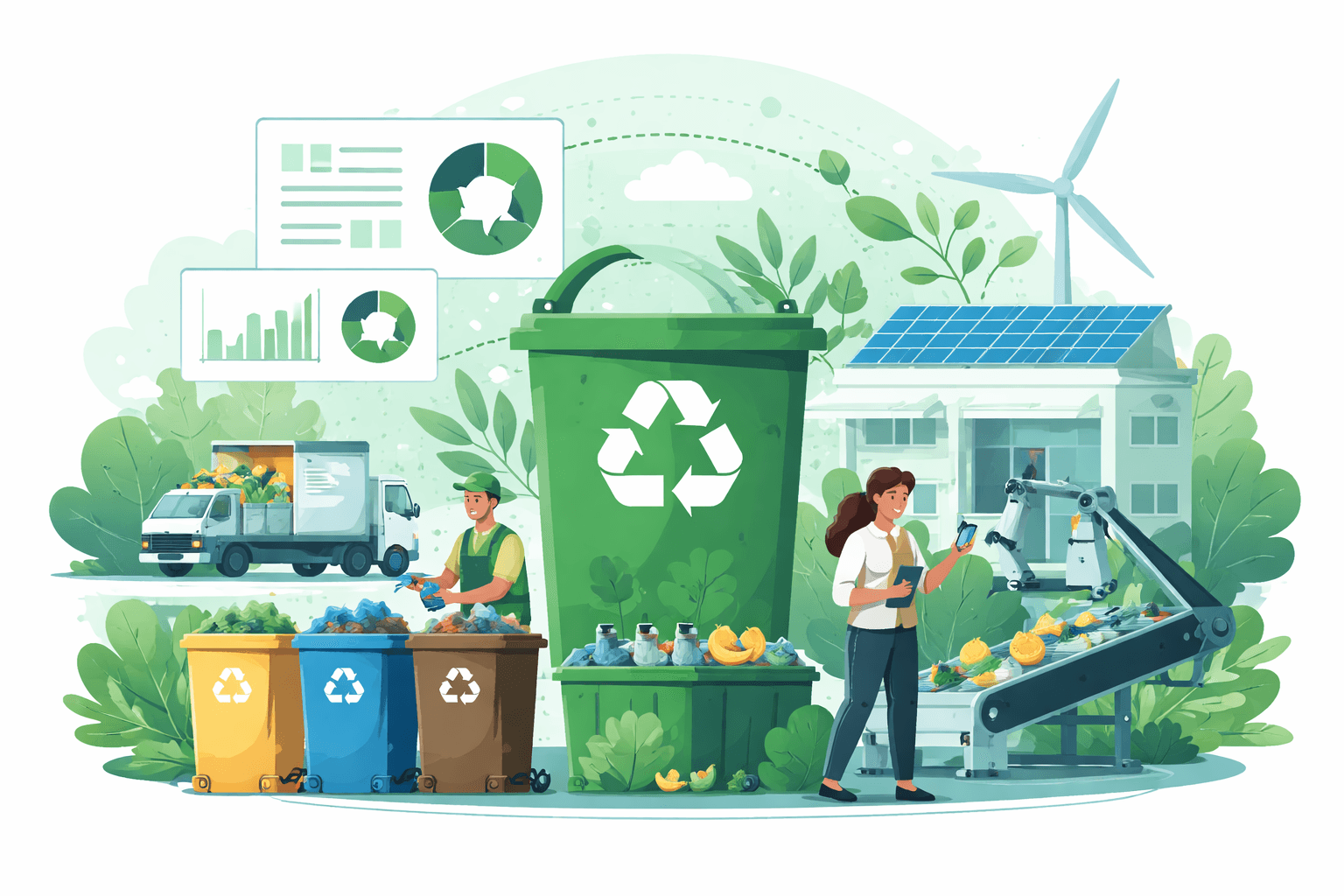
Build a plastic recycling program that works: choose viable resins, cut contamination, secure end markets, leverage funding, and measure what matters.
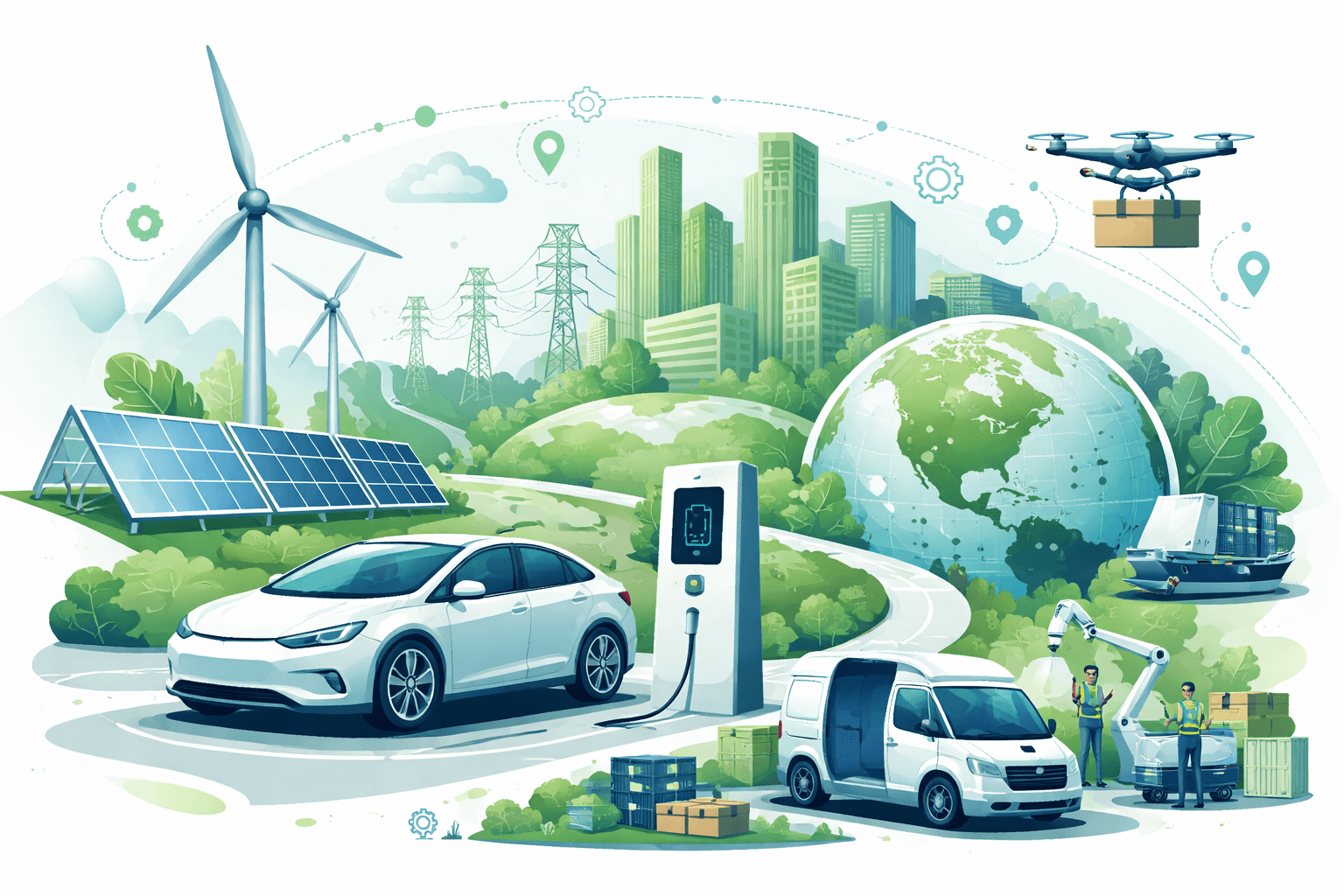
A data‑driven, practical guide on how to care for electric cars: battery SoC targets, charging choices, maintenance intervals, range tips, seasonal prep, and safety.
A data-driven playbook for community initiatives for sustainability: proven models, funding, KPIs, tools, and policies to launch and scale local impact.
A data‑backed guide to sustainable gardening practices: build soil, save 30–70% water with drip, boost biodiversity, and cut maintenance and emissions.
A data-rich, step-by-step guide to implement sustainable practices: baseline audits, high-ROI actions, technologies, measurement, and financing to scale.
A data‑backed, practical guide to the most effective ways to live sustainably—by domain, budget, and effort—with tools to track real emissions and cost savings.
Where AI actually saves energy: proven use cases, data needs, KPIs, risks, and a practical path from pilot to scale across buildings, grids, industry, and transport.
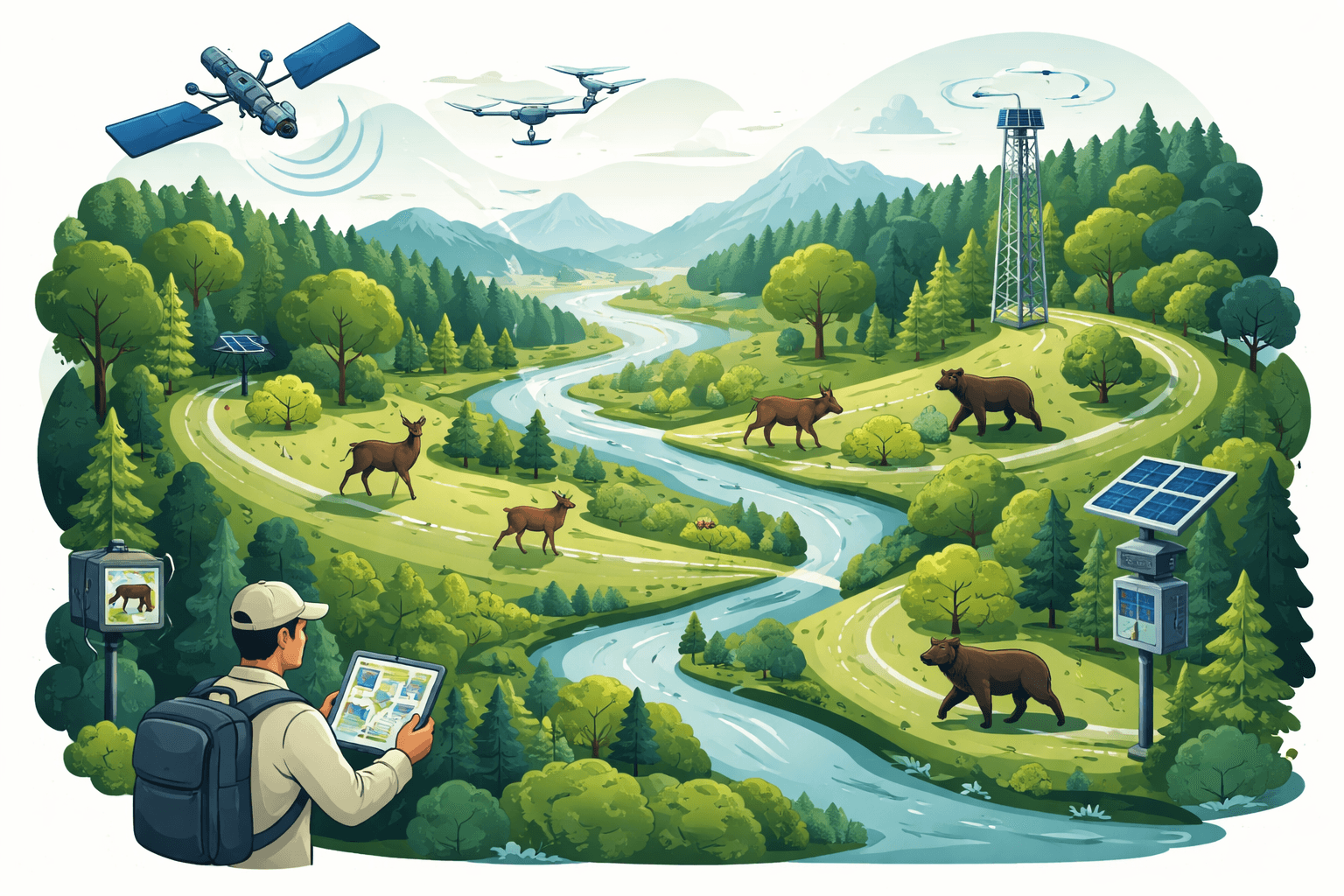
AI for wildlife monitoring is cutting analysis time 75–90% and boosting survey accuracy. Here’s the tech, data, deployment, and ethics to make it work.
A data‑driven guide to designing energy‑efficient homes: passive design, airtight envelopes, right‑sized heat pumps, solar, and incentives for 40–80% savings.